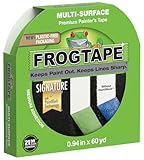
I remember the first time I tried to mask off my vintage Triumph for a quick touch-up. I grabbed the bright blue tape from the hardware store, thinking, ‘It’s just tape, how bad can it be?’ Turns out, pretty bad. That little experiment left me with sticky residue and a mild panic attack. So, does painters tape ruin car paint? The short answer is: it depends, and you need to be smarter than I was that day.
This isn’t about some fancy ceramic coating or professional detailing trickery. This is about everyday stuff, the kind of job you might do in your garage on a Saturday. We’re talking about how basic supplies can mess up your ride, and what you can do to avoid that sinking feeling.
I’ve spent more hours than I care to admit tinkering with cars and bikes, learning the hard way what works and what’s just hype. This is that hard-earned wisdom, straight up, no corporate fluff.
The Sticky Truth: Why Some Tape Bites the Dust
Look, the main reason people even ask if painters tape ruins car paint is because sometimes, it does. It’s not rocket science, but there are a few things going on under the hood, or rather, under the tape. Most standard blue or green painters tape is designed for walls, which are porous and forgiving. Car paint? Not so much. It’s a delicate layer of clear coat, base coat, and primer all bonded together. Ripping off tape that’s bonded too aggressively is like peeling a sticker off a delicate piece of paper – you can tear the surface.
The big culprits are the adhesives. Cheap tape often uses aggressive adhesives that can bond too strongly to the paint, especially if the paint is older, slightly chalky, or has been exposed to heat. When you pull it off, that adhesive can lift the paint along with it. I’ve seen it happen firsthand on a buddy’s old pickup truck; we were just masking for some trim replacement, and when he yanked off the tape, a thin strip of clear coat came with it.
That was a painful lesson. It’s not just about the paint, either.
Some tapes leave behind a sticky, gummy residue that’s a nightmare to get off without damaging the finish further. It feels like trying to scrub melted gummy bears off a hot sidewalk.
It can embed itself into the clear coat, and you end up using solvents that might be too harsh for your car’s finish.
Another factor is time. Leaving tape on for too long, especially in direct sunlight, can bake the adhesive into the paint. The sun heats up the tape and the paint, making the bond stronger and the adhesive more prone to gunking up. I made this mistake on my old motorcycle. I masked off the tank for a minor paint chip repair and left it on for a couple of days because I got sidetracked. When I finally pulled it off, it was a mess. The edges were fuzzy, and there was a definite tackiness that took me ages to clean with specialized removers.
So, while not all painters tape will automatically ruin your car’s paint, using the wrong type, leaving it on too long, or pulling it off improperly are recipes for disaster. It’s the same reason a cheap hair dryer can melt plastic if it gets too hot; it’s about the materials and their intended use. Car paint is a specialized finish, and it deserves specialized care, even for something as simple as masking.
What to Look for (and What to Avoid Like the Plague)
This is where you stop guessing and start being smart. If you’re masking your car, you need to be looking for tape specifically designed for automotive use, or at the very least, high-quality masking tape known for its clean removal. The big names in automotive paint shops don’t use the cheap stuff you find at a general hardware store. They use specialized products because their livelihood depends on it. Think of it like using a chef’s knife versus a butter knife to chop vegetables – one is designed for the job, the other is a liability. (See Also: Can I Put Painters Tape On Fresh Paint )
The key features to look for are ‘low-tack’ or ‘sensitive surface’ adhesives. These are formulated to stick well enough to create a barrier but release cleanly without damaging delicate surfaces. Brands like 3M have specific lines of automotive masking tape that are colored differently (often red or gold) to denote their intended use and adhesion level. These tapes are engineered to withstand paint solvents and UV exposure for a reasonable period. They cost more, sure, but trust me, a roll of good automotive tape is a hell of a lot cheaper than repainting a fender or buffing out adhesive residue for hours.
What should you avoid? Generally, any tape that feels overly sticky or stiff out of the box. If it leaves a residue on your fingers just by touching the sticky edge, it’s probably too aggressive for your car’s paint. Brightly colored, generic ‘all-purpose’ or ‘indoor/outdoor’ tapes are often the worst offenders. Also, be wary of tapes that are very thin and flimsy; they’re more prone to bleeding and lifting. They might seem like a bargain, but they’ll cost you more in frustration and potential damage.
I once bought a bulk pack of generic masking tape because it was a steal – about $5 for six rolls. Big mistake. It was stiff, the adhesive was ridiculously tacky, and it left a ghosting effect on the paint where it had been. It took me three hours and a bottle of Goo Gone (applied very carefully) to get it all off, and I was still worried I’d dulled the clear coat. That was a lesson learned: always check the specs, or at least the general reputation of the tape, before it touches your car.
Common Mistakes That Turn Tape Into a Vandal
Okay, so you’ve got decent tape. You’re halfway there. But you can still screw it up.
One of the most common mistakes is not preparing the surface properly. If you’re masking over a freshly washed car, make sure it’s completely dry.
Any moisture trapped under the tape can cause it to lift or even create a breeding ground for mold if left for a long time. More importantly, if you’re masking near an area with existing imperfections – like a chip, a scratch, or even just a slightly weathered spot – the tape can snag on it and pull away the surrounding paint when you remove it. It’s like trying to stick a bandage on a torn piece of fabric; it just makes the tear worse.
Another classic blunder is pulling the tape off too soon or too late. If you pull it off while the new paint is still wet, you’ll get fuzzy edges and paint bleed. You’ll see a soft, blurred line instead of a crisp, clean one.
On the flip side, if you leave it on too long, especially in the sun or if the new paint cures too hard, the tape can bond itself to the paint. This is when you get that awful ripping sensation and potentially, damaged paint. The ideal time to remove tape is usually when the new paint is dry to the touch but not fully cured. This varies greatly depending on the type of paint, but often it’s within a few hours, not days.
Always check the paint manufacturer’s recommendations.
Ripping the tape off too fast is another surefire way to cause damage. Think of it like removing a bandage from a hairy limb – slow and steady wins the race. Yanking it off quickly can create stress points that lift paint or leave behind jagged edges. You want to pull it off slowly, at a low angle, against the direction of the tape itself, not straight up. This minimizes the force applied to the paint. Imagine you’re peeling a stubborn sticker off a brand-new laptop; you wouldn’t rip it off in one go, would you? (See Also: Can I Use Painters Tape To Engrave Glass )
Finally, and this is a big one: not understanding the limitations of your chosen tape. Most ‘painters tape’ is not designed for prolonged outdoor exposure or for use with automotive-grade solvents. If you’re doing a large job, or one that will take several days, you absolutely need automotive-specific masking tape. Using regular blue tape for a multi-day spray job on a hot summer day is asking for trouble. It’s like using a kitchen spatula to do heavy-duty construction work – it’s just the wrong tool for the job, and you’ll likely end up with a mess.
Real-World Uses: When Tape Is Your Friend
Despite my initial horror stories, painters tape isn’t inherently evil. In fact, when used correctly, it’s an indispensable tool for a lot of jobs around the car. It’s fantastic for creating clean lines when you’re doing two-tone paint jobs, masking off trim pieces you don’t want to paint, or protecting areas during minor repairs. I’ve used it countless times to mask off my motorcycle fairings before polishing or waxing, making sure I don’t get compound all over the plastic bits.
One of my favorite tricks is using tape to protect delicate emblems or badges. Instead of trying to work around them with a cloth or buffer, I’ll carefully mask around the edges. This is especially useful if the emblem’s adhesive is starting to fail and it’s sticking out slightly. A carefully applied strip of tape can hold it down firmly while you work, preventing it from being snagged or damaged. I did this on my old Audi’s Quattro badge when I was polishing the rear bumper. It held perfectly and prevented any accidental scuffs on the aged plastic.
It’s also great for creating a temporary seal. Need to keep dust out of your interior during a light sanding job on the exterior? Tape off the door jambs and window seals. It’s not a perfect, airtight seal, but it’s good enough to prevent the worst of the dust from getting inside. I’ve also used it to temporarily secure loose trim pieces or wiring harnesses until I can get the proper clips or fasteners. It’s that quick fix that saves you from a bigger headache down the road.
The key is to match the tape to the job. For masking trim that you’re going to paint, a medium-tack automotive tape is ideal. For protecting a freshly waxed surface from accidental scuffs while you’re cleaning up the engine bay, a low-tack tape or even delicate surface tape would be better. And for creating those razor-sharp paint lines, you want a tape specifically designed for that purpose, often called ‘fine line tape’ or ‘edge sealing tape’. These are usually much thinner and conform better to curves.
Here’s a quick look at tape types and their typical uses:
| Tape Type | Adhesive Level | Typical Use | Verdict |
|---|---|---|---|
| Standard Blue/Green (Hardware Store) | Medium to High | Walls, general household projects | Avoid on car paint unless desperate and for very short periods. High risk of residue/damage. |
| Low-Tack Automotive Masking Tape (e.g., 3M 3434) | Low | Masking delicate surfaces, fresh paint protection, trim masking | Excellent for most car tasks. Clean removal, minimal residue. |
| Medium-Tack Automotive Masking Tape (e.g., 3M 2090) | Medium | Masking for painting, trim, general masking on automotive finishes | Good all-rounder. Sticks well, removes cleanly if not left too long in sun. |
| Fine Line Tape (Automotive Specific) | Very Low | Creating sharp paint lines, graphics, intricate masking | Key for pro-level paint lines. Thin, conforms well, but can be tricky to apply. |
How to Actually Use Tape Without Ruining Your Paint
Alright, let’s get practical. You’ve got your automotive-grade tape, and you’re ready to go. First, always start with a clean, dry surface. Even a little bit of dirt or grime can get pushed into the paint by the tape, causing micro-scratches. If you’re masking around a panel that’s already painted, run a finger along the edge of the existing paint. If it feels rough or feathered, you might want to lightly sand and prime that area first, or accept that the tape might lift some of that loose material.
When applying the tape, work slowly and deliberately. Press it down firmly to make sure it makes good contact, but don’t stretch it. Stretching can cause it to snap back later, lifting paint. Use a plastic squeegee or even your fingernail to crease the edge of the tape where it meets the paint. This creates a sharp, defined line and helps prevent paint from creeping underneath. If you’re masking a sharp corner or a curve, you might need to cut the tape into smaller strips or use a heat gun (on a very low setting, and from a distance) to make it more pliable. Be cautious with heat; too much can damage the paint or the tape itself.
For creating those super-sharp paint lines, especially on multi-tone jobs, ‘fine line’ tape is your best friend. It’s thin and flexible, allowing it to hug curves beautifully. The trick is to apply it precisely where you want the paint line to end, then apply a ‘bleed-proof’ edge using a very light coat of the same color you are painting over. This seals the tape edge. Once that’s dry, you can apply your main paint color. This technique is a bit advanced, but it’s how professionals get those flawless lines.
Removal is just as important as application. Never, ever pull tape off when the paint is still wet. Wait until it’s dry to the touch. (See Also: Can You Hang Posters With Painters Tape )
The best practice is to remove it while the paint is still slightly pliable, often within a few hours. If you have to leave it on longer, try to remove it before it gets baked on by the sun. When you pull, do it slowly and at a shallow angle, pulling the tape back onto itself. Keep tension on the tape as you pull, and try to keep the pulling motion consistent.
If you encounter resistance, stop, assess, and gently work it loose. Sometimes a little bit of masking tape remover or even isopropyl alcohol can help loosen a stubborn adhesive after you’ve removed the bulk of the tape, but be careful and test in an inconspicuous spot first.
The Faq: Demystifying Tape and Your Car’s Finish
Can I Use Regular Blue Painters Tape on My Car?
Generally, no. Standard blue or green painters tape is designed for walls and has a more aggressive adhesive that can damage car paint, especially older or softer finishes. It’s also more likely to leave behind sticky residue that’s hard to remove. While it might be okay for a very quick, low-risk job if you’re extremely careful and remove it immediately, it’s a gamble you shouldn’t take if you care about your car’s paint.
How Long Can I Leave Painters Tape on My Car?
This is where automotive-specific tape shines. Most good quality automotive masking tapes are designed to be left on for 24-72 hours, depending on the product and environmental conditions (like direct sunlight or extreme heat, which can shorten this time). Standard painters tape should ideally be removed within a few hours of application, or as soon as the paint you’ve applied is dry to the touch, to minimize the risk of residue or paint damage.
What’s the Difference Between Painters Tape and Masking Tape for Cars?
Painters tape is typically for indoor wall painting and often has a stronger, more general-purpose adhesive. Masking tape for cars, or automotive masking tape, is specifically formulated with a lower tack adhesive that is designed to stick sufficiently for painting but remove cleanly without damaging delicate automotive finishes or leaving residue. It’s also often designed to be more resistant to paint solvents and UV exposure.
Will Tape Leave a Residue on My Car Paint?
Yes, this is a significant risk with standard painters tape. The adhesive can break down, especially when exposed to heat or left on for too long, leaving a sticky, gummy residue. High-quality automotive masking tapes are designed to minimize this risk, but even they can leave a slight tack if left on for extended periods in direct sunlight or high heat. Always use tape designed for automotive use to reduce this risk.
How Do I Remove Sticky Tape Residue From My Car?
For automotive tape residue, isopropyl alcohol (rubbing alcohol) applied with a soft microfiber cloth is often effective. For more stubborn residue from standard painters tape, you might need a dedicated adhesive remover like Goo Gone Automotive, or a citrus-based cleaner. Always test any cleaner in an inconspicuous area first to make sure it doesn’t damage your car’s paint. Work gently and avoid harsh scrubbing.
Verdict
So, does painters tape ruin car paint? It absolutely can, and it often does if you’re not careful. The biggest takeaway is this: don’t treat your car’s finish like your living room wall. Use the right tools for the job. Investing in proper automotive masking tape might seem like an unnecessary expense, but it’s a tiny fraction of the cost of fixing paint damage or dealing with sticky, stubborn residue.
Remember the basics: clean surfaces, the right tape for the task, and a slow, deliberate removal process. If you’re doing anything more than a quick, temporary fix, grab the red or gold tape, not the blue. Your paint will thank you, and you’ll save yourself a world of headaches and potentially expensive repairs.
Ultimately, understanding the difference between a wall and a vehicle’s finish is key. Next time you need to mask something on your car, take that extra minute to choose wisely. It’s the difference between a clean line and a costly mistake.