I remember the first time I tried to paint a clean line on my kitchen wall. Armed with what I thought was good quality blue tape, I was ready to transform the place. Hours later, after painstakingly taping every edge of the trim, I peeled it back with pride. What greeted me was a jagged, blurry mess. Paint had bled underneath, ruining hours of work and leaving me staring at a disaster that looked worse than before I started. It was then I learned a hard lesson: not all painter’s tape is created equal, and asking ‘does painters tape stay well’ is the million-dollar question.
For years, I’ve been wrestling with this stuff on DIY projects, from accent walls and furniture refinishing to sealing up windows during renovations. I’ve bought the cheap stuff, the mid-range stuff, and the stuff that costs more than my lunch. I’ve seen tape that clings for dear life and tape that peels off before the paint even dries.
The Sticky Truth: Why Painter’s Tape Behaves (or Misbehaves)
So, does painters tape stay well? The short answer is: it depends. It’s not magic, and it’s not just about slapping it on. The adhesion of painter’s tape is a delicate dance between the adhesive formula and the surface you’re sticking it to. Most painter’s tape uses a rubber-based adhesive, which is designed to be repositionable and leave minimal residue. This is great for delicate surfaces and for correcting mistakes, but it also means it’s not going to cling like industrial-strength duct tape. The real magic (or the real problem) lies in the formulation of that adhesive and the backing material of the tape itself.
Think about it: you want the tape to stick firmly enough to create a barrier against paint, but not so firmly that it rips off the paint underneath when you remove it. That’s the holy grail of painter’s tape. Different brands play with different adhesive compounds, tack levels (how sticky it feels initially), and backing materials. Some are engineered for rough surfaces like brick or concrete, others for delicate wallpaper or freshly painted walls. The backing material, often a crepe paper, also plays a role. It needs to be flexible enough to conform to curves but strong enough not to tear when you’re pulling it off.
I’ve had tapes that felt practically slick to the touch, barely sticking to a painted drywall surface. Then there are others, usually the ones marketed for exterior use or rough surfaces, that feel almost tacky to the touch, like they’re made of a thicker, more aggressive material. These can be fantastic for their intended purpose, but try using them on a smooth, freshly painted interior wall, and you might find yourself with a mess of sticky residue that’s a nightmare to clean up. It’s a balancing act, and manufacturers aim for different points on that spectrum.
Choosing Your Weapon: What to Look for (and What to Avoid)
When you’re staring down a paint job, the tape aisle can feel like a minefield. You’ve got blue tape, green tape, yellow tape, purple tape… all promising superior performance. Here’s my take, born from countless hours of trial and error.
First off, the color is usually a clue. The ubiquitous blue painter’s tape is generally a good all-rounder for interior latex paint on most common surfaces like drywall, primed wood, and glass. It’s a safe bet for most DIYers. However, ‘blue’ doesn’t automatically mean ‘good’. I’ve found significant differences in adhesion and bleed-through even within the same brand’s blue tape offerings.
For more delicate surfaces, like wallpaper or certain types of freshly painted walls (where ‘freshly’ can mean within the last month, sometimes longer, depending on humidity and paint type), you want tape specifically designed for those situations. These are often labeled as ‘delicate surface’ or ‘low tack’. They have a much weaker adhesive. I learned this the hard way when I tried to tape off a section of wallpaper for a small repair. The standard blue tape I used, even though it was only on for a few hours, managed to lift a small corner of the floral pattern. That was a $30 roll of wallpaper down the drain. (See Also: Does Painters Tape Pull Off Paint )
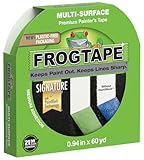
On the flip side, if you’re painting exterior surfaces, concrete, or rough-textured walls, you need something more solid. That’s where the green or sometimes orange tapes often come in. They have a stronger adhesive and a thicker backing that can withstand the elements and conform to irregular surfaces. But be warned: these are NOT for delicate interior jobs. That aggressive adhesive will likely leave residue or pull off paint on smooth surfaces.
Here’s a simple table summarizing my experience:
| Tape Color/Type | Best For | Potential Pitfalls | My Verdict |
|---|---|---|---|
| Standard Blue | Interior latex paint on drywall, trim, glass, primed wood. General use. | Can bleed on porous surfaces if not pressed down well. Might not stick well to textured walls. | My go-to for most interior jobs. Reliable, but check for good adhesion. |
| Delicate Surface (often purple/pink) | Wallpaper, freshly painted walls, delicate finishes. Low tack. | Not strong enough for rough surfaces or long exterior jobs. Can still bleed if edges aren’t perfectly sealed. | A lifesaver for tricky surfaces. Worth the extra cash to avoid damage. |
| Exterior/Rough Surface (often green/orange) | Brick, concrete, stucco, rough wood, exterior trim. High tack. | Will leave residue or damage paint on smooth interior surfaces. Overkill for most indoor projects. | The only thing that works on my old brick garage. Never use indoors. |
| High-Performance/Specialty (various colors) | Specific paint types (e.g., automotive, oil-based), high-heat applications. | Often expensive and overkill for standard house painting. | Only use if the paint manufacturer recommends it. |
The Art of Application: How to Make Painter’s Tape Stick (properly)
Knowing which tape to buy is only half the battle. The other, equally important half, is how you apply it. This is where most people, myself included in my early days, fall down. You can have the best tape in the world, but if you slap it on like a sticker, you’re inviting disaster.
First, clean your surface. This sounds obvious, but I can’t tell you how many times I’ve skipped this step on a quick job. Dust, grease, or even just a powdery residue from cleaning can prevent the adhesive from making full contact. A quick wipe with a damp cloth (and letting it dry completely!) can make a world of difference. For exterior jobs, blowing off loose debris is a must.
Second, press it down firmly. This is the MOST important part when you’re asking if does painters tape stay well. Don’t just run your finger along the edge. Use a putty knife, a credit card, or even the edge of your paint can lid to really press down the edge of the tape.
You want to make sure there are no gaps or air bubbles where paint can seep underneath. I always do a double-pass with my fingernail along the edge after using a tool. It takes an extra minute or two per section, but it’s the difference between a razor-sharp line and a blurry mess. I sometimes feel like I’m aggressively burnishing the tape, but that’s what it takes.
Third, apply tape to dry, cured surfaces. This is a big one. If you’re painting over a wall that was just painted, wait until it’s completely dry and cured. Manufacturers often have different recommendations, but ‘dry to touch’ is rarely ‘cured’. For latex paints, this can mean waiting 24 hours, or even several days for optimal adhesion. Taping over a soft paint job is a recipe for disaster, guaranteed. You’ll pull off paint along with the tape. Similarly, if you’ve washed a surface, make sure it’s bone dry. (See Also: Does Painters Tape Rip Paint Off Walls )
Finally, consider the humidity and temperature. High humidity can affect how well the adhesive grips and how long it takes to dry. Extreme temperatures can make the adhesive too soft or too brittle. I’ve found that on damp, muggy days, even the best tape seems to struggle to maintain its seal. It’s better to wait for a more temperate, dry day if you can.
Common Mistakes That Make Painter’s Tape Fail
Let’s be honest, we’ve all made them. These are the classic blunders that turn a simple paint job into a frustrating ordeal. If you’ve ever wondered why your painter’s tape failed, it’s probably one of these:
- Taping over Fresh Paint: As mentioned, this is probably the #1 killer of clean lines. Even if the paint feels dry, it might not be fully cured. It’s still soft and pliable. When you pull the tape, it brings a layer of paint with it. Patience is key here. Wait at least 24 hours, but ideally longer, for interior latex paints. For oil-based paints, wait even longer.
- Not Pressing Down the Edge: This is the silent killer. A tiny gap, an unseen air bubble, and suddenly you’ve got paint bleeding under the tape. I’ve seen people just lightly run their finger along the tape. That’s not enough. You need to seal that edge. Use a tool. Burnish it down. Make it one with the surface.
- Leaving Tape on Too Long: While painter’s tape is designed to be removed, leaving it on for days or weeks, especially in humid conditions or on certain surfaces, can cause the adhesive to become permanent or to damage the underlying paint. The general rule of thumb is to remove it while the paint is still slightly wet or at least within 24 hours of application. If the paint is fully dried, it’s often best to score the edge with a utility knife first to break the seal between the paint and the tape.
- Using the Wrong Tape for the Surface: Trying to use delicate surface tape on rough concrete will lead to it falling off. Using aggressive exterior tape on fine interior trim will leave residue and possibly pull off paint. Know your surface and choose accordingly.
- Rushing the Removal: Yanking the tape off quickly can cause paint to chip or tear. Always pull it off slowly and at an angle (around 45 degrees) away from the painted edge. This helps to break the seal gradually and cleanly. If it feels like it’s really sticking, try scoring the edge first.
Real-World Scenarios: When Does Painters Tape Stay Well?
I’ve used painter’s tape in so many different situations, it’s almost embarrassing. My old house had these bizarre textured walls in the living room that looked like popcorn ceiling had fallen onto the plaster. Trying to get a clean line where the wall met the ceiling was a nightmare. Standard blue tape would just fall into the valleys of the texture. I ended up using a really thick, almost foam-like tape that was designed for high-build textures. It cost about $25 for a roll, which felt insane, but it actually worked. It pressed into the texture and held on. It stayed well enough for the paint not to bleed through, but it still came off without damaging the ceiling paint.
Then there was the time I decided to paint a geometric pattern on a dresser I was refinishing. The dresser had a smooth, lacquered finish. I used what I thought was good quality blue tape, but after I applied the second color and let it dry for a few hours, I pulled the tape off and found fuzzy edges where the paint had crept under.
It turned out the lacquer was so smooth, the tape adhesive couldn’t get a proper grip, and the slight flexibility of the tape allowed tiny paint particles to wick under. I ended up having to re-sand and repaint that section, and this time I used a high-performance automotive masking tape that cost me nearly $40 for a small roll. It was overkill for sure, but it gave me the razor-sharp lines I wanted. It stayed put and created a perfect barrier.
On the other end of the spectrum, I was painting a small bathroom with expensive, delicate wallpaper. I used the purple ‘delicate surface’ tape. I pressed it down carefully, painted the trim, and removed it within a few hours. It came off cleanly, leaving no residue and, importantly, not damaging the paper. It stayed well enough for the job and was easy to remove. It was worth every penny. The key, as always, was careful application and choosing the right tape for the specific surface and paint.
Tips and Tricks for a Flawless Finish
After years of wrestling with this sticky stuff, I’ve picked up a few tricks that consistently help me get those perfect lines: (See Also: Does Masking Tape Work The Same As Painters Tape )
- The ‘Score and Pull’ Method: If you’re unsure about removing tape from a freshly painted surface, or if it feels like it’s really bonded, use a sharp utility knife or a razor blade to lightly score the edge where the tape meets the paint. Do this very carefully, just cutting through the paint line, not into the underlying surface. Then, pull the tape away at a 45-degree angle. This breaks any bond between the paint and the tape edge.
- Use a Sealant (Sometimes): For really important jobs where you absolutely cannot have bleed-through, some pros will apply a thin bead of the same paint you just used to the edge of the tape. Let it dry for a few minutes, then apply your second color. The idea is that the first thin coat seals the edge of the tape perfectly. I’ve tried this, and it can work, but it’s fiddly and adds time. It’s a pro move for a reason.
- Buy Quality, Buy Enough: Don’t skimp on tape. A cheap roll might seem like a bargain, but the frustration, extra work, and potential damage can cost you far more in the long run. Buy more tape than you think you’ll need; you’ll often use it to protect surfaces or for other quick fixes.
- Test in an Inconspicuous Area: If you’re working with a new type of paint, a delicate surface, or a questionable surface condition, always test the tape in a small, hidden spot first. Apply the tape, leave it for a while (or as long as you plan to leave it for the main job), and then remove it to see how it behaves. This can save you a lot of heartache.
- Don’t Forget About Masking Paper/Film: Painter’s tape is great for creating sharp lines, but it’s not designed to cover large areas. For protecting floors, furniture, or large sections of wall, use masking paper or plastic sheeting secured with painter’s tape. The tape is your edge-maker, the paper/film is your broad protection.
Does Painters Tape Leave Residue?
Yes, sometimes. While most painter’s tape is designed to leave minimal residue, it can happen. Factors like using the wrong type of tape for the surface (e.g., aggressive tape on delicate surfaces), leaving it on for too long, or applying it to dusty or oily surfaces can all lead to residue. High heat can also sometimes make the adhesive sticky. If you do get residue, rubbing alcohol or a specialized adhesive remover usually does the trick, but test it in an inconspicuous area first.
How Long Can You Leave Painters Tape on?
The general recommendation is to remove painter’s tape within 24 hours of application, or while the paint is still slightly wet. Leaving it on for extended periods, especially in humid conditions or on sensitive surfaces, can cause the adhesive to bond too strongly, potentially damaging the paint or leaving residue. Some specialty tapes are designed for longer application times, but always check the manufacturer’s guidelines.
What Is the Best Painter’s Tape for Delicate Surfaces?
Painter’s tape specifically labeled for “delicate surfaces” is your best bet. These often come in colors like purple or pink and use a low-tack adhesive. They are designed to stick lightly enough to create a barrier but be easily removable from wallpaper, freshly painted walls, or other sensitive finishes without causing damage. Always test in an inconspicuous area if you’re unsure.
Can I Use Painters Tape on Wood?
Yes, you can use painter’s tape on wood, but the type you use depends on the wood’s condition. For primed or painted wood trim, standard blue painter’s tape usually works well. If the wood is unpainted and has a natural finish, you’ll want to use a low-tack or delicate surface tape to avoid pulling off any finish or damaging the wood grain. Always make sure the surface is clean and dry before applying the tape.
What’s the Difference Between Blue and Green Painters Tape?
The primary difference is the strength of the adhesive and the tape’s backing. Blue painter’s tape is typically a general-purpose tape suitable for interior latex paints on most common surfaces. Green painter’s tape (and sometimes orange) usually has a stronger adhesive and a thicker backing, making it ideal for rougher surfaces like concrete, brick, or stucco, as well as exterior applications. Using green tape indoors on delicate surfaces can often lead to residue or paint damage.
Final Verdict
So, to circle back to the burning question: does painters tape stay well? It absolutely can, but it’s not a ‘set it and forget it’ situation. It requires understanding the product, the surface, and the technique. You can’t just grab any old roll and expect miracles. The right tape, applied with care and removed at the right time, is your best friend for achieving those crisp, professional-looking lines.
My advice? Don’t be afraid to spend a few extra bucks on quality tape, especially for important projects. Read the labels, consider the surface you’re painting, and for crying out loud, press that edge down like your finished product depends on it. Because, frankly, it does.
Next time you’re staring down a paint job, remember these lessons. Your walls (and your sanity) will thank you.