I remember the first time I tried to mask off a section of a fresh canvas for a sharp, graphic line. I grabbed the bright blue stuff that lived in my toolbox, the kind that promised to stick to anything and peel off clean. Big mistake. Huge. That little experiment cost me hours of painstaking cleanup and a few muttered curses that probably wouldn’t fly in polite company. So, when people ask me, ‘can you use painters tape on canvas,’ my immediate, gut reaction is a hesitant ‘maybe, but you need to know what you’re doing.’ It’s not as straightforward as it is on a wall or a piece of wood.
The reality is, canvas is a different beast. It’s absorbent, it has texture, and the paint itself can be delicate. What works like a charm on a smooth, sealed surface can turn into a sticky, paint-lifting disaster zone on stretched fabric. We’ve all seen those gorgeous, crisp lines in professional work, and it’s tempting to think a roll of tape from the hardware store is all you need. Spoiler alert: it’s not quite that simple.
The Big Question: Can You Use Painters Tape on Canvas?
Let’s cut to the chase. Yes, you can use painters tape on canvas, but it’s not a simple ‘slap it on and go’ situation.
This isn’t like taping a wall for a clean paint line. Canvas is porous, has a weave, and depending on its preparation, can be quite delicate. You’re not just dealing with a flat surface; you’re dealing with a woven material that drinks up paint and can be easily damaged. My first major screw-up with this involved trying to create some geometric shapes on a fairly standard cotton canvas.
I used medium-tack blue tape, thinking it was the safe bet. I pressed it down firmly, painted my stripes, and waited for it to dry.
As I pulled it off, a significant amount of the canvas weave came with it, taking bits of dried acrylic paint along for the ride. It looked like a topographical map of disaster.
I ended up having to gesso over the whole section and start again, which was a massive pain. It taught me that the type of tape, the type of canvas, and the preparation are all massive factors.
Many artists shy away from using tape altogether on canvas precisely because of these potential pitfalls. They opt for freehand lines, rulers and fine brushes, or masking fluid. And honestly, for certain effects or for extremely high-stakes pieces, that might be the safer route. But if you’re going for clean, hard edges and you want to use tape, you absolutely can, provided you treat it with respect and understand its limitations.
The goal is to create a barrier that seals effectively without adhering so strongly that it rips fibers or lifts underlying paint. It’s a balancing act, and one that often requires a bit of trial and error, something I’ve done far too much of in my own studio.
The common advice often simplifies this, suggesting any blue or green tape will do. I call that advice lazy, and potentially expensive for your art supplies.
What Kind of Tape Actually Works (and What to Avoid)
This is where most people go wrong. They see ‘painters tape’ and think any roll will do. Wrong.
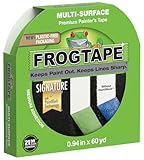
There are different adhesion levels for a reason. For canvas, you need to be thinking about the lower-tack varieties. Think of the delicate, almost salmon-pink or sometimes a pale yellow tape. These are generally designed for delicate surfaces like wallpaper, freshly painted walls that aren’t fully cured, or, yes, canvas.
The higher-tack tapes (the ubiquitous blue and green ones, though variations exist) are formulated to stick more aggressively. On a wall, that’s great. On canvas, it’s a recipe for ripped fibers and lifted paint. (See Also: Does Painters Tape Pull Off Paint )
I learned this the hard way, as I mentioned, with that disastrous blue tape incident. I’ve since experimented with several brands of low-tack tape, and while they all have slightly different feels, the principle remains the same: less aggressive adhesion is key.
What about specialty tapes? There are masking tapes specifically marketed for artists, often found in art supply stores.
These can be excellent, but they also come with a heftier price tag. For everyday use or if you’re just starting out, a good quality, low-tack general painters tape is usually sufficient. Avoid anything that feels overly sticky or leaves a gummy residue on your fingers when you touch the adhesive side.
If you can find a tape that’s specifically labeled for ‘delicate surfaces’ or has a very low tack rating, that’s your best bet. I’ve found that some of the generic ‘low tack’ tapes are still a bit too aggressive for canvas if you’re working with really thin paint layers or if the canvas has a very loose weave. The most common mistake I see is someone grabbing the roll they use for DIY home projects, and that’s usually the blue or green stuff.
Trust me, save yourself the heartbreak. The common advice that ‘all painters tape is the same’ is flat-out wrong and will cost you time and money fixing mistakes.
Always check the packaging for its intended use and tack level.
| Tape Type | Adhesion Level | Best For | Verdict for Canvas |
|---|---|---|---|
| Standard Blue/Green Tape | Medium to High | Walls, trim, general masking | Risky. High chance of lifting paint/fibers. Use with extreme caution, if at all. |
| Low-Tack/Delicate Surface Tape (often pink/yellow) | Low | Wallpaper, delicate paints, canvas, specialty finishes | Recommended. This is your go-to for clean lines on canvas. |
| Artist-Specific Masking Tape | Varies (often low to medium) | Fine art applications, masking areas for detail work | Excellent, but can be pricey. A reliable option if budget allows. |
| Gaffer Tape/Duct Tape | Very High | Securing cables, heavy-duty repairs | Absolutely not. Will damage canvas and paint severely. |
How to Apply Painters Tape to Canvas Without Ruining Everything
Okay, so you’ve got your low-tack tape. Now what?
The application process is just as important as the tape itself. First, make sure your underlying paint layer is completely dry.
I mean bone dry, not just touch dry. If you’re working with acrylics, this might mean waiting 24 hours or more, depending on humidity and paint thickness.
Oils will obviously take longer. Any tackiness left in the paint will likely grab onto the tape and pull away when you remove it.
Second, when you apply the tape, don’t press down with the force of a thousand suns. You want it to adhere, but not so much that it sinks into the canvas weave and creates an impenetrable seal. Gently smooth it down with your fingers or a plastic burnishing tool. Avoid using anything metal or sharp that could snag the canvas fibers.
Here’s a trick I learned that’s a big deal: after you press the tape down, go over the edge of the tape that will meet your painted area with a fingernail or a plastic burnisher. You’re basically trying to create a small, raised edge or a slightly compressed line where the paint will meet the tape. (See Also: Does Painters Tape Rip Paint Off Walls )
This helps to ‘seal’ that edge against bleed-through from the paint you’re about to apply. It’s a simple step, but it makes a noticeable difference. Another important step, especially with acrylics, is to apply your next layer of paint in thin coats. Thick, goopy paint is more likely to seep under the tape or pull away from the canvas itself when the tape is removed.
Think thin, even layers. I usually do three or four thin coats rather than one thick one. This takes longer, but the results are so much cleaner.
It’s the opposite of rushing the process, which is often where mistakes happen when you’re impatient. Patience is truly a virtue with this technique.
The Important Step: Removing the Tape
This is the moment of truth, and frankly, it’s where my anxiety used to spike. You’ve done all the prep, you’ve applied the tape carefully, you’ve waited for the paint to dry, and now you have to pull it all off. The single most important rule here is to remove the tape while the new paint is still slightly wet.
Not so wet that it smears, but wet enough that the paint hasn’t fully cured and hardened onto the tape edge. If you wait until the paint is bone dry and fully cured, it can form a micro-bond with the tape, and when you pull, it’ll bring bits of your beautiful new paint job with it.
This is the exact opposite of what you want. I’ve found that for acrylics, pulling it off when the top layer of paint is no longer glossy but still has a little give is the sweet spot.
For oils, you might have a bit more flexibility, but the principle of removing it before it’s fully rock-hard still applies.
When you pull, do it slowly and at a shallow angle, pulling the tape back on itself rather than straight up. Imagine you’re peeling a sticker off a delicate surface – you wouldn’t yank it up vertically. You’d pull it back at an angle, easing it away. This reduces the upward force on the canvas fibers and the paint.
If you encounter any resistance, or if you see paint starting to lift, stop. Try to gently coax the tape away or even use a fine craft knife to score the edge where the paint meets the tape very carefully. This is a last resort, but it can save a section. Honestly, sometimes you just have to accept that a tiny bit of bleed-through or lifting might happen.
It’s the nature of working with tape on a textured surface. My first few attempts were littered with these imperfections, and for a while, I thought I’d never get clean lines. But with practice, and sticking to low-tack tape and the wet-removal technique, I’ve gotten significantly better. It’s about learning the rhythm of the materials.
Real-World Use Cases and When to Just Say No
So, when is using painters tape on canvas a good idea? It’s fantastic for creating clean, hard-edged geometric designs. Think abstract pieces with sharp divisions of color, or graphic elements that need precise boundaries. If you’re working on a piece where you’ve already got a base layer of paint and you want to mask off an area to apply a different color or texture without them bleeding into each other, tape can be your best friend.
I’ve used it to create sharp borders for faux wood grain effects or to define areas for stenciling. It’s also helpful if you’re experimenting with different mediums and want to keep them contained within a specific area. For example, if you’re applying a heavy texture paste in one spot and want to make sure it doesn’t spread, tape can define that boundary. (See Also: Does Masking Tape Work The Same As Painters Tape )
The key is always preparation and the right tape.
However, there are times when I’d absolutely advise against it. If your canvas has a very rough, prominent weave, especially if it’s an unprimed or poorly primed canvas, tape is going to be a nightmare. The tape will sink into those deep valleys, and no amount of careful application or removal will guarantee a clean line. In such cases, masking fluid or a fine brush and steady hand is a much better option.
Also, if the piece you’re working on is incredibly delicate or represents a significant investment, the risk might not be worth the reward. I’ve seen artists who are masters of freehand linework and they never touch tape, and their work is stunning.
Don’t feel pressured to use tape if it doesn’t feel right for your style or the specific piece. My own journey involved trying to force tape onto a canvas where it just wasn’t suited, and that was a lesson in humility. Sometimes, the simplest tools are the best, and sometimes, the most common tool needs a lot more finesse than you’d think.
People Also Ask:
Will Painters Tape Ruin a Canvas?
Painters tape can ruin a canvas if you use the wrong type, apply it too aggressively, or remove it improperly. High-tack tapes are the biggest culprits, as they can lift paint and even tear the canvas fibers. Always opt for low-tack or delicate surface tapes and remove them gently, ideally when the applied paint is still slightly wet.
Does Blue Tape Stick to Canvas?
Yes, blue painters tape will stick to canvas, but that doesn’t mean it’s a good idea. Its adhesion is often too strong for the delicate surface of canvas, leading to paint lifting or fiber damage. While it sticks, it’s a risky choice for achieving clean lines without damage.
What Tape Is Best for Masking on Canvas?
The best tape for masking on canvas is low-tack or delicate surface tape, often found in pink or yellow hues. These tapes offer sufficient adhesion to create a seal without being so sticky that they damage the canvas fibers or lift existing paint. Artist-specific masking tapes are also a good, though often more expensive, option.
Can You Use Masking Tape on Acrylic Paint on Canvas?
Yes, you can use masking tape on acrylic paint on canvas, but only with caution and the right tape. Low-tack masking tape is key, and it’s important to make sure the acrylic paint is completely dry before applying the tape. For removal, it’s best to do so while the newly applied paint is still slightly wet to prevent lifting the underlying acrylic layer.
Can You Use Painters Tape on a Primed Canvas?
Yes, you can use painters tape on a primed canvas, but the same rules apply as with unprimed canvas. Priming helps to seal the canvas fibers to some extent, but the surface is still delicate. Always use low-tack tape and apply and remove it carefully to avoid damaging the primer or the canvas weave.
Final Verdict
So, to circle back to the question: can you use painters tape on canvas? My honest answer, after years of fumbling through this myself, is yes, but with significant caveats. It’s not a simple tool for a simple job when it comes to canvas. You need the right tape – low-tack, always – and you need to approach the application and removal with a gentle hand and a healthy dose of patience. Rushing the process or using the wrong material is a surefire way to end up with a mess you’ll regret.
Think of it as a precision tool that requires finesse. If you’re aiming for those crisp, graphic lines that are so popular in contemporary art, tape can get you there. But be prepared for a learning curve. Test your tape on a scrap piece of canvas first, understand the drying times of your paints, and remember to pull the tape while the fresh paint still has a little give. Don’t expect perfection on your first try. And if all else fails, or if the texture of your canvas is too rough, there are always other methods like masking fluid or freehand work.