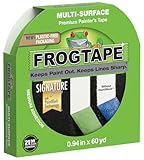
I remember the first time I tried to mask off a section on my watercolor paper. I’d spent hours on this piece, a landscape with a tricky, bright sky, and I wanted a crisp horizon line. I grabbed the roll of blue tape sitting on my desk, figured it was all the same, and pressed it down. Big mistake. When I peeled it off later, it ripped a chunk of my precious paper right with it. So, can you use painters tape on watercolor paper? The short answer is… it’s complicated, and you need to be damn careful.
Most of us, myself included, have a roll of blue or green tape lying around for various DIY projects. It seems like a no-brainer for masking off areas in a painting, right? It’s cheap, readily available, and promises clean lines. But watercolor paper is a different beast entirely, and not all tapes are created equal when it comes to delicate surfaces like this.
The Tape Trap: Why Your Regular Masking Tape Might Be a Disaster
Look, I’ve been there. You’re in the zone, painting away, and you realize you need a hard edge. Your mind immediately goes to that roll of blue tape. It’s blue, it’s for painting, so it must be fine. Wrong. So many people think this is a simple yes, but it’s really a ‘yes, but only if…’ situation. The biggest culprit is the adhesive. Standard blue or green painters tape, the kind you buy at any hardware store for fifty bucks a roll, often has an adhesive that’s too strong for the delicate fibers of watercolor paper, especially if that paper has a toothy surface or is lighter weight.
When I first started, I was constantly battling lifting paint, torn paper, and fuzzy edges that looked like I’d sneezed onto the canvas. I’d meticulously paint a section, let it dry, and then pull off the tape, only to find little bits of paper stuck to the tape, or worse, a ragged tear where the tape had been.
It was infuriating. I spent so much money on good quality watercolor paper, only to ruin it with a $5 roll of tape.
It felt like a cruel joke. This isn’t just about aesthetic flaws; sometimes the damage is so bad that the painting is effectively ruined and has to be tossed.
I’ve definitely had pieces end up in the bin because of tape-related mishaps. It’s a lesson learned the hard way, and one I’m happy to share so you don’t have to go through the same frustration and wasted materials.
What to Look for (and Avoid) in Tape for Watercolors
Okay, so not all tape is created equal. For watercolor paper, you need to be looking for specific qualities, and that means reading labels and doing a little homework. The general rule of thumb is: the weaker the adhesive, the better. But ‘weak’ isn’t always clearly stated. You’re often looking for terms like ‘delicate surface’ or ‘low tack’. Some brands specifically market tapes for watercolor or other delicate art surfaces. These are your friends. They’ve formulated their adhesive to be strong enough to hold but gentle enough not to rip your paper to shreds or leave behind sticky residue.
One of the best indicators is the color. While not a foolproof rule, the brighter, more vibrant colors like standard blue or green tend to have a stronger adhesive. The more muted tones, like a pale yellow or a beige, often signal a weaker, more forgiving tack. I’ve found that masking tape designed for crafting or specifically for artists is usually a safer bet.
It’s often a bit more expensive, yeah, but when you factor in the cost of good watercolor paper and the time you invest in a piece, a few extra dollars for tape that won’t destroy your work is a no-brainer. I’ve also learned to test the tape on a scrap piece of the same watercolor paper I’m using. (See Also: Does Painters Tape Pull Off Paint )
Just stick a small piece down, leave it for a few minutes, and then gently peel it off. If it pulls up fibers or feels like it’s really digging in, it’s probably too strong.
My Personal Tape Verdict Table
| Tape Type | Adhesive Strength | Risk to Watercolor Paper | Verdict |
|---|---|---|---|
| Standard Blue/Green Painters Tape | Medium-High | High | Avoid unless tested thoroughly on scrap paper. Often too aggressive. |
| Yellow Artist’s Tape | Low | Low | Generally safe and recommended for artists. |
| Pink/Purple Delicate Surface Tape | Very Low | Very Low | Excellent for very sensitive papers or multiple layers. Can be pricier. |
| Washi Tape (Paper-based, low tack) | Low | Low | Good for decorative masking, but can bleed if not sealed. |
| Scotch Tape/Clear Office Tape | High | Very High | Never use on watercolor paper. Will rip and leave residue. |
The Contrarion View: Why Some People Swear by Standard Painters Tape
Now, here’s where I go against the grain a bit. You’ll see a lot of artists online, and even some instructors, who say, ‘Oh yeah, just use blue painters tape. It’s fine.’ And for some people, with some types of paper, and some specific brands of tape, it can be fine. I disagree. My experience has shown me that relying on standard painters tape is just asking for trouble, and it’s a gamble you don’t need to take when there are safer alternatives available.
The reason some folks get away with it is often down to a combination of factors. Firstly, the paper itself. Heavier weight papers, like 300lb cold press, have much tougher fibers and are more forgiving than lighter papers or papers with a smoother surface (hot press). Secondly, their technique.
They might apply the tape very lightly, perhaps pressing it down with a bone folder instead of their finger, or they might be using it for very short periods. Some people also apply a fixative or a layer of acrylic medium over the tape edge to seal it before applying watercolor, which creates a barrier.
I’ve even heard of artists using a heat gun to gently warm the tape and soften the adhesive before peeling. These are all extra steps, extra variables, and frankly, extra chances for something to go wrong. Why add all that complexity when you can just use tape designed for the job?
My contrarian stance is this: If you’re going to invest time and money into your art, why take an unnecessary risk? The cost difference between a roll of standard painters tape and a roll of artist-grade low-tack tape is minimal when you consider the potential damage. It’s like buying a cheap, flimsy frame for a valuable painting. It might hold it up for a while, but it’s always a potential point of failure. I’d rather spend that extra dollar or two and have peace of mind.
The Real Deal: How to Actually Use Tape on Watercolor Paper
So, you’ve decided to give tape a go, or you’ve bought some fancy artist tape. How do you actually do it without causing a paper catastrophe? The first, and most important, step is always to test. Grab a scrap piece of the exact same watercolor paper you’re working on. Stick a piece of tape down, press it firmly but not aggressively, and then leave it for a bit – maybe 15-30 minutes. Then, peel it back slowly and at an angle. Watch for any signs of damage: lifting paper fibers, tearing, or residue. If it passes the test, great. If not, put that roll back on the shelf and try another.
When you’re ready to tape your actual artwork, apply the tape carefully. Avoid pressing down with your fingernails, which can snag fibers.
Instead, use a tool like a bone folder or the edge of a credit card to smooth the tape down. The goal is to create a seal without embedding the adhesive too deeply into the paper’s surface. After you’ve applied your watercolor washes and they’re completely dry – and I mean bone dry, not just surface dry – it’s time for the moment of truth. (See Also: Does Painters Tape Rip Paint Off Walls )
Peel the tape off slowly and at a very shallow angle, almost parallel to the paper. You can try gently pulling it back on itself, or pulling it away from the painted edge. If you feel any resistance, stop.
Try wiggling it gently or even using a hairdryer on a low, cool setting to slightly warm the adhesive and make it more pliable. Patience is key here. Rushing the tape removal is another common mistake that leads to ripped paper.
A Simple Process for Taping Watercolor Paper
- Choose the Right Tape: Opt for low-tack or artist-specific tapes.
- Test on Scrap: Always test on a sample piece of your watercolor paper first.
- Apply Carefully: Use a tool to press down the tape, avoiding fingernails.
- Seal the Edge (Optional but Recommended): Lightly brush a thin layer of clear acrylic medium or even diluted PVA glue along the tape edge after the tape is applied and before painting. Let this seal dry completely. This creates a barrier that watercolor can’t seep under and protects the paper fibers.
- Paint Your Washes: Apply your watercolor as usual.
- Dry Thoroughly: Make sure all paint is completely dry before removing the tape.
- Remove Slowly and at an Angle: Peel the tape back at a very shallow angle, almost parallel to the paper surface.
- Gentle Persuasion: If there’s resistance, try a hairdryer on a cool setting or very gently wiggle the tape.
Common Mistakes That Ruin Your Paper (and Your Painting)
Beyond just using the wrong kind of tape, there are a bunch of other classic blunders people make that send their precious watercolor paper to an early grave. One I see all the time is applying the tape when the paper is already damp or wet.
Watercolor paper is weakest when it’s wet. The fibers swell and become incredibly fragile.
If you try to stick tape to wet paper, you’re asking for it to tear when you remove it. Always make sure your paper is completely dry before applying tape, and let your painted layers dry thoroughly before attempting to remove the tape. I’ve learned to be brutally patient with drying times.
If a section looks dry but feels a little cool to the touch, it might still be holding moisture within the paper fibers.
Another mistake is using tape for too long. Leaving tape on for days or weeks can sometimes cause the adhesive to become more aggressive or bond more strongly to the paper fibers, making removal harder. If you’re planning a multi-day painting session where you need to mask off areas for extended periods, you might need to look into more specialized masking fluids or techniques rather than relying on tape alone.
Also, the pressure applied is a big one. People often press down too hard, thinking they need an airtight seal. While you do need a good seal to prevent paint bleed, you don’t need to press hard enough to embed the tape’s adhesive into the paper’s structure.
Think of it as a gentle, firm press, not a deep commitment. (See Also: Does Masking Tape Work The Same As Painters Tape )
And then there’s the sheer impatience. The urge to just rip the tape off as soon as the paint is dry is powerful. But watercolor paint, especially if it’s been applied thickly or with certain pigments, can adhere to the tape slightly. If you pull too fast, you’re pulling off paint as well as tape.
This leads to those fuzzy, uneven edges that look unprofessional. Take your time, peel slowly, and if there’s even a slight pull, stop and reassess. It’s far better to have a slightly less crisp edge that’s intact than a torn mess.
I once rushed the removal of tape on a commissioned piece, and the resulting jagged line looked like a bad haircut. I had to spend ages carefully lifting color to try and soften the edge, and it never quite looked right.
The Faq: Your Burning Questions About Tape and Watercolor Answered
What Is the Best Tape for Watercolor Paper?
The best tape for watercolor paper is generally a low-tack masking tape specifically designed for delicate surfaces or for artists. Brands like 3M (their blue delicate surface tape is often better than their standard blue), Tesa, or specialized art brands like Lineco or Winsor & Newton offer tapes that are formulated with gentler adhesives. Yellow artist tape is often a good, reliable choice. Always test on a scrap piece of your paper before using it on your actual artwork.
Can I Use Regular Blue Painters Tape on Watercolor Paper?
You can use regular blue painters tape, but it’s risky and not recommended, especially for beginners or those using high-quality, softer watercolor papers. Standard blue tape often has an adhesive that is too strong and can lift paper fibers, tear the paper, or leave behind sticky residue. If you must use it, test it thoroughly on scrap paper first, apply it gently, and consider using techniques like sealing the edge with acrylic medium or warming the tape before removal.
Will Tape Ruin My Watercolor Paper?
Yes, tape can ruin your watercolor paper if you use the wrong type of tape, apply it too aggressively, or remove it improperly. Aggressive adhesives can tear the paper, lift off its surface sizing (which affects how the watercolor behaves), or leave behind sticky residue. Paper that is wet or damp is also much more susceptible to damage from tape. Always use low-tack tape and remove it carefully and slowly.
What Happens If I Leave Tape on Too Long?
Leaving tape on watercolor paper for extended periods, sometimes days or weeks, can cause the adhesive to cure or bond more strongly to the paper fibers. This makes it much harder and riskier to remove, increasing the likelihood of tearing the paper or leaving behind residue. It’s best to remove tape as soon as your painted layers are completely dry and you no longer need the masked-off area.
Final Verdict
So, to circle back to the big question: can you use painters tape on watercolor paper? Yes, but with extreme caution and a strong preference for specialized artist tapes. The potential for disaster with standard blue or green tape is just too high to ignore if you value your paper and your artwork. My advice is simple: don’t gamble with your art. Invest in the right tools, and that includes tape that won’t betray you when you peel it away.
If you’re just starting out or you’re working on important pieces, I’d steer you clear of the cheap hardware store stuff entirely. Get yourself some yellow artist tape or a delicate surface tape. Test it on scraps first, no matter what. Learn the gentle removal technique. It takes a little more thought and a few more dollars, but the peace of mind and the integrity of your paper are absolutely worth it. Your future self, staring at a perfectly crisp edge instead of a torn mess, will thank you.
Consider this your gentle nudge to check your tape stash before your next painting session. What kind of tape are you using right now for your masking?