I’ve wasted enough cash on specialized art supplies that turned out to be glorified versions of stuff I already had in my toolbox. It’s a tale as old as time, right? You’re deep into a project, maybe a complex illustration or a meticulously planned papercraft, and you need to secure something down without it shifting an inch.
The fancy art store guy points you towards some ‘archival drafting dots’ that cost more than my last oil change. But then you look at that roll of blue tape sitting in your garage and think, ‘Hold on a second… can you use painters tape instead of drafting dots?’ I’ve been there, staring at both, wondering if I’m about to make a costly mistake or a genius discovery.
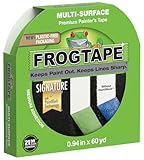
Let’s cut to the chase: the short answer is usually yes, but with some serious caveats you absolutely need to know before you go ripping off a sheet of FrogTape and sticking your precious work to it.
The Real Deal: Painters Tape vs. Drafting Dots
Okay, so what’s the big difference between those little sticky circles and the tape you use to keep paint off your baseboards? It boils down to two main things: adhesion and residue. Drafting dots are designed to be repositionable and leave zero residue on most surfaces, especially paper.
They’re formulated for delicate materials and for artists who need to be able to peel something up and stick it back down a dozen times without causing damage. Think of them as gentle hugs for your paper.
Painters tape, on the other hand, is designed to stick firmly to a variety of surfaces (walls, trim, glass) for a period of time, and then be removed without pulling off paint. It’s more of a firm handshake.
The adhesion level varies wildly depending on the brand and type of painters tape – you’ve got your delicate surface tape (which is closer to drafting dots), your standard blue tape, and then the heavy-duty stuff that could probably hold a car door shut.
I remember my first time trying to substitute. I was working on a big watercolor and needed to mask off a section for a hard edge. I grabbed my trusty roll of standard blue painters tape. I pressed it down firmly, thinking, ‘This is fine, it’s meant to come off cleanly.’ Big mistake. When I peeled it up after the paint dried, it took a thin layer of my watercolor paper with it, leaving fuzzy, ripped edges. It looked like a cat had attacked it. That was an expensive lesson, and it taught me that not all painters tape is created equal, and certainly not all paper is forgiving.
The key thing to remember is that drafting dots are purpose-built for precision and minimal impact. They’re often made with a specific type of adhesive that cures slowly and is designed to lift cleanly. Painters tape, even the good stuff, has a stronger bond and can be more aggressive, especially on delicate paper surfaces. The ‘painters tape’ category itself is a minefield of different formulations. Some are designed for delicate surfaces and claim to remove cleanly after a certain period – these are your best bet for a substitute. Others are for more solid surfaces and will likely cause damage if you’re not careful. (See Also: Does Painters Tape Pull Off Paint )
When the Substitute Might Actually Work (and When to Run Screaming)
So, can you use painters tape instead of drafting dots? Yes, but only under specific circumstances and with a healthy dose of caution. Your success hinges on a few factors: the type of painters tape you’re using, the surface you’re sticking it to, and how long it’s going to be there. If you’re using a high-quality ‘delicate surface’ painters tape – the kind that’s often purple or light blue and specifically says it removes cleanly from walls and wallpaper – you have a much better chance. These tapes have a milder adhesive designed for sensitive finishes, which mimics the gentle nature of drafting dots more closely.
The material you’re working with is also a huge factor. If you’re mounting a photograph onto cardstock, or securing heavy-duty cardstock for a craft project, standard blue painters tape might be just fine, especially if you’re not planning on removing it for a while or if the surface isn’t particularly delicate. You’re not dealing with the thin, easily torn fibers of fine art paper. However, if you’re working with anything that has a tooth, a textured surface, or is prone to tearing – like watercolor paper, illustration board, or even some types of drawing paper – you’re treading on thin ice. The adhesive can grab onto those textured fibers and rip them right off, leaving you with a mess you can’t fix.
One of my personal pet peeves is when people recommend using any old masking tape. Masking tape is often much stickier and leaves a gummy residue that is a nightmare to get off. It’s a one-way ticket to ruining your artwork.
So, if you’re going to experiment, reach for the stuff that explicitly says ‘delicate surface’ or ‘low tack’ on the label. Even then, a patch test is your best friend. Stick a small piece of tape on an inconspicuous area of your material, leave it for the duration you’d expect your project to need it, and then try removing it.
This is the only way to truly know if it’s going to work for your specific situation. Don’t just assume.
Patch Testing Is a Must
Seriously, if you’re going to try this experiment, do a patch test. It’s not optional. Find an edge or a scrap piece of the same material you’re using for your project. Apply the painters tape exactly as you would for your actual work. Leave it on for the same amount of time. Then, remove it slowly and at an angle, just as you would when you’re done. What you’re looking for is any sign of tearing, lifting of the paper surface, or residue left behind. If you see any of that, put the painters tape back in the toolbox and look for a proper alternative.
Common Mistakes and How to Avoid Them
The biggest mistake I see people make when trying to use painters tape instead of drafting dots is assuming all painters tape is the same. As I’ve hammered home, it’s not. You’ve got delicate surface tape, general purpose blue tape, and heavy-duty tapes. Using the wrong type is a recipe for disaster. The ‘delicate surface’ tapes are formulated for minimal tack, meaning they won’t grab onto sensitive materials as aggressively. Standard blue tape? It’s designed to adhere to painted surfaces and be removed without damaging the paint. That’s a different job than holding paper down without damage. It’s stronger, and while it might come off cleanly from some papers, it’s a gamble.
Another common pitfall is leaving the tape on for too long. Even ‘delicate surface’ tapes can become more aggressive over time, especially in humid conditions or if they get wet. The adhesive can cure or become ‘stickier’ as it sits. Drafting dots are usually designed for longer-term tackiness without degradation. If you’re masking for a watercolor wash, you typically want to remove the tape while the paper is still slightly damp or immediately after drying. Leaving it on for hours or days is asking for trouble, regardless of the tape type. Think of it like a temporary relationship; don’t overcommit. (See Also: Does Painters Tape Rip Paint Off Walls )
People also forget about the surface itself. If you’re working on a smooth, coated paper, painters tape might be less likely to cause damage than on a rough, fibrous paper with a lot of tooth. The tape’s adhesive can get caught in those paper fibers. And then there’s the application pressure.
Pressing down too hard on standard painters tape can force the adhesive deeper into the paper’s surface, making it harder to remove cleanly. Gentle but firm pressure is usually best. My rule of thumb?
Always test first. If you’re going to use painters tape, grab a roll of the ‘delicate surface’ variety and test it on a scrap piece of your actual paper.
Let it sit for a day, then try removing it. If it tears or leaves residue, it’s not worth the risk.
Real-World Use Cases: When It Might Actually Fly
So, when does the painters tape hack actually make sense? Let’s talk practical applications. If you’re doing something like assembling a cardboard model or a paper diorama where the surface isn’t particularly delicate and you don’t need museum-quality preservation, standard blue painters tape might do the trick. For instance, I’ve used it to temporarily hold pieces of thick cardstock together while glue dries on a model airplane kit. The cardstock is solid, and I’m not worried about a slight bit of residue or a minor fiber lift. It’s about function over archival quality.
Another area where it can work is in mixed-media projects where you’re layering different materials and the painted tape edge isn’t the final look. If you’re applying gesso or a heavy acrylic medium over a masked area, and then plan to paint over that section anyway, the slight roughness left by a clean peel of delicate surface painters tape might not even be noticeable once you add more layers. It’s less about the pristine edge and more about creating a defined area for your next step. I’ve used it to mask off sections for spray paint applications on canvas before doing detailed work. The key here is that the tape isn’t the final element; it’s a tool for a specific step.
Here’s a slightly more niche but totally valid use: when you’re securing a stencil to a surface. If you’re using a plastic stencil on a wooden surface, a piece of standard painters tape is often perfect for holding it in place. The wood can handle a bit more aggression than paper, and the tape will keep the stencil from shifting while you apply paint or ink. It’s a much cheaper alternative to dedicated stencil adhesives in many cases. The key differentiator in all these scenarios is that the paper or surface is either solid enough to handle a slightly stronger adhesive, or the imperfection left by the tape isn’t a deal-breaker for the final outcome.
| Method | Adhesion Level | Residue Likelihood | Surface Suitability | Opinion/Verdict |
|---|---|---|---|---|
| Drafting Dots | Low to Medium (Repositionable) | Very Low | Excellent (Paper, delicate surfaces) | The gold standard for artists. Expensive but reliable. |
| Delicate Surface Painters Tape | Low to Medium (Designed for clean removal) | Low | Good (Most painted surfaces, some papers) | A decent, more affordable alternative if tested. |
| Standard Blue Painters Tape | Medium to High | Medium (Can leave residue on paper) | Fair (Solid surfaces, some cardstock) | Risky for delicate art, better for general crafts. |
| Heavy-Duty Painters Tape | High to Very High | High (Likely to damage paper) | Poor (Not for art paper or sensitive finishes) | Avoid for any art or delicate applications. |
| Masking Tape | High to Very High | Very High (Gummy residue) | Poor (Likely to cause damage) | Absolute last resort, usually a bad idea. |
The Unpopular Opinion: Why It’s Usually Not Worth the Risk
Okay, here’s the hot take. Everyone’s always looking for a shortcut, a cheaper way to do things. And sure, you can use painters tape instead of drafting dots, technically. But for anyone who cares even a little bit about the quality of their final artwork, or about avoiding frustration, I’m going to tell you straight up: it’s usually not worth the risk. Drafting dots aren’t some absurd luxury item; they are engineered for a specific purpose that painters tape, even the good stuff, doesn’t perfectly replicate. (See Also: Does Masking Tape Work The Same As Painters Tape )
I’ve spent hours trying to fix paper damage caused by tape. I’ve tried picking off sticky residue with erasers, using adhesive removers that sometimes make things worse, and carefully trying to flatten torn fibers. It’s often a losing battle. The time spent trying to salvage a project that’s been marred by a cheap substitute often outweighs the cost of buying the proper materials in the first place. Think about the cost of your paper, your inks, your paints. Are you really going to risk all that for a few dollars saved on tape or dots?
My personal experience confirms this. I tried substituting with painters tape for a series of linocuts. I wanted sharp, clean edges for the ink. I used the ‘delicate surface’ kind. It worked okay for the first pull, but subsequent pulls where the paper was slightly damp with ink caused the tape to lift unevenly, leaving a jagged, fuzzy line that looked like a bad haircut. The proper drafting dots would have stayed put and given me that crisp edge I needed. It was a stark reminder that sometimes, paying for the right tool saves you more in the long run, both in money and sanity.
Faq: Your Burning Questions Answered
Can Painters Tape Damage Watercolor Paper?
Yes, it absolutely can. Standard painters tape has an adhesive that is too strong for the delicate fibers of watercolor paper. It can lift the paper surface, cause tearing, and leave behind a gummy residue that is difficult to remove. Even ‘delicate surface’ painters tape can pose a risk if left on too long or applied to very rough papers. It’s always best to test on a scrap piece first.
Will Painters Tape Leave Residue on Paper?
It depends on the type of painters tape and the paper. Standard blue painters tape is more likely to leave a residue, especially on textured or absorbent papers. Delicate surface tapes are designed to minimize residue, but it’s not always guaranteed, particularly if the tape has been on the surface for an extended period or under adverse conditions like humidity. Drafting dots are specifically formulated to avoid leaving any residue.
What Is a Good Substitute for Drafting Dots?
The best substitutes are other low-tack, repositionable adhesives. Some artists use specialized repositionable spray adhesives for stencils or masks, applied lightly. Alternatively, you can find certain types of artist’s tape that mimic the properties of drafting dots. If you must use painters tape, opt for ‘delicate surface’ varieties, but always perform a patch test. For general crafting where archival quality isn’t a concern, other low-tack tapes might suffice.
How Long Can I Leave Delicate Surface Painters Tape on Paper?
While ‘delicate surface’ painters tape is designed for cleaner removal, it’s generally not recommended to leave it on paper for extended periods, especially for important artwork. For masking watercolor washes, it’s best to remove it while the paper is still slightly damp or immediately after drying. For other projects, aim to remove it within 24 hours, and always test its longevity on a scrap piece beforehand.
Verdict
So, after all that, can you use painters tape instead of drafting dots? My honest opinion, based on years of messing around with different supplies, is that while you can, it’s a gamble most of the time, especially if you’re working with good paper or need a really clean, professional finish. The risk of damaging your surface, leaving residue, or getting an uneven edge is just too high for me to recommend it as a standard practice.
If you’re in a pinch and all you have is some delicate surface painters tape, and the project isn’t something you’d cry over if it got slightly damaged, then go for it. Just remember that patch test. Seriously, do it. Apply it, leave it, peel it. See what happens. For anything important, though, save yourself the potential heartache and frustration. Investing in actual drafting dots or high-quality artist’s tape designed for the job will save you time, money, and a whole lot of headaches in the long run.
The next time you’re at the art supply store, grab a small pack of drafting dots. They might seem small and pricey, but their reliability is worth its weight in gold when you need it. Or, if you’re determined to find a painters tape solution, seek out the purple ‘delicate surface’ kind and get ready to experiment thoroughly on scrap materials before committing to your main project.