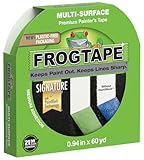
I remember the first time I tried to secure a valuable comic book in its bag, and my hands were shaking. I’d just dropped a wad of cash on a rare issue, and the last thing I wanted was for it to get damaged. I grabbed the nearest tape – some generic clear stuff – and ended up with a sticky, wrinkled mess that I’m still peeling off years later. It made me wonder, can you use painters tape on comic book bags? It seems like a logical thought for anyone trying to protect their treasures without ruining them.
The struggle is real when you’re dealing with fragile collectibles. You need something that holds, but doesn’t damage. It’s a fine line, and one I’ve definitely crossed in my time.
Why You’re Even Asking About Painters Tape
Look, nobody wants to mess up their comics. When you invest in a nice comic book, whether it’s for reading, collecting, or just because it looks cool, you want to keep it pristine. That means bagging and boarding it. But the real pain point? How do you seal that bag shut without it looking like a sticky disaster zone or, worse, damaging the bag itself? I’ve spent way too much time wrestling with rolls of tape that refuse to cooperate, leaving behind residue that’s a nightmare to remove, or tearing the delicate plastic. It’s enough to make you want to give up and just stack them all in a dusty box, which is obviously not the answer.
So, naturally, your mind wanders to other types of tape. Specifically, painters tape. It’s designed to be removed easily without damaging surfaces, right? That’s the sales pitch. It comes in different strengths, from the super-gentle blue stuff to the more solid green or yellow. It’s often used for delicate surfaces like painted walls, wood floors, and even upholstery. The idea is you can apply it, paint away from the line, and then peel it off cleanly. If it can do that, surely it can handle a thin layer of Mylar or polypropylene. This is the logic that leads people down the rabbit hole of wondering, can you use painters tape on comic book bags?
I remember one particularly frustrating evening trying to seal up a stack of vintage X-Men issues. I’d bought these fancy, thicker comic bags, thinking they’d be superior. But they were just slightly too big, and the standard packing tape I was using kept buckling and sticking to itself. In a moment of sheer desperation, I grabbed the roll of blue painters tape I had left over from a minor wall repair.
I figured, ‘What’s the worst that could happen?’ Famous last words, right? I needed a way to secure the flap, and this seemed like the least aggressive option available. The hope was for a clean seal that wouldn’t leave a gummy trail or tear the bag when I inevitably had to open it later to swap out a board.
The core appeal of painters tape for this purpose is its supposed low-tack adhesion. We’re not talking about duct tape here.
We’re talking about something engineered for easy removal. This is especially appealing when dealing with the thin, often static-clingy plastic of comic book bags. You don’t want to pull so hard that you rip the bag, or worse, snag the comic itself if it’s close to the opening. The common advice online often leans towards specialized archival tape or even just standard Scotch tape, but I’ve found those can be just as problematic.
Scotch tape, especially the cheaper varieties, can yellow over time and leave a surprisingly stubborn residue. Archival tape can be pricey, and sometimes you just need a quick, reliable solution without a trip to a specialty store.
That’s where the thinking about alternatives like painters tape really takes hold.
The Truth About Adhesives and Comic Bags
Let’s get down to brass tacks about what makes tape stick and what makes it let go. Most tapes work by using an adhesive, which is basically a sticky substance.
The type of adhesive is what determines how strong it is, how long it lasts, and how clean it removes. Painters tape, specifically the common blue kind, uses an acrylic adhesive.
This adhesive is formulated to bond to surfaces but also to break its bond relatively cleanly when pulled at the right angle and speed. It’s designed for temporary application, usually for a few days to a couple of weeks at most, depending on the brand and environmental conditions like heat and humidity.
It’s meant to prevent paint bleed-through without damaging the paint underneath when removed.
Comic book bags are typically made from either polypropylene or Mylar (polyester). Polypropylene is a bit softer and more flexible, while Mylar is clearer, more rigid, and offers better protection against moisture and tears. Both are plastics, and plastics can be sensitive to certain adhesives. Some adhesives can leach into the plastic, causing it to become brittle, discolored, or even degrade over time. Others can leave behind a sticky residue that is incredibly difficult to remove without damaging the bag’s surface. This is where the whole debate about using something like painters tape really kicks off. You’re introducing a known removable adhesive onto a potentially sensitive plastic surface.
My own experimentation has shown that not all painters tapes are created equal. I once tried a roll of green painters tape that was supposed to be for ‘tougher surfaces’. It was a nightmare.
It stuck like a barnacle and left a gummy residue that I honestly thought would be there forever. I had to carefully peel it off with a plastic razor blade and then use a specialized adhesive remover on the bag itself, which felt like overkill.
Then there’s the blue stuff, which is usually pretty reliable. I’ve used it on a few hundred comics over the past year for temporary storage or while moving, and the vast majority of the time, it comes off cleanly.
However, I did have one instance where it left a slight haze on a bag that was maybe five or six years old. It wasn’t a sticky residue, more of a dulling of the surface, which made the bag look less clear. This suggests that older plastic might react differently to the adhesive compared to brand new bags. (See Also: Does Painters Tape Pull Off Paint )
The common advice from collectors often involves specific brands of tape or even using the self-sealing adhesive strips that come on some higher-end bags. But let’s be real, those self-sealing strips aren’t always perfect, and sometimes you just need to secure a bag that doesn’t have one. The key takeaway here is that while painters tape can work, you need to be mindful of the specific type of tape and the age/condition of the bag. It’s not a universal ‘yes’ or ‘no’ answer, but a ‘yes, but with caveats.’
When Painters Tape Might Actually Work (and When to Avoid It)
So, can you use painters tape on comic book bags? The short answer is: yes, but you need to be smart about it. The best type of painters tape to consider is the standard blue variety.
This is typically the lowest tack option available and is designed for the most sensitive surfaces. I’ve found that the 3M blue painters tape, the stuff that’s usually sold in 1-inch or 1.5-inch widths, is generally quite safe. It adheres well enough to keep the bag flap down, but it peels off without leaving a sticky mess or tearing the bag, provided you’re gentle. I’ve used it for short-to-medium term storage, like when I’m moving my collection or reorganizing my shelves.
It’s been my go-to for sealing up bags that I know I’ll be accessing again within a few months.
Here’s a real-life scenario: I was preparing to move and needed to bag and seal about 200 comics quickly. I didn’t have enough of my preferred archival tape on hand, and I knew standard Scotch tape would be a problem later.
I grabbed a roll of the ubiquitous blue painters tape, carefully cut small strips, and applied them to the top flap of each bag, just enough to hold it closed. When I unpacked and unsealed them a month later, I was genuinely surprised.
Most of them peeled off cleanly. A few required a very gentle pull, but there was no residue.
This made the unpacking process so much smoother than if I’d used the wrong tape. It saved me a lot of time that would have been spent painstakingly removing gunk.
However, there are definitely situations where you should steer clear. If you’re dealing with extremely old, brittle bags, or bags that feel like they’re already deteriorating, any tape is a risk.
The plastic itself might be too fragile to withstand the peel. Also, if you’re looking for long-term, archival-quality storage, painters tape isn’t your best bet. While it’s generally safe for removal, the adhesive isn’t specifically designed for decades of contact with plastic.
Over many years, there’s a small chance it could still cause some subtle degradation or discoloration. For those truly precious, irreplaceable issues you plan to keep for life without ever touching them, investing in proper archival bags and tape is the only way to go.
Think of painters tape as a good solution for ‘temporary protection’ or ‘medium-term storage’ rather than ‘permanent preservation’.
The green or purple varieties of painters tape are usually a no-go. These are designed for stronger adhesion and longer hold times, often for rougher surfaces like brick or stucco. Their adhesives are significantly stickier and more prone to leaving residue or damaging plastics. I made the mistake once of using green painters tape on a prototype I was working on, and it was a disaster. It left behind a thick, sticky film that took hours to clean off. I wouldn’t dream of putting that on a comic book bag. So, blue is your safest bet, and even then, use it judiciously.
Common Mistakes and How to Avoid Them
The biggest mistake people make is assuming all painters tape is created equal. As I’ve hammered home, there’s a huge difference between the blue stuff and the green or purple stuff. Using the wrong color is a recipe for sticky disaster.
Always opt for the lowest tack, typically blue. If you’re unsure, check the packaging – it usually indicates the intended surface and removal properties.
Another common pitfall is applying the tape too aggressively. Don’t just slap it on and expect it to seal. When applying, press it down gently, making sure it adheres just enough to keep the flap closed. When removing, use a slow, steady pull at a low angle, almost parallel to the bag surface.
If you feel significant resistance, stop, adjust your angle, or try peeling from a different spot. Patience is key here. Rushing the removal is how you end up with tears and residue.
I learned this the hard way when I was in a hurry to pack up my comics for a move. I was yanking on a piece of tape, and suddenly, there was a horrible ripping sound. (See Also: Does Painters Tape Rip Paint Off Walls )
I’d torn the top of the comic bag about an inch down. My heart sank. It wasn’t a catastrophic loss because the comic was still fully protected, but it was an annoying imperfection.
I had to then find a replacement bag and carefully transfer the comic. This experience taught me to slow down. I now deliberately cut small pieces of tape, about an inch long, and apply them centered on the flap.
This gives me more control over the adhesion and removal. I also started using a small plastic card, like an old library card, to gently smooth the tape down rather than using my finger, which can sometimes apply uneven pressure.
Another mistake is over-taping. You don’t need to wrap the entire flap in tape.
A small strip, maybe an inch or two wide, applied horizontally across the top flap, is usually sufficient to keep it sealed. Excessive tape not only looks messy but also increases the chances of residue sticking to the bag or even the comic itself if it shifts.
Think of it as just needing a ‘tab’ to keep the bag closed, not a permanent seal. Also, consider the quality of the bag itself.
Very thin, cheap bags might be more prone to tearing, even with careful tape application. If you’re using flimsy bags, it might be worth investing in slightly thicker, higher-quality ones that can withstand a bit more handling. I’ve found that bags labeled as ‘acid-free’ or ‘archival’ tend to be made of sturdier materials, which is a bonus even if you’re not using archival tape.
Finally, don’t forget about the environment. Applying tape in extreme heat or cold can affect its adhesive properties and how it interacts with the plastic. While you’re unlikely to be bagging comics in a freezer, be mindful of where and when you’re applying tape. For instance, if your comics have been sitting in a hot car, let them come to room temperature before attempting to seal them or remove tape. This is a minor point, but it can contribute to a cleaner application and removal process.
Practical Tips for Using Painters Tape on Bags
Alright, so you’ve decided to give painters tape a shot. Here’s how to do it right. First, always use the blue kind. I can’t stress this enough.
If you see green, purple, or yellow, put it back on the shelf unless you want a sticky mess. Next, cut your tape into manageable pieces.
Trying to tear off a long strip is often where things go wrong. A piece about 1 to 1.5 inches long is usually perfect for securing the top flap of a standard comic bag.
Apply the tape to the flap, pressing down gently with your fingertip or a plastic card. You want it to stick, but not be impossible to remove later. Make sure the tape is only on the bag flap itself and not touching the comic inside.
This might sound obvious, but in a rush, it’s an easy mistake to make.
When it comes time to remove the tape, take your time. Gently lift one corner of the tape. If it starts to resist, don’t force it.
Try peeling it back at a shallower angle, almost parallel to the bag. You can also try using a small pair of tweezers to get a better grip on a corner.
If there’s any slight residue left behind, don’t panic. Sometimes, you can gently rub it off with your fingertip.
For more stubborn bits, a tiny dab of Goo Gone or a specialized adhesive remover applied to a cotton swab (not directly to the bag!) can work wonders. Just be sure to test it on an inconspicuous spot first, or on a bag you don’t care about, to make sure it doesn’t damage the plastic.
My personal experience with the blue tape has been that residue is rare, but it’s good to have a backup plan. (See Also: Does Masking Tape Work The Same As Painters Tape )
Consider the type of bag you’re using. Thicker Mylar bags are generally more solid and can handle tape better than thinner, flimsier polypropylene bags. If you’re using very cheap or old bags, the risk of damage is higher, and you might want to reconsider using painters tape. I’ve found that when I’m organizing or moving my collection, using painters tape for a few months is fine. I’m accessing those comics again relatively soon. For long-term storage, I always switch to proper archival tape. It’s just not worth the risk of degradation over decades. Here’s a quick comparison to help you decide:
| Tape Type | Adhesive Strength | Residue Risk | Bag Damage Risk | Best Use Case | Verdict |
|---|---|---|---|---|---|
| Standard Blue Painters Tape | Low | Low | Low | Short-to-medium term storage, temporary sealing | Generally safe, but use caution with old bags. |
| Green/Purple Painters Tape | Medium-High | High | Medium-High | NOT recommended for comic bags | Avoid at all costs. |
| Standard Clear Tape (Scotch) | Medium | Medium (can yellow/haze) | Low-Medium | Occasional use, short-term only if necessary | Mediocre. Better options exist. |
| Archival Tape | Low | Very Low | Very Low | Long-term storage, preservation | The gold standard for collectors. |
Finally, store your bagged comics properly. Keep them away from direct sunlight, extreme temperatures, and high humidity. Even the best tape and bags can’t fully protect against environmental damage. Proper storage is just as important as the materials you use to seal them. So, while the question of ‘can you use painters tape on comic book bags’ has a nuanced answer, with careful application and selection of the right type, it can be a viable option for many collectors.
Is It Worth the Risk? A Collector’s Perspective
Honestly, when I first started collecting, I was all about finding the cheapest way to do things. That meant grabbing whatever tape I had lying around. I’ve definitely learned my lesson.
The cost of a few rolls of proper archival tape or even good quality comic bags is minuscule compared to the potential damage you could inflict by using the wrong adhesive. However, I also understand that sometimes you just need to get the job done, and you might not have archival tape readily available. In those situations, the blue painters tape is a decent fallback.
I’ve used it for years on my less valuable comics or when I’m just trying to keep dust off them while I’m moving house. It’s a budget-friendly compromise, but it’s important to understand its limitations.
The real gamble comes in when you’re dealing with comics that have significant monetary or sentimental value. If you have a grail book, something you’ve hunted for years or that represents a huge chunk of your collection’s worth, why would you risk it with tape that isn’t specifically designed for archival purposes? It’s like using a kitchen knife to perform surgery. It might cut, but it’s not the right tool for the job, and the consequences can be severe.
I’ve seen collectors online lamenting residue that turned into permanent damage on their bags, and it’s a gut-wrenching experience to read about. These stories reinforce my belief that while painters tape can be used, it’s not the ideal solution for anything beyond temporary fixes or protecting less important parts of your collection.
The common advice you’ll see is to stick to specialized comic book supplies. This is generally sound advice because these products are designed with preservation in mind. However, there’s a middle ground.
If you can’t get archival tape immediately, and you need to seal a bag, blue painters tape is your best bet. It’s about managing risk.
For a comic that’s worth a few bucks and is just sitting on your shelf, a little potential hazing on the bag from blue tape probably isn’t the end of the world. For that CGC-graded slab or that mint condition key issue, you bet I’m using the good stuff. It’s about assessing the value and your long-term goals for the comic. If you’re a casual collector who just wants to keep the dust off, blue tape might be fine.
If you’re serious about long-term preservation and investment, then it’s worth spending the extra few dollars on the right materials.
Ultimately, the question of ‘can you use painters tape on comic book bags’ boils down to a personal risk assessment. For me, the risk is acceptable for temporary measures or lower-value items. But for anything truly precious, I reach for the specialized stuff. It’s a balance between convenience, cost, and the peace of mind that comes with knowing your collection is protected by the best materials available. Don’t cheap out on tape if you’re serious about your comics; it’s a small investment for significant protection.
Will Painters Tape Leave Residue on Comic Book Bags?
Standard blue painters tape has a low-tack adhesive and is generally designed for clean removal, so it’s unlikely to leave significant residue on most comic book bags. However, older bags, or bags made from certain types of plastic, might be more susceptible to slight hazing or a very faint sticky film. Always test on a small area first if possible, and remove the tape slowly and carefully.
Is Blue Painters Tape Safe for Long-Term Comic Book Storage?
While blue painters tape is generally considered safe for short-to-medium term storage (a few months to a year), it’s not specifically designed for archival longevity. Over many years, there’s a small risk of the adhesive degrading or interacting with the plastic, potentially causing discoloration or brittleness. For truly long-term storage (decades), it’s best to use specialized archival tape.
What Is the Best Alternative to Painters Tape for Comic Book Bags?
The best alternative for comic book bags is archival tape, which is specifically formulated to be acid-free and safe for plastics over long periods. Many collectors also use the self-sealing adhesive strips that come on higher-quality comic bags, or a very small piece of standard clear tape applied carefully, though clear tape can yellow over time.
Can I Use Painters Tape on Graded Comic Books?
You should absolutely NOT use painters tape on the protective case of a graded comic book (like a CGC or CBCS slab). The plastic cases are very sensitive, and the adhesive from painters tape can easily damage the surface, leave residue, or even interact with the plastic itself. Graded comics are meant to be handled as little as possible and should not have tape applied to their cases.
Final Thoughts
So, can you use painters tape on comic book bags? My honest answer is: cautiously, yes, but with significant caveats. The blue variety is your safest bet for temporary sealing or short-to-medium term storage. I’ve used it myself and found it works reasonably well without causing immediate harm. However, it’s not a perfect solution for preserving your collection for years on end. The risk of residue or subtle degradation, however small, is always there, especially with older bags.
If you’re dealing with less valuable issues or need a quick fix while moving, the blue painters tape is a viable option. Just remember to be gentle during application and removal. For your prized possessions, those key issues, or comics you plan to keep pristine for decades, I highly recommend investing in proper archival tape. It’s a small price to pay for the peace of mind knowing you’re using materials specifically designed for long-term preservation.
My advice? Keep a roll of blue painters tape in your supply stash for those ‘in-between’ moments, but make sure you also have a roll of proper archival tape for when it truly counts. It’s about using the right tool for the right job, and understanding the difference can save your collection a lot of grief down the line. What’s your go-to method for sealing comic bags?