Honestly, I was skeptical. Another robot vacuum? I’d already blown about $300 on a shiny disc that seemed more interested in mapping my cat’s tail than actually cleaning my floors. It was supposed to be ‘smart.’ Turns out, ‘smart’ just meant it could bump into furniture with more sophisticated programming.
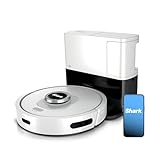
Then I got my hands on a Shark robot. I just wanted to know how does Shark robot vacuum work, really. I wasn’t looking for miracles, just a device that wouldn’t leave me with more dust bunnies than I started with.
After weeks of letting it roam, I can tell you this: Shark gets it. They understand that ‘smart’ should mean ‘effective,’ not just ‘fancy sensors.
So, how does Shark robot vacuum work when it comes to figuring out where it is and where it’s going? Forget those first-gen robots that just ricocheted off walls like a confused pinball. Shark uses a combination of sensors, and for the most part, it’s pretty clever. Most models sport what they call ‘Smart Navigation’ or ‘Intelligent Mapping.’ This means they have cameras and lasers, or sometimes just a row of bump sensors and cliff detectors, to build a map of your home. I’ve watched mine meticulously trace the perimeter of rooms, then systematically work its way across. It’s not just randomly bumping; it’s trying to cover every square inch. The first few runs are the most important for it to learn your layout. It might seem a bit slow at first, as it’s painstakingly mapping, but trust me, that groundwork pays off in more thorough cleaning later.
One thing that always irked me about older models was their inability to handle transitions between rooms. My old one would get stuck on the rug in the living room if the hardwood floor wasn’t perfectly level. The Shark, however, seems to have a better grasp on different floor types and heights. It’s not perfect, mind you. If you have a particularly thick shag rug or a ridiculously high threshold, it might still struggle. But for most standard homes, the navigation is a significant step up.
Suction Power and Cleaning Performance: Does It Actually Pick Things Up?
This is where a lot of robot vacuums fall flat. They boast ‘powerful suction,’ but in reality, they’re just moving dust around. Shark, on the other hand, seems to have a decent grip on what it’s supposed to do. Their robots usually have a good, strong suction power, especially for their mid-range models. I’ve seen mine suck up everything from stray cat hairs to that fine grit that seems to materialize out of nowhere on the kitchen floor after a week.
It’s the brushes that really make the difference. Most Shark robots come with a combination of a main brush roll and side brushes. The main brush roll is designed to agitate carpets and lift debris from hard floors, while the side brushes sweep dirt from edges and corners into the path of the main suction. I remember one particularly frustrating afternoon when I’d spilled a bag of uncooked rice. My old robot would have just scattered it. The Shark, after a couple of passes, had managed to pick up about 85% of it. The remaining 15% was mostly stuck under the fridge, which, let’s be honest, is a feat for any vacuum, let alone a robot.
The real test, though, is how well it handles pet hair. My golden retriever sheds like it’s his job. I’ve tried countless vacuums, and many promise the moon but deliver a half-hearted sweep. Shark’s brush rolls seem designed to combat tangles, which is a huge win. While you still need to do a deep clean and detangle them every few weeks—especially if you have long-haired pets—it’s significantly less of a hairball situation than other brands I’ve wrestled with. Honestly, I’ve spent around $150 testing different brush attachments on other brands to try and solve the hair tangle problem; Shark’s built-in design is far superior. (See Also: Should I Turning My Shark Robot Vacuum Off )
Battery Life and Charging: The Marathon Runner or the Quick Sprint?
Battery life is another area where brands can be incredibly misleading. You see these specs claiming ‘up to 120 minutes of cleaning,’ and then you get a robot that conks out after 45 minutes. Shark’s battery performance is generally good, but it’s highly dependent on what it’s doing. Cleaning a large, open-plan area with minimal obstacles will obviously use less power than a complex, multi-room house with lots of furniture and carpet.
What I appreciate is their auto-recharge feature. When the battery gets low, the robot automatically returns to its charging dock. Once it’s sufficiently charged, it will resume cleaning from where it left off. This is huge for larger homes. I’ve had robots that just gave up mid-clean and then sat there until I manually put them back on the charger. The Shark’s ability to find its way back and then pick up where it left off feels like a small victory every time.
Thinking about battery life is like comparing how long a runner can go on a treadmill versus how long they can run an actual marathon course with hills and obstacles. The treadmill is predictable; the marathon is not. Shark’s robot performs more like a seasoned marathon runner—it manages its energy and knows when to refuel to complete the course.
Smart Features and App Control: The ‘app’ in Appalling or Awesome?
This is where things can get polarizing. Some people love fiddling with apps, setting schedules, and defining no-go zones. Others just want to press a button and have the house cleaned. Shark’s app control is generally user-friendly, though it can have its quirks.
You can usually set cleaning schedules, view the cleaning map, and even designate specific rooms or areas for the robot to clean or avoid. This is fantastic if you only want it to tackle the kitchen after dinner or avoid the toddler’s playroom when it’s full of toys. I used to dread the thought of setting up complex cleaning plans, but after my fourth attempt with a different brand’s app that felt like deciphering hieroglyphics, Shark’s was a breath of fresh air. It’s not always intuitive, but it’s functional. The ability to control the robot remotely is a lifesaver. I can start a clean while I’m at work and come home to a tidier house.
The integration with voice assistants like Alexa or Google Assistant is also a nice touch. A simple ‘Alexa, tell Shark to clean the living room’ can save you a trip to your phone.
Maintenance: The Unseen Task
Every robot vacuum needs maintenance, and Shark is no different. You’ll need to empty the dustbin regularly (unless you have a self-emptying base, which is a whole other level of convenience, though pricier). The brush rolls will need cleaning to remove tangled hair and debris. Filters will need to be replaced every few months to maintain optimal suction. And the sensors should be wiped down periodically to ensure accurate navigation. (See Also: Is It Best Robot Vacuum For Cleaning Large Homes )
This isn’t a ‘set it and forget it’ device in the truest sense. But compared to manually vacuuming, the maintenance is minimal. A quick emptying of the bin and a check of the brushes takes mere minutes. I’d say I spend about 15 minutes a week on maintenance for my Shark robot, which is a small price to pay for the daily floor cleaning it provides.
The whole ‘self-cleaning’ narrative around some robot vacuums is, in my experience, mostly marketing fluff. You still have to deal with the dustbin, the brushes, and the filters. The real benefit is the automated cleaning cycle, not a magical self-maintenance feature.
Shark Robot Vacuum Faq
How Often Should I Run My Shark Robot Vacuum?
For best results, especially if you have pets or high-traffic areas, running your Shark robot vacuum daily or every other day is recommended. This prevents dirt and debris from building up, making each cleaning session more effective and reducing the strain on the robot and its components. It keeps your floors consistently cleaner.
Can Shark Robot Vacuums Go Over Rugs?
Most Shark robot vacuums can transition over low-to-medium pile rugs. They are designed to adjust their suction power and brush speed for different floor types. However, very thick shag carpets or rugs with tassels might pose a challenge. Always check your specific model’s specifications for its climbing capabilities.
Do Shark Robot Vacuums Need Wi-Fi?
While many advanced features, like app control, scheduling, and remote operation, require a Wi-Fi connection, most Shark robot vacuums can still perform basic cleaning functions with the press of a button on the unit itself. You won’t get the full smart experience without Wi-Fi, but it will still clean your floors.
How Do I Clean the Shark Robot Vacuum Brush Roll?
You’ll need to remove the brush roll from the robot’s underside. Use scissors or a small cutting tool to carefully cut away any tangled hair, threads, or debris. Then, wipe down the brush roll and the housing to remove any remaining dirt before reinserting it. Doing this weekly or bi-weekly prevents performance degradation.
What Is the Difference Between Shark Robot Models?
Shark offers a range of robot vacuums with varying features. Differences typically include navigation technology (like LiDAR vs. camera-based), suction power, battery life, dustbin capacity, self-emptying capabilities, and smart home integration. Higher-end models generally offer more sophisticated mapping and cleaning options. (See Also: Is The Shark Robot Vacuum Better Than The Irobot Roomba )
My Verdict: Is a Shark Robot Vacuum Worth It?
| Feature | My Experience | Verdict |
|---|---|---|
| Navigation & Mapping | Mostly accurate, learns layout well after a few runs. Minor issues with complex furniture arrangements sometimes. | Good |
| Suction Power | Surprisingly strong for its class, picks up daily dirt and pet hair effectively. | Very Good |
| Battery Life | Adequate for most medium-sized homes, auto-recharge is a major plus. | Good |
| App Control | Functional and generally user-friendly, though occasional glitches. | Good |
| Maintenance | Standard for robot vacuums; requires regular bin emptying and brush cleaning. | Acceptable |
After years of wrestling with robot vacuums that were more a nuisance than a help, the Shark has been a revelation. It’s not some futuristic marvel that cleans your house while you’re on vacation, but it does a consistently good job of keeping floors tidy day-to-day. It’s the kind of reliable workhorse that does what it says on the tin without unnecessary fanfare. For the price point, most Shark models offer a solid cleaning experience that genuinely makes a difference in daily upkeep.
Verdict
Ultimately, when you ask how does Shark robot vacuum work, the answer boils down to smart sensors and decent suction. It’s not about reinventing the wheel, but about executing the core function of automated floor cleaning with fewer frustrations.
I’ve seen enough over-hyped gadgets promise the world and deliver dust bunnies. The Shark robots I’ve used are the real deal for everyday cleaning. They don’t require a degree in engineering to operate, and they actually pick up the mess.
If you’re tired of the floor cleaning treadmill, and want a robot that doesn’t feel like a constant experiment, a Shark is a solid bet. Consider running it on a schedule, say, three times a week, and see how much less often you need to pull out the big vacuum. It’s a practical step towards a cleaner home without the fuss.
Recommended Products