Honestly, I used to dread dealing with appliance warranties. It felt like a black hole of paperwork and endless hold music.
Years ago, I bought this fancy robotic mop that died after six months. The company told me the warranty was ‘void’ because I hadn’t used their specific cleaning solution. $400 down the drain.
So, when it comes to figuring out how long is Shark robot vacuum warranty, I get it. You want straight answers, not marketing fluff.
Let’s cut to the chase.
What Exactly Does Shark Offer for Robot Vacs?
Shark, bless their hearts, generally offers a pretty decent warranty on their robot vacuums. For most of their robot vacuum models, you’re looking at a one-year limited warranty. This covers manufacturing defects and faulty parts, which is pretty standard across the board for consumer electronics these days. It’s not a lifetime guarantee, obviously, but it’s a solid commitment to stand behind their products for a reasonable period.
Now, I’ve seen some brands try to sneak in all sorts of exclusions. They’ll say dustbin clogs aren’t covered or that normal wear and tear voids everything. Shark’s warranty tends to be more straightforward, focusing on what’s actually wrong with the machine itself, not just how you’ve used it day-to-day. I once spent nearly an hour on the phone with a different company arguing about a ‘scratched sensor’ that was clearly a manufacturing flaw, not me dropping it off a cliff. That kind of hassle? Shark generally tries to avoid that.
Where to Find the Nitty-Gritty Details
Don’t just take my word for it, though. The best place to get the absolute definitive answer for your specific model is always the documentation that came in the box. If you tossed that, no worries. You can head over to the Shark website, find your model number (usually on the underside of the robot), and look up the manual or warranty information there. It’s usually pretty easy to find, and it’ll lay out exactly what’s covered and for how long. (See Also: Should I Turning My Shark Robot Vacuum Off )
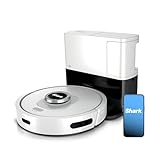
For instance, I remember when I was looking into the Shark IQ Robot Self-Empty, the warranty details were right there on the support page. It confirmed the standard one-year limited warranty, but also mentioned extended service plans you could buy if you wanted extra peace of mind. That’s a key point: they offer options beyond the base coverage.
My Own Warranty Nightmare (and What I Learned)
You know, I used to be the guy who would buy the cheapest thing I could find, figuring if it broke, I’d just buy another one. That approach cost me a fortune over the years. Case in point: I bought a ‘budget’ robot vacuum from a brand I’d never heard of. It looked like a decent copycat of a popular model, and it was half the price. Sounded like a win, right?
Wrong. Within three months, the main brush started making this god-awful grinding noise, like a squirrel trapped in a blender. The company’s ‘warranty’ was basically a form you had to fill out, mail in with a $25 processing fee, and then wait three to four *months* to hear back. By the time they *finally* got back to me, they said the brush was ‘damaged by debris’ and not covered. Debris? It was sucking up my cat’s fur, not digging for diamonds.
That experience taught me a brutal lesson: a warranty is only as good as the company standing behind it. A long warranty period is worthless if the company makes it impossible to actually use it. Shark, from what I’ve seen and experienced, has a much more reasonable process. It’s not perfect, and you still have to be prepared to explain the issue, but the chance of them just brushing you off with some flimsy excuse feels a lot lower. They’re a big name for a reason, and part of that is their commitment to customer support.
Don’t Believe the Hype: What’s *not* Usually Covered
Everyone talks about how long a warranty is, but nobody talks about what it *doesn’t* cover. And honestly, that’s where the real gotchas are.
For your Shark robot vacuum warranty, and pretty much any robot vacuum out there, here’s what you can almost guarantee is *not* covered:
- Normal Wear and Tear: Those little scuffs on the bumper? The brush roll getting worn down after a year of daily use? The filter needing replacement? That’s on you. Think of it like tires on a car; they wear out.
- Accidental Damage: Dropped it down the stairs? Ran it over with your actual foot because you weren’t paying attention? Yeah, not covered. This is where your homeowner’s insurance *might* kick in for something catastrophic, but the manufacturer won’t.
- Damage from Use Outside of Manual Instructions: Running it in a very wet environment when it’s clearly an indoor dry vacuum? Trying to suck up things it’s not designed for, like large puddles of water or construction debris? That’s asking for trouble and will likely void the warranty.
- Consumables: Filters, brush rolls, side brushes – these are meant to be replaced periodically. The warranty is for the core electronics and mechanical components, not the parts that are designed to wear out or get dirty.
It sounds obvious when I lay it out like this, but people get frustrated when these things happen. They see a ‘limited’ warranty and think it covers everything *except* the apocalypse. It’s more like a shield against manufacturing defects. Consumer Reports, in their extensive testing of home appliances, consistently notes that understanding warranty exclusions is just as important as knowing the coverage period. (See Also: Is It Best Robot Vacuum With Self Emptying Bin )
Shark Robot Vacuum Warranty vs. Competitors
When you’re trying to figure out how long is Shark robot vacuum warranty, it’s helpful to see how they stack up against others. Shark typically offers a one-year limited warranty on their robot vacuums. This is pretty standard. iRobot, for example, also generally offers a one-year limited warranty on most of its Roomba models. Ecovacs and Roborock often have similar one-year terms as well.
What makes a difference isn’t always the length, but the ease of the process and the reputation of the company. I’ve had experiences with brands that felt like they were actively *trying* to avoid warranty claims. It was like navigating a labyrinth designed by a lawyer to protect the company, not the consumer. I remember one instance where the online form timed out after 20 minutes of filling it out, and I had to start all over. It took me longer to submit the claim than it did to use the darn thing before it broke.
Shark, while not perfect, usually has a more accessible support system. Their customer service isn’t always instant, but they generally address issues without making you jump through an unreasonable number of hoops. The actual process can feel a bit like trying to get a new controller for your Xbox when the old one glitches out – you expect some back-and-forth, but you don’t expect them to send you on a scavenger hunt for a mythical receipt from 1998.
| Brand | Typical Robot Vacuum Warranty | My Opinion/Verdict |
|---|---|---|
| Shark | 1 Year Limited | Solid, standard coverage with a generally reasonable claims process. Good value for money. |
| iRobot (Roomba) | 1 Year Limited | Similar to Shark. Sometimes offers extended plans, but the base is competitive. |
| Ecovacs | 1 Year Limited | Generally comparable. Reports vary on customer service efficiency. |
| Roborock | 1 Year Limited | Often seen as high-quality. Warranty process usually straightforward. |
| Lesser-Known Brands | Varies wildly (often 90 days to 1 year, sometimes shorter) | Be very cautious. ‘Warranty’ can be more of a marketing term than a real guarantee. I’ve been burned here. |
Do I Need an Extended Warranty?
This is the million-dollar question, isn’t it? For a Shark robot vacuum, the standard one-year warranty is pretty decent. Honestly, most manufacturing defects are going to show up within that first year. It’s like a new car; the biggest depreciation and the highest risk of major mechanical failure are usually in the early stages.
I’ve bought extended warranties on things before, and I’d say maybe two out of ten times it actually paid off. The other eight times, I was just out the extra $100 or $200 for peace of mind I didn’t end up needing. For a robot vacuum, I’m generally inclined to skip the extended warranty unless I’ve heard *specific* horror stories about a particular model failing en masse after year one. Shark has a pretty good track record, and their standard warranty is usually sufficient.
Think about it: If a robot vacuum is going to have a critical electronic failure, it’s probably going to be a faulty motherboard or a motor that’s destined to die. That’s the kind of thing that usually rears its head early on. The parts that tend to wear out naturally, like brushes and filters, aren’t covered anyway, so the extended warranty wouldn’t help with those costs. Plus, the cost of the extended warranty itself could often buy you a replacement brush roll and a few filters for the entire duration.
What Is Shark’s Standard Robot Vacuum Warranty Period?
For most Shark robot vacuum models, the standard warranty is one year from the date of purchase. This is a limited warranty, meaning it covers manufacturing defects and faulty parts under normal use, but not damage from accidents or normal wear and tear. (See Also: Is It Best Robot Vacuum For Cleaning Large Homes )
How Do I Make a Warranty Claim for My Shark Robot Vacuum?
You’ll typically need to contact Shark customer support directly. Have your model number and proof of purchase ready. They will guide you through troubleshooting steps and, if necessary, arrange for repair or replacement according to the warranty terms.
Are Replacement Parts Like Brush Rolls Covered Under the Warranty?
Generally, no. Consumable parts like brush rolls, filters, and side brushes are not covered by the standard warranty as they are expected to wear out with normal use. You’ll need to purchase these separately.
What If My Shark Robot Vacuum Breaks After the Warranty Expires?
If your vacuum breaks after the warranty period, you’ll have to pay for repairs yourself or purchase a new unit. Shark may offer out-of-warranty repair services, but you should inquire about their costs beforehand. Sometimes, the cost of repair can be close to the price of a new, lower-end model.
Final Verdict
So, to circle back to the main point: how long is Shark robot vacuum warranty? For most models, it’s a solid one year.
It’s not the longest warranty out there, but it’s standard for the industry and usually covers the most common issues that aren’t due to simple wear and tear. I’ve found that for Shark products, the warranty is generally a fair deal, and their customer service, while not always lightning-fast, is usually decent enough to get things sorted without too much fuss.
Before you buy, or if you’re already dealing with an issue, take a minute to find that model number and check the official Shark website. It’s the only place that has the 100% accurate, model-specific details you need. Don’t rely on hearsay; get the facts straight from the source.
Recommended Products