
I remember the first time I tried to crack open an iPhone. It was a Frankenstein’s monster of a repair job, mostly because I had the wrong tools and absolutely no clue what I was getting into. The whole pentalobe screw thing was new to me then, and frankly, it felt like Apple was just trying to make it impossible for us regular folks to do simple fixes ourselves. Fast forward to today, and yeah, some things haven’t changed. If you’re wondering about the iPhone 8, specifically how many pentalobe screws does the iPhone 8 have, I’ve got the blunt answer for you.
It’s not a trick question, and it’s not buried in some obscure technical manual. For the iPhone 8, and for most iPhones of that era, the answer is blessedly simple, which is a relief when you’re staring down a tiny, fiddly screw head.
The Bottom Line on iPhone 8 Pentalobe Screws
Let’s cut to the chase. If you’re looking to open up an iPhone 8, whether it’s for a battery swap, a screen replacement, or just out of sheer curiosity (which, let’s be honest, is often the case for me), the first hurdle you’ll encounter is at the very bottom of the phone. And that’s where the pentalobe screws live. So, to answer the question directly: how many pentalobe screws does the iPhone 8 have? It has two.
These two little guys are located on either side of the charging port. They’re not your standard Phillips or flathead screws; they have a unique five-pointed star shape. This is Apple’s signature way of making it harder for third-party repair shops to get in there without their specific tools, and it’s why you can’t just grab any old screwdriver from your junk drawer. I learned that the hard way, trying to force a tiny Phillips head into one and stripping the slot entirely.
That was a fun afternoon of drilling tiny screws. Over the years, I’ve opened a bunch of iPhones, and this two-screw setup at the bottom has been pretty consistent for a while. It’s the gateway to the phone’s internals.
They’re usually pretty small, often a 6-point pentalobe screw size, sometimes referred to as P2. Don’t be fooled by their size; they hold the display assembly to the main body of the phone. So, when you’re planning your repair or just trying to satisfy your own curiosity, remember you’re looking for those two specific screws first. They’re the gatekeepers.
Why the Pentalobe Screw Shenanigans?
Apple’s use of pentalobe screws is a deliberate design choice, and it’s been a point of contention for DIY repair enthusiasts for years. The main reason, from Apple’s perspective, is security and quality control. By using a non-standard screw head, they make it more difficult for unauthorized third parties to open devices. This is supposed to prevent people from using subpar replacement parts or performing repairs that could compromise the device’s water resistance or overall integrity. It’s their way of saying, ‘We know best, and we want to make sure only we, or those we approve, touch our products.’
From a user’s standpoint, though, it’s often seen as an unnecessary hassle. It forces you to buy specific tools if you want to do your own repairs. I’ve seen plenty of friends get halfway through a repair, only to realize they needed a special pentalobe screwdriver. It’s frustrating and adds to the cost and complexity of what should be a simple fix. I remember a friend who was convinced he could fix his cracked iPhone 6 screen with just a standard toolkit. He called me in a panic after an hour, holding a phone with a mangled bottom edge and a stripped screw. That’s the pentalobe effect.
The common advice you’ll find online is to just buy a good repair kit. And yeah, that’s true, but it doesn’t address the underlying issue of why Apple makes it so hard. It’s a proprietary approach that, while perhaps intended to protect consumers, often just ends up alienating them and driving them to more expensive official repairs or less reliable third-party services. It’s a classic case of a company prioritizing control over user accessibility.
What to Look for: The Pentalobe Screw Kit
So, you’ve confirmed you need to deal with these pentalobe screws. What exactly should you be looking for when you go to buy tools? The most common requirement for opening up an iPhone 8, and indeed many iPhones from the 6 series onwards, is a P2 pentalobe screwdriver. This is the specific size that Apple uses for those two bottom screws. (See Also: How To Fix Eyeglasses Arm Without Screw )
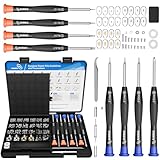
A good quality repair kit will typically include this P2 driver along with other necessary tools like Phillips head screwdrivers (usually PH000 and PH00), a spudger for prying, suction cups, and sometimes tweezers or plastic opening tools. Don’t skimp on the kit quality. I once bought a super cheap one from a dodgy online seller, and the pentalobe driver tip was so soft it started to deform after just one screw. That’s a recipe for disaster, leading to stripped screw heads and a much bigger headache than you started with.
For the iPhone 8, you’re generally looking at a P2 driver. If you’re going to be working on multiple Apple devices, a kit that includes a range of pentalobe sizes (P1, P2, P5, etc.) might be a better long-term investment, though for just an iPhone 8, P2 is your main focus.
Here’s a quick rundown of common iPhone screw types you might encounter, though for the iPhone 8, the pentalobe is the initial barrier:
| Screw Type | Typical Use | Verdict on Difficulty |
|---|---|---|
| Pentalobe (P2) | iPhone bottom screws (e.g., iPhone 8) | Requires a specific driver; Apple’s initial barrier. Moderate difficulty if you have the right tool. |
| Phillips (#000) | Internal components (iPhone 8 and many others) | Standard, easy to find drivers for. Low difficulty. |
| Tri-point (Y000) | Later iPhones, some internal components | Requires a specific driver, less common than pentalobe but still a barrier. Moderate difficulty. |
My advice? Invest in a kit from a reputable brand, even if it costs a few dollars more. It will save you time, frustration, and potentially prevent you from damaging your device further. The difference between a cheap, soft metal driver and a hardened steel one is night and day when you’re dealing with tiny, stubborn screws.
Common Mistakes and How to Avoid Them
When you’re tackling a repair, especially one involving those pesky pentalobe screws, there are a few classic blunders that people tend to make. The first, as I’ve mentioned, is trying to force the wrong screwdriver into the screw head. This is the express train to a stripped screw. If it doesn’t fit, it doesn’t fit. Stop. Get the right tool. The pentalobe shape is distinct; if your screwdriver doesn’t perfectly slot into all five points, you’re using the wrong one.
Another common mistake is applying too much downward pressure when trying to turn the screw. You want enough to keep the driver engaged, but not so much that you’re basically grinding the screw head. This is especially true with the pentalobe screws at the bottom. They’re small, and excessive force can easily cause the driver to slip, damaging the screw and potentially the surrounding housing. I’ve seen people damage the speaker grille area or even the charging port itself because they were being too aggressive with the pentalobe driver.
People also forget about static electricity. While less common for just opening the back, if you’re doing internal work, touching internal components with ungrounded hands can fry them.
Keep a grounding strap handy or at least touch a metal object to discharge yourself before you start poking around inside. Also, keeping track of screws is a nightmare. Some kits come with magnetic mats with diagrams, which are lifesavers. Without one, I’ve literally had screws roll under the couch and disappear into the void.
For the iPhone 8, you’re dealing with relatively few screws once you’re inside, but they vary in length. Putting the longest ones back into a shorter hole can damage the logic board or other components. A small magnetic parts tray or a piece of paper with drawings and labels for each screw’s location can save you a world of pain. (See Also: How Measure Metric Computer Screws )
Finally, don’t rush. Repairs take time, especially your first few. Rushing leads to mistakes. Take your time, watch a good video tutorial specific to the iPhone 8 model you have, and go step-by-step. It’s better to take an extra hour and do it right than to rush and have to buy a whole new phone.
Real-World Use Cases: When You Actually Need to Know
So, you know there are two pentalobe screws on the iPhone 8. But when would you actually need to deal with them? The most common scenario is a damaged screen. iPhones, especially older models like the 8, are prone to screen cracks from drops. Replacing the screen is a very common repair, and those pentalobe screws are the first thing you remove to get the display assembly off.
Another frequent reason is a dying battery. iPhone batteries have a finite lifespan, and after a few years of use, they can start to degrade. Performance might slow down, or they might not hold a charge for long. Swapping out the battery requires removing the screen first, so again, those pentalobe screws are your entry point. I personally replaced the battery on my old iPhone 8 about three years ago. It was a noticeable difference in performance, and it saved me from buying a whole new phone at the time. The process wasn’t too bad, but it definitely required the right pentalobe screwdriver and a steady hand.
Beyond those two big ones, other internal repairs might necessitate opening the phone. This could include replacing the charging port assembly if it gets damaged, swapping out the rear camera if it stops working, or even replacing a faulty speaker module. While less common than screen or battery issues, these repairs still require you to go through that initial pentalobe screw barrier. It’s also worth noting that if you’re experiencing water damage or other issues that require a thorough internal inspection, you’ll need to get past those initial screws. So, knowing how many pentalobe screws does the iPhone 8 have is just the first step in a larger repair process that might be necessary for various reasons throughout the phone’s life.
The Pentalobe Screw vs. Other Fasteners
It’s easy to get bogged down in the specifics of the pentalobe screw, but it’s worth a moment to consider why Apple chose this route over more common fasteners. Think about your average laptop or desktop computer. They often use standard Phillips head screws, which are easily accessible with a widely available tool. This makes them more user-serviceable. Apple’s decision to use pentalobe screws, and sometimes tri-point screws on later models, is a clear departure from this philosophy. It’s a proprietary approach that, while it might offer some benefits in terms of manufacturing precision and sealing, primarily serves to maintain tighter control over the repair ecosystem.
The common advice, and honestly, the most practical advice, is that if you’re going to DIY repair an iPhone, you just accept that you need the specific tools. Trying to find workarounds or using generic tools is a false economy. I tried to be clever once with a very small flathead screwdriver on a pentalobe screw of a different phone model (not the 8, but the principle applies) thinking I could get enough grip.
I ended up creating a tiny notch that then made even the correct pentalobe driver slip. It was a mess.
The pentalobe screw, particularly the P2 size used on the iPhone 8, is designed to be used with a specific driver that fits its unique five-pointed recess. Any deviation from this will likely lead to stripping the screw head, making removal significantly harder or even impossible without resorting to more destructive methods like drilling.
When you compare this to the internal screws of the iPhone 8, they are almost exclusively Phillips head, usually the tiny PH000 size. These are straightforward to deal with once you’re inside the phone. The pentalobe screws are the gatekeepers, the initial hurdle that Apple has put in place. It’s less about the mechanical function of holding things together (Phillips screws do that just fine) and more about controlling access. So, while you’ll find many types of screws inside an iPhone, the two pentalobe screws at the bottom are the ones that define the start of any repair process for the iPhone 8. (See Also: How To Adjust Eyeglass Screw )
Do I Need a Special Screwdriver for the iPhone 8?
Yes, you absolutely do. For the two screws at the bottom of the iPhone 8, you need a P2 pentalobe screwdriver. These are not standard household screwdrivers and require a specific five-pointed tip to remove them. Trying to use a Phillips or flathead screwdriver will likely strip the screw head and make the repair much more difficult.
Can I Use a Small Flathead Screwdriver on iPhone 8 Pentalobe Screws?
While it might seem tempting in a pinch, it’s a really bad idea. A small flathead screwdriver will not properly engage with the five points of the pentalobe screw head. This will likely cause the screwdriver to slip, damaging the screw head and potentially the surrounding area of the phone. It’s best to use the correct P2 pentalobe driver.
Where Are the Pentalobe Screws on an iPhone 8?
The pentalobe screws on the iPhone 8 are located at the very bottom of the device, on either side of the charging port. There are two of them, and they are the very first screws you will encounter when attempting to open the phone for any repair or internal access.
Are All Iphones the Same Number of Pentalobe Screws?
No, not all iPhones have the same number of pentalobe screws. While the iPhone 8 has two, older models like the iPhone 4 and 4S used standard Phillips screws. Newer iPhones that use pentalobe screws might have two, or sometimes a different configuration depending on the model. However, for the iPhone 8, it’s consistently two.
What Happens If I Strip an iPhone 8 Pentalobe Screw?
If you strip an iPhone 8 pentalobe screw, it becomes significantly harder to remove. You might need to resort to more advanced techniques, such as using a rubber band with a flathead screwdriver for grip, or in severe cases, using a small drill bit to carefully remove the screw head. This is why it’s important to use the correct P2 pentalobe screwdriver and apply gentle, steady pressure from the start to avoid stripping it.
Final Thoughts
So, there you have it. The definitive answer to how many pentalobe screws does the iPhone 8 have is two. They’re small, they’re unique, and they’re your first step into the internal workings of the phone. Don’t let them be a roadblock.
If you’re planning on doing any kind of internal work on your iPhone 8, make sure you’ve got the right P2 pentalobe screwdriver before you even think about starting. It’s a small investment that will save you a massive headache and potentially prevent you from causing more damage than you’re trying to fix.
Remember, it’s not about Apple making it impossible, it’s about them wanting things done their way. And if you want to do it yourself, you just need the right key to open that door. Get the tool, take your time, and you’ll be fine.
![AXTH 25-in-1 Small Precision Screwdriver Set, Professional Magnetic Mini Repair Tool Kit for Phone, Computer, Watch, Laptop, Macbook, Ring Doorbell, Eyeglass, Electronic, [Bearing Steel] Screw Driver](https://m.media-amazon.com/images/I/518YlLmPTcL._SL160_.jpg)
