
I remember staring at my first saxophone, a beat-up alto I snagged for a song at a pawn shop, and wondering how on earth something so intricate actually worked. It looked like a mechanical beast, a maze of keys and rods. The big question burning in my mind, beyond just learning to play, was a strangely specific one: how many screws does a saxophone have? It felt like a silly detail, but it spoke to the sheer complexity of the instrument. You see a beautiful horn, but underneath all that polish is a marvel of engineering, held together by hundreds of tiny pieces, many of them screws.
Most people just want to know if they can play a C major scale without sounding like a dying goose. I get it. But for those of us who like to peek under the hood, understanding the nuts and bolts – literally – is part of the fascination. It’s not just about the number; it’s about what each one does.
The Tiny Titans Holding Your Sax Together
Let’s cut to the chase: the answer to how many screws does a saxophone have isn’t a simple, neat number. It’s more like ‘a heck of a lot,’ and it varies. Think about it. A saxophone isn’t a single casting; it’s an assembly of many precisely shaped metal parts, all working in harmony. Each key arm, each pivot point, each spring that holds tension – they all need to be attached, adjusted, and secured. And how do you secure them? With screws. Tiny, often specialized, screws. I’ve had saxophones where I swear I found a new screw I’d never noticed before, just tucked away in some obscure linkage.
When you look at a saxophone, especially a vintage one, the sheer number of screws can be overwhelming. These aren’t your average drywall screws.
We’re talking about micro-screws, often made of brass or steel, designed to be incredibly precise. They hold the pads in place, they secure the rods that connect keys, they anchor springs, and they are instrumental in setting the intricate adjustments that make a saxophone play in tune and respond to your touch. My first sax repair job, which was a disaster, involved trying to replace a minuscule screw on a key lever. It felt like performing brain surgery with a butter knife.
That’s when I realized these screws are not interchangeable; they have specific lengths, thread types, and head styles for a reason.
A standard intermediate tenor saxophone, for instance, can easily have anywhere from 150 to over 200 screws. Some sources might give a ballpark figure, but the reality on the ground, in your hands, is that it’s a highly variable number. The complexity of the keywork, the specific model, and even the manufacturing tolerances can all influence the final count. It’s not a stat you’ll find on a spec sheet for a new Selmer or Yamaha, because it’s not really the point for most players. But for anyone who’s ever had to tighten a loose key or replace a worn-out part, that number becomes a very real, and sometimes frustrating, consideration.
The anatomy of a saxophone involves a complex system of levers, rods, and springs. Each key lever needs to pivot smoothly.
This pivot is often managed by a rod that passes through two posts, and secured at the ends by tiny screws. The tension of the springs that snap keys shut is also controlled and anchored by screws.
Then there are the screws that hold the key guards on, the screws that attach the thumb rest, and the screws that, believe it or not, hold the actual ‘keys’ (the metal cup-like pieces) to the key arms. It’s a delicate dance of metalwork, and each screw plays its part. I’ve seen people try to simplify repairs by using generic screws, and the result is usually a saxophone that plays erratically, if at all. The precision matters, and that precision is built on a foundation of hundreds of tiny, perfectly placed screws.
When Screws Go Rogue: Common Saxophone Woes
So, you’ve got your saxophone, and you’re wondering about those screws. What’s the most common problem? Well, it’s usually not that a screw falls out and you lose it into the abyss of your practice room floor – though that happens. (See Also: How To Fix Eyeglasses Arm Without Screw )
More often, it’s that a screw loosens up just enough to cause trouble. This is particularly true for pivot screws that control the movement of key arms. When these loosen, the key can develop ‘play’ or wobble. This wobble means the pad doesn’t seal perfectly against the tone hole, leading to squeaks, inconsistent notes, or notes that just won’t sound at all.
I once spent an entire rehearsal wondering why my G# key was suddenly sticking. Turned out the tiny screw on the G# lever rod had vibrated loose, causing the mechanism to bind slightly. A quick tightening with a jeweler’s screwdriver, and it was like magic. But it took me a good twenty minutes of frantic fiddling to find the culprit.
Another common issue is with the screws that hold the actual key cups (where the pads sit) onto the key arms. These are often very small and can work themselves loose due to the constant impact and vibration of playing.
If one of these loosens, the key cup can tilt, preventing a proper seal. This is a common cause of a leaky A or F# key.
And then there are the screws that anchor the springs. These are tiny, and if they aren’t set just right, the spring tension can be off, making the key feel too stiff or too loose.
It’s a constant battle against vibrations and metal fatigue. I’ve learned to do a quick screw check before every practice session, just to nip potential problems in the bud. It’s a habit I picked up after a particularly embarrassing incident where a G key decided to go on strike mid-performance.
The environmental conditions also play a role. In humid environments, metal parts can expand and contract slightly, which can contribute to screws loosening over time. Conversely, in very dry conditions, some wood components (if present, though less common now) might shrink, affecting the tension on screws. Then there’s the human element. How you handle your instrument matters. Dropping your saxophone, even from a short height, can cause significant internal shifts and loosen many of these delicate screws. Even just the sheer act of playing, the repeated pressing and releasing of keys, creates vibrations that can gradually unscrew things.
Here’s a table showing common issues and their typical screw-related causes. It’s not exhaustive, but it covers the frequent flyers:
| Problem | Likely Screw Cause | Verdict |
|---|---|---|
| Sticky Keys | Loose pivot screw on the key rod; binding mechanism due to a misaligned rod screw. | Annoying, but often an easy fix. Check pivot screws first. |
| Leaky Pads | Loose screw holding key cup to key arm; key cup tilted due to a misadjusted rod screw. | Major tone killer. A tilted cup is the usual suspect. |
| Keys Feel Too Stiff/Loose | Spring anchor screw too tight/loose; incorrect tension on the spring itself. | Can affect playability. Adjusting spring screws requires a delicate touch. |
| Notes Not Sounding | A combination of the above, leading to a complete failure of the key mechanism to operate or seal. | Deep dive time. Could be multiple screw issues. |
The Secret Life of Saxophone Screws: More Than Just Fasteners
When you ask how many screws does a saxophone have, you’re really asking about the craftsmanship. These aren’t just generic bolts holding bits of metal together. Each screw is a component in a finely tuned machine. Many are designed with specific thread pitches to make sure they don’t vibrate loose easily, or they might have a tiny bit of thread-locking compound applied during manufacturing. Others are deliberately made to be easily adjustable, allowing a technician to fine-tune the action of a key without having to bend metal or alter spring tension drastically. This is especially true for screws that act as stops or limiters for key travel.
Consider the screws that adjust the gap between keys when they are closed. These are often found on keys like the octave key or the front F key. A tiny turn of these screws can make a significant difference in how the instrument plays, affecting everything from intonation to the responsiveness of certain note transitions. I’ve seen technicians spend hours just adjusting these tiny screws, nudging them a fraction of a millimeter at a time. (See Also: How Measure Metric Computer Screws )
It’s a testament to the fact that the overall number of screws is less important than the function and adjustability of each individual one. It’s a fascinating aspect of musical instrument acoustics, how these small mechanical adjustments can have such a profound impact on sound.
The materials used also matter. While most screws are made of brass or steel, their exact composition and plating can be chosen to prevent corrosion and make sure durability. Some high-end saxophones might even use specialized alloys for certain screws to reduce weight or improve their mechanical properties. It’s a bit like building a race car; every single component, no matter how small, is scrutinized for its performance and contribution to the overall system. The difference is, a saxophone is a work of art that needs to sound beautiful, not just go fast.
I once had a vintage alto saxophone that had a slightly different feel to its key action compared to modern horns. After a full overhaul, the technician explained that some of the original screws had been replaced with slightly different ones during a previous repair decades ago. This subtle change in thread or length, he said, accounted for some of the difference in how the keys felt and responded. It really hammered home the point that these screws are not just functional; they are integral to the instrument’s character and playability. It made me appreciate the complexity even more; it’s not just about the big pipes and keys, but the hundreds of tiny points of connection and adjustment.
The Art of Saxophone Repair: When to DIY and When to Call a Pro
This brings us to a important point for anyone who owns a saxophone: when should you attempt to fix those pesky screws yourself, and when is it time to hand it over to a professional saxophone technician? My general rule of thumb, learned through several costly mistakes, is this: if it involves anything more than a simple tightening of a clearly visible, accessible screw that has visibly come loose, then walk away. I’ve stripped screw heads trying to force them, I’ve lost screws into the vast unknown of a saxophone’s interior, and I’ve made minor problems much, much worse. My first attempt to re-seat a spring screw on my old tenor resulted in a key that would barely move, and it took a professional a good hour to undo the damage I’d done.
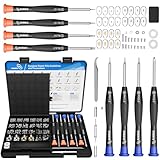
What can you safely do? You can gently tighten a pivot screw on a rod that’s become loose and is causing key wobble, but you need the right tools. A set of precision jeweler’s screwdrivers is a must-have. You need to feel the resistance; overtightening can strip the threads or even damage the post. You can also check and tighten the screws holding the key guards or the thumb rest, as these are generally less important and more solid. If a pad screw has come loose and the pad is slightly tilted, you might be able to carefully re-seat it, but be extremely cautious not to damage the pad itself or the key cup.
What should you absolutely not do? Don’t try to replace a lost screw without knowing its exact specifications. Saxophone screws are not generic.
Using the wrong size or thread can strip the threads in the post or the key arm, leading to a repair that costs far more than the original problem. Don’t try to force a screw that won’t turn. Don’t try to adjust spring tension screws unless you have a very good understanding of how they work and the proper tools.
And definitely do not attempt any repairs if the instrument is a valuable professional model, or if you’re unsure of what you’re doing. A good technician has specialized tools, like tiny screw extractors, thread chasers, and a deep understanding of the intricate mechanics at play.
Here’s a quick decision tree:
- Is a key wobbly and not sealing properly? Check the pivot screw on the rod. If it’s loose, try gently tightening it with a jeweler’s screwdriver. If it doesn’t fix it or you can’t get it tight, call a tech.
- Is a key sticking or feeling stiff? This could be a bent rod, a misaligned post, or a spring issue. This is almost always a job for a professional.
- Did a screw fall out and you can’t find it? Do NOT try to replace it with anything you have lying around. Take it to a technician immediately.
- Is the instrument making weird noises or playing out of tune? While sometimes a simple screw can be the culprit, it often indicates a more complex mechanical or pad issue. Get a professional assessment.
The truth is, the majority of screw-related issues on a saxophone are best left to people who have dedicated their careers to understanding and fixing them. The cost of a professional adjustment or repair is usually far less than the cost of a botched DIY attempt. (See Also: How To Adjust Eyeglass Screw )
The Great Saxophone Screw Count: A Practical Estimate
So, we’ve danced around the exact number, but let’s try to put a practical figure on it. For a typical alto or tenor saxophone, you’re generally looking at a range of 150 to 250 screws. Soprano saxophones, being more compact, might have slightly fewer, while baritone saxophones, with their more extensive keywork, could potentially push that number higher. This includes all the tiny screws: pivot screws, spring anchor screws, rod screws, key cup screws, key guard screws, thumb rest screws, and even some internal screws that hold mechanisms together. It’s a lot of tiny metal bits.
I’ve heard figures thrown around from 180 to 220 as a common range for intermediate instruments. My own experience, when I’ve had occasion to count (usually during a frantic search for a dropped screw!), tends to land me in that ballpark. A vintage horn might have more, or fewer, depending on its design era and any modifications. A brand new, top-tier professional horn might have fewer types of screws due to advanced manufacturing, but the sheer number of connection points often keeps it high.
It’s not a number that’s officially tracked or advertised by manufacturers because, frankly, it’s not what sells instruments. What sells instruments is tone, playability, and durability, all of which are affected by the screws, but aren’t defined by them.
When you’re looking at purchasing a used saxophone, the condition of these screws is a good indicator of how well the instrument has been maintained. Are there signs of stripped heads? Are there visible gaps where screws should be tight? Does the keywork feel loose or sloppy? These are all red flags. A properly maintained saxophone will have all its screws in place, properly tightened, and functioning as intended. The number of screws is a reflection of the mechanical complexity of the instrument, and understanding that complexity is key to appreciating the instrument itself.
I want to reiterate the contrarian view here. Many players and even some technicians might say the exact number of screws is irrelevant. And for playing a gig, they’re right. But for understanding the instrument, for troubleshooting, and for appreciating the sheer engineering involved, it’s a useful concept. It grounds the abstract beauty of music in the concrete reality of mechanics. It’s like asking how many stitches are in a baseball glove; it doesn’t change how it feels in your hand, but it speaks to the craft. So, while you don’t need to carry a screw counter, being aware that there are hundreds of tiny, vital fasteners is important.
What Is the Most Common Screw That Loosens on a Saxophone?
The most common screws to loosen are the pivot screws that hold the rods for key arms. These screws allow keys to pivot freely, and if they loosen, the key can develop wobble and fail to seal properly. They are subjected to constant micro-movements and vibrations during playing, making them prone to loosening over time.
Can I Use Super Glue on a Loose Saxophone Screw?
Absolutely not. Super glue is a terrible idea for saxophone screws. It’s permanent, messy, and can permanently damage the threads in the posts or key arms. If a screw is truly loose, it needs to be tightened or, if the threads are stripped, professionally repaired. Using super glue will likely create a much more expensive problem to fix.
Are Saxophone Screws Standardized?
No, saxophone screws are not fully standardized. While there are common sizes and thread types used across many instruments, exact specifications like length, thread pitch, and head style can vary significantly between manufacturers, models, and even eras. This is why using the correct replacement screw is vital, and why DIY screw replacement is risky.
What Tools Are Needed to Adjust Saxophone Screws?
For basic adjustments, you’ll need a set of precision jeweler’s screwdrivers, often referred to as watchmaker’s screwdrivers. These come in very small sizes and have various head types (flathead, Phillips). For more advanced repairs or thread issues, a professional technician will have specialized tools like screw extractors, thread chasers, and other custom-made instruments.
Final Verdict
So, there you have it. The question of how many screws does a saxophone have doesn’t have a single, definitive number, but it’s safe to say it’s in the hundreds. Each one is a tiny but important component in the intricate machinery that allows us to make music. Whether you’re a seasoned player or just starting out, understanding this complexity can deepen your appreciation for the instrument.
Don’t panic if you hear a tiny rattle or notice a key feels a bit off. It’s often just a screw needing a gentle tweak. But remember, when in doubt, it’s always best to consult a qualified saxophone technician. They have the expertise and the specialized tools to keep your horn singing.
My advice? Give your saxophone a gentle check-up every so often. A quick visual inspection and a light tightening of accessible screws can save you a world of trouble down the line. It’s a small act of care that pays off in consistent performance and a longer-lasting instrument.
![AXTH 25-in-1 Small Precision Screwdriver Set, Professional Magnetic Mini Repair Tool Kit for Phone, Computer, Watch, Laptop, Macbook, Ring Doorbell, Eyeglass, Electronic, [Bearing Steel] Screw Driver](https://m.media-amazon.com/images/I/518YlLmPTcL._SL160_.jpg)
