
I swear, the first time I had to swap out a watch strap held on by those tiny, fiddly screws, I nearly threw the whole damn thing across the room. It wasn’t some fancy Patek Philippe, just a decent diver watch I’d picked up second-hand, but those little buggers were determined to stay put. Forget the YouTube tutorials that make it look like a surgeon performing microsurgery; sometimes, you just need a clear, no-nonsense guide on how to change watch strap with screws. We’ve all been there, staring at a collection of straps you’ve bought that just won’t fit your favorite timepiece because of these miniature metal demons.
This isn’t rocket science, but it’s also not something you want to mess up and strip out. A stripped screw head on a watch can turn a 10-minute job into a headache that lasts for days, potentially costing you more than you bargained for. So, let’s get down to brass tacks and make this simple.
What Are We Even Dealing with? Tiny Screws, Big Hassle
Okay, first off, let’s talk about these minuscule marvels of frustration. We’re not talking about your average Phillips head screws you find in furniture or electronics. Watch strap screws, especially those used to secure the bracelet or strap to the watch case or end links, are typically very small, often with a slot or a tiny hex head.
They’re designed to be discreet and strong enough to hold your watch securely, but their size is their biggest enemy when it’s time for a swap. You’ll usually find them on higher-end watches, metal bracelets, and some leather or rubber straps that use a screw-pin system rather than the more common spring bars.
They’re often threaded directly into the watch case or into a small threaded sleeve that sits in the lug hole. This is why you can’t just yank a strap off; you’ve got to unscrew them, one by one.
The appeal is a cleaner look, with no visible spring bar ends, but it adds a layer of complexity when you just want to slap on that cool new NATO strap you snagged on sale.
I remember buying a watch with a metal bracelet that looked fantastic. The bracelet itself was solid, heavy, and felt like quality. But after a few months, I wanted a bit more breathability, maybe a nice leather strap for when I wasn’t doing anything too rugged.
Easy, right? Just pop off the bracelet. Except, no. It was all screws.
And not just a couple holding the clasp together, but screws going right into the lugs. I spent an hour with a magnifying glass and a set of eyeglass screwdrivers that felt like they were made of butter. One slip, and I could have easily damaged the lug finish or, worse, stripped the head of one of those impossibly small screws.
It was a stark reminder that not all watch attachments are created equal, and some demand a bit more respect (and the right tools) than others.
The Key Toolkit: Don’t Wing It
Now, let’s get real about tools. You can’t just grab a butter knife and call it a day.
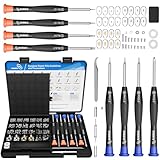
Trying to force it with the wrong tools is how you end up with a mangled screw head and a permanently attached strap you can’t remove. For changing a watch strap with screws, you’ll want a few key items. First and foremost are precision screwdrivers.
I’m talking about a set specifically designed for small electronics or jewelry. Look for sets that have a variety of flathead (or slotted) and Phillips heads, but more importantly, have tiny sizes like 0.8mm, 1.0mm, 1.2mm, and 1.4mm. The exact size you need will depend on the screw head on your watch. You might also need a small set of hex screwdrivers (often called Allen keys) if your watch uses those. (See Also: How To Fix Eyeglasses Arm Without Screw )
These should be made of hardened steel; cheap ones will bend or strip the screw heads faster than you can say ‘frustration’.
Beyond the screwdrivers, a magnifying glass or a jeweler’s loupe is incredibly helpful. These screws are tiny, and your eyesight might not be what it used to be, especially under dim lighting.
A good bright light source is also a must. I’ve got a small LED desk lamp that I can position easily, which makes a world of difference. Some people swear by a tiny bit of jeweler’s rouge or even a dab of toothpaste on the screwdriver tip to give it extra grip on a slightly rounded screw head, though I’d save that as a last resort.
A soft cloth or a watch pillow is key for protecting the watch case from scratches while you’re working. Lastly, if your watch has a particularly stubborn screw or you’re worried about it vibrating loose, a tiny dab of low-strength threadlocker (like Loctite Blue 242) can be applied to the threads before re-screwing. Make sure it’s low-strength, though; you don’t want to permanently fix the strap!
What to Look for in a Precision Screwdriver Set
- Variety of Tip Sizes: Key for matching the exact screw head.
- Hardened Steel Tips: Prevents stripping of screw heads and damage to the tool.
- Swiveling Tops: Makes it easier to control the screwdriver with one hand.
- Ergonomic Handles: For comfort during repetitive tasks.
- Magnetic Tips: Helps hold tiny screws in place.
When I first started doing this, I tried using a standard screwdriver set I had lying around. It was a disaster. The tips were too large, and I ended up scratching the case around the screw head more than once. Investing in a dedicated set, even a relatively inexpensive one, saves you that pain and potential damage. Think of it as buying a specific wrench for a specific bolt – it just works better.
The Actual Process: Step-by-Step, No Bs
Alright, enough theory. Let’s get down to actually changing that strap. This is where we walk through how to change watch strap with screws methodically. First, gather your tools: your precision screwdriver set, magnification (if needed), a good light, and your soft cloth or pillow. Place the watch face down on the soft surface, making sure it’s stable. Identify the screws that hold your current strap or bracelet in place. These are usually located at the point where the strap/bracelet meets the watch case or the end link. You might have one screw on each side of the lug, or sometimes just one screw that goes all the way through.
Select the screwdriver tip that fits the screw head snugly. This is important. If it feels loose, it’s the wrong size, and you risk camming out (stripping) the screw. Once you have the right fit, place the tip into the screw head. Apply firm, steady downward pressure to keep the screwdriver engaged. Now, slowly turn the screwdriver counter-clockwise. Most watch strap screws are standard right-hand threads, meaning they loosen when turned counter-clockwise. If the screw is tight, don’t force it with a sudden jerky motion. Try a little firm pressure and a slow, continuous turn. Sometimes, a tiny bit of movement is all it takes to break the initial tightness.
As you unscrew, pay attention. The screw might be loose, or it might be threaded into a small sleeve that can be tricky. If you’re dealing with a sleeve, you might need to hold it steady with a pair of tweezers or another small tool while you unscrew the main screw.
Once the screw is out, carefully remove the strap or bracelet. Keep the screws somewhere safe! I usually put them back into the holes they came from, or into a small plastic bag or container, clearly labeled. Now, take your new strap.
If it’s a screw-pin type, you’ll simply insert the screw pins into the lug holes and then screw them into the other side of the lug or the threaded sleeve. If it’s a strap that uses the watch’s original screws, align the strap with the lug holes and carefully re-insert and tighten the screws.
Remember: snug, not ‘Hercules’ tight. You don’t want to strip these on the way back in!
A Little Table of Common Screw Types and What to Watch For
| Screw Type | Common On | What to Look For | Opinion/Verdict |
|---|---|---|---|
| Slotted (Flathead) | Older watches, some metal bracelets | Needs a perfectly sized flat blade. Easy to slip if too small or large. | The classic. Reliable if you have the right size, a nightmare if you don’t. |
| Phillips Head | Less common on direct strap attachments, sometimes on clasps | Tiny Phillips tips are important. Easy to strip if the angle is wrong. | Generally avoided for direct lug attachments due to strip-out risk. |
| Hex (Allen) Head | Modern metal bracelets, some high-end straps | Requires a perfectly fitting hex key. Can be very secure. | Good if you have the right size hex keys, but very unforgiving if you don’t. |
| Proprietary (e.g., Pentalobe) | Apple Watch, some specific brands | Requires specialized tools, often from the manufacturer. | Avoid unless you have the exact tool. Frustrating and expensive to get wrong. |
My first attempt at a hex head screw was on a cheap tool watch. I didn’t have the right size hex bit. I ended up rounding the head so badly I had to drill it out. Cost me $50 to get a watchmaker to fix it. Lesson learned: always have the right tool for the job. It’s cheaper in the long run. (See Also: How Measure Metric Computer Screws )
Common Mistakes and How to Avoid Them
Let’s be brutally honest. Most people who struggle with this are making one or more of the same basic mistakes. The biggest one? Using the wrong-sized screwdriver. I’ve seen people try to jam a 1.5mm flathead into a 1.0mm screw slot. It’s a recipe for disaster. The screwdriver slips, tears up the screw head, and might even scratch the watch case. Always, always, always find the screwdriver tip that fits the slot or recess perfectly. It should fill the entire width of the slot without any wiggle room. If it wobbles, it’s too small. If it’s wider than the slot, it’s too big.
Another common pitfall is applying too much force or the wrong kind of force. You’re not trying to break a bolt loose on a car engine. Watch screws are delicate. Jerky movements can strip the screw head or, worse, damage the threads inside the watch case or sleeve. Be smooth, be deliberate. Apply steady downward pressure to keep the screwdriver engaged and turn slowly and consistently. Rushing is your enemy here. I’ve had screws that felt like they were glued in, but a gentle, continuous turn eventually broke them free. The temptation to just jam the screwdriver in and crank is huge, but resist it.
People also forget about threadlockers. Many good quality watches, especially those with metal bracelets, use a tiny dab of low-strength threadlocker on the screws to prevent them from vibrating loose. This is a good thing!
However, if you try to force a screw that’s been threadlocked, you can strip it. If a screw feels unusually tight, it might have threadlocker. Sometimes, gentle heat from a hairdryer (on a low setting, held at a distance) can help soften threadlocker, but be extremely cautious with heat on a watch. I’d only do this on a very basic, non-water-resistant watch and keep the heat very minimal.
Also, don’t forget to put the screw back in correctly. If you’re using a threaded sleeve, make sure it’s properly aligned before you start screwing. And for the love of all that is holy, don’t over-tighten.
Snug is enough to hold, and it prevents stripping or cracking tiny threaded components. I’ve made the mistake of over-tightening and heard a faint crack – never a good sound.
People Also Ask:
How Do You Remove a Watch Strap with Tiny Screws?
To remove a watch strap with tiny screws, you’ll need a precision screwdriver set with very small flathead or Phillips tips, depending on your watch. Gently insert the correct size screwdriver into the screw head and turn it counter-clockwise to loosen. Apply steady downward pressure to prevent slipping. Keep the screws in a safe place and be mindful of any threaded sleeves that might be part of the mechanism.
Can I Use a Regular Screwdriver for Watch Screws?
No, it’s highly recommended not to use regular screwdrivers for watch screws. They are typically too large, too blunt, and not made with the precision required. Using a regular screwdriver will almost certainly damage the tiny screw heads, strip them, or scratch your watch case, making removal impossible or very difficult.
What If I Strip a Watch Strap Screw?
If you strip a watch strap screw, you’ve got a problem. Your best bet is often to try a rubber band trick: place a wide rubber band over the stripped screw head, then press your screwdriver firmly into it and try to turn slowly. If that fails, you might need specialized screw extraction tools for tiny screws, or it may be time to take it to a professional watchmaker who has micro-drills and extraction kits.
How Tight Should Watch Strap Screws Be?
Watch strap screws should be tightened until they are snug, but not overly tight. The goal is to secure the strap firmly without stripping the screw head or damaging the threads within the watch case or sleeve. If you apply too much force, you risk stripping the screw, cracking a threaded sleeve, or even damaging the watch case itself. A gentle tightening until you feel resistance is usually sufficient.
Real-World Use: When Screw Straps Actually Make Sense
So, why bother with these finicky screw systems at all? It’s not just to make our lives difficult. There are legitimate reasons why watchmakers opt for screws. For starters, they offer a much cleaner, more integrated look, especially on high-end watches and metal bracelets. You don’t see the little silver ends of spring bars peeking out from the lugs. This minimalist aesthetic is a big draw for many watch enthusiasts who appreciate the smooth integration of the bracelet or strap into the case. It’s a design choice that prioritizes a sleek appearance.
Beyond looks, screws can offer a more solid connection, especially for heavier metal bracelets. Spring bars can, under extreme stress, fail. While rare for quality spring bars on reputable watches, a screw-in system provides a more positive mechanical lock. This is particularly relevant for dive watches or tool watches that are subjected to significant forces, shocks, or vibrations. (See Also: How To Adjust Eyeglass Screw )
The threaded connection, when done right, is incredibly secure and less prone to accidental detachment. Think about a diver deep underwater or someone working in a demanding environment – a securely attached strap is not just a preference, it’s a safety feature. I’ve seen spring bars bend under significant impact, but a well-screwed strap is much more resilient. It’s a trade-off between ease of changing and perceived security and aesthetics.
I’ve also found that on some very slim or dressy watches, where lug holes might be small or positioned awkwardly, screw-in systems allow for a more precise and secure attachment without compromising the delicate case design. For example, some ultra-thin watches need the strap to sit flush against the case, and spring bars can sometimes create a small gap. Screws allow for a tighter, more flush fit. While I personally lean towards spring bars for their versatility and ease of change (especially with quick-release spring bars now available), I can appreciate the engineering and design intent behind screw-in strap attachments. They serve a purpose, particularly when that smooth look and rock-solid connection are most important.
The key takeaway is understanding the why behind the design. It’s not just about how to change watch strap with screws, but appreciating the engineering that went into them. They’re designed for a specific purpose, often related to aesthetics or enhanced security for demanding applications. So, when you’re faced with one, remember it’s probably there for a good reason, even if it makes your weekend strap-swapping a bit more involved than you’d ideally like.
Practical Tips for a Smoother Swap
Let’s wrap up with a few bits of hard-won wisdom that might just save you some grief. Firstly, patience is your best friend. Seriously. If you’re feeling frustrated, put the watch down, walk away for ten minutes, and come back with a fresh perspective. Trying to force things when you’re angry is when you make mistakes that cost money. Secondly, always work on a stable surface. A wobbly table or a carpeted floor is a recipe for losing tiny screws. Use a tray or a magnetic mat if you have one. I keep a small metal parts tray from my RC car days handy, and it’s perfect for this.
If your watch has a metal bracelet attached with screws, and you’re switching to a leather or rubber strap, you might need to reuse the screws that came with the bracelet. Make sure the new strap has the correct lug width and that the screw holes align perfectly. Some aftermarket straps come with their own screw pins, which simplifies things. If you’re buying a new strap, check its description carefully to see if it includes the necessary hardware. I once bought a beautiful leather strap, only to realize it used a unique screw system that wasn’t included, and I had to hunt down compatible screws, which took longer than the actual strap change.
When you’re done, double-check everything. Give the strap a gentle tug to make sure it’s secure. Admire your handiwork.
You’ve just tackled a task that intimidates many, and you did it yourself. It’s a small victory, but in the world of watch enthusiasts, these little DIY wins are incredibly satisfying.
Remember, practice makes perfect. The more you do it, the smoother and faster it will become.
Don’t be afraid to experiment with different strap materials and colors; a new strap can completely change the look and feel of your watch, and knowing how to change it yourself gives you that freedom. And for the love of all that’s holy, if you’re dealing with an expensive or sentimental piece, and you’re not 100% confident, it’s always better to pay a professional.
A few bucks at a watch shop is a lot cheaper than a botched repair on a treasured timepiece.
Final Verdict
So there you have it. Changing a watch strap with screws isn’t some arcane ritual; it’s just a slightly more involved process than yanking out a spring bar. The key is having the right tools, a steady hand, and a healthy dose of patience. Don’t let those tiny screws intimidate you. With a little practice and the right approach, you’ll be swapping straps like a pro, giving your watches a fresh look whenever the mood strikes.
Remember the little details: the snug fit of the screwdriver, the slow turn, the secure placement of your parts. These things matter when you’re working with delicate mechanisms. If you’ve managed to get this far, you’re probably ready to tackle your first screw-on strap change, or you’ve just confirmed that your previous struggles weren’t entirely your fault.
Now that you know how to change watch strap with screws, go forth and experiment with your watch collection. Just try not to lose any of those minuscule fasteners – they’re the unsung heroes (and sometimes villains) of watch strap replacement.
![AXTH 25-in-1 Small Precision Screwdriver Set, Professional Magnetic Mini Repair Tool Kit for Phone, Computer, Watch, Laptop, Macbook, Ring Doorbell, Eyeglass, Electronic, [Bearing Steel] Screw Driver](https://m.media-amazon.com/images/I/518YlLmPTcL._SL160_.jpg)
