
I remember the first time I lost a tiny screw from my favorite pair of Ray-Bans. They were practically glued to my face, and suddenly, one arm was flopping around like a fish out of water. I panicked, picturing a hefty bill at the optometrist. Then I remembered the junk drawer. That’s where this whole ordeal of figuring out how to fix glasses arm with screws really began.
Most people just toss them or pay an arm and a leg for a simple fix. I’m here to tell you that’s a racket. With a few basic tools and a bit of patience, you can bring your specs back from the brink yourself. Trust me, I’ve been there, fumbling with minuscule parts and feeling like I was performing microsurgery with chopsticks.
The Tiny Screw Saga: Why Your Glasses Fall Apart
Look, glasses are simple machines. They’re designed to sit on your face, help you see, and hopefully, not break the bank. But those tiny screws? They’re the Achilles’ heel of eyewear. They vibrate loose from everyday wear – think walking, talking, or just the general jostling of life. Then, poof! One falls out, and your world goes blurry in more ways than one. I’ve had screws disappear into the abyss of my car floor mats, down drains, or into the mysterious void behind furniture. It’s infuriating, especially when the glasses themselves are perfectly fine, just held together by hope and a prayer.
My own Ray-Bans, the ones I mentioned earlier, cost me a pretty penny – around $180 for that pair. The thought of paying another $50-$100 just to have someone shove a microscopic screw back in? No thanks.
I spent about three hours that first weekend digging through old electronics, looking for anything that might use a similar screw. I found a few, but they were either too big, too small, or the wrong thread pitch. It was a frustrating hunt, a real testament to how little thought goes into making these things easily repairable by the average person. The common advice is always ‘go to your optician,’ which is fine if you’ve got the time and the cash, but it’s not always the most practical solution for a quick fix.
The hinge mechanism itself is usually just two or three small components: the screw, a tiny threaded barrel or post, and sometimes a small washer. When the screw goes missing, the arm loses its connection to the frame. It’s not rocket science, but it requires a delicate touch. I’ve learned that ‘delicate’ is a relative term when your fingers feel like sausages trying to manipulate something smaller than a grain of rice. The real trick is having the right tools, which, surprisingly, are not that hard to come by. Don’t let the fear of losing another screw keep you from fixing them. It’s a skill that pays dividends in saved money and less frustration.
What You Actually Need to Fix It (no, Not Just Tape)
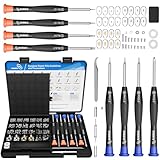
Alright, let’s talk tools. Forget the sticky tape and super glue – those are temporary bandaids that make a mess and often make the problem worse in the long run. You need a proper glasses repair kit. Now, I’m not talking about some fancy, overpriced kit from the optometrist’s office. You can get a decent one online or at a drugstore for about $10-$20. I picked up one from an online retailer a few years back, and it’s been a lifesaver for myself and my family. It cost me $17 and came with a bunch of different sized screws, a tiny screwdriver set, and a small pair of tweezers.
What should you look for in a kit? First, the variety of screws.
You want a good assortment. Most glasses use small Phillips or sometimes flathead screws, but the sizes can vary. (See Also: How To Fix Eyeglasses Arm Without Screw )
A good kit will have at least 20-30 different screws, covering the most common sizes. Second, the tools. You absolutely need a small, precision screwdriver set.
The ones that come in these kits are usually sufficient. They have tiny, magnetic tips, which are a godsend. Trying to handle a screw that small without a magnetic tip is like trying to catch a fly with chopsticks.
You’ll also want a pair of fine-tipped tweezers for gripping those stubborn little buggers. Some kits include a small piece of cloth for cleaning, which is a nice bonus.
One thing I’ve found is that the quality of the case matters. A cheap, flimsy plastic case will likely break apart and lose its contents. Look for something sturdy that keeps everything organized. I’ve also bought small, clear plastic organizers from craft stores and transferred my screw collection into them, labeling each compartment. It sounds overkill, but when you need a specific screw in a pinch, it saves you digging through a jumbled mess. The material of the screws themselves also matters. Most are made of stainless steel, which is good. Avoid kits with plastic screws; they’re not durable enough for eyeglass hinges.
Here’s a quick breakdown of what’s usually in a decent kit:
| Item | Why You Need It | My Verdict |
|---|---|---|
| Assorted Precision Screws | The actual fix. Variety is key. | Must-have. Look for stainless steel. |
| Mini Screwdrivers (Phillips/Flathead) | To turn the screw. Magnetic tip is gold. | Key. Built-in ones are usually fine. |
| Tweezers | For picking up and positioning screws. | Very helpful, especially for small hands. |
| Small Storage Case | Keeps everything together. | Important for organization. Get a sturdy one. |
| Magnifying Glass (Optional) | For seeing those microscopic threads. | Optional, but a lifesaver for older eyes. |
I’ve seen some kits with nose pad arms or temple tips, which is nice if you need those too, but for just fixing an arm, the core items are the screws, screwdrivers, and tweezers.
The Step-by-Step Fix: Taking the Fear Out of It
Okay, deep breaths. This isn’t brain surgery. If you can handle a butter knife without cutting yourself, you can probably fix your glasses. The first step is to identify what’s missing. Is it just the screw, or did the little barrel it screws into also fall out? Most of the time, it’s just the screw. If the barrel is gone, that’s a tougher fix and might require a professional or a replacement part. But assuming it’s just the screw, here’s what you do:
- Gather Your Tools: Get your repair kit, your glasses, and a well-lit surface. A white piece of paper or a tray underneath where you’re working can help you spot any dropped screws.
- Assess the Hinge: Look closely at the hinge. You’ll see a small hole where the screw should be. If there’s still a bit of the screw or a remnant of the thread, you might be able to gently back it out with a small screwdriver to clear the hole.
- Select the Right Screw: This is where patience comes in. Try a few different screws from your kit. You want one that fits snugly into the hole but isn’t so big it forces the hinge open. It should thread easily without resistance. If it feels tight or you have to force it, it’s the wrong screw.
- Position the Arm: Align the glasses arm with the frame. You might need to hold it steady with one hand.
- Insert the Screw: Using your tweezers or the magnetic tip of your screwdriver, carefully place the chosen screw into the hole.
- Start Threading: Gently turn the screwdriver clockwise. You should feel the screw start to bite into the threads. If it feels like it’s just spinning, the screw is too small or the threads are stripped.
- Tighten (Carefully!): Continue to turn the screw until it’s snug. The goal is to secure the arm without overtightening, which can strip the threads or even crack the frame. The arm should move freely but not be loose.
- Test It: Gently open and close the arm a few times. If it feels stable and doesn’t wobble, you’ve done it!
My first attempt was a disaster. I used a screw that was a hair too big, and I ended up stripping the threads on the barrel. The arm was wobbly for about a week before it completely detached again. I learned from that mistake to be more precise with screw selection and to really pay attention to how easily it threads. Also, don’t forget to check the other side. Sometimes one screw loosens, then the stress on the other side causes it to loosen too. It’s a domino effect of tiny metal failures. (See Also: How Measure Metric Computer Screws )
When to Call It Quits: Common Mistakes and When to Get Help
Nobody likes admitting defeat, but sometimes, you just can’t fix it yourself. The biggest mistake people make is forcing things. If a screw isn’t going in easily, don’t jam it. You’re more likely to damage the frame or strip the threads, making a professional repair impossible or much more expensive. I once tried to force a screw into a pair of expensive acetate frames, and I ended up with a tiny crack radiating from the hinge. It was a $200 mistake, and all because I was impatient.
Another common pitfall is using the wrong size screw. If it’s too short, it won’t hold. If it’s too long, it can poke out the other side or interfere with the hinge mechanism. Too wide, and it won’t fit. Too narrow, and it won’t grab the threads. You really need that variety pack to find the perfect fit. I always keep a few extra screws from my kit taped to the inside of my glasses case, just in case one decides to make a break for it mid-day.
When should you throw in the towel and head to an optician? If the hinge itself is bent or damaged, a screw won’t fix that. If the tiny barrel or post that the screw threads into is missing or broken, you’re probably out of luck for a DIY fix.
Sometimes, the frame material around the hinge can become brittle or cracked, especially with older plastic frames. In these cases, a professional can often replace the entire hinge assembly, which is a more involved repair.
Also, if you’ve tried a few times and just can’t get it right, or if you’re dealing with very expensive or delicate frames, it’s probably worth the peace of mind to let an expert handle it. Some opticians offer free basic adjustments and screw replacements if you bought your glasses from them, so it’s always worth asking. But for the vast majority of simple screw-related issues, a DIY fix is totally achievable.
I’ve also seen people try to use glue on the screw threads to keep it from loosening. While this might work in a pinch, it makes future adjustments or replacements a nightmare. If you absolutely must, use a tiny, tiny drop of clear nail polish on the very tip of the screw, or a specialized thread locker like Loctite Blue (which is removable). But generally, a well-fitted screw should stay put. The primary reason screws loosen is vibration and wear, not because they’re inherently faulty.
Real-World Use: Beyond the Hinge
While fixing the hinge screw is the most common reason folks learn how to fix glasses arm with screws, the principles can apply to other tiny screws on your eyewear. Some glasses have screws holding on decorative elements, or even securing the lenses themselves in certain frame types. The same principles of having the right-sized, compatible screw and a steady hand apply. I once had a small decorative metal inlay pop off my sunglasses, and it was held on by a minuscule screw. Thankfully, my trusty repair kit had a screw that was just the right size.
The longevity of your fix depends heavily on the quality of the screw and how well it’s seated. A poorly fitted screw will loosen again quickly. I’ve had DIY fixes last for months, and others fail within days. It really comes down to precision. I recently helped my neighbor fix her reading glasses, which had lost a screw. She’s an artist, and she was so relieved not to have to buy a new pair. She showed me her setup: a magnifying lamp and a small, organized tray for her tools. It made the whole process so much easier than my usual fumbling on the kitchen counter. (See Also: How To Adjust Eyeglass Screw )
The material of the frame also plays a role. Metal frames are generally more forgiving than plastic ones. The threads in metal are usually more solid. Plastic frames, especially cheaper ones, can have threads that strip very easily. This is why being gentle and finding the exact right screw is most important. I’ve seen people suggest using a bit of plastic from a plastic bag melted and reformed, but that’s a whole different level of DIY and usually looks terrible. Stick to the proper screws.
One aspect that many people overlook is the maintenance of the hinge itself. Even with the right screw, if the hinge is dirty or corroded, it won’t function properly and might put extra stress on the screw. A good habit is to periodically clean the hinge area with a dry cotton swab or a soft brush. This makes sure smooth operation and can prevent future issues. It’s like oiling a squeaky door hinge; it just makes everything run better. Remember, these little screws are doing a lot of work holding your vision support system together.
Faq: Your Burning Questions Answered
What Is the Smallest Screw Size for Glasses?
The smallest screws typically used in glasses are around 1.0mm to 1.4mm in diameter. These are incredibly tiny and require specialized precision tools to handle. Most common eyeglass screws fall into the 1.2mm to 2.0mm range. A good repair kit will offer a variety within this spectrum, making sure you have options for different hinge types.
Can I Use Super Glue to Fix My Glasses Arm?
While super glue might seem like a quick fix, it’s generally not recommended for repairing glasses arms. It can create a brittle bond that easily breaks, potentially damaging the frame further or leaving a sticky residue that’s hard to clean. It can also fog up plastic frames or discolor metal. It’s far better to use the correct screws or seek professional help.
How Do I Know If My Glasses Arm Is Just Loose or Broken?
If the arm is wobbly and doesn’t stay in place, it’s likely a loose screw. You’ll see a gap where the screw should be, or the screw itself might be missing. If the arm has snapped off entirely, or if the hinge itself is bent or cracked, then the arm is broken, and a simple screw replacement won’t be enough. In those cases, you might need a new hinge or even new glasses.
Do I Need a Special Screwdriver for Glasses?
Yes, you absolutely need a precision screwdriver set specifically designed for eyeglasses. These screwdrivers have very small heads (often Phillips or flathead) and are usually magnetic, which is important for handling the tiny screws. Standard screwdrivers are far too large and will not work.
Conclusion
So there you have it. Fixing a wobbly glasses arm with a tiny screw is totally doable, and honestly, it’s a little bit helping once you get the hang of it. I’ve saved myself a bunch of cash and hassle over the years by keeping a decent repair kit handy. Don’t let those little screws get the best of you. Grab a kit, find a well-lit spot, and give it a shot. Most of the time, it’s a straightforward process that can extend the life of your favorite frames.
If you’ve tried the DIY route and it’s still not holding, or if the damage is more significant, don’t be afraid to take them to an optician. They have the expertise and specialized tools for more complex repairs. But for the everyday screw-come-loose situation, you’ve got this. Remember, those tiny screws are the unsung heroes holding your world in focus, and a little attention can keep them doing their job.
Next time you feel that tell-tale wobble, reach for your repair kit before you reach for your wallet. You might be surprised at what you can accomplish.
![AXTH 25-in-1 Small Precision Screwdriver Set, Professional Magnetic Mini Repair Tool Kit for Phone, Computer, Watch, Laptop, Macbook, Ring Doorbell, Eyeglass, Electronic, [Bearing Steel] Screw Driver](https://m.media-amazon.com/images/I/518YlLmPTcL._SL160_.jpg)
