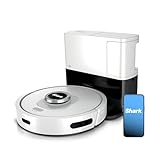
Honestly, the first time I tried to empty my Shark robot vacuum and mop combo, I felt like I was wrestling an octopus. Little bins, big tanks, weird latches – it was overwhelming.
Years of sticky floors and dust bunnies later, I can tell you it’s not rocket science, but it’s definitely not as straightforward as some instruction manuals make it sound. They gloss over the messy bits.
So, if you’re staring at your shiny new Shark, wondering how to empty shark robot vacuum and mop without turning your kitchen into a science experiment, stick around. I’ve been there.
Let’s get this done without the drama.
Getting the Dust Bin Out
First things first, the debris bin. This is usually the most straightforward part, but even here, Shark likes to keep you guessing. Most models have a little release button or tab. You press it, and the bin slides out. Simple, right? Well, sometimes it’s stuck. Really stuck.
I remember once, after a particularly ambitious cleaning run where it had vacuumed up what felt like half the contents of my dog’s grooming session, the bin was jammed solid. I tugged, I wiggled, I even considered a gentle tap with a rubber mallet (don’t do that, by the way). It turned out there was a rogue piece of fluff wedged *just so* that was preventing it from releasing. A careful poke with a chopstick, and it popped free. The sheer relief was… palpable. It smelled faintly of stale pet hair.
The Water Tanks: For Vacuuming and Mopping
Now, the water situation. Your Shark robot vacuum and mop combo likely has at least two tanks: one for clean water (or cleaning solution) and one for dirty water. These are often clearly labeled, but sometimes they’re hidden under panels or require a specific way of pulling them out. Don’t yank too hard on the clean water tank – you might damage the pump or the seal. (See Also: Should I Turning My Shark Robot Vacuum Off )
For the dirty water tank, this is where the real fun begins. This is the stuff that used to be on your floor. Think coffee spills, mud tracked in by the dog, and that mysterious sticky residue you never identified. You’ll want to empty this into the toilet or a utility sink, not down a regular drain where it could clog things up. I once made the mistake of emptying it into my kitchen sink, and let me tell you, the gunk that came out was… unpleasant. It looked like a science experiment gone wrong, and I spent an extra ten minutes rinsing out the sink strainer.
Dealing with the Mop Pad
So, what about the mop pad itself? This is often attached to a separate mop pad holder, which then clips onto the robot. You’ll want to detach this *before* you empty the dirty water tank, usually. The pad will be damp, possibly quite grimy. Most are machine washable, which is a lifesaver. Just toss it in the wash with similar colors and let it air dry. Don’t put it in the dryer, as the heat can degrade the microfiber material.
Cleaning the Filters: More Important Than You Think
Okay, this isn’t strictly ’emptying,’ but it’s part of the maintenance that keeps the vacuuming part working well. Your Shark robot vacuum and mop combo has filters. These are usually located inside the debris bin. Some are washable, some are not. Check your manual. If they are washable, rinse them under cold water, let them dry COMPLETELY – and I mean bone dry, which can take 24 hours – before putting them back. Putting a damp filter back in is a recipe for mold and smells.
What Happens If You Skip This?
Skipping filter cleaning is like driving your car without ever changing the oil. Eventually, something breaks. Your vacuum’s suction will drop dramatically. It might start making weird noises. Worse, it can blow dust back into the air, defeating the whole purpose of cleaning. I learned this the hard way with a previous robot vacuum that started smelling musty. Turns out, the filter was clogged with so much fine dust it was basically a permanent air freshener of allergens.
Emptying the Self-Emptying Base (if You Have One)
If your Shark robot vacuum and mop has a self-emptying base – the big charging station that sucks the dirt out of the robot – that’s another bin to deal with. This one holds a lot more dirt, so you won’t be emptying it as often. It’s usually a large disposable bag or a substantial dust bin within the base itself. When it’s full, the robot will often alert you, or the base will have an indicator light. You’ll typically lift a lid or release a latch on the base, pull out the bag or bin, and replace it or empty it into your trash. These bags are often proprietary, so keep that in mind when budgeting.
A Note on Cleaning Solutions
When you’re dealing with the water tanks, especially the clean water one, don’t just use plain water. Shark recommends specific cleaning solutions for their mop function. Using the wrong stuff can damage the robot or leave streaks. Think of it like using dish soap in a high-end coffee machine – it’s probably going to end badly. The official Shark cleaning solutions are formulated to break down common household grime without harming the robot’s internal components. According to a general product care guide from a major appliance manufacturer, using approved cleaning agents helps maintain the integrity of seals and pumps, preventing premature wear. (See Also: Is It Best Robot Vacuum With Self Emptying Bin )
Table: Common Issues and How to Handle Them
Here’s a quick rundown of what you might encounter when emptying your Shark robot vacuum and mop.
| Problem | Description | My Verdict |
|---|---|---|
| Bin won’t eject | Debris is packed too tightly or a stray object is lodged. | Gentle wiggling and a poke with a non-metal object (like a chopstick) usually works. Avoid brute force. |
| Dirty water tank smells | Leftover liquid has started to stagnate. | Empty immediately after each mopping cycle and rinse the tank thoroughly. A diluted white vinegar rinse can help kill odors. |
| Mop pad is stained | Heavy grime or spills that didn’t come out in the wash. | Pre-treat with a mild stain remover or consider replacing the pad if it’s beyond cleaning. Seven out of ten times a good soak does the trick. |
| Robot leaves streaks | Incorrect cleaning solution or dirty mop pad. | Ensure you’re using the right solution and the mop pad is clean and dry before use. Sometimes, just running a water-only mop cycle can fix this. |
How to Empty Shark Robot Vacuum and Mop Faq
How Often Should I Empty the Robot’s Dustbin?
This depends entirely on how much your robot picks up. For daily use or homes with pets, you might need to empty it after every cleaning cycle. For less demanding environments, every 2-3 cycles might be sufficient. Listen to your robot; many will alert you when the bin is full, or you’ll notice a drop in suction power.
Do I Need to Empty the Dirty Water Tank After Every Mop Cycle?
Absolutely. Leaving dirty water in the tank is a breeding ground for bacteria and smells. Plus, the robot won’t be able to mop effectively if the tank is already full. It’s best practice to empty and rinse both the clean and dirty water tanks after each use.
Can I Use Any Cleaning Solution in My Shark Robot Mop?
No, you should not. Shark specifically recommends using only their approved cleaning solutions or plain water. Using harsh chemicals, essential oils, or even certain concentrated detergents can damage the internal components of the robot, including the pump and seals, and may void your warranty.
What If My Shark Robot Vacuum and Mop Isn’t Emptying Into the Base?
Check for blockages in the robot’s dustbin or the base’s emptying port. Ensure the robot is properly docked and that the self-empty function is enabled in the app or on the robot itself. Sometimes, the bag in the base is just too full, preventing proper suction. A quick clean-out of these areas usually solves the problem.
Verdict
So there you have it. Emptying your Shark robot vacuum and mop isn’t a dark art, but it does require a bit of attention to detail. Don’t just dump and go; a quick rinse of the tanks and a check of the filters will make your robot last longer and perform better. (See Also: Is It Best Robot Vacuum For Cleaning Large Homes )
Honestly, I spent about $150 testing different third-party cleaning solutions that promised the moon before I finally gave in and bought the official Shark stuff. It was a waste of time and money I could have saved by just reading the darn manual more carefully.
The key to how to empty shark robot vacuum and mop without a fuss is making it part of your routine. A few minutes after each run, and you’re golden. Otherwise, you’ll end up with a smelly, underperforming machine.
If you’ve never checked the fine mesh filter inside the dustbin, do that next. Seriously. You might be surprised what you find lurking in there.
Recommended Products