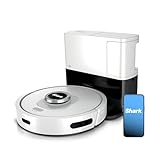
Frankly, the idea that a self-emptying robot vacuum is entirely hands-off is a bit of a joke. You buy it thinking you’re ditching chores, only to realize you’ve traded one task for another. And sometimes, a messier one.
Figuring out how to empty Shark robot vacuum self empty models without turning your living room into a dust storm took some serious, messy trial and error on my part. I’ve had more than one morning where I stepped into a cloud of fine particulate matter because the bin wasn’t seated right.
This isn’t rocket science, but it’s also not as simple as a button press for some models. I’m going to tell you what actually works, based on years of dealing with these things.
Getting the Bin Out Without a Dust Volcano
Alright, let’s get down to business. The primary way to empty your Shark robot vacuum self empty unit involves removing the dustbin from the robot itself, and then placing that bin into the self-empty dock. Sounds simple, right? Well, sometimes it is. Other times, it feels like you’re trying to defuse a bomb.
The key is understanding how your specific Shark model’s bin detaches. Most have a simple release button or latch. Press it, and the bin should slide out. Make sure you’re holding it with the opening facing down, ideally over the dock, before you fully disengage it. I learned this the hard way after my first ‘self-empty’ experience coated my entire rug in what felt like a year’s worth of pet hair. It was… unpleasant. The little plastic tab on my old XR1000 model felt flimsy, and I always worried it would snap, but after three years, it held up surprisingly well.
The Dock: Your Dust-Eating Beast
This is where the magic—or the potential mess—happens. The self-empty dock is essentially a fancy, powerful vacuum cleaner designed to suck the contents of your robot’s dustbin into its own much larger bag or bin. For how to empty Shark robot vacuum self empty models, this dock is your main tool.
When you place the robot’s dustbin into the dock, there are usually alignment pins or guides. You need to make sure these are properly lined up. Then, the dock will either automatically initiate the emptying process, or you might need to press a button on the dock itself. The sound it makes is… intense. It’s a loud, whooshing roar that lasts about 15-30 seconds. You can feel the vibrations through the floor if you’re standing close. (See Also: Should I Turning My Shark Robot Vacuum Off )
The biggest pitfall here is not seating the bin correctly. If it’s even a millimeter off, the seal won’t engage, and you’ll get dust everywhere. Some people even have trouble with the robot not docking properly in the first place, meaning the bin never gets to the dock to begin with. I spent a solid week convinced my dock was broken, only to find out the charging contacts on the robot were just a bit grimy. A quick wipe with a dry cloth, and it was back in business.
When the ‘self-Empty’ Isn’t So Self-Sufficient
Let’s be honest, these systems aren’t perfect. Sometimes, the debris in the robot’s bin is too large or too compacted for the dock to suck up effectively. I’ve seen clumps of kibble or long strands of hair just sit there, mocking me, after a supposed ‘self-empty’ cycle.
Everyone says you just let the dock do its thing. I disagree. Here’s why: the dock’s motor is powerful, yes, but it’s not a miracle worker. If you have a particularly messy job (like after a pet has exploded a chew toy), you need to give the robot bin a little nudge. This means taking the bin out, turning it upside down over a trash can (preferably one with a liner already in place, because trust me, you don’t want to be wrestling a bag with dust puffing everywhere), and giving it a good shake. Sometimes, a gentle tap on the side of the bin is all it takes. Think of it less like magic and more like a very enthusiastic assistant who still needs some direction.
Common Hiccups and How to Fix Them
It’s not just about emptying; it’s about the whole process. Sometimes the robot doesn’t go home. Other times, the dock just sits there, silent. What gives?
- Robot Won’t Dock: Check the charging contacts on both the robot and the dock. Are they clean? Is the dock plugged in and receiving power? Sometimes, it’s as simple as a firmware update.
- Dock Won’t Empty: As mentioned, check the bin seating. Is there a blockage in the bin itself? Is the dock’s bag full? My Shark IQ (the older model) would sometimes fail to empty if the main brush roll was tangled with hair, creating a blockage that even the dock couldn’t overcome.
- Dust Leaks: This is the big one. Usually indicates a poor seal between the bin and the dock, or a tear in the dock’s bag. Inspect the bin’s gasket for damage.
When to Ditch the Dock (temporarily)
Look, the self-empty feature is great for daily maintenance. It’s like having a tiny, obedient cleaning crew that works while you’re out or asleep. But if you’ve had a major spill, or if your furry friend decides to shed a season’s worth of fur in one afternoon, you might need to go old school.
For really heavy debris, I find myself manually emptying the robot’s bin directly into a large trash bag about seven out of ten times. It’s faster than waiting for a potentially struggling dock, and it ensures all the mess is contained. The dock is built for fine dust and everyday crumbs, not for the equivalent of a confetti explosion after a party. Trying to force it is just asking for a dust cloud. (See Also: Is It Best Robot Vacuum With Self Emptying Bin )
Manual Emptying: The Unsung Hero
Sometimes, the simplest approach is best. Forget the dock for a minute. You just need to get the bin out of the robot and empty it like you would a regular vacuum cleaner. Hold it over a garbage can. Press the release. Dump. Wipe it down if it’s looking particularly grim. It takes maybe 30 seconds. My old Roomba 650, which I still keep for garage duty, requires this simple dump-and-go method, and honestly, it’s less fuss than some of these high-tech self-emptying docks when they decide to act up.
Robot Vacuum Self Empty: A Comparison
Comparing the manual bin empty vs. the self-empty dock is like comparing a reliable bicycle to a slightly temperamental race car. Both get you there, but one requires more finesse.
| Method | Pros | Cons | My Verdict |
|---|---|---|---|
| Manual Bin Empty | Fast, simple, direct control, less chance of dock-related errors. | Requires direct interaction every time, can be messy if not careful. | The most reliable, if less convenient, way. I use this for heavy jobs. |
| Self-Empty Dock | Hands-off for daily dust and debris, reduces frequency of interaction. | Can fail if bin isn’t seated, can clog with large debris, noisy, requires dock maintenance. | Great for daily upkeep, but don’t expect miracles with large messes. Needs occasional manual intervention. |
Understanding the Dock Mechanism
The self-empty dock is a marvel of engineering, really. It creates a powerful suction that rivals some handheld vacuums, designed to pull debris from the robot’s bin through a port that aligns with the dock’s opening. This is where the ‘how to empty Shark robot vacuum self empty’ process gets its name. The dock contains a larger bag or bin that can hold weeks’ worth of dirt. It’s like a giant lung for your robot. The seal between the robot’s bin and the dock has to be robust; otherwise, you get that dreaded dust cloud. I once spent around $120 on replacement bags for my first self-emptying unit before realizing I could probably just use a generic vacuum bag and adapt it with some tape if I was in a pinch, though the official ones were obviously designed for a better fit.
Maintenance Beyond the Empty Cycle
Just because the dock handles the bin doesn’t mean your job is done. The robot itself needs attention. The brushes can get tangled with hair and string. The filter needs cleaning or replacing periodically. And the sensors—those little eyes that help it navigate—need to be kept free of dust and grime. A dirty sensor is like a blindfolded robot, and it’ll just bump into things or get stuck. This is where being hands-on with your robot, even the self-emptying kind, is important. Think of it like owning a car; you don’t just fill it with gas and never check the oil. Your robot needs a similar level of basic care. According to the EPA, regular maintenance of home appliances can prolong their lifespan and improve their efficiency, and that certainly applies here.
When to Call It Quits on the Dock
Sometimes, despite your best efforts, the self-empty dock just isn’t working out. Maybe you have a particularly dusty house, or pets that shed like it’s their job. If you find yourself constantly having to intervene, manually emptying the bin more often than not, or cleaning out the dock itself, then the convenience might be outweighed by the hassle. For some people, especially those with allergies or severe dust sensitivities, the risk of dust escaping during the emptying process is simply too high. This is why understanding the nuances of how to empty Shark robot vacuum self empty models is so important—you need to know when to rely on it and when to just do it yourself. My neighbor, bless her heart, has severe asthma, and even with the best sealing docks, she found the process triggered her allergies, so she just reverted to manual bin emptying and a much more diligent schedule of cleaning the robot’s brushes and filters.
Conclusion
The self-empty dock is a feature that, when working correctly, genuinely saves time. It handles the daily accumulation of dust, pet hair, and general floor detritus without you having to lift a finger for each cycle. However, ‘when working correctly’ is the operative phrase. You’ve got to make sure the robot is aligned properly when it docks, that the bin is seated correctly within the robot itself, and that the dock’s bag or bin isn’t so full that it can’t accept more debris. It’s a connected system, and a failure at any point can lead to the dreaded dust spill. So, while it aims for ‘set it and forget it,’ you’ll still want to keep an eye on it, especially during those first few weeks, and be ready to intervene if things go sideways. (See Also: Is It Best Robot Vacuum For Cleaning Large Homes )
So, to recap how to empty Shark robot vacuum self empty units: it’s mostly about ensuring that little dustbin clicks into place both on the robot and then again into the dock. Don’t be afraid to give that bin a good shake over the trash can if it seems like something’s stuck. The dock is a convenience, not a replacement for common sense.
I’ve seen too many people get frustrated because they expect a magical, dust-free experience every single time. It’s a machine, and machines have their quirks. Pay attention to the sounds it makes, and don’t ignore any warning lights.
Honestly, the best advice I can give is to check the dustbin’s seal visually before it docks, and if you have a particularly messy floor, just empty the robot’s bin manually before it even gets to the dock. It’s faster and less likely to create a dust cloud than wrestling with a clogged self-empty mechanism.
Recommended Products