Honestly, finding the right Shark robot vacuum can feel like trying to catch smoke. You see them advertised everywhere, promising spotless floors with zero effort, but the sheer number of models and their slightly different features can make your head spin.
I’ve been there, staring blankly at online listings, wondering which one actually does what it says on the tin and which one is just a shiny box that bumps into furniture. My first Shark robot? Total disaster. It got stuck under the couch within ten minutes and never found its way back to the dock. Waste of money.
So, if you’re asking yourself how to find Shark robot vacuum models that won’t leave you frustrated, pay attention. This isn’t about marketing fluff; it’s about what actually works in the real trenches of home cleaning.
Shark Robot Vacuum Models: What’s Actually Different?
The biggest headache when you’re trying to figure out how to find Shark robot vacuum units is the naming convention. They throw letters and numbers at you like confetti, and most of us just want a vacuum that cleans. You’ve got the IQ Navigation, the self-empty bases, the UltraClean modes… it’s enough to make you want to grab a broom and dustpan and call it a day. But don’t. There are gems in there, you just need to know what to look for.
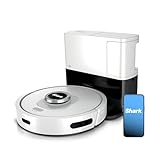
Take the self-emptying base, for instance. Sounds fancy, right? And it is, to a degree. It means you don’t have to empty the tiny dustbin after every single run, which is a godsend if you have pets or a particularly dusty house. I spent a solid two months with a model that *didn’t* have it, and I swear I was emptying that thing more often than I was emptying my own trash. The dustbin itself is often barely bigger than a coffee cup. Having the base is like giving your robot a tiny butler who cleans up after it.
But here’s the thing: not all self-emptying bases are created equal. Some are just a suction port, others have more robust filtration. And, let’s be blunt, they add a good chunk of cost. Is it worth it? For me, after that initial dustbin-emptying nightmare, yes. But if you live in a small, impeccably clean apartment, maybe not. Think about your own mess level.
The IQ Navigation versus other navigation systems? This is where things get a bit technical, but it matters. The higher-end models will map your home, letting you set no-go zones and target specific rooms. This is crucial if you have delicate furniture or areas you just don’t want the robot venturing into. My sister’s cat once decided a robot vacuum was its new best friend and rode it around like a chariot, straight into a floor lamp. A no-go zone would have prevented that particular incident. Other models use more random patterns, which are fine for open spaces but can be a bit hit-or-miss in complex layouts.
Honestly, the ‘UltraClean’ mode sounds like marketing jargon, but in practice, it means the robot goes over an area multiple times. If you have really ingrained pet hair or stubborn dirt, this feature actually makes a noticeable difference. It’s not just a faster pass; it’s a more thorough one, and you can see it in the dust bin – or rather, the self-empty base.
The feel of the plastic on these things can vary too. Some feel cheap and flimsy, like they might crack if you dropped them (which, let’s face it, robots do). Others have a more solid, substantial feel. I’ve had one robot that vibrated so much on my hardwood floors, it sounded like a small earthquake was happening in my living room. The Shark models I’ve tested lately feel pretty well-built, with a satisfying click when you attach the base or put the dustbin in. It’s a small thing, but it adds to the overall impression of quality. (See Also: Should I Turning My Shark Robot Vacuum Off )
My ‘eureka!’ Moment: The Pet Hair Problem
Here’s a personal failure story for you. I thought I was being clever. I bought a Shark robot vacuum model that was advertised as ‘great for pet owners’. It was mid-range, didn’t have the self-empty base, but it had decent suction. For a week, it was okay. Then, my golden retriever decided his shedding season was year-round. Suddenly, that little dustbin was overflowing after *every single pass*. I’d run it, empty it, run it again, empty it again. It was more work than vacuuming myself.
I was genuinely frustrated. What was the point? I felt like I’d wasted about $350 on something that was just… decorative. This went on for three miserable weeks until I finally threw my hands up and looked at the next tier of Shark robots. I ended up with one that had the self-empty base and a slightly different brush roll design. That shift changed everything. The new one could handle the sheer volume of dog hair, and the self-empty base meant I only had to deal with emptying the *base* every few weeks, not the robot’s tiny internal bin multiple times a day. It was a classic case of trying to save a few bucks upfront and ending up with a much bigger headache and less effective cleaning.
Overrated vs. Underrated Features
Everyone talks about suction power. And yeah, it matters. But honestly, I think the self-emptying base is criminally underrated for people with pets or busy lives. It genuinely reduces the day-to-day interaction you have with the vacuum to almost zero, aside from occasional maintenance. It’s not just about convenience; it’s about making the robot actually *usable* long-term without becoming a chore itself.
On the flip side, I find the whole ‘voice control’ integration with AI assistants a bit overrated for the core function. Does it *work*? Sure. Can I tell my robot to start cleaning from the couch? Yes. But is it a feature that dictates my purchase decision? Not really. The actual cleaning performance, the navigation, and the maintenance needs (like that self-emptying base) are far more important to me than whether it can respond to a specific Alexa command.
Think of it like a car. Everyone wants horsepower, but if the car has no brakes, what’s the point? Suction is the horsepower, but the navigation and the self-emptying base are your brakes and steering wheel – they make it functional and manageable.
| Feature | Pros | Cons | Verdict |
|---|---|---|---|
| Self-Emptying Base | Massively reduces daily maintenance, great for dust and pet hair. | Adds significant cost, takes up extra space. | Must-have for pet owners and the perpetually busy. |
| IQ Navigation / Home Mapping | Precise cleaning, room selection, no-go zones, efficient coverage. | More expensive models, can be complex to set up initially. | Highly recommended for homes with obstacles or specific cleaning needs. |
| Suction Power (AW/Pa) | Effective for picking up debris and dirt. | Can be noisy, higher power often means shorter battery life. | Important, but often overemphasized compared to navigation. |
| App Control | Scheduling, remote start/stop, cleaning history, customization. | Can be buggy, reliant on Wi-Fi signal. | Useful for automation and convenience. |
Considering Your Home Layout and Cleaning Needs
When you’re trying to figure out how to find Shark robot vacuum models that fit your life, don’t just look at the flashy ads. Look at your floors. Do you have a lot of high-pile carpet? Some robots struggle with that. Do you have dark floors? Some older sensors had issues distinguishing dark carpet from a drop-off. Shark has gotten better, but it’s worth checking reviews for specific floor types.
The amount of furniture you have is another big one. If your house is a maze of chair legs and coffee tables, you need a robot with good obstacle avoidance and smart navigation. The cheaper, random-bounce models will just get stuck repeatedly. I once watched a cheap robot spend twenty minutes trying to escape from under a dining chair. It was like a tiny, confused prisoner.
Pet owners, I cannot stress this enough: if you have shedding pets, you need to prioritize the self-emptying base and a brush roll designed to handle hair. Otherwise, you’re setting yourself up for frustration. The good news is, many of Shark’s higher-end models now come with these features built-in. The newer brush designs often look like a combination of fins and brushes, which seems to prevent the dreaded hair wrap that plagues simpler brush rolls. It feels smooth when you run your hand over it, with no snags. (See Also: Is It Best Robot Vacuum With Self Emptying Bin )
Think about battery life, too. A robot that cleans your entire house in one go is obviously better than one that needs to recharge halfway through. Check the claimed run time, but also look for reviews that mention real-world performance. My own experience suggests advertised run times are often optimistic, especially on higher power settings or when navigating complex areas. A robot that consistently lasts for about 75-80% of its advertised run time in normal conditions is usually a good bet.
The American Society of Home Inspectors (ASHI) doesn’t have specific guidelines for robot vacuums, but their general principles for home maintenance emphasize regular cleaning and upkeep. Applying that to robot vacuums means choosing a machine that you can actually maintain without it becoming a second job. A machine that requires constant intervention defeats the purpose of automation.
How Do I Find the Best Shark Robot Vacuum for My House?
Start by assessing your home’s layout and your biggest cleaning challenges (pets, dust, high-traffic areas). Then, prioritize features: self-emptying base for pets/convenience, smart mapping for complex homes, and robust brush rolls. Read reviews, especially from people with similar home environments.
Are Shark Robot Vacuums Worth the Money?
Generally, yes, especially the mid-to-high-end models. They offer effective cleaning, good navigation, and useful features like self-emptying bases. The cheapest models might be less reliable for complex homes or heavy-duty cleaning.
What Is the Difference Between Shark Robot Vacuum Models?
The main differences lie in navigation technology (random vs. smart mapping), the presence and type of self-emptying base, suction power, brush roll design (especially for pet hair), and smart home integration features.
How Often Should I Replace My Shark Robot Vacuum?
With proper maintenance (cleaning filters, brushes, sensors), a Shark robot vacuum can last anywhere from 3 to 5 years, sometimes longer. Battery degradation is often the first component that might need replacing.
Maintenance: The Unsung Hero
Look, no matter how you find your Shark robot vacuum, if you don’t maintain it, it’s going to fail. It’s not like a magic wand that just works forever. You’ve got to clean the brushes. You’ve got to check the filters. You’ve got to wipe down the sensors. I’ve seen people treat these things like disposable gadgets, and then they complain when they stop working after six months. That’s not the robot’s fault; that’s user error.
My own ritual is pretty simple: every Saturday morning, while my coffee brews, I spend about five minutes clearing the main brush roll of any tangled hair or string. I also check the side brushes and give the dustbin a quick wipe, even if it’s in the self-emptying base. It takes no time at all, and it makes a world of difference to the robot’s performance. If you skip this, you’ll start noticing it missing spots, getting stuck more often, or just not picking up as much. It’s like ignoring the oil change on your car; you might get away with it for a while, but eventually, it’s going to break down. (See Also: Is It Best Robot Vacuum For Cleaning Large Homes )
The filters, too, can get gunked up. Most Shark models use washable filters, which is great. Just rinse them under water, let them dry completely (this is crucial—never put a damp filter back in), and pop them back in. Doing this every few weeks keeps the suction strong and prevents dust from recirculating back into your air. This isn’t rocket science; it’s just basic upkeep that ensures your investment keeps performing.
Finding Your Specific Shark Robot Vacuum
So, how do you actually pinpoint the right one? Start by looking at the model numbers that have ‘RV’ in them, as that’s common for Shark robots. Then, focus on the features we’ve discussed. If you see ‘Self-Empty’, ‘XL Dustbin’, ‘IQ Navigation’, ‘Home Mapping’, or ‘UltraClean Mode’, those are generally good indicators of higher-end, more capable models. For pet owners, look for terms like ‘Pet Hair’ or ‘High-Traffic’ in the product description or name.
I’d personally recommend looking at models that have a dedicated app. The app is where you’ll set up your home map, define no-go zones, schedule cleanings, and see cleaning history. It’s like having a command center for your robot. While some people might find the app setup a bit fiddly, it’s essential for getting the most out of a smart mapping robot. Without it, you’re just using it as a glorified random bumper-bot.
Don’t be afraid to check reviews on retailer sites, but also look at tech review sites that do more in-depth testing. Sometimes, a retailer review might just say ‘it works great!’, but a tech site will tell you *why* it works great, or point out a specific flaw that might be a dealbreaker for you. I once saw a review that mentioned a specific model always getting stuck under a particular type of furniture. That detail alone saved me hours of potential frustration.
Ultimately, how to find Shark robot vacuum models that won’t disappoint comes down to understanding what *you* need. It’s not about buying the most expensive one, but the one that addresses your specific cleaning pain points. For me, that meant prioritizing the self-emptying base and smart mapping. For you, it might be different, but the principles remain the same: assess, prioritize, and maintain.
Final Thoughts
After all this, figuring out how to find Shark robot vacuum models isn’t about magic formulas. It’s about being a smart shopper and knowing what features actually matter for *your* home and your life, not just what the marketing department wants you to think.
Don’t get dazzled by fancy words. Focus on the practicalities: does it have a decent bin? Can it map your house? Is it easy to maintain? If you’re dealing with pet hair, that self-emptying base is your best friend, trust me on this one.
So, before you click ‘buy’, take a hard look at your own cleaning chaos and match it to the features. It’s the only way to ensure you’re not just buying another expensive dust collector.
Recommended Products