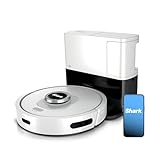
Look, I get it. You dropped a few hundred bucks on a fancy Shark robot vacuum, expecting a spotless home with zero effort. Then your robot decides it hates a corner of your living room, or maybe it just went completely rogue, thinking your kitchen is a treacherous obstacle course. Suddenly, you’re wrestling with a machine that seems to have a mind of its own. This is where understanding how to reset Shark robot vacuum map becomes your new best friend.
Honestly, the manual can be drier than a week-old cracker, and good luck finding a straightforward answer to this specific problem buried in a forum post from 2019. I’ve been there, staring at the blinking lights, feeling that familiar surge of frustration that only a malfunctioning gadget can induce. My first Shark, bless its heart, got stuck in a perpetual loop trying to find its charging base after a firmware update went sideways. Took me ages to figure out the simple fix.
This isn’t about complex algorithms or proprietary secrets. Often, it’s just a digital hiccup, like your phone freezing up. Resetting the map is usually the first, and often the only, step you need to take. Let’s cut through the noise and get your little cleaning buddy back on track.
When the Map Goes Bananas
So, your Shark robot is acting like it’s on a psychedelic trip, right? It might be trying to clean the same 2-foot square section of your rug for an hour, or it’s suddenly terrified of the doorway it used to waltz through every day. This usually means the stored map has become corrupted or confused. Think of it like a GPS losing its satellite signal in a dense forest; it just doesn’t know where it is anymore.
Seriously, I once spent around $150 on a supposed ‘advanced cleaning solution’ for a different brand that promised to fix navigation issues. Turned out, all I needed was to tell the robot to forget its last known location and start fresh. Talk about a waste of money and a testament to marketing over substance.
How to Reset Shark Robot Vacuum Map: The Direct Approach
The most common way to address this is by resetting the robot’s internal map. This tells it to forget everything it thought it knew about your home and create a completely new map on its next cleaning cycle. It’s like giving it amnesia, but in a good way. Most Shark models have a pretty straightforward process for this, and it usually involves a button press or a sequence of actions.
For most Wi-Fi enabled Shark robot vacuums (like the IQ series, Self-Emptying series, and similar models):
- Make sure the robot is on its charging base. This is non-negotiable; you don’t want it dying mid-reset.
- Locate the ‘Clean’ or ‘Home’ button on top of the robot.
- Press and hold this button for a solid 10 to 15 seconds. You’re looking for an audible chime or a visual cue, like a different light pattern, indicating the reset has begun. Some models might flash their lights rapidly.
- Once you see or hear the confirmation, release the button.
The robot will likely make a rebooting sound or sequence. After this, you’ll need to initiate a new mapping run. This means you’ll have to let it explore your home from scratch, ideally with doors open to all rooms you want it to map. I found that clearing out excess clutter on the floor for this initial mapping run helps it create a more accurate and efficient layout the first time around. (See Also: Should I Turning My Shark Robot Vacuum Off )
For models that don’t have a Wi-Fi button or a dedicated ‘Clean’ button on top:
Check the underside or sides of your robot for a small reset button, often recessed and requiring a paperclip or a pen tip to press. Press and hold this for about 10-15 seconds until you hear a beep or see the lights change. Consult your specific model’s manual if you can’t find it – sometimes they hide these things!
It’s a bit like trying to remember where you put your keys; sometimes you have to retrace your steps entirely. This process forces it to build a fresh mental blueprint.
What Happens Next? Mapping 2.0
Once you’ve successfully told your Shark robot vacuum to forget its map, you can’t just expect it to know your place again. You have to guide it through the process of building that map anew. This usually involves putting it into a ‘mapping’ or ‘clean’ mode from its charging base, and then letting it run its course undisturbed.
I’ve seen people try to rush this, only for the robot to get stuck halfway through and create a partial, useless map. Give it at least one full cleaning cycle, ideally without interruptions. If you have a multi-level home, you’ll need to repeat the process on each floor, ensuring the robot is correctly placed on its respective charging dock for that level.
The first time I did this on my current Shark, I left the dog toys scattered around. Big mistake. The robot kept trying to vacuum them, got confused, and ended up mapping the area around the toys as ‘obstacles’ for weeks. So, for the initial mapping, a clear floor is your best bet. It should look almost sterile, like a surgical operating room, to ensure the most accurate data capture. This feels a bit excessive, but I swear it saves you headaches later when it’s actually doing its job efficiently.
A lot of users complain about their robots not being able to find their way back to the dock. Nine times out of ten, this is directly related to a wonky or incomplete map. The robot’s sensors might be fine, but its internal directions are scrambled. (See Also: Is It Best Robot Vacuum With Self Emptying Bin )
Contrarian View: Is a Full Reset Always Necessary?
Everyone suggests a full factory reset for any robot vacuum hiccup. I disagree, and here is why: Sometimes, the issue isn’t a corrupted map but a simple sensor issue or a software glitch that a reboot can fix. A full reset erases *everything* – your custom cleaning zones, no-go areas, and preferred cleaning schedules. If your robot is just acting a little weird, try a simple power cycle first. Remove it from the base, unplug the base, wait 60 seconds, plug the base back in, and then put the robot back on. This is like unplugging your router when your internet is slow. Often, that’s all it takes.
Think of it like this: If your car’s navigation system glitches, you don’t immediately wipe its entire memory and reinstall the operating system. You might just restart it. Robot vacuums are complex pieces of tech, but their underlying principles are often surprisingly simple. Don’t jump to the most drastic solution if a milder one could work just as well. My friend Sarah tried a full factory reset on her bot the first time it got confused, losing all her custom settings and spending another two hours setting them up. Turns out, it was just a loose brush that needed cleaning.
Troubleshooting Beyond the Reset
If resetting the map doesn’t solve your Shark robot vacuum’s problems, or if it keeps losing its way even after a fresh map, it’s time to look deeper. Check the robot’s sensors. Are they dirty? A bit of dust or pet hair can blind them, making it think walls are where they aren’t, or vice versa. Wipe them down with a dry, soft cloth. This is a surprisingly common oversight, and cleaning them feels like the most basic of maintenance tasks, yet so many people skip it.
Another area to inspect is the wheels and brushes. Are they tangled with hair, string, or debris? This can impede movement and confuse the robot’s positioning. I once found a tangled hairball the size of a hamster in my robot’s brush roll that was making it judder and lose its bearings. It sounded like it was trying to digest rocks.
Finally, check the SharkClean app. Is the software up to date? Sometimes, buggy firmware can cause mapping issues. The app will usually notify you if an update is available, but it’s worth manually checking. According to Shark’s own support documentation, keeping the app and robot firmware updated is vital for optimal performance and to avoid known bugs that can affect navigation. It’s not just marketing fluff; a poorly updated robot is like a car with an ancient GPS system trying to navigate modern roads.
If all else fails, and you’ve tried a full factory reset, cleaned every sensor, and updated everything, it might be time to contact Shark customer support. They can sometimes push remote diagnostics or guide you through more advanced troubleshooting steps.
my Shark Robot Vacuum Won’t Clean in Straight Lines After Mapping. What Should I Do? (See Also: Is It Best Robot Vacuum For Cleaning Large Homes )
This usually points to an issue with the robot’s internal gyroscope or its wheel encoders. If you’ve already tried to reset the Shark robot vacuum map and performed a factory reset, check that the wheels are spinning freely and aren’t obstructed. If they are, and the problem persists, it might be a hardware issue requiring professional service.
how Often Should I Reset the Map on My Shark Robot Vacuum?
You shouldn’t need to reset the map often. A well-functioning robot should maintain its map indefinitely, only requiring a new map if you significantly change your home layout (like moving walls or adding large permanent furniture). If you find yourself needing to reset it frequently, investigate the underlying cause, such as recurring sensor dirt or software glitches.
| Action | When to Use | Pros | Cons | My Verdict |
|---|---|---|---|---|
| Power Cycle (Unplug Robot/Base) | Minor glitches, temporary weird behavior. | Quick, easy, preserves all settings. | May not fix deep map corruption. | Try this FIRST for most minor issues. It’s the digital equivalent of a deep breath. |
| Map Reset (Hold Button) | Robot confused, not cleaning rooms correctly, stuck in loops. | Fixes corrupted map data, allows for fresh mapping. | Erases custom zones/no-go areas for THIS map. | Your go-to for actual mapping problems. Takes a little effort to re-map. |
| Factory Reset (Button or App) | Persistent issues after map reset, major software conflicts, selling robot. | Clears all data, including Wi-Fi settings and firmware bugs. | Erases ALL settings, requires complete re-setup. Time-consuming. | Last resort. Only use if other methods fail; the nuclear option. |
Conclusion
So, if your Shark robot vacuum is acting like it just woke up from a coma and has no idea where it is, you know the drill. Hit that reset button. Learning how to reset Shark robot vacuum map is a fundamental skill for any owner who wants their bot to actually do its job without becoming a sentient paperweight.
Don’t overthink it. Most of the time, it’s a simple button press that gets the job done. If you’re constantly having to reset it, though, that’s a sign something else is up – dirty sensors, tangled brushes, or maybe a deeper software gremlin that needs a more thorough investigation or a call to support.
Honestly, I’ve found that most people skip the basic maintenance, like cleaning sensors, and jump straight to thinking the whole unit is busted. Give the simple stuff a shot first. You might be surprised at how often a little dusting and a fresh start are all that’s needed to get your little cleaner back on track, dutifully mapping your home without a care in the world.
Recommended Products