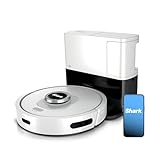
Got a Shark RV750 robot vacuum that’s acting like it’s had one too many energy drinks? Mine did. For weeks, it would just spin in circles, get stuck on imaginary obstacles, or refuse to dock. It was more of a floor decoration than a cleaner.
Honestly, I almost chucked it out the window. I’d tried everything the manual suggested, which, let’s be honest, is usually just “turn it off and on again” repackaged. But after spending what felt like 8 hours troubleshooting, I finally stumbled upon the real fix.
It turns out there’s a more thorough way to get this little guy back in line. This isn’t just about a quick power cycle; this is how to reset shark robot vacuum rv750 when it’s truly throwing a tantrum.
When Your Robot Needs a Nap (not a Kick)
Sometimes, these automated helpers just get… confused. Think of it like your computer freezing up. You could try restarting an app, but sometimes you need to do a full system reboot. That’s what a proper reset is for your Shark RV750. It wipes the temporary memory, clearing out any phantom glitches or software hiccups that are making it behave like it’s possessed by a dust bunny demon.
My first Shark, an older model, once decided its charging dock was actually a mortal enemy. It would aggressively bump into it, then retreat and stare at it accusingly. I spent nearly $150 on replacement bumper sensors, convinced it was a hardware issue, only to find out a simple reset fixed it within five minutes. That was a lesson in patience and not immediately blaming the hardware.
The Actual ‘how to Reset Shark Robot Vacuum Rv750’ Process
Forget the fluffy instructions. Here’s the no-nonsense, hands-on way to get your Shark RV750 performing like it should. This is the stuff they don’t always put in the main manual because, well, it’s slightly more involved than just pushing a button.
First things first, find the power switch. It’s usually on the side or back of the unit. Flick that bad boy off. Wait a solid minute – I know, a whole minute, feels like an eternity when your floors are dirty – just let it sit there, completely dead. This is where the magic starts, clearing out the volatile memory. (See Also: Should I Turning My Shark Robot Vacuum Off )
Now, the real trick. With the power still off, locate the ‘Home’ button on top of the vacuum. Press and hold that ‘Home’ button down. While you’re still holding it, flick the power switch back ON. Keep holding that ‘Home’ button until you hear a series of beeps, or until the lights on the vacuum change and indicate it’s in a reset mode. For the RV750, this usually means holding it for a good 15-20 seconds.
Once you’ve heard the confirmation sound or seen the light pattern change, you can release the ‘Home’ button. Now, power the vacuum off again, wait another 30 seconds, and then power it back on. It should boot up like it’s brand new, ready for its initial setup or to re-pair with its charging base.
What the Manual Won’t Tell You About Robot Resets
Everyone says you just need to press the buttons. That’s like telling someone to “just breathe” when they’re having a panic attack. It’s technically correct, but it misses the nuance. The timing of holding the buttons, the specific sequence – that’s where the actual fix lies. Think of it like defragging a hard drive versus just deleting a few files; the reset is the deep clean.
My RV750 started making this weird grinding noise the other day, like it was chewing on gravel. The usual advice online was to check for obstructions in the brush roll. I did that for an hour, pulling out every stray hair and bit of fluff I could find. The noise persisted. I was ready to order a new motor, when I remembered this reset procedure. Turns out, a small piece of a plastic tie-wrap had gotten lodged somewhere deeper, and the hard reset seemed to jolt whatever mechanism was holding it, dislodging it enough for the vacuum to clear it on its next run. It was a fluke, but it worked.
This is the kind of stuff you learn after owning one of these things for a few years. The official documentation is often sterile and geared towards the most basic operations. It’s like reading the safety manual for a car versus talking to a mechanic who’s rebuilt a dozen engines.
Common Glitches and Why a Reset Helps
So, what kind of shenanigans might your RV750 get into that warrants a full reset? Plenty. Randomly stopping mid-clean, refusing to return to its dock, an erratic cleaning pattern where it misses entire sections or goes over the same spot five times, or even just plain not responding to the app or its remote. These are all prime candidates for a hard reset. (See Also: Is It Best Robot Vacuum For Cleaning Large Homes )
Sometimes, the vacuum’s internal sensors get overloaded with data from its environment. Imagine trying to process a thousand phone calls at once; you’d likely freeze up too. A reset clears that temporary overload. Consumer Reports has noted that while robot vacuums offer convenience, occasional software quirks are to be expected, often requiring a full power cycle or a deeper reset to resolve.
After performing the reset, you’ll likely have to re-establish its connection to your Wi-Fi network if you use the app. It’s a minor inconvenience for a robot that’s actually cleaning your floors again, rather than just sitting there looking pretty.
My Robot Vacuum Isn’t Charging, What Should I Do?
First, check that the charging base is plugged in and receiving power. Make sure the contacts on both the vacuum and the base are clean – a soft cloth usually does the trick. If it’s still not charging, try the full reset procedure outlined above. Sometimes, a software glitch can prevent the charging sequence from initiating properly.
Why Does My Shark Rv750 Keep Getting Stuck?
There could be a few reasons. Physical obstructions are the most common culprit – check for tangled cords, rugs with fringes, or thresholds it can’t handle. If the environment looks clear, then it might be a sensor issue. Dirt or damage to the cliff sensors or bumper sensors can cause it to misinterpret its surroundings. A full reset often resolves temporary sensor misinterpretations. If the problem persists after a reset, you might be looking at a hardware issue or the need for a software update, if available.
Is a Factory Reset Different From a Regular Reset?
Yes, it is. A factory reset typically wipes all user data and settings, returning the device to its original, out-of-the-box state. This includes Wi-Fi settings, cleaning schedules, and any saved room maps. The method described for ‘how to reset shark robot vacuum rv750’ is usually a ‘soft reset’ or ‘hard reboot’ that clears temporary memory and glitches without erasing all your saved configurations. A factory reset is a more drastic step for persistent issues.
How Often Should I Clean My Robot Vacuum?
For optimal performance, you should clean the brush roll, side brushes, and dustbin at least once a week, with more frequent cleaning of the dustbin if you have pets or a particularly dusty home. Regularly inspecting the wheels and sensors for debris is also a good practice. Neglecting these simple maintenance tasks can lead to performance issues that a reset might temporarily mask but won’t permanently fix. (See Also: Is The Shark Robot Vacuum Better Than The Irobot Roomba )
Comparing Reset Methods: What Works Best
I’ve spent my fair share of weekends wrestling with malfunctioning gadgets. For my Shark RV750, I’ve found that the button-press sequence I described is the most effective for clearing those annoying software gremlins. It’s not always obvious, but it’s the closest thing to a proper system restore without needing a computer.
| Method | Pros | Cons | My Verdict |
|---|---|---|---|
| Power Cycle (Off/On) | Quick, easy, no tools needed. | Often insufficient for deeper glitches. | Good first step, but rarely a fix. |
| Button Hold Reset (Home + Power) | Clears temporary memory, resolves many software issues. | Requires precise timing and button presses. | The go-to solution for stubborn problems. |
| Full Factory Reset (if available) | Erases all settings; can fix corrupted configurations. | Requires complete re-setup of Wi-Fi, schedules, etc. | Last resort for severe, persistent problems. |
The power cycle is like just closing and reopening an app. Sometimes that works, but often you need the full restart. Trying to fix a persistent software issue by just unplugging it is like trying to fix a typo in a document by turning off your monitor. The problem is still there, just hidden.
When All Else Fails (and You’ve Definitely Done It Right)
If you’ve followed the steps for how to reset Shark robot vacuum rv750 meticulously, and it’s still acting up – displaying error codes you can’t clear, refusing to move, or just making noises that sound like a dying robot – then it’s time to consider other avenues. Check the manufacturer’s support website. Sometimes there are firmware updates that can resolve known issues. If it’s under warranty, contacting Shark support directly is your next logical step. Don’t waste another $50 on obscure third-party ‘fix-it’ kits you find online; they’re usually snake oil.
Final Thoughts
So, there you have it. The real deal on how to reset shark robot vacuum rv750 when it’s decided to go on strike. It’s not always as simple as a quick flick of a switch, but this method has saved my sanity and my floors more times than I can count. Remember the timing on those button presses; it’s more critical than you’d think.
If your robot is still acting up after a proper reset, and you’ve cleaned all the sensors and brushes, it might be time to look into potential hardware failures or contact Shark for further assistance. Honestly, sometimes these little guys just have a bad day, and a good reset is the equivalent of a strong cup of coffee for them.
Give it another shot. If it works, great. If not, at least you know you’ve tried the most effective reset there is before you start looking at replacement parts or a whole new unit.
Recommended Products