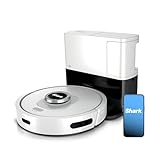
Honestly, the first time I unboxed my Shark robot vacuum, I felt a mix of excitement and dread. Excitement because I was finally ditching the broom for good, and dread because I’d bought a few ‘smart’ gadgets before that ended up being glorified paperweights. This one, I told myself, had to be different.
Turns out, it largely is. But getting it to *actually* work the way you expect, and not just randomly bump into furniture like a drunk toddler, takes more than just pressing the ‘on’ button. I spent way too long figuring out the nuances, so let’s just get straight to how to work Shark robot vacuum so you don’t waste your weekend like I did.
The manual is… a manual. It’s dry. It’s dense. It feels like it was written by someone who’s never actually *seen* a robot vacuum in action. I swear, I almost returned it after an hour of trying to connect it to WiFi.
Setting Up Your Shark: It’s Not Just Plug and Play
Okay, so the box is open, the little guy is charged. Now what? First things first: give your Shark a clear path. This isn’t just about convenience; it’s about its survival. I learned this the hard way when my first-generation model, bless its little spinning brushes, decided to take a dirt nap under the couch after its maiden voyage. It was a two-hour rescue mission involving a broom handle and a lot of mumbled apologies.
You need to clear the floors of anything small and potentially ingestible. Think charging cables, stray socks, those little dog toys your terrier loves to leave everywhere. A ‘clean’ floor is its happy place. Also, pay attention to the charging dock placement. It needs an open space, generally at least 1.5 feet on either side and 3 feet in front. If it’s crammed between a washer and a wall, it’ll spend more time lost and beeping than actually cleaning. The gentle hum of its motor when it docks successfully is surprisingly satisfying, a small reward for setting it up right.
The App: Your New Best Friend (mostly)
This is where things get interesting, and frankly, where a lot of people get tripped up. The Shark Clean app is your command center. You’ll use it to schedule cleanings, set no-go zones, and tell it exactly where you want it to go. Don’t just expect it to roam aimlessly; that’s a recipe for disaster and missed spots. I used to think the ‘auto’ mode would handle everything, but after watching it miss the same dust bunny for three days straight, I realized I needed to be more specific.
Mapping and Zoning: The Game Changers (See Also: Should I Turning My Shark Robot Vacuum Off )
The first time you run it after setup, it’s going to map your house. Let it do its thing. Seriously. Don’t interrupt it. It’s like a little digital cartographer. Once it’s mapped, you can go into the app and draw ‘no-go zones’. These are lifesavers for areas you don’t want it to touch, like a pet’s food and water bowls or that delicate pile of laundry you haven’t put away yet. I’ve got one around our cat’s litter box – trust me, you do NOT want your robot vacuum exploring that area.
Scheduling: The Set-It-and-Forget-It (Almost)
Once mapped and zoned, you can schedule cleanings. I like to schedule mine for when I’m out of the house. Coming home to clean floors without lifting a finger? That’s the dream, right? The sheer relief of not having to vacuum after a long day is worth the initial setup hassle. The gentle whirring as it leaves the dock for its scheduled patrol is the sound of domestic bliss, at least for me.
What to Do When It Gets Stuck (because It Will)
No robot vacuum is perfect. They’ll get stuck. They’ll get tangled. They’ll find that one rogue charging cable you thought you hid. When your Shark starts beeping mournfully, or just stops mid-clean, don’t panic. More often than not, it’s a simple fix. Check the brushes for hair (mine, a golden retriever owner, needs this done weekly) or debris. Make sure its wheels aren’t jammed by a stray Lego or a thick rug fringe. Sometimes, it just needs a gentle nudge in the right direction. I’ve had to physically rescue mine from under the kitchen island more times than I care to admit. One time, it got wedged under a low-slung armchair so tightly, I thought I was going to have to cut it free. That was a stressful afternoon, let me tell you.
Maintenance: The Boring but Necessary Bits
Everyone talks about how cool robot vacuums are, but nobody talks about the constant maintenance. It’s like owning a pet, but less furry and more… dusty. You need to empty the dustbin regularly. If you have pets, this might mean every single cleaning cycle, or even mid-cycle. A full dustbin means reduced suction power, and you might as well be pushing a dust bunny around yourself. The little filters also need cleaning or replacing. I found that after about six months of daily use, my Shark’s suction power had noticeably dropped because I’d been slacking on the filter cleaning. Consumer Reports did a deep dive into robot vacuum maintenance last year, and their findings on filter effectiveness after prolonged neglect were frankly alarming. It’s not just about performance; it’s about hygiene.
Clean the brushes. Clean the sensors. Wipe down the exterior. It’s not rocket science, but it requires a bit of diligence. Think of it as part of the ‘how to work Shark robot vacuum’ process – the less glamorous part that keeps the magic going. (See Also: Is It Best Robot Vacuum With Self Emptying Bin )
When to Just Use Your Regular Vacuum
Look, the Shark is great for everyday maintenance. It keeps the pet hair under control, picks up crumbs, and generally makes your life easier. But it’s not going to replace your upright vacuum for deep cleaning. Spilled a whole bag of flour? Got a spill of something sticky and questionable in the hallway? Your trusty old vacuum is still the king for those situations. Robot vacuums are best for regular upkeep, not for major disasters. I learned this when I tried to have it clean up a spilled bag of potting soil. It just made a muddy mess and then got confused.
Troubleshooting Common Issues
Sometimes, things just don’t work. The app might lose connection. The vacuum might refuse to dock. Here’s a quick rundown:
| Problem | Likely Cause | My Verdict/Fix |
|---|---|---|
| Won’t connect to WiFi | Router too far, or 2.4GHz band not enabled. | Move the dock closer to the router for initial setup. Check router settings. Honestly, sometimes I just have to restart the whole process. It’s maddening. |
| Doesn’t return to dock | Obstructions near dock, dirty sensors, or dock moved. | Ensure clear path. Wipe sensors with a dry cloth. If you moved the dock, remap the area. I’ve found a slight angle adjustment helps it find home base. |
| Randomly stops cleaning | Bin full, brushes jammed, or critically low battery. | Empty bin, clear brushes, place on dock. Basic but often overlooked. The battery life is decent, but it won’t clean your whole house if it’s already depleted. |
Frequently Asked Questions About Shark Robot Vacuums
Can Shark Robot Vacuums Handle Pet Hair?
Yes, most Shark robot vacuums are designed to handle pet hair quite well, especially models with specific brush designs and strong suction. However, you’ll need to clean the brushes and dustbin frequently to prevent tangles and maintain optimal performance. My golden retriever sheds enough to knit a sweater weekly, and my Shark keeps up, but only because I’m diligent about maintenance.
How Do I Set Up No-Go Zones on My Shark Robot Vacuum?
You set up no-go zones through the Shark Clean app. After the robot has completed its initial mapping run, you can access the map in the app and draw virtual boundaries around areas you want the vacuum to avoid, such as pet feeding stations or cluttered spaces.
Do I Need to Empty the Dustbin After Every Cleaning?
It depends on the size of your home and the amount of debris. For homes with pets or heavy foot traffic, emptying the dustbin after every cleaning is highly recommended to maintain suction power. For smaller, cleaner homes, you might be able to go a couple of cycles, but check it often.
How Often Should I Clean the Shark Robot Vacuum’s Brushes and Filters?
It’s a good idea to clean the brushes at least once a week, or more often if you have pets shedding heavily. Filters should typically be cleaned weekly and replaced every few months, depending on usage and how dirty they get. Ignoring this is like trying to run a marathon with a clogged lung. (See Also: Is It Best Robot Vacuum For Cleaning Large Homes )
Can Shark Robot Vacuums Clean Multiple Floors?
Most Shark robot vacuums are designed for a single floor at a time. They can typically map multiple rooms on one level, but you would need to manually move the vacuum and its charging dock to a different floor and potentially re-map if it doesn’t automatically recognize the new environment. It’s not quite the ‘set it and forget it’ for your entire multi-story mansion.
Final Thoughts
Figuring out how to work Shark robot vacuum is less about the tech itself and more about understanding its quirks. It’s a tool, and like any tool, it requires a bit of know-how and maintenance to do its job effectively. Don’t expect miracles right out of the box, but with a little patience and consistent upkeep, it can genuinely make a difference in your daily cleaning routine.
My advice? Embrace the learning curve. Don’t get frustrated when it gets stuck; learn what gets it stuck and avoid it next time. Take the time to map your house properly and set up those no-go zones. It feels like a chore at first, but the payoff of coming home to clean floors is absolutely worth the effort.
Honestly, the biggest takeaway for me is that it’s not a replacement for a thorough deep clean, but a brilliant assistant for keeping things tidy day-to-day. If you manage your expectations and give it the basic attention it needs, you’ll probably wonder how you lived without it.
Recommended Products