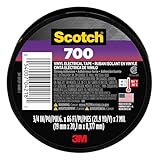
I was elbows-deep in wiring a dodgy old lamp I snagged at a flea market, the kind with a plug that looked like it belonged to a toaster from the 1950s. I needed to patch up a frayed bit of wire, and naturally, grabbed the roll of black electrical tape that’s been sitting in my toolbox since, well, forever. As I wrapped it, a little voice in the back of my head, probably fueled by too many late-night DIY disaster videos, whispered, ‘Hey, dumbass, can electrical insulation tape catch fire?’ It’s a question that might seem obvious, but for anyone tinkering with wires, it’s surprisingly pertinent.
We trust this stuff to keep our electrical systems safe, but what happens when that safety barrier itself is put to the test? Let’s be brutally honest, most of us just slap it on and hope for the best. But is that good enough?
When Your Tape Becomes a Spark Plug
Look, we’ve all been there. You’re wrestling with some wires, maybe fixing a short in an old extension cord or just tidying up a messy junction box. You need to insulate a connection, and your go-to is that trusty roll of electrical tape. But the nagging question pops into your head: can electrical insulation tape catch fire? The short answer is yes, it absolutely can, and it’s not as uncommon as you might think. Most standard electrical tapes are made of vinyl, which, while somewhat flame-retardant, isn’t inherently fireproof. If it gets too hot, exposed to an open flame, or subjected to significant electrical arcing, that vinyl can degrade, melt, and eventually ignite.
I learned this the hard way, not with a full-blown inferno, but with a smoky, acrid smell and a melted mess that looked like a sad, black slug. I was trying to temporarily patch a broken wire on an outdoor Christmas light strand that had been run over by the lawnmower.
The wire itself was nicked, and I figured a good wrap of tape would hold it until I could get a proper splice kit. Well, the string of lights was old, and one of the bulbs was starting to short out. The heat from that faulty bulb, combined with the rain and general dampness of being outside, caused the tape to overheat. It didn’t burst into flames, thankfully, but it started to smoke, and the smell was horrendous.
It turned into this sticky, gooey mess that was frankly more dangerous than the original nick in the wire.
The problem is, most people assume ‘electrical tape’ means ‘safe for electrical use,’ and while it is designed for insulation, that doesn’t automatically mean it’s immune to catching fire under extreme conditions. We’re talking about temperatures that can far exceed what the tape is rated for. Think about a poorly made connection that’s arcing – that’s generating intense heat right at the point of contact. Or a wire that’s overloaded, causing the conductor itself to heat up significantly. The tape is supposed to be the barrier, but if that barrier gets hotter than its melting or ignition point, it’s going to fail, and not in a pretty way.
The common advice is to use tape rated for the voltage and temperature you’re working with. That’s sound advice, don’t get me wrong. But it’s also easy to get wrong. People grab whatever roll is cheapest or closest, without checking the specs. And even then, ‘flame-retardant’ doesn’t mean ‘fireproof.’ It just means it’s designed to slow the spread of flame, or to self-extinguish once the heat source is removed. If the heat source is continuous and intense enough, even a flame-retardant tape will eventually give up the ghost.
So, to directly answer the question: can electrical insulation tape catch fire? Yes. It’s not designed to be an eternal shield against extreme heat or direct flame. It’s a specific type of insulator, and like any material, it has its limits. Understanding those limits is key to not turning a simple repair into a fire hazard.
What’s Really in That Roll of Tape?
Let’s get down to the nitty-gritty of what makes electrical tape… well, tape. Most of the common stuff you’ll find at any hardware store is made from polyvinyl chloride, or PVC, as a base. This is then treated with various plasticizers, stabilizers, and importantly, flame-retardant additives. The PVC gives it its flexibility and its insulating properties. The additives are what differentiate tapes and determine how well they stand up to heat, UV, and general wear and tear. Think of it like this: the PVC is the bread, and the additives are the fillings. Some fillings are way better than others.
The magic word here is ‘flame-retardant.’ This means the tape is formulated to resist burning, or to stop burning once the flame source is removed. It doesn’t mean it’s made of asbestos or some unobtanium that laughs in the face of fire. It’s a chemical treatment. Common flame retardants used in plastics include halogenated compounds (like bromine or chlorine), phosphorus compounds, and metal hydroxides. These work in different ways, like releasing gases that dilute the flammable vapors, forming a char layer that insulates the underlying material, or absorbing heat. (See Also: Can Black Gorilla Tape Be Used For Electrical )
But here’s where it gets tricky. Not all flame-retardant additives are created equal, and how much is used can vary wildly between manufacturers and even different product lines from the same company. Cheap, generic electrical tape might have just enough to pass a basic test, while higher-end tapes will have more solid formulations. And let’s not forget the adhesive. The glue itself can be a weak link. Some adhesives are more prone to breaking down and melting at lower temperatures, which can then expose the underlying tape to heat or even contribute to ignition.
I once bought a bulk pack of what I thought was decent electrical tape online – it was ridiculously cheap. It looked and felt fine, but when I used it on a slightly warm wire (not even hot, just warm from normal operation), the adhesive started to ooze. It became this sticky, gummy mess that wouldn’t hold, and I swear I could smell a faint chemical odor when it got even a little warm.
That’s a sign of cheap plasticizers or a poor-quality adhesive that’s breaking down. It might have had ‘flame-retardant’ printed on the label, but the overall formulation was clearly subpar. It definitely made me question how effectively it would perform in a real heat scenario, and reinforced my belief that you get what you pay for, especially with safety gear.
Beyond the basic PVC tapes, you’ll also find tapes made from more specialized materials like rubber or silicone, often used for higher temperature applications or where extreme flexibility and adhesion are needed. These can be more heat-resistant, but they also come with a higher price tag. For the average DIYer, understanding that your standard black tape is primarily PVC with some flame retardants is the key. It’s designed to insulate and slow flame spread, not to be a fire blanket.
| Tape Type | Primary Material | Pros | Cons | Verdict on Fire Risk |
|---|---|---|---|---|
| Standard Electrical Tape | PVC | Cheap, flexible, good general insulation | Limited high-temp resistance, can degrade in UV | Can catch fire if overheated or exposed to flame. ‘Flame-retardant’ is key, but not foolproof. |
| High-Temperature Tape | Specialty PVC, Rubber, or Silicone | Better heat resistance, more durable | More expensive, can be thicker | Significantly lower risk than standard tape, but still not immune to extreme conditions. |
| Cloth-backed Tape (e.g., Friction Tape) | Cotton/Fabric with adhesive | Very strong, durable, good for mechanical protection | Less flexible than vinyl, adhesive might degrade faster | The fabric itself can burn if exposed to flame, though it’s less likely to ignite from electrical heat alone. |
Common Mistakes That Invite Disaster
You’d think using electrical tape would be straightforward, right? Wrap it around the wire, job done. But oh, the ways people mess this up. The most common blunder is using the wrong tape for the job. I’ve seen people use duct tape, masking tape, even packing tape on electrical connections. That’s like trying to put out a grease fire with water – it’s a recipe for disaster. These tapes aren’t designed for electrical insulation; they’ll melt, degrade, and offer zero fire protection. You need actual electrical tape, and even then, you need the right kind.
Another massive mistake is not using enough tape. People get stingy, thinking one or two wraps will suffice. For a basic connection, that might seem okay, but for anything exposed to potential stress, moisture, or vibration, you need multiple layers. Think of it like building a wall. One brick isn’t a wall. You need overlap and sufficient thickness to create a solid barrier. A single thin layer of tape is easily compromised. I always aim for at least three good, overlapping wraps, making sure no bare wire is showing and the tape extends well beyond the damaged area onto the intact insulation of the wire.
Overheating is a killer, and not just for the tape. People often neglect to identify the source of heat. If the wire itself is getting too hot because it’s undersized for the load, or there’s a poor connection further up the line, the tape is just the symptom. Wrapping it might make it look tidy for a while, but that heat will continue to degrade the tape and potentially cause failure. You need to address the root cause of the overheating. This is why when I see an area that’s been ‘repaired’ with tape and smells faintly burnt, I don’t just re-tape it; I’m pulling out the breaker and investigating the whole circuit.
Then there’s the ‘good enough’ mentality. A slightly frayed wire isn’t going to start a fire, right? Wrong. Even a small nick can expose the conductor.
If that conductor touches another conductor, or a grounded surface, you get a short circuit. A short circuit can generate immense heat very quickly. The tape is supposed to prevent this.
If you’re tempted to leave a little bit of wire exposed because it’s ‘just a scratch,’ don’t. Use the tape properly, or better yet, make a proper splice or replacement. (See Also: Can Duct Tape Serve As Electrical Tape )
I once had a friend who thought a tiny bit of exposed wire on an appliance cord was fine. A few months later, the insulation on the plug itself started to melt because the arc from that exposed bit was traveling. It was a close call.
Finally, improper storage leads to degraded tape. If your electrical tape has been sitting in a hot car, in direct sunlight, or exposed to solvents, the adhesive can break down, and the vinyl can become brittle. Brittle tape cracks and doesn’t stick well, making it useless. Always store your electrical tape in a cool, dry place, away from chemicals and direct sunlight. A roll of ancient, dried-out tape is not going to protect anything; it’s just a fire hazard waiting to happen.
Faq: Is Electrical Tape Flammable?
Can Electrical Tape Catch Fire If It Gets Hot?
Yes, electrical tape can catch fire if it gets hot enough. Most standard electrical tapes are made of vinyl and treated to be flame-retardant, meaning they resist ignition and slow the spread of flames. However, they are not fireproof. If exposed to extreme heat, direct flame, or significant electrical arcing that exceeds the tape’s temperature rating, it can melt, degrade, and eventually ignite.
What Happens If Electrical Tape Gets Wet?
While electrical tape is designed to insulate, getting it wet can compromise its effectiveness. Water can create a path for electricity, especially if the tape’s adhesive is failing or if the insulation underneath is damaged. Moisture can also contribute to corrosion of the conductors, and in some cases, the combination of water and electrical current can lead to arcing, which generates heat and can indirectly lead to tape failure or ignition.
Is All Electrical Tape Flame Retardant?
Most standard electrical tapes are formulated to be flame-retardant to varying degrees. This is a key safety feature for their intended use. However, the effectiveness of this flame retardancy can differ significantly between brands and product types. Always check the product packaging or specifications for confirmation of flame-retardant properties, and be aware that ‘flame-retardant’ does not mean ‘fireproof.’
How Do You Prevent Electrical Tape From Catching Fire?
To prevent electrical tape from catching fire, always use tape specifically rated for electrical insulation, make sure it has flame-retardant properties, and apply it correctly. This includes using multiple overlapping layers to create a solid barrier, making sure the tape extends beyond damaged areas, and addressing any underlying issues that cause wires to overheat, such as undersized conductors or loose connections. Store the tape properly to maintain its integrity.
When a Patch Isn’t Enough: Real-World Applications & Limitations
Let’s talk about where electrical tape is actually useful and where it just plain isn’t. For minor insulation tasks, like covering a clean, low-voltage splice that won’t be subjected to much stress or heat, good quality electrical tape is perfectly fine. Think tidying up the wiring inside a lamp base, insulating a quick connection on a low-power hobby project, or temporarily securing a loose wire harness in a car that’s not in a high-heat area. It’s the go-to for making those connections look neat and providing a basic layer of insulation against accidental contact.
However, the limitations become glaringly obvious when you venture into anything more demanding. Outdoor use is a big one. UV rays from the sun degrade most vinyl tapes over time, making them brittle and less effective. Moisture ingress is another enemy. While the tape itself might resist water, if it’s not applied perfectly, water can seep underneath and compromise the insulation. I’ve had to replace outdoor extension cord repairs that were done with nothing but tape because the tape had become gummy and the connection was corroded.
High-temperature environments are another no-go zone. If you’re working on anything that generates significant heat – like the wiring on a car engine, near a furnace, or on a heating element – standard electrical tape will fail. It will soften, melt, and lose its insulating properties, potentially leading to shorts or, you guessed it, fire. For these applications, you need specialized high-temperature tapes, often made of silicone or rubber, which are designed to withstand much higher temperatures and harsh conditions. These are pricier, but key for safety.
Then there’s the issue of mechanical stress. If a wire is going to be flexed, pulled, or rubbed against something, electrical tape alone is rarely sufficient. It can tear or peel off. For solid repairs in high-movement areas, you’re looking at heat-shrink tubing, proper connectors, or even more substantial cable protection. I tried using electrical tape to secure a wire that was rubbing against the frame of a bike trailer. Within a week, the tape was shredded, and the wire was exposed again, right where it was getting abraded. That called for a properly crimped connector and some heat shrink. (See Also: Can Duct Tape Be Used On Electrical Cords )
The most important limitation to remember is that electrical tape is a temporary or secondary layer of protection for most important applications. It’s not a substitute for a proper crimped connector, a soldered joint, or a terminal block. It’s there to cover and insulate the connection after it’s been made secure and electrically sound. Relying on tape to make a connection mechanically strong or to fix a fundamentally flawed wire is asking for trouble. The tape can catch fire, yes, but the real danger is the failure of the electrical connection it’s supposed to be protecting.
Contrarian View: When Basic Tape Is Actually Fine
Okay, so everyone screams about needing high-temp, super-specialized, probably-cost-more-than-your-firstborn electrical tape for everything. And sure, if you’re wiring up a race car or a nuclear submarine, you probably should be looking at industrial-grade stuff. But here’s my contrarian take: for a lot of everyday, low-voltage, low-amperage household tasks, that standard, cheap roll of black electrical tape is perfectly adequate and not some ticking time bomb.
Everyone says, ‘Oh, it’s not rated for that!’ or ‘You need X type for Y application!’ And that’s often true for professional electrical work or high-risk scenarios. But let’s be real. If I have a tiny nick in the insulation of a lamp cord that powers a 40-watt bulb, and I wrap it with a few layers of decent quality vinyl electrical tape, am I likely to set my house on fire? Probably not. The heat generated is minimal. The voltage is low. The risk of arcing is tiny. The tape’s job is just to prevent accidental contact and offer a bit of physical protection.
My reasoning is simple: context matters. The danger of electrical tape catching fire isn’t inherent to the tape itself in all situations. It’s about the conditions it’s subjected to. If the conditions are mild – low voltage, low current, minimal heat, no direct exposure to elements or flame – then basic electrical tape will perform its insulating function just fine. It’s designed to be an insulator, and in many benign environments, it does that job adequately.
I’ve used standard electrical tape for years on countless small projects: fixing the frayed cord on a fan, insulating wire connections in kids’ toys (when the original insulation wore off), even bundling wires inside a computer case. I’ve never had a fire. The key is understanding the limits. If a wire is getting noticeably warm to the touch, or if it’s in an area prone to abrasion or moisture, then yes, you need better. But for those simple, low-stakes repairs where the primary goal is just to cover a bit of exposed wire and prevent a brief touch, that ubiquitous black roll is often sufficient and cost-effective. You don’t need to over-engineer every single minor repair.
Practical Tips for Safer Electrical Taping
So, you’ve got a job that calls for electrical tape, and you want to do it right. First off, buy decent tape. I know it’s tempting to grab the cheapest thing on the shelf, but a few extra bucks for a reputable brand like 3M, Scotch Super 35, or even a good quality store brand is worth it. Look for tape that feels pliable and has a strong, but not overly sticky, adhesive. Cheap tape often dries out faster and is less forgiving.
Always clean the area you’re taping. Remove any dirt, grease, or old, gummy adhesive. A clean surface makes sure the new tape will stick properly and form a good seal. For any electrical repair, your first step should be to turn off the power at the breaker. Seriously. Don’t be that person who gets zapped because you forgot to flip the switch. Safety first, always. If you’re unsure about the voltage or the condition of the wiring, call a professional. It’s cheaper than a hospital visit or rebuilding your house.
When you apply the tape, overlap each layer by at least half the width of the tape. Start taping a good inch or two before the damaged area and extend it at least an inch or two past it onto the intact insulation. This creates a strong, continuous barrier. Stretch the tape slightly as you wrap; this helps it conform to the wire and creates a tighter, more durable finish. Don’t just wrap it loosely; you want it to hug the wire.
For important splices or repairs, consider using electrical tape in conjunction with other methods. Heat-shrink tubing is fantastic for creating a solid, waterproof seal over a splice before you even touch it with tape. If you’re dealing with outdoor wiring or high-moisture areas, a combination of a proper connector, heat-shrink, and then an outer wrap of high-quality, UV-resistant electrical tape is a solid approach. The tape acts as a secondary protection layer.
Finally, inspect your work. Once you’re done, give the taped area a gentle tug. Does it feel secure? Is there any bare wire showing? If you’re taping a flex cord, gently flex it a few times to see if the tape holds. And remember, electrical tape degrades over time. Periodically inspect any taped areas, especially if they are exposed to heat, sunlight, or physical stress, and replace the tape if it looks cracked, brittle, or gummy. Regular checks are key to preventing potential issues before they become serious hazards.
Conclusion
So, can electrical insulation tape catch fire? Yes, it can. It’s not an invincible shield, and under the right (or rather, wrong) circumstances – extreme heat, direct flame, or severe electrical arcing – it will fail. But for many basic household repairs, especially on low-voltage, low-current applications where the tape isn’t subjected to harsh conditions, a good quality standard electrical tape can do the job adequately. The trick is knowing its limits and not asking it to do more than it’s designed for.
Don’t skimp on quality, apply it properly with plenty of overlap, and always, always address the root cause of any overheating. If you’re ever in doubt about a repair or the condition of your wiring, it’s always best to consult a qualified electrician. That little roll of tape might be convenient, but it’s no substitute for a safe, professionally made electrical connection.