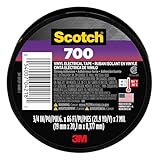
I remember the first time a cheap space heater I’d bought from a big box store started acting up. A bit of a flicker, a funny smell, and suddenly it was toast. My first instinct? Grab the duct tape. Then I thought, what about that roll of electrical tape in the toolbox? Could I use electrical tape inside a heater to fix a loose wire or seal a crack? It seemed like a quick, easy fix, and who hasn’t used electrical tape for something it wasn’t strictly designed for? But diving headfirst into using it near heat… well, that’s where things can get dicey.
The simple answer to ‘can i use electrical tape inside a heater’ is a resounding ‘no’, at least not where it’s going to get hot. We’ve all been tempted by the siren song of a quick DIY fix, but some materials just aren’t built for the heat. Let’s break down why that roll of black tape is a bad idea in this specific scenario.
Why That Shiny Black Tape Isn’t Your Heater’s Friend
Look, electrical tape is fantastic stuff for what it’s designed for: insulating electrical connections. It’s stretchy, sticks well, and provides a decent barrier against moisture and minor abrasions. I’ve used it for years to tidy up wiring harnesses on my old motorcycle, wrap battery terminals, and even as a temporary fix for a frayed extension cord (outdoors, mind you, and only for a few hours until I could replace it).
It’s cheap, ubiquitous, and feels like the go-to for any ‘wrap it up’ job. But here’s the kicker: the temperatures inside a functioning heater are a whole different ballgame. Most standard electrical tapes are made from PVC (polyvinyl chloride) with an adhesive that’s designed to work at room temperature or slightly above. Crank up the heat, however, and that PVC starts to soften, melt, and potentially degrade.
The adhesive can liquefy, causing the tape to peel off and leave a gooey, sticky mess. Worse, it can release fumes that are, frankly, unpleasant and potentially hazardous.
I once tried using it to secure a slightly loose piece of plastic trim on a car dashboard that sat in the sun all day. Within a week, the tape had oozed down the trim and looked like a melted black slug. That was just sun, not the concentrated heat from a heating element.
When you’re talking about the interior of a heater, you’re dealing with components that can get seriously hot. Depending on the type of heater – a space heater with a coiled element, a furnace blower motor, or even a radiant panel – temperatures can range from a couple of hundred degrees Fahrenheit to over a thousand in direct contact with the heating element itself. Standard electrical tape simply cannot withstand that kind of thermal stress.
It’s not rated for it, and trying to make it work is asking for trouble. You might think you’re saving a few bucks and a trip to the hardware store, but you’re risking a bigger, more expensive, and potentially dangerous problem down the line. I’ve seen folks try to tape up a cracked casing or a loose wire inside a toaster oven, and the results were always the same: a smoky, smelly mess that eventually failed and sometimes even caused a minor fire.
It’s just not built for that environment.
The Real Deal: What Happens When Heat Meets Cheap Tape
Let’s get specific about the breakdown. When electrical tape gets too hot, the PVC softens.
This isn’t just a cosmetic issue; it means the tape loses its structural integrity and its insulating properties. Imagine trying to hold two wires together with something that’s turning into sticky goo. The wires could touch, causing a short circuit. A short circuit in a heater is a recipe for disaster.
It can trip your breakers, damage the heater’s internal components (like the thermostat or control board), or, in the worst-case scenario, ignite nearby flammable materials. And those fumes I mentioned? They’re not just a bad smell. Heating and burning PVC can release hydrochloric acid and dioxins, which are nasty stuff to breathe in. (See Also: Can I Use Electrical Tape To Connect Wires )
So, that little bit of tape you used might save you a few minutes now, but it could cost you a lot more in terms of safety and property damage later.
I learned this lesson the hard way with a cheap portable fan that had a loose wire near the motor housing. It wasn’t a heating element, but it got warm enough.
I wrapped it with electrical tape, thinking it was a temporary fix. A few weeks later, I noticed a persistent burning smell whenever the fan was on. I unplugged it immediately and found the tape had melted into a sticky, black blob, and the insulation on the wire itself was brittle and cracked. The heat from the motor had done it in.
Thankfully, it didn’t catch fire, but it was a clear sign that materials need to be chosen for their specific operating environment. It cost me more to replace the fan than the tape cost, but the peace of mind knowing it didn’t start a fire was worth more.
The common advice often glosses over the specifics of heat resistance. People see ‘electrical tape’ and think ‘electrical,’ assuming it’s good for any electrical fix. But the ‘electrical’ part refers to its insulating properties for low-voltage, ambient-temperature applications. It’s not designed to be a heat-resistant sealant or insulator in high-temperature environments like the inside of a heater. You need materials specifically rated for those conditions, and standard electrical tape just doesn’t make the cut. It’s a tool for electricians working on junction boxes, not for DIY repairs inside a furnace. We’re talking about extreme temperatures here, and this tape will fail, spectacularly.
When the Heat Is on: What to Use Instead
So, if electrical tape is out, what’s a person to do when they need to make a repair inside a heater? This is where you need to look at specialty tapes. The first thing that comes to mind is high-temperature silicone tape or fiberglass tape. Silicone tape, often found in auto parts stores or specialty electrical supply shops, can withstand much higher temperatures, often several hundred degrees Fahrenheit, and it’s self-fusing, meaning it creates a solid, smooth bond without adhesive.
Fiberglass tape, especially that impregnated with silicone or other heat-resistant materials, is also a good option for insulating wires or wrapping hot spots. It’s tough, won’t melt, and can handle serious heat. For sealing minor cracks in metal casings (not near heating elements, mind you), a high-temperature sealant or even a specialized metallic tape designed for exhaust systems or chimneys might be more appropriate. Always check the product’s specifications for its temperature rating and intended use.
I once had to repair a small leak in the exhaust pipe of a portable diesel heater I was using for my workshop. Standard tape was obviously a non-starter. I ended up using a high-temperature exhaust repair tape that’s basically a fiberglass wrap with a special resin. It cured rock-hard and held up perfectly to the exhaust temperatures. It felt like a much more solid and appropriate solution than any kind of electrical tape. The key takeaway is understanding the environment the material will be in. Is it just warm, or is it hot? Is it exposed to direct heat, or just ambient warmth?
Here’s a quick rundown of alternatives, depending on the specific issue:
| Problem Area | Recommended Material | Why It Works | My Verdict |
|---|---|---|---|
| Loose wiring (away from element) | High-temp silicone tape, Fiberglass tape | Withstands high temperatures, good insulation, durable. | Solid choice for electrical insulation when heat is a factor. |
| Cracked metal casing (non-important) | High-temp sealant, Metallic exhaust tape | Designed for heat and metal bonding, durable seal. | Use for structural integrity where direct heat isn’t the main concern. |
| Insulating heat shields | Ceramic fiber blanket, High-temp insulation foil | Specifically designed to block and resist extreme heat. | For serious heat management, this is the real deal. |
The important point is that ‘electrical’ doesn’t automatically mean ‘heat-proof.’ For any repair inside a heater, especially near the heating elements or internal components that get hot, you must use materials specifically rated for those high temperatures. Don’t guess. Look at the packaging. If it doesn’t explicitly state it’s for high-temperature use, assume it’s not suitable. I’ve seen too many DIY attempts go sideways because the wrong material was used. It’s often a gamble, and with heaters, the stakes are too high to play.
Common Mistakes & What to Avoid
The biggest mistake, hands down, is assuming any tape that insulates is good for any application. People see electrical tape and think, “Okay, it’s for wires, and wires get hot in heaters, so it must be fine.” That’s flawed logic. The heat generated by a simple lightbulb filament is vastly different from the radiant heat or direct contact heat from a space heater’s coils or a furnace’s igniter. (See Also: Can Electrica Tape Catch On Fire )
Another common error is not unplugging the appliance before attempting any repair. This seems obvious, but in a rush to fix something, people can forget the most basic safety step.
Always disconnect power at the source – unplug it or flip the breaker. Never work on a plugged-in device, even if you think it’s off. I’ve had friends who got minor shocks from capacitors holding a charge even after the unit was unplugged.
Patience and safety first.
Beyond using the wrong tape, people often try to patch up damage that’s too extensive for a simple tape repair. If a heating element is visibly broken, or if there’s significant corrosion or structural damage to the internal components, slapping tape on it isn’t a fix; it’s a temporary band-aid that’s likely to fail and could make things worse. In such cases, replacement of the component or the entire appliance is the only safe and effective solution.
Trying to fix a melted wire connector with electrical tape is a bad idea; that connector is probably toast and needs replacing. I once saw a guy try to reattach a melted plastic fan blade hub with super glue and then wrap it with electrical tape. It vibrated apart within an hour.
Sometimes, you just have to accept that a part has reached its end of life.
Here’s a list of things to steer clear of:
- Using standard electrical tape on or near any heating element.
- Using regular household glues or epoxies that aren’t rated for high temperatures.
- Ignoring warning signs like strange smells, flickering lights, or unusual noises before or after a repair.
- Trying to repair severely damaged or melted internal components.
- Working on any appliance without disconnecting the power source first.
It’s easy to get caught up in the DIY spirit, but understanding the limitations of materials and the risks involved is most important. When it comes to heat and electricity, the margins for error are slim. My own experience with the fan taught me that even a little bit of heat can break down materials not designed for it. So, before you reach for that roll of electrical tape, stop and think about the environment it’s going into. If it’s going to get hot, you need something else entirely.
The Mechanics of Heater Operation and Tape Interaction
To truly understand why electrical tape is a no-go inside a heater, it helps to know a little about how these things work. Most common portable heaters use either a resistance coil (like a toaster) or a ceramic element that glows red-hot when electricity passes through it. This generates infrared radiation and heats the air around it.
Other types, like radiant heaters, use a quartz tube with a filament, and fan heaters blow air over a hot element. In all these cases, the temperatures involved are significant, far exceeding the safe operating range for standard PVC-based electrical tape. Even in a furnace, while the heating elements themselves are enclosed, the surrounding areas can still get quite warm, and components like wiring insulation need to be specifically rated for that heat to prevent degradation.
When you apply electrical tape to a wire that’s even a few inches away from a heating element, the radiant heat can slowly bake the tape. Over time, the plasticizers in the PVC begin to break down, making the tape brittle. The adhesive can also degrade, losing its stickiness. Then, as the temperature fluctuates, the tape can expand and contract, potentially loosening its grip. If the wire it’s holding starts to move, or if the tape itself starts to peel, you’ve got a direct path for short circuits. It’s like trying to use a rubber band to hold a piece of hot metal together; eventually, the rubber band will melt or break. (See Also: Can I Substitute Duct Tape For Electrical Tape )
Now, let’s consider the alternative. High-temperature silicone tapes are often made from polymers that have a much higher thermal stability.
They can withstand temperatures that would turn PVC into a molten mess. Fiberglass tapes, as mentioned, are inherently heat-resistant and don’t burn or melt in the same way. They are woven materials that provide insulation and can be reinforced with binders that can handle heat. For instance, some specialized electrical tapes are made from materials like polyimide (think Kapton tape) or fiberglass with silicone adhesive.
These are designed for demanding applications, including high-temperature environments found in electronics and industrial equipment. They are more expensive, yes, but they are engineered for the job.
You wouldn’t use a garden hose to carry high-pressure steam, and you shouldn’t use standard electrical tape where high heat is present.
It’s also worth noting that the build-up of dust and debris inside a heater can contribute to overheating. If tape starts to degrade and melt, it can drip onto these particles, potentially creating a fire hazard. That’s why keeping your heaters clean and performing regular maintenance is so important, even if you’re not doing repairs. The environment inside a heater is harsh, and materials need to be up to the task.
Relying on a cheap, general-purpose tape like electrical tape is a gamble you don’t want to take when dealing with heat and electricity. The risk of fire or electrical shock is just too high. The actual ‘can i use electrical tape inside a heater’ question is really about understanding these thermal dynamics.
Faq: Addressing Your Burning Questions
Can I Use Electrical Tape to Insulate a Wire Inside My Heater?
No, not if that wire is anywhere near a heat source. Standard electrical tape, typically made from PVC, will degrade, melt, and potentially release harmful fumes when exposed to the high temperatures inside a functioning heater. Use only high-temperature rated tapes, such as silicone or fiberglass tape, for electrical insulation in these applications.
What Kind of Tape Can I Use Inside a Heater?
For electrical insulation inside a heater, you should use high-temperature silicone tape or fiberglass tape. If you need to seal a metal casing (away from important electrical components and heating elements), a high-temperature sealant or a specialized metallic tape designed for high heat applications might be suitable. Always check the product’s temperature rating and intended use.
Will Electrical Tape Melt Inside a Heater?
Yes, standard electrical tape is very likely to melt inside a heater. The PVC material it’s made from has a low melting point and is not designed to withstand the significant temperatures generated by heating elements. Melting can lead to electrical shorts, adhesive failure, and the release of unpleasant or hazardous fumes.
Is Electrical Tape Fireproof?
No, electrical tape is not fireproof. While it’s designed to provide electrical insulation, it is made from flammable materials like PVC. In high-heat environments or if exposed to an arc, it can ignite. Its primary function is insulation at normal operating temperatures, not fire resistance.
Conclusion
So, after all that, can i use electrical tape inside a heater? The short, blunt answer is still a hard no. Think of it this way: would you use a flimsy plastic bag to carry molten lava? Of course not. Standard electrical tape is the plastic bag in this scenario. It’s a great tool for low-voltage, room-temperature electrical work, but it’s completely out of its depth when the heat is truly on. I’ve seen the sticky, melty aftermath of trying to cut corners with the wrong materials, and it’s never worth the risk.
If you’ve got a repair that needs doing inside your heater, whether it’s a loose wire or a minor crack, reach for the right stuff. Invest in a roll of high-temperature silicone tape or fiberglass tape. It might cost a few dollars more upfront, but it’s a fraction of the cost of a new heater, a house fire, or a trip to the emergency room. Safety isn’t a place to improvise.
Before you attempt any repair, always, always, always make sure the appliance is unplugged and has had time to cool down completely. Then, identify the problem and get the correct, heat-rated material for the job. If you’re unsure, it’s better to call a professional than to risk making things worse.