I’ve seen a lot of ridiculous DIY fixes in my time. Some work, some are disasters waiting to happen. One question that’s popped up more than once, especially after a plumbing disaster or a fence post deciding to go rogue, is: can Flex Tape be used as electrical tape? It’s this super-strong, waterproof stuff that promises to seal anything. But when you’re staring at a frayed wire or a dodgy connection, your mind goes to the most convenient tool. I’ve been there, staring at a mess, wondering if that roll of Flex Tape in the garage could be the miracle cure.
Honestly, the idea sounds… tempting. Who hasn’t been in a pinch with a busted appliance or a garden hose that’s sprung a leak a mile long? Flex Tape is marketed as a do-it-all solution, and people have used it for some pretty wild stuff. But when it comes to electricity, the stakes are way higher than a little water. So, let’s cut to the chase: can Flex Tape be used as electrical tape?
The Honest Truth About Flex Tape and Electricity
Let’s get this out of the way upfront: No, Flex Tape is NOT designed to be used as electrical tape. And if you’re asking if it can be used, you’re probably in a situation where you’re tempted to try it. I’ve been in those situations. I remember one particularly chaotic evening when a storm knocked out power to half the neighborhood, and my outdoor string lights, which were already looking a bit sad, decided to fully give up the ghost. A few bulbs had popped, and the wiring looked… questionable. My first thought, after the initial groan, was grabbing the Flex Tape. It’s sticky, it’s tough, it’s waterproof. Surely it could hold some wires together, right? Wrong.
I actually did a little impromptu test on some old extension cords, the kind you don’t mind sacrificing. I deliberately nicked the insulation on a couple of wires, exposed some copper, and then wrapped them up with Flex Tape.
The tape stuck, sure. It felt secure. But then I plugged in a low-wattage lamp.
Within about five minutes, the tape was noticeably warm. Not just a little warm, but concerningly warm. The lamp flickered. My gut screamed ‘bad idea.’
I unplugged it immediately. The heat generated by even a small electrical current passing through those compromised wires, amplified by the insulating properties of the Flex Tape, was enough to make me think twice. This wasn’t just about the tape failing to seal; it was about the potential for fire.
Electrical tape is specifically designed to insulate and withstand electrical currents without degrading or conducting heat. Flex Tape is designed to bond and waterproof. They are fundamentally different products with different jobs.
Why You Absolutely Should Not Substitute
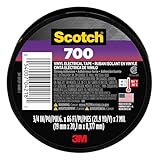
The common advice you’ll find everywhere, and trust me, it’s good advice, is to use proper electrical tape for electrical work. And there’s a reason for that. Electrical tape, like 3M Super 33+ or its cheaper counterparts, is made from vinyl. This material is specifically chosen for its flexibility, its high dielectric strength (meaning it can resist electrical breakdown), and its ability to adhere well without leaving a sticky residue.
It’s designed to handle voltage, temperature fluctuations, and environmental exposure. Flex Tape, on the other hand, is a rubberized, flexible tape with a strong adhesive.
It’s fantastic for patching leaks, sealing gaps, and holding things together in a mechanical sense. But it doesn’t have the insulation properties needed for electrical applications. Think about it: if it could handle electricity safely, manufacturers would market it as such.
They don’t. They market it for leaks and repairs.
That’s a big clue. (See Also: Can I Use Electrical Tape To Connect Wires )
I once saw a guy try to use duct tape to fix a short in a car battery cable. Big mistake. That’s a situation where you absolutely need specialized products.
Duct tape, like Flex Tape, will stick, but it offers virtually no electrical insulation. The result? Sparks, a melted mess, and a very unhappy car owner. Flex Tape, while stronger and more waterproof than duct tape, is still in the same category when it comes to electrical safety: it’s a no-go.
The adhesive on Flex Tape is also incredibly strong. While that’s great for sealing a leaky pipe, it can be a nightmare to remove from wiring, potentially damaging the insulation further or leaving behind a sticky residue that attracts dirt and moisture, creating more problems down the line. The common advice is right: use the right tool for the job. Trying to use Flex Tape as electrical tape is like using a hammer to try and screw in a screw; it might make an attempt, but it’s going to be messy, ineffective, and potentially damaging.
People Also Ask: Can Flex Tape conduct electricity?
No, Flex Tape is not designed to conduct electricity. While it is not a conductor, it also does not provide adequate electrical insulation. Its primary function is to create a strong, waterproof bond for repairing leaks and cracks. Attempting to use it for electrical insulation can be dangerous due to its lack of dielectric strength and its tendency to generate heat when exposed to electrical currents.
What to Look for in Real Electrical Tape
So, if Flex Tape is out, what should you be looking for when you need to do some electrical repairs or temporary fixes? The gold standard is actual electrical tape. You can find this at any hardware store, home improvement center, or even many auto parts stores. Look for brands you recognize, like 3M, Gardner Bender, or even reputable store brands. The key is the material and its rating. Standard electrical tape is typically made of vinyl and rated for a certain voltage. For most household applications, standard vinyl electrical tape is perfectly adequate. It’s flexible, stretches nicely to conform to irregular shapes, and provides good insulation for low to medium voltage wiring.
When you’re buying electrical tape, pay attention to the label. It should clearly state it’s for electrical use.
Look for terms like ‘vinyl electrical tape,’ ‘insulating tape,’ or voltage ratings. If you’re dealing with higher voltage applications or more demanding environments (like outdoor or industrial settings), you might need specialized tape.
There’s high-voltage tape, sometimes called line tape, which is thicker and can handle much higher electrical loads. There are also self-fusing silicone tapes, which are excellent for creating waterproof seals on electrical connections and can handle high temperatures and voltages, but they are a different application than standard wrap-around electrical tape. For a quick fix on a household extension cord or a lamp wire, a roll of good quality vinyl electrical tape is your best bet. It’s inexpensive, readily available, and actually designed for the job.
Don’t get tempted by the ‘stickiness’ of Flex Tape; it’s a classic case of using a product for something it was never intended for, and the risks are too high.
Flex Tape vs. Electrical Tape: A Comparison
| Feature | Flex Tape | Electrical Tape (Vinyl) | Verdict |
|---|---|---|---|
| Primary Use | Waterproofing, sealing leaks, general repair | Insulating electrical wires, protecting connections | Electrical tape is specialized for electricity. |
| Material | Rubberized, flexible backing with strong adhesive | Vinyl | Vinyl offers superior dielectric properties. |
| Electrical Insulation | Poor; can overheat and degrade | Good; designed for electrical resistance | Flex Tape is unsafe for electrical insulation. |
| Adhesive Strength | Very High; can be difficult to remove | Moderate; designed for clean removal | Flex Tape’s adhesive can damage wire insulation. |
| Waterproofing | Excellent | Good, but not its primary function | Flex Tape excels at waterproofing, but not electricity. |
| Temperature Resistance | Moderate | Good; rated for a range of temperatures | Standard electrical tape handles typical electrical temps. |
| Safety for Electrical Work | Extremely Unsafe | Safe when used correctly | Always use electrical tape for electrical jobs. |
A Real-World Scenario (and a Wake-Up Call)
I learned this lesson the hard way, not with Flex Tape, but with a similar ‘miracle’ tape back in my younger, more reckless days. I was rewiring a vintage guitar amplifier. (See Also: Can Electrica Tape Catch On Fire )
It was a beautiful old tube amp, full of character, but some of the internal wiring had become brittle and frayed. I had a small section of wire that needed a quick wrap. I was miles from a hardware store, and my toolbox was surprisingly bare.
I spotted a roll of some heavy-duty, super-sticky repair tape my dad used for his boat. It looked tough, waterproof, and it had this thick, almost rubbery feel.
‘This will do,’ I thought smugly. It stuck like glue, sealing the wire perfectly. I felt like a genius, a true DIY wizard.
I powered up the amp, and it sounded glorious. For about ten minutes. Then, a faint smell of burning plastic started to fill the room. The sound cut out, replaced by a nasty hum.
I immediately shut it off. That ‘miracle’ tape had gotten hot, really hot.
The insulation around the wire had melted slightly, and the tape itself had started to degrade, looking warped and gooey. It hadn’t caused a fire, thankfully, but it had created a short circuit and a potential fire hazard. It took me another hour of carefully cleaning off the sticky goo and redoing the wire with proper electrical tape (which I’d since bought) to get the amp working again.
That experience hammered home the point: when it comes to electricity, there are no shortcuts that are worth the risk. Flex Tape, while a great product for its intended purpose, falls into the same trap of being too good to be true for electrical work. Save yourself the potential heartache, the smell of burning plastic, and the risk of a much bigger problem.
Common Mistakes When People Try It
The biggest mistake, hands down, is believing that any strong, sticky tape can be used as electrical tape. People see Flex Tape’s incredible adhesion and waterproof capabilities and assume it’s a universal fix-all. They think, ‘If it can seal a leaky pipe underwater, it can surely hold some wires together.’ This is a dangerous assumption. Another common mistake is underestimating the heat generated by electrical currents. Even low-voltage DC currents can generate heat, and AC currents in household wiring can generate significant heat, especially if there’s resistance due to poor connections or damaged insulation. Flex Tape isn’t designed to dissipate this heat; in fact, its rubbery nature might trap it, leading to overheating and insulation breakdown.
People also often forget about the long-term effects. While Flex Tape might hold for a short while, its adhesive can degrade over time, especially when exposed to temperature fluctuations common in electrical applications.
It can become brittle, peel away, or worse, leave a sticky residue that attracts dust and moisture, creating new electrical pathways for shorts. The sheer strength of the adhesive can also be a problem. If you ever need to properly repair the wiring, removing Flex Tape can be a challenge, potentially damaging the underlying wire insulation even further.
It’s a classic case of a ‘quick fix’ leading to a bigger, more expensive repair down the line. The best way to avoid these mistakes is simple: always use products that are specifically designed for the task at hand. For electrical work, that means electrical tape.
Can Flex Tape Be Used as Electrical Tape? Final Verdict & Practical Tips
So, to put it plainly: can Flex Tape be used as electrical tape? Absolutely not. (See Also: Can I Substitute Duct Tape For Electrical Tape )
It’s not designed for it, it’s not safe for it, and trying to use it as such is a recipe for disaster. It lacks the necessary dielectric strength, it can’t handle the heat generated by electrical currents, and its adhesive properties are completely unsuited for long-term electrical insulation.
Flex Tape is a phenomenal product for what it does – sealing, patching, and holding things together in non-electrical applications. Use it for your leaky gutters, your cracked garden hose, or that wobbly chair leg.
But when it comes to anything involving electricity, whether it’s a tiny LED wire or a heavy-duty power cable, you need to reach for proper electrical tape.
If you find yourself in a situation where you think you need to use Flex Tape on electrical wiring, stop. Take a deep breath. Ask yourself why you’re reaching for it. Is it because you don’t have electrical tape?
Then the best practical tip is to go get some. For temporary fixes, get a roll of good quality vinyl electrical tape. It costs a few bucks and will do the job safely.
If it’s a more serious issue with exposed wires or damaged insulation, don’t mess around with bandaids. Shut off the power at the breaker, and either call a qualified electrician or replace the damaged component entirely. Electrical safety is not a joke, and it’s not a place for ‘good enough’ solutions.
Stick to the tools that are meant for the job. For electrical work, that tool is electrical tape, not Flex Tape.
People Also Ask: Is Flex Tape Waterproof?
Yes, Flex Tape is exceptionally waterproof. It’s designed to create an incredibly strong, watertight seal on a wide variety of materials, even underwater. This makes it highly effective for patching leaks in pipes, tanks, and other water-holding structures. However, its waterproof nature does not extend to making it suitable or safe for electrical insulation.
People Also Ask: What Is the Difference Between Electrical Tape and Duct Tape?
The primary difference lies in their intended use and material composition. Electrical tape is made from vinyl and is specifically designed to insulate wires and protect electrical connections, offering good dielectric strength and flexibility. Duct tape, on the other hand, is made from a fabric mesh coated with polyethylene and a strong adhesive. It’s designed for general-purpose repairs, sealing, and holding things together, but it offers very poor electrical insulation and can be a fire hazard if used on wires.
People Also Ask: Can I Use Flex Tape on a Broken Wire?
No, you should not use Flex Tape on a broken wire, especially if the wire is carrying electricity. While Flex Tape is strong and waterproof, it does not provide the necessary electrical insulation. Using it on a broken wire can lead to short circuits, electrical shocks, or fire hazards. Always use proper electrical tape for repairing damaged electrical wires.
Final Verdict
So, let’s wrap this up. The answer to the question, ‘can Flex Tape be used as electrical tape,’ is a resounding no. It’s a great product for leaks and structural repairs, but electricity is a whole different ball game. The risks of fire, shock, and further damage are just too high to even consider it. My own experiments and countless other stories out there confirm that while it might stick, it’s fundamentally unsafe for anything involving electrical current.
If you’re facing a frayed wire or a damaged cord, your go-to should always be actual electrical tape. It’s cheap, it’s effective, and most importantly, it’s safe when used correctly. Don’t let the marketing of a versatile product like Flex Tape lure you into a dangerous shortcut. Electrical safety is most important, and using the right tool for the job is a must. Keep Flex Tape for your plumbing emergencies and its intended uses, and invest a few dollars in a roll of proper electrical tape for all your wiring needs.