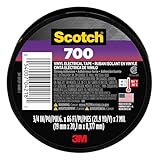
I remember staring at a mess of wires, trying to fix a faulty lamp socket. My buddy, who’d done a million quick fixes, just grabbed the roll of black tape and slapped it around a bare wire. ‘There, grounded,’ he said, all smug. My gut screamed NO. It looked flimsy, unsafe, and frankly, a bit terrifying. This whole idea of whether or not can electrical tape be used as ground is one of those ‘too good to be true’ scenarios that trips up a lot of folks.
I’ve wasted my fair share of cash and time on products that promised the moon and delivered a handful of dust. Learning what actually works, and more importantly, what doesn’t, is a hard-won battle. So, when it comes to electrical grounding, cutting corners with something as basic as electrical tape isn’t just a bad idea; it’s a dangerous gamble.
Why the ‘electrical Tape as Ground’ Idea Is a Non-Starter
Let’s get this straight from the jump: No, you absolutely cannot use electrical tape as a ground wire or as a substitute for proper grounding. Anyone telling you otherwise is either clueless, cutting corners dangerously, or trying to sell you something flimsy.
The primary reason this notion is so wrong boils down to conductivity and insulation. Electrical tape is designed to be an insulator, not a conductor. Its main job is to prevent electricity from escaping where it shouldn’t, keeping you safe from shocks.
A ground wire, on the other hand, is specifically designed to be a conductive path. It’s there to provide a safe route for electricity to flow to the earth in case of a fault, like a short circuit. This prevents metal casings of appliances from becoming live and shocking you when you touch them. Electrical tape simply doesn’t have the conductive properties needed for this.
It’s made from materials like vinyl or PVC, which are excellent at blocking electricity, not carrying it.
Think about it like trying to use a rubber glove to conduct electricity from a battery to a lightbulb. It just won’t work. The rubber is an insulator. Electrical tape is the same principle.
When people talk about grounding, they’re referring to a physical connection to the earth via a conductor. This conductor needs to be made of metal, like copper, which is highly conductive. The thickness and gauge of the wire are also important. A ground wire needs to be solid enough to handle the potential surge of current that might occur during a fault.
Electrical tape is thin, flexible, and its adhesive properties can degrade over time, especially when exposed to heat or moisture, which are common in electrical environments. So, even if, by some bizarre fluke, it had a tiny bit of conductivity, it wouldn’t be reliable or safe for long.
The misconception likely stems from the fact that electrical tape is black, like some ground wires can be. Or maybe it’s from seeing it used to hold things together temporarily.
People see it wrapping around wires and jump to the conclusion that it’s part of the electrical circuit’s function. But its role is purely protective insulation. I once saw a guy try to ‘ground’ a faulty toaster oven by wrapping the entire power cord, including the ground pin, in layers of electrical tape because he didn’t have a proper plug. The oven still worked, but it was a ticking time bomb.
A few weeks later, there was a spark, a puff of smoke, and the smell of burnt plastic. Thankfully, no one was hurt, but it was a stark reminder of how dangerous misinterpreting electrical safety can be. This incident, and many others I’ve witnessed, hammered home that when it comes to electrical safety, there’s no room for guesswork or using the wrong tool for the job.
What Makes a Proper Ground Connection?
So, if electrical tape isn’t the answer, what is? A proper ground connection is all about creating a reliable, low-resistance path from your electrical system to the earth.
This isn’t just some abstract concept; it’s a physical connection. In most modern homes, this is achieved through your wiring system. (See Also: Can I Use Electrical Tape To Connect Wires )
Your electrical outlets have a third, round hole – that’s for the ground pin on your appliance’s plug. This pin connects to a green or bare copper wire within your home’s wiring. This ground wire isn’t just floating around; it’s part of a network. It runs back to your main electrical panel, where it’s connected to a grounding bus bar.
This bus bar is then physically connected to the earth, often via a grounding rod driven deep into the ground outside your house, or through the metal water pipes that enter your building.
The key here is conductivity and continuity. The entire path, from your appliance’s metal casing (via the ground pin and wire) all the way to the earth, needs to be made of conductive material. Copper is the go-to for this because it’s incredibly conductive and durable. The gauge of the wire is also super important.
A wire that’s too thin might not be able to handle the amount of current that could flow during a fault. If a hot wire touches the metal casing of an appliance, and that casing is properly grounded, the electricity has an easy path to flow to the ground. This surge of current trips your circuit breaker or blows a fuse, immediately cutting off the power.
Without that path, the metal casing stays live, waiting for an unsuspecting person to touch it and become the path to ground, leading to a potentially fatal shock.
I remember dealing with an old washing machine that kept tripping the breaker. It was a pain, but instead of just rigging something up, I decided to trace the problem. Turns out, the ground wire connection at the back of the machine had corroded and was loose.
It looked fine on the surface, but the electrical connection was terrible. I cleaned it up, tightened it, and the problem vanished. That was a small fix, but it reinforced how vital that continuous, solid connection is.
It’s not just about having a wire; it’s about that wire being securely connected and having a clear, unimpeded path to the earth. This is where electrical tape fails spectacularly. It’s an insulator, it degrades, and it offers no conductive path whatsoever.
Common Mistakes and Why They’re Dangerous
The absolute biggest mistake, and the one we’re dissecting here, is thinking that electrical tape can substitute for a ground wire. It’s like trying to use a garden hose to carry gasoline – fundamentally the wrong material for the job, and incredibly dangerous. Another common blunder is assuming that if an appliance has a two-prong plug, it doesn’t need grounding. While older appliances might have come with two-prong plugs, many of them were designed with double insulation or were not considered high-risk for shocks.
However, modern standards and safety expectations are much higher. Trying to adapt a three-prong plug to fit a two-prong outlet, or worse, breaking off the ground pin on a plug, is a recipe for disaster.
That ground pin is there for a reason, and removing or bypassing it negates a important safety feature.
I’ve also seen people use the metal conduit or BX cable that houses the wires as a makeshift ground. While metal conduit can sometimes act as a grounding path if it’s properly installed and all the connections are tight and continuous, it’s not always reliable, especially in older installations or DIY setups. Relying on it without verifying its integrity is a gamble. And don’t even get me started on people who think a loose screw in a metal box is a ground.
It’s not. It needs a direct, dedicated conductor running back to the grounding system. (See Also: Can Electrica Tape Catch On Fire )
The problem with all these ‘workarounds’ is that they create a false sense of security. The appliance might seem to work fine for a while, lulling the user into a false sense of accomplishment.
But when a fault does occur, and the protective grounding isn’t there, the consequences can be severe.
Years ago, I helped a friend move into a new place. The old landlord had done some questionable ‘upgrades’. One of the outlets in the kitchen had a three-prong receptacle, but when we checked the wiring, there was no ground wire connected to it. Instead, the ‘electrician’ had wrapped the ground terminal of the outlet with a bit of aluminum foil and shoved it into the wall cavity.
It was utterly insane. The oven in that kitchen, a big, old gas range with an electric starter and clock, had a three-prong plug.
We immediately replaced the outlet with a proper two-prong one, understanding the appliance might be less safe, but that’s a whole other discussion. The point is, shoddy work like that, where someone tries to mimic a connection without understanding the principles, is incredibly dangerous. People often underestimate the power of electricity and the precision required for safety. They think ‘it conducts, it’s fine,’ without considering resistance, current capacity, or long-term reliability.
Real-World Use: When and How Grounding Matters
Proper grounding is absolutely a must for any appliance or piece of equipment that has a metal casing and uses electricity. This includes everything from your toaster, blender, and microwave to larger items like washing machines, dryers, refrigerators, dishwashers, and power tools. The reason is simple: if a wire inside the appliance were to become loose and touch the metal casing, that casing would become energized with dangerous voltage. Without a ground wire, there’s no safe path for that electricity to go. It just sits there, waiting for you to touch it.
When you plug in a grounded appliance, the ground pin on the plug makes contact with the ground terminal in the outlet. This terminal is connected to the ground wire in your home’s wiring system, which, as we’ve discussed, leads back to your main electrical panel and ultimately to the earth. So, if that hot wire does touch the metal casing, the electricity can flow harmlessly through the ground wire to the earth. This surge of current is designed to quickly blow a fuse or trip a circuit breaker, cutting off the power supply. It’s a safety net. Without it, you become the path to ground, and that’s a shock you definitely don’t want.
Consider a table saw. It’s a powerful tool with a metal body.
If the internal wiring developed a fault and energized the saw’s housing, and you were holding it, you’d get a severe shock. The ground wire connected to the saw’s plug and running back to the outlet makes sure that if this happens, the electricity goes to the ground rod, trips the breaker, and saves you.
This is why you see three-prong plugs on most modern power tools and appliances. It’s a visual indicator that grounding is required. Even for things that seem less hazardous, like a desk lamp with a metal base, proper grounding is important.
It’s a layer of protection that we often don’t think about until something goes wrong. The goal of grounding is not to make your appliances work better; it’s purely a safety feature to protect you from electrical shock.
What to Look for in Grounding Materials
When it comes to actual grounding components, you want materials that are specifically designed for the task and are known for their conductivity and durability. Copper is king here. Grounding wires are typically bare copper or have green insulation. You’ll want to make sure the wire gauge is appropriate for the circuit it’s serving. Your local electrical codes will dictate the minimum gauge required based on the amperage of the circuit. For outlets, you want a receptacle that is rated for grounding, meaning it has the third hole and the associated terminal for the ground wire.
The grounding rod itself is usually a solid copper or copper-clad steel rod, often 8 feet long, driven into the ground. Connections to this rod, and between different grounding conductors, need to be made with appropriate grounding clamps or connectors that are rated for direct burial and provide a secure, low-resistance connection. Think about the connections at your electrical panel too. The grounding bus bar should be properly sized and secured, and all incoming ground wires should be terminated cleanly. For appliance connections, use the factory-supplied ground wire or a replacement that meets the manufacturer’s specifications and electrical codes. Avoid using anything that looks jury-rigged. There are specific wire nuts designed for grounding, and they’re colored green for easy identification. (See Also: Can I Substitute Duct Tape For Electrical Tape )
I once had to replace a section of underground grounding wire that had corroded due to the soil type and a faulty clamp. It was a real pain to dig up, but the reading on my multimeter showed a high resistance path, meaning it wasn’t effectively grounding. Replacing it with a properly rated, direct-burial copper cable and a solid clamp solved the issue. It’s these details that make all the difference. You can’t cut corners on grounding components; they are literally the last line of defense against electrocution.
| Component | Material | Purpose | Verdict |
|---|---|---|---|
| Ground Wire | Copper (bare or green insulated) | Conducts fault current to earth | Key |
| Grounding Rod | Copper or Copper-clad Steel | Direct connection to earth | Key |
| Outlet Receptacle | Rated for grounding (3-prong) | Provides connection point for appliance plug | Key |
| Electrical Tape | Vinyl, PVC | Electrical insulator | NEVER for grounding |
| Aluminum Foil | Aluminum | Conductive, but unreliable and degrades | Never |
| Metal Conduit (if verified) | Steel, Aluminum | Can act as ground path if properly installed and continuous | Use with extreme caution and verification |
Practical Tips and When to Call a Pro
If you’re ever in doubt about your home’s grounding system, or if you’re dealing with an older home that might not have a properly grounded wiring system, your best bet is to call a qualified electrician. Seriously. Trying to DIY your way through grounding issues can be incredibly dangerous. They have the tools and the knowledge to test your system, identify any problems, and make the necessary repairs safely and correctly. This includes checking for ground fault circuit interrupter (GFCI) protection where required, like in bathrooms and kitchens, which provides an extra layer of safety.
For simple fixes, like replacing a damaged appliance cord, make sure you get a replacement cord that is rated for the appliance and has a proper ground wire. When connecting it, make sure the ground wire is attached securely to the designated ground terminal on the appliance. Never, ever break off the ground pin from a plug. If an outlet in your home only has two slots and the appliance you need to plug in has a three-prong plug, do not force it or use an adapter that bypasses the ground. Instead, have a qualified electrician install a new, grounded outlet or make sure that the existing wiring is properly grounded.
One practical tip: If you’re buying used appliances, especially older ones, always check the plug and the cord. Look for any signs of damage or tampering. If you’re installing new outlets or replacing old ones, always turn off the power to the circuit at the breaker box first. Double-check with a voltage tester to make sure the power is off before you start working. It might seem tedious, but these precautions are what keep you safe. Remember, when in doubt, call a pro. It’s cheaper than a hospital bill or a funeral, and it makes sure the job is done right.
Frequently Asked Questions About Electrical Grounding
Can I Use Aluminum Foil to Ground Something?
No, you absolutely should not use aluminum foil to ground anything. While aluminum is conductive, foil is thin, easily torn, and its oxide layer can create poor contact. It is not a reliable or safe conductor for grounding and can easily degrade, leading to a dangerous situation.
What Is the Difference Between a Neutral and a Ground Wire?
The neutral wire is part of the normal operating circuit, carrying current back to the power source during regular use. The ground wire, on the other hand, is a safety conductor. It carries current only in the event of a fault, providing a path to earth to prevent shock and trip protective devices.
My Outlet Only Has Two Prongs, but My Appliance Has a Three-Prong Plug. What Should I Do?
Do not force the plug into the outlet or break off the ground prong. This bypasses a important safety feature. You should have a qualified electrician assess the wiring and install a proper three-prong grounded outlet if the circuit is capable of supporting it, or advise on alternative safe solutions.
Can I Connect a Ground Wire to a Cold Water Pipe?
In some older installations, metal cold water pipes were used as a grounding electrode. However, modern electrical codes typically require a dedicated grounding electrode system, like a grounding rod. If your home relies on a pipe, it must be a continuous metal pipe system from the point of connection all the way to the earth, and it must be properly bonded. It’s best to have an electrician verify the safety and code compliance of any existing grounding methods.
How Often Should I Test My Home’s Grounding System?
There’s no strict schedule for DIY testing, but it’s wise to have your electrical system, including grounding, inspected by a qualified electrician periodically, especially if you notice any flickering lights, sparks, or recurring tripping of breakers. For peace of mind, an inspection every 5-10 years is a good idea, or after any significant electrical work.
Conclusion
So, to put it plainly, can electrical tape be used as ground? The answer is a resounding, unequivocal NO. Electrical tape is an insulator, designed to prevent electricity from escaping. A ground wire is a conductor, designed to provide a safe path for electricity to flow to the earth in case of a fault.
Trying to use electrical tape for grounding is like trying to use a sieve to hold water. It’s fundamentally the wrong material for the job and puts you, your home, and anyone using the electrical devices at serious risk. The consequences of a faulty ground can range from a minor shock to electrocution, and that’s not a gamble worth taking.
If you’re ever unsure about your electrical system’s grounding, or if you’re tempted to use any makeshift solutions, please do yourself a favor and call a licensed electrician. They have the expertise and the tools to make sure your system is safe. Don’t cut corners on electrical safety; it’s just not worth it.