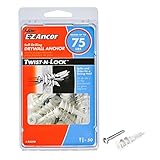
I remember the first time I stared at a wall, drill in hand, and a picture frame that felt heavier than a small child. The instructions said ‘use the included anchors.’ Great. Then I realized I had about six different types of anchors, and none of them were labeled. This whole world of ‘anchors’ and specifically, are anchors called molly, felt like a secret handshake I didn’t have the password for. You see a lot of generic advice out there, but the truth about what works and what doesn’t is often buried under marketing fluff. Let’s clear the air.
Why So Many Names for the Same Thing?
This is where most people get tripped up. You’re staring at a pile of hardware, and the term ‘molly bolt’ or ‘molly anchor’ pops into your head. But then you see ‘toggle bolt,’ ‘hollow wall anchor,’ ‘butterfly anchor,’ and you start to wonder if you’re losing your mind.
The simple answer to ‘are anchors called molly?’ is both yes and no, depending on who you ask and what exactly you’re holding.
Think of it like Kleenex and tissues. ‘Molly’ is a brand name that became so popular, people started using it generically. The actual product is a type of hollow wall anchor, often called a ‘molly bolt’ or a ‘molly screw’ because the original, very common design looked like a little metal molly (a type of butterfly) when it expanded behind the drywall.
So, while a true ‘Molly’ brand anchor might be specific, the term ‘molly’ is now used to describe a whole category of anchors that work on a similar expansion principle in hollow walls. It’s a classic case of brand name dilution, and it causes a lot of confusion at the hardware store. You might buy something labeled ‘molly anchor’ that isn’t technically from the Molly brand, but it functions in a very similar way.
The real question you should be asking isn’t just ‘are anchors called molly?’ but ‘what kind of molly anchor do I need for this job?’
I made this mistake years ago. I bought a ‘molly anchor kit’ that had various sizes, but the anchors themselves were these cheap, thin metal things. I was trying to hang a fairly heavy mirror, and after I screwed it in, it just spun.
Total nightmare. Turns out, the ‘molly’ name was on the box, but the quality was garbage, and the expansion mechanism wasn’t solid enough.
I ended up having to patch the drywall and start over with a much better quality anchor. It taught me that while the name might be the same, the execution and material quality can make all the difference in the world. So, when you’re looking, don’t just grab the cheapest thing with ‘molly’ on it.
Pay attention to the material, the size, and the weight rating. It’s not just about the name; it’s about the engineering.
How These “molly” Anchors Actually Work
So, how do these things actually grip the inside of your drywall or plaster? It’s all about expansion. The most common type of anchor that people refer to as a ‘molly’ is the metal expansion anchor. It usually consists of a metal sleeve and a screw.
When you insert the sleeve into a pre-drilled hole in your wall, it’s just a hollow tube. Then, as you screw in the screw, the back of the sleeve is pulled forward.
This action causes the sleeve to expand and flatten out against the inside surface of the wall. Imagine pushing a piece of paper through a narrow opening, and then you pull a string attached to the middle of the paper – it fans out. That’s basically what’s happening behind your wall.
The expanded metal sleeve creates a broad surface area that grips the drywall from the inside, preventing the anchor from pulling out when you hang something on it.
Some ‘molly’ style anchors have prongs on the outside of the sleeve that dig into the drywall surface for added grip, especially useful in plaster or slightly weaker drywall. Others are designed to ‘toggle’ or ‘butterfly’ open, with wings that spread out wide behind the wall. This is where the term ‘toggle bolt’ often overlaps.
The key difference is that traditional ‘molly bolts’ usually have a threaded screw integrated into the anchor itself, while a ‘toggle bolt’ might have a separate screw that passes through the toggle mechanism. The principle, however, remains the same: create a broad surface area behind the wall to distribute the load.
I’ve found that the toggling types tend to have a higher weight rating because they spread the load over a much larger area. The simple expansion sleeve types are good for lighter loads, but for anything substantial, you want that wide butterfly action. (See Also: Can Concrete Anchors Be Used In Brick )
When you’re picking one out, look at the material. Cheap ones are often thin, soft metal that bends easily or strips out.
Better ones are made of thicker gauge steel or aluminum. The screw should also be substantial, not a flimsy little thing that will snap.
Also, check the weight rating. This is usually listed on the packaging and is important for avoiding the dreaded wall-ripping event. Keep in mind these ratings are often for ‘shear’ strength (pulling straight down) and don’t always account for ‘pull-out’ strength (pulling straight out from the wall), which can be a different story. For peace of mind, I often double what the packaging says it can hold, especially for items that are valuable or could cause damage if they fall.
It’s better to be over-engineered than to be sorry.
What to Look for: Beyond the “molly” Name
Okay, so we’ve established that ‘molly’ is a bit of a catch-all. What should you actually be looking for when you’re standing in the fastener aisle? First, consider your wall material. Is it standard drywall, plaster, or something else? Most ‘molly’ type anchors are designed for hollow walls, meaning drywall or plaster where there’s air space behind. If you’re drilling into solid wood or concrete, you need a different type of fastener altogether. For hollow walls, the main differentiator among ‘molly’ style anchors comes down to how they expand and their weight capacity. You’ll see variations like:
| Anchor Type (often called “Molly”) | Description | Best For | My Verdict |
|---|---|---|---|
| Metal Expansion Anchor (Sleeve Type) | A metal sleeve with an integrated screw. Screw pulls sleeve to expand against the back of the wall. | Light to medium-duty items: small shelves, picture frames, light fixtures. | Reliable for basic needs, but check quality. Can sometimes strip if over-tightened. |
| Toggle Bolt (Butterfly Anchor) | A spring-loaded or rigid ‘wings’ that fold out behind the wall. Often comes with a separate bolt. | Medium to heavy-duty items: larger shelves, TVs, cabinets, heavy mirrors. | Excellent weight distribution. My go-to for anything I’m nervous about. Worth the slightly more complex installation. |
| Molly Bolt (with integrated screw) | Similar to sleeve type but often with a fatter, more solid expansion. The ‘classic’ molly. | Medium-duty. Can handle a bit more than the basic sleeve type. | A solid middle ground if you don’t need full toggle action. Good for moderately heavy items. |
| Plastic Anchors (not technically ‘molly’) | Often ribbed or finned plastic cones. Screw expands the plastic. | Very light-duty items: lightweight decorations, small posters. | Avoid for anything with significant weight. They can be flimsy. |
When you’re reading the packaging, don’t just glance at the picture. Read the weight rating. It’s usually given as a maximum load. For safety and longevity, I always aim to use an anchor rated for at least double the weight of the item I’m hanging.
If a shelf weighs 20 pounds, I’m looking for anchors rated for 40-50 pounds. This is especially true for items that might get bumped or have dynamic loads (like a shelf with books that can be jiggled). Also, consider the screw length and diameter.
A longer screw provides more engagement with the wall material, and a thicker screw can handle more stress. Many anchors come with the appropriate screw, but sometimes you might need a longer one for thicker drywall or mounting through an extra layer of material.
My personal rule of thumb is this: if it’s something precious or potentially dangerous if it falls (like a heavy TV mount or a large mirror), I’m going with a toggle bolt. The cost difference is usually minimal, and the peace of mind is immense. For lighter stuff, the better quality metal expansion anchors can be perfectly fine, but I’m always scrutinizing the metal thickness and the screw quality. Don’t be afraid to ask for help at the hardware store if you’re still unsure. They’ve seen it all and can point you to the right product for your specific need, even if you can’t remember the exact name of what you’re looking for.
Common Mistakes That Lead to Disaster
I’ve seen people hang things with anchors that were clearly not up to the task, and I’ve done it myself. The most common mistake, hands down, is using the wrong type of anchor for the wall material or the weight of the item. Thinking a little plastic anchor can hold up a 50-pound TV is a recipe for disaster. Or, worse, using a drywall anchor in a solid brick wall.
You’ll drill a hole, screw it in, and it will feel solid for about five minutes until it crumbles the brick or the anchor just spins uselessly. People also often drill holes that are too big or too small for the anchor. If the hole is too big, the anchor won’t expand properly, and it’ll just fall out. If it’s too small, you won’t be able to get the anchor into the hole in the first place, or you’ll damage the anchor as you force it in.
Always, always, always check the recommended drill bit size on the anchor packaging.
Another frequent blunder is not checking the weight rating, or, even worse, ignoring it. Manufacturers put those ratings there for a reason.
They’re based on tests, and while they might seem conservative, they’re there to prevent failure. I once tried to hang a heavy antique medicine cabinet using anchors that looked solid but were rated for much less than I needed. I didn’t pay close enough attention, and a few weeks later, the whole thing came crashing down. Thankfully, nothing broke, but it was a stark reminder.
Also, over-tightening is a real issue. When you’re screwing in an anchor or the screw that goes with it, you want it snug and secure, but you don’t want to strip the threads or crack the drywall. A stripped anchor is useless. It just spins freely in the hole, and you’re back to square one, probably with a bigger hole to patch. (See Also: Can Cords Be Used To Make Anchors Climbing )
Forgetting about what’s behind the wall is another common mistake. Drywall is only about half an inch thick. Behind that, you might have insulation, electrical wires, or plumbing pipes.
Drilling carelessly can lead to a world of hurt. Always be aware of where your studs are, and if you’re not hitting a stud, understand that you’re relying on the drywall itself to hold. That means you need an anchor designed to spread out behind the drywall.
The ‘molly’ type anchors, especially the toggle ones, are designed for this very purpose. They distribute the weight over a larger area of the drywall, reducing the stress on any single point. It’s the difference between a nail holding a picture (which can pull out easily) and a toggle bolt holding a heavy shelf (which is much more secure because it grips both sides of the wall). Always use a stud finder if you can, especially for heavier items.
Anchoring into a stud is always the strongest and safest option.
Real-World Use Cases: Beyond Just Hanging Pictures
People often think of ‘molly’ anchors, or hollow wall anchors in general, as just for hanging lightweight decorative items. And sure, they’re great for that. I’ve got a bunch of them holding up family photos, calendars, and lightweight shelving units. But the real power of these anchors, especially the heavy-duty toggle bolt varieties, is in their ability to secure substantial items where studs aren’t conveniently located.
For example, mounting a flat-screen TV. Most TV mounts come with lag bolts for mounting into studs, and that’s what you should use if you can hit studs. But what if the ideal viewing spot means you can’t align the mount with studs?
That’s where heavy-duty hollow wall anchors, often colloquially called ‘molly bolts,’ become invaluable. I used a set of large toggle bolts, rated for well over 100 pounds each, to mount a 60-inch TV in a location that only had drywall where I needed the mount. It felt nerve-wracking, but the anchors held perfectly, and the TV has been solid for years.
Another common scenario is installing kitchen or bathroom cabinets. While ideally, cabinets are mounted directly into studs, sometimes renovations or unique layouts make this difficult.
For lighter wall cabinets, especially if they’re not loaded with heavy dishes, a solid hollow wall anchor can provide the necessary support. You’d typically use multiple anchors, distributing the load. I’ve also used them for hanging heavy mirrors, especially those large decorative ones that don’t have a convenient stud behind them.
The key is selecting an anchor with a sufficient weight rating and making sure it’s properly installed. I once had to install a floor-to-ceiling bookshelf unit that, due to the room’s construction, couldn’t be fully anchored into studs. I used a combination of strategically placed stud mounts and heavy-duty toggle anchors for the sections between studs.
It took more time and effort, but it was a secure installation that wouldn’t have been possible with basic drywall anchors.
Think about things like:
- Heavy decorative mirrors
- Wall-mounted shelving units (especially for books or heavy items)
- Flat-screen TV mounts (when studs aren’t aligned)
- Light to medium-duty wall cabinets
- Floating shelves that require solid wall support
- Window treatments like heavy curtain rods
- Pot racks in kitchens
For any of these, especially the heavier items, you’re looking at the metal expansion types or, more often, the toggle bolt style anchors. The term ‘molly’ might still be used by people describing these, but the functionality is what matters. It’s about finding that anchor that can expand or toggle behind the drywall to create a secure anchor point. Don’t underestimate their capability when used correctly. It’s a much better option than trying to punch a hole through your drywall with a screw and hoping for the best.
Practical Tips for Using Hollow Wall Anchors Correctly
Using hollow wall anchors, or what many call ‘molly’ anchors, isn’t rocket science, but a few best practices can save you a lot of headaches. First, always read the instructions. Seriously. Different anchors have slightly different installation methods.
Some require a specific drill bit size, some are tapped in with a hammer, and others are screwed in. Using the wrong size drill bit is probably the most common mistake. Too small, and you can’t get the anchor in. Too big, and it won’t grip.
The packaging will tell you the exact size needed. Second, measure twice, drill once. (See Also: Can Anchors In Your Shoulder Break )
Figure out exactly where you want your item to go. Use a level to make sure it’s straight. Mark your holes clearly.
Then, double-check your measurements and markings before you pick up the drill.
When you’re drilling the hole for the anchor, drill straight and to the depth recommended. Some anchors have a flange or collar that should sit flush with the wall.
Others are designed to sit slightly recessed. For toggle bolts, you might need to drill a larger hole than you’d expect, but the toggle wings will collapse to fit through it.
Once the anchor is in the wall, if it’s a screw-in type, tighten it until it feels snug and secure. Don’t overtighten. If it’s a toggle bolt, you’ll often pull the screw out slightly after the toggle has deployed, and then reinsert it to secure the item.
This action makes sure the toggle is fully engaged. For metal expansion anchors, as you screw in the bolt, you’ll feel increasing resistance as the sleeve expands.
Stop when it feels solid. You’re not trying to torque it down like a car engine.
Here’s a little trick I learned for making sure the anchor is secure: once installed, give it a gentle tug. If it feels loose or wobbles, it’s not installed correctly, and you need to pull it out and try again. Sometimes, you might need to use a bit of spackle or wood filler to repair the hole if the previous attempt was a mess. Another tip: if you’re mounting something that has multiple attachment points, like a shelf with four screw holes, try to stagger your anchor types if possible.
Use a stud for one point if you can, and then use your strongest hollow wall anchors for the others. This distributes the load more effectively and provides redundancy. Finally, for very heavy items, or if you’re just not confident in your drywall anchoring skills, consider using a French cleat system or a heavy-duty mounting bracket that spreads the load across a wider area of the wall, or allows you to hit multiple studs. Sometimes, combining different anchoring methods is the best approach.
When Is a ‘molly’ Anchor the Right Choice?
A ‘molly’ style anchor, which generally refers to hollow wall anchors that expand or toggle behind the wall, is the right choice when you need to hang something on a hollow wall (like drywall or plaster) and you cannot secure it directly into a wall stud. They are particularly useful for medium-duty to heavy-duty items where sheer strength and load distribution are important. If you are hanging anything heavier than a small picture frame and don’t have a stud available, a quality hollow wall anchor is often your best bet.
Are Molly Bolts Stronger Than Drywall Anchors?
The term ‘molly bolt’ often refers to a specific type of metal expansion anchor, which is a kind of hollow wall anchor. Compared to basic plastic ribbed drywall anchors, solid metal molly bolts and, especially, toggle bolts are significantly stronger. They work by expanding or toggling behind the drywall, distributing the weight over a larger surface area, which provides much greater holding power than a simple plastic anchor that relies solely on friction within the hole.
What Is the Difference Between a Molly Bolt and a Toggle Bolt?
While both are types of hollow wall anchors, a traditional ‘molly bolt’ typically has a metal sleeve with an integrated screw that expands behind the wall as the screw is tightened. A toggle bolt usually features spring-loaded or rigid ‘wings’ or arms that fold out flat against the back of the wall once they pass through the drilled hole, offering a much larger bearing surface. Toggle bolts are generally considered stronger and better for heavier loads than standard molly bolts.
How Much Weight Can a Molly Anchor Hold?
The weight capacity of a ‘molly’ anchor varies greatly depending on its type, material, and size. Basic plastic anchors might hold only a few pounds, while metal expansion anchors can hold 20-50 pounds, and heavy-duty toggle bolts can hold 100 pounds or more. Always check the manufacturer’s weight rating on the packaging for the specific anchor you are using and consider using anchors rated for at least double the weight of the item you intend to hang.
Final Verdict
So, to circle back, are anchors called molly? Yes, in the same way tissues are called Kleenex. It’s a common, often generic term for a whole class of fasteners. But understanding the nuances – the difference between a cheap expansion anchor and a solid toggle bolt, and how they actually work – is what separates a secure installation from a potential DIY disaster. Don’t just grab the first thing that looks like it might work. Pay attention to the weight ratings, consider your wall material, and if in doubt, go for the overkill option.
The real lesson here is that the name is less important than the function and the quality. A well-installed toggle bolt, even if you just call it a ‘molly,’ will outperform a poorly made, flimsy anchor that happens to have the brand name on it. When you’re staring at that wall, drill in hand, remember this conversation. Invest a little extra time and thought into choosing the right anchor, and your walls will thank you.
Next time you’re at the hardware store, take a moment to really look at the different types of hollow wall anchors. You might be surprised at how many variations there are and how much stronger some are than others. It’s a small detail that can make a huge difference in the longevity and safety of your home projects.