I remember staring at a crumbling brick wall, a heavy shelf kit in my hands, and a gnawing question in my gut: can concrete anchors be used in brick? My initial thought was a resounding ‘yes,’ because, well, they’re anchors, right? They anchor things. But then I pictured that shelf, laden with my admittedly extensive collection of vintage comic books, doing a dramatic swan dive onto my floor. Turns out, not all anchors are created equal, and neither are all walls. My DIY confidence took a hit that day, and it’s a lesson I learned the hard way. So, let’s cut to the chase. This isn’t going to be some corporate fluff piece. We’re talking real-world experience here.
You’ve probably seen those shiny metal things, the wedge anchors or sleeve anchors, designed for concrete. They look tough. They feel tough. But brick? Brick is a different beast entirely. It’s porous, it crumbles, and it doesn’t always play nice with the brute force approach that works wonders in solid concrete. So, can concrete anchors be used in brick? The short answer is: it depends. And ‘it depends’ is usually where most DIY projects start to go sideways if you’re not careful.
Forget the generic advice you’ll find plastered everywhere. We’re going to get into the nitty-gritty of what actually holds, what fails, and why. This is about saving you time, money, and the embarrassment of a failed project. Let’s get this sorted.
The Big Question: Concrete Anchors in Brick – a Primer
Alright, let’s tackle the head-scratcher head-on: can concrete anchors be used in brick? The simple, unvarnished truth is that while some concrete anchors can be used in brick, it’s not a straightforward ‘yes’ or ‘no.’ Think of it like trying to hammer a nail into a slice of dry cake versus a piece of hardwood. Both are solid-ish, but the outcome is wildly different. Brick, especially older or softer types, behaves more like that cake. It’s porous, brittle, and can easily chip away or crumble under the pressure of an expanding anchor meant for the uniform density of concrete.
Concrete anchors, particularly the mechanical expansion types like wedge anchors and sleeve anchors, work by expanding outwards against the walls of a pre-drilled hole. This expansion creates a tight, secure grip. In solid, unadulterated concrete, this is fantastic. The concrete provides a consistent, strong surface to push against.
Brick, however, is often made of clay, fired at varying temperatures, and laid with mortar. The brick itself has voids and inconsistencies, and the mortar can be softer than the brick. When you try to expand an anchor in brick, you’re not just pushing against solid material; you’re pushing against something that can crack, break, or simply erode around the anchor.
This is why that heavy-duty concrete anchor you used for your garage floor might be a recipe for disaster on your garden wall.
The real issue isn’t just the anchor itself, but the substrate – the brick and mortar. A well-fired, dense brick might hold a specific type of anchor better than a crumbly, porous one. The mortar joints are even trickier. If you drill into a mortar joint, you’re often dealing with a material that’s much weaker than the brick.
Anchors placed solely in mortar are notorious for failing. It’s a gamble, and one I’ve seen friends lose, leading to sagging shelves and a lot of muttered curses. My own personal horror story involved trying to hang a fairly substantial outdoor light fixture on an old brick chimney.
I used what I thought were solid concrete anchors, the kind with a thick metal sleeve. Within six months, the chimney brick had eroded around the sleeves, and the fixture was dangling precariously.
It looked like a cartoon sketch of a disaster. That’s when I learned to really differentiate between brick and concrete, and what works for one often won’t work for the other without serious consideration.
So, while the question of ‘can concrete anchors be used in brick’ might seem simple, the answer is loaded with nuance. It’s about understanding the material properties of both the anchor and the wall you’re drilling into. We’re not just drilling a hole; we’re creating a potential weak point. This is why selecting the right type of anchor for brick is most important, and often, that means looking beyond the standard concrete anchors.
When ‘concrete Anchors’ might Work (and When to Run Away Screaming)
Let’s get down to brass tacks. There are certain situations and specific types of anchors designed for concrete that, with careful consideration, might be usable in brick. But I want to be crystal clear: this is the exception, not the rule, and it comes with significant caveats. Forget your heavy-duty wedge anchors designed for sheer concrete strength. Those are almost always a bad idea for brick. They rely on the concrete’s ability to resist expansion pressure, and brick often can’t provide that consistently.
The types of anchors that might have a fighting chance in brick are generally the sleeve anchors and the lag shields. Sleeve anchors have a metal sleeve that expands. The key here is to drill a hole that perfectly matches the sleeve’s diameter, making sure it’s a snug fit without being forced.
The sleeve expands as you tighten the bolt, but instead of relying on pure outward force against concrete, it relies on the sleeve gripping the interior of the hole. This can work in denser bricks, but you still risk cracking the brick if you overtighten or drill too aggressively. Lag shields are lead or plastic sleeves that you hammer into a pre-drilled hole. When you insert a lag screw, it expands the shield.
These are generally less aggressive than wedge anchors. I’ve had moderate success with lag shields in older, softer bricks for lighter duty applications, like hanging a small garden trellis. The trick is to drill the hole precisely the correct size for the shield and to drive the shield in gently. If the brick starts to crumble, stop. (See Also: Can Concrete Anchors Be Used In Brick )
That’s your sign to back off.
However, and this is a big ‘however,’ the real danger lies in misunderstanding the load capacity. Even if a sleeve anchor or lag shield holds initially in brick, it’s often significantly weaker than its rated capacity in concrete. Manufacturers test their anchors in standard, dense concrete. Their ratings for brick are often optimistic or simply non-existent. A 500lb rated anchor in concrete might only be good for 100lbs, or less, in brick. This is where the ‘it depends’ really bites you. Are you hanging a picture frame, or are you supporting a 50lb outdoor grill? The margin for error shrinks dramatically with heavier loads.
My advice? If you must use something that looks like a concrete anchor, opt for sleeve anchors or lag shields, and always test your pull-out strength discreetly.
Drill the hole, insert the anchor, tighten it, and then try to gently pull it out with a pry bar or vise grips before you attach your actual item. If it budges, even a little, it’s not secure.
I learned this lesson the hard way with a bird feeder I mounted on a brick wall. It looked solid for weeks, then one gust of wind sent it tumbling. The brick around the anchor had just disintegrated. Since then, I’ve become much more conservative.
If the brick feels soft or crumbly, I walk away from the idea of using a standard concrete anchor. There are better, brick-specific solutions available that I’ll get to.
The Right Way: Anchors Actually Designed for Brick
So, we’ve established that standard concrete anchors are often a risky proposition for brick. Great. Now what? What should you be using? Fortunately, the building industry has figured this out, and there are anchors specifically designed to handle the unique challenges of brick and block. These are what I reach for almost every time I’m dealing with a brick surface, and they’ve saved me a lot of headaches. The key difference is how they grip. Instead of relying on sheer expansion pressure that can crack brittle material, these anchors are designed to spread the load or provide a more secure, less destructive hold.
The most common and generally reliable options for brick are plastic expansion anchors (often called ‘rawlplugs’ in the UK, though the term is used more broadly) and specialized brick anchors. Plastic expansion anchors are simple, inexpensive, and effective for light to medium-duty applications.
You drill a hole the size specified by the anchor manufacturer, hammer the plastic plug in, and then drive a screw into it. The plug expands and grips the interior of the hole. They work by wedging themselves into the brick or mortar, creating friction.
I’ve used these for hanging shelves, light fixtures, and even small cabinets on brick walls, and they’ve held up perfectly. You just need to make sure you’re using the correct size drill bit and not forcing the plug in if the hole is too small, which can split the brick.
For heavier loads, you’ll want to look at what are often called ‘cavity fixings’ or ‘hollow wall anchors’ specifically rated for brick, or ‘brick anchors.’ These are more solid. Some are basically heavy-duty toggle bolts or snap toggles designed to deploy behind the face of the brick if there’s a cavity (common in cavity brick walls). Others are designed to expand within the mortar or brick in a way that distributes pressure more effectively.
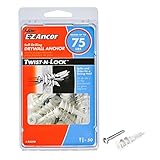
One excellent type is the self-drilling anchor, often made of plastic or metal, which has a screw-like thread that cuts its own hole. These are fantastic for softer materials like brick and can be very secure if installed correctly. They minimize the risk of cracking the brick because they’re basically screwing into the material, not forcing it apart.
I remember a project where I needed to hang a fairly heavy garden planter on a solid brick wall. I initially considered the sleeve anchors, but the brick was older and had some visible spalling. Instead, I opted for a set of heavy-duty metal brick anchors that looked like thick screws with a special threaded tip. You just screwed them directly into a pre-drilled pilot hole.
The threads bit into the brick and mortar, providing a surprisingly strong hold. I was able to hang a planter that weighed well over 50 pounds, and it’s been rock solid for two years. The key was reading the product description carefully, understanding the load rating for brick (not just concrete), and using the correct drill bit size.
It’s about matching the fastener to the material, plain and simple. Don’t be afraid to ask for advice at a good hardware store; they often have specific recommendations for brick. (See Also: Can Cords Be Used To Make Anchors Climbing )
Common Mistakes That Lead to Anchor Failure in Brick
You’d think that attaching something to a wall would be straightforward, but with brick, there are so many ways to screw it up. I’ve seen it all – anchors that pulled out, bricks that cracked, and the dreaded ‘wobble’ that signals impending doom. Most of these failures come down to a few common, avoidable mistakes. Understanding these pitfalls is half the battle when you’re trying to figure out if can concrete anchors be used in brick, and more importantly, how to do it right.
The biggest mistake is using the wrong type of anchor for the job. As we’ve discussed, concrete anchors are designed for concrete. Using them in brick is like trying to use a screwdriver as a hammer; it might technically work for a second, but it’s not the right tool and it’s likely to cause damage or fail. This is especially true for wedge anchors and drop-in anchors, which rely on expanding within a solid substrate.
Bricks aren’t solid enough in the way concrete is. They have pores, they can be brittle, and they can fracture. Drilling into a mortar joint is another huge no-no. Mortar is almost always weaker than the brick itself and will crumble easily, rendering any anchor placed within it useless.
Another common error is improper hole preparation. This includes drilling the hole too large or too small, or not drilling to the correct depth.
If the hole is too large for a plastic anchor, it won’t expand properly and won’t grip. If it’s too small, you might crack the brick forcing it in, or the anchor won’t seat correctly.
Not drilling deep enough means the anchor doesn’t have full engagement with the material. I made this mistake once trying to hang a heavy mirror. I didn’t drill deep enough, and the anchor only had about half its length engaged.
When I hung the mirror, it was noticeably crooked within a day. Turns out, the anchor was slipping because it didn’t have enough purchase.
Always follow the manufacturer’s recommended drill bit size and depth. It’s not just a suggestion; it’s important for proper function, especially in a material as forgiving as brick.
Overtightening is another killer. You might think that cranking down on that bolt will make it more secure, but with brick, it often does the opposite.
You can easily crack the brick or strip the threads in the anchor or the brick itself. This is particularly true with aggressive expansion anchors. The goal is a snug, secure fit, not to fuse the anchor to the brick with sheer force. I’ve learned to stop tightening as soon as I feel solid resistance or the anchor stops moving.
If it feels like you’re going to break something, you probably are. Finally, underestimating the load.
Just because an anchor fits doesn’t mean it will hold what you need it to. Always check the weight of the item you’re hanging and compare it to the anchor’s load rating specifically for brick or masonry, not just a generic concrete rating.
A picture frame is one thing; a 50lb television is another. Always err on the side of caution and choose an anchor rated significantly higher than your expected load.
Putting It All Together: A Practical Guide to Anchoring in Brick
So, you’ve got a brick wall and you need to hang something. You know that just grabbing any old ‘concrete anchor’ is a bad idea. What’s the practical, step-by-step approach? It boils down to preparation, selection, and careful installation. Let’s break it down so you can avoid the mistakes I’ve made.
Step 1: Assess Your Brick and Your Load. Before you even pick up a drill, get a good look at the brick. Is it old, crumbly, and soft, or is it hard and dense? Are the mortar joints sound or are they crumbling? This assessment will heavily influence your anchor choice. Next, figure out the weight of the item you want to hang. Be honest. Measure it, or if it’s a standard item, look up its specs. Always add a buffer for safety – maybe 50% more than the actual weight. (See Also: Can Anchors In Your Shoulder Break )
Step 2: Choose the Right Anchor. Based on your assessment, select the appropriate anchor. For light loads (pictures, small shelves), plastic expansion anchors (rawlplugs) or self-drilling anchors are usually your best bet. For medium to heavy loads, look for specialized brick anchors, heavy-duty toggle bolts, or snap toggles designed for masonry. If you’re unsure, go to a reputable hardware store and describe your project and brick type. They can often recommend specific products. Avoid standard wedge anchors, sleeve anchors (unless you’re very confident in the brick density and use them carefully), and drop-in anchors. Avoid drilling into mortar joints at all costs.
Step 3: Drill with Precision. This is where many DIYers go wrong. Use a masonry drill bit of the exact size recommended by the anchor manufacturer for the specific anchor you’ve chosen. If the instructions say 1/4 inch, use a 1/4 inch bit. Don’t guess. Set your drill to the hammer drill setting (if applicable) and drill slowly and steadily. Don’t force the drill; let the bit do the work. Drill to the depth specified by the anchor manufacturer. A common depth for plastic anchors is about 1 to 1.5 inches, but always check the packaging. Use a piece of tape on your drill bit as a depth gauge.
Step 4: Install the Anchor Carefully. Once the hole is drilled and cleared of dust (use a vacuum or a blast of air), it’s time to install the anchor. For plastic anchors, tap them gently into the hole with a hammer until they are flush with the surface. For self-drilling anchors, simply screw them in until flush. For toggle bolts or snap toggles, follow the specific instructions for deployment. For any anchor that involves screwing, tighten the screw until it’s snug and secure, but do not overtighten. You want it to feel solid and stable, not like you’re trying to crush the brick. A good rule of thumb is to stop when you feel significant resistance.
Step 5: Attach Your Item and Test. Once the anchor is in place, attach your item. For anything with a significant weight, give it a gentle tug or pull before you fully load it. This is your final check. Does it feel solid? Does it budge? If it feels secure, you’ve likely done it right. If there’s any doubt, especially with heavier items, reconsider your anchoring strategy. It’s always better to be safe than sorry. I once hung a relatively heavy mirror, and after installing the anchors, I hung the mirror, then gave it a firm but not violent push. It didn’t move, and it’s been up there for years without issue.
| Anchor Type | Best Use Case for Brick | Pros | Cons | My Verdict |
|---|---|---|---|---|
| Plastic Expansion Anchors (Rawlplugs) | Light to Medium Duty (pictures, small shelves, light fixtures) | Inexpensive, widely available, easy to use | Limited load capacity, can crack brittle brick if over-driven | Good for most light jobs. Reliable if sized correctly. |
| Self-Drilling Anchors (Plastic/Metal) | Light to Medium Duty (similar to plastic anchors, but can be more secure) | Cuts own hole, good grip, less risk of cracking | Can be slightly more expensive, load capacity varies | Excellent option for softer brick, very user-friendly. |
| Toggle Bolts / Snap Toggles | Medium to Heavy Duty (cabinets, heavy shelves, TVs – in cavity walls) | High load capacity in cavity walls, spreads load | Requires larger hole, might not work in solid brick without cavity | Fantastic for cavity brick walls. Use with caution in solid brick. |
| Specialized Brick Anchors (e.g., threaded brick anchors) | Medium to Heavy Duty (planters, larger fixtures) | Designed for brick, often strong hold, good for solid brick | Can be more expensive, requires specific drill bit sizes | Often the best choice for more solid applications on solid brick. |
| Wedge Anchors | NOT Recommended for Brick | Very strong in solid concrete | High expansion force, likely to crack or spall brick | Avoid. Unless you want a cracked wall. |
| Sleeve Anchors | Light to Medium Duty (with extreme caution on dense brick only) | Can offer decent hold if installed perfectly | Still relies on expansion, high risk of cracking or spalling brick | Use only as a last resort on very dense brick. Not my first choice. |
People Also Ask: Common Questions About Brick Anchors
Can I Use a Toggle Bolt in Brick?
Yes, toggle bolts can be very effective in brick, but their effectiveness depends on the type of brick wall. They are ideal for cavity brick walls, where the toggle can flip and expand behind the face of the brick, distributing the load over a larger area. For solid brick walls, standard toggle bolts may not work as they rely on a void to expand into. There are specialized toggle-like anchors designed for solid masonry that might be suitable, but make sure the product is explicitly rated for solid brick.
What Is the Strongest Anchor for Brick?
The strongest anchor for brick depends on whether the wall is solid or cavity, and the specific type of brick. For solid brick, heavy-duty threaded brick anchors or solid self-drilling anchors designed for masonry are generally considered the strongest options, provided they are installed correctly. For cavity brick walls, heavy-duty toggle bolts or snap toggles are excellent and provide very high load capacities by spreading the load behind the brick face. Always check the manufacturer’s load ratings specifically for brick (not just general masonry or concrete).
Can I Use a Concrete Screw Anchor in Brick?
Concrete screw anchors (like Tapcons) can sometimes be used in brick, but with significant caution. They work by cutting their own threads into the pre-drilled hole. In denser, harder bricks, they can provide a good hold for light to medium loads. However, in softer or more porous bricks, the threads can strip the material, leading to a weak connection. It’s important to use the correct size drill bit and not overtighten. Always test the pull-out strength before relying on them for anything heavy. Specialized brick screws are often a better, more reliable choice.
A Note on Chemical Anchors and Brick
While we’ve focused on mechanical anchors, it’s worth briefly touching on chemical anchors (epoxy or resin anchors). These are generally very strong and are often used in concrete and stone. Can they be used in brick? Yes, they can, and they can be extremely effective, especially for very heavy loads or when you need maximum holding power. Chemical anchors work by filling the hole with a bonding agent that hardens, basically creating a solid mass around the anchor rod.
The primary advantage of chemical anchors in brick is that they don’t rely on expansion pressure. This significantly reduces the risk of cracking the brick. They fill any voids and provide a very secure bond. However, they also have downsides.
They are typically more expensive than mechanical anchors, require a clean hole (dust removal is important), and have a limited working time once mixed. You also need to use a specific type of anchor rod designed for use with chemical anchors, often a threaded steel rod.
I’ve used chemical anchors on a few projects where I needed to mount very heavy equipment to a solid brick wall, like a large workbench. The hold was incredible – rock solid. But the cost and the mess involved mean they’re usually overkill for most DIY tasks.
For general home improvement, plastic anchors, self-drilling anchors, or specialized brick anchors are usually more practical and cost-effective.
Verdict
So, to circle back to the million-dollar question: can concrete anchors be used in brick? My definitive, hard-won answer is: usually, you shouldn’t. Standard concrete anchors, especially the expansion types, are designed for a material that’s fundamentally different from brick. Using them is a gamble that often ends with a cracked wall or a fallen fixture. It’s far better to choose anchors specifically designed for brick and block work, like plastic anchors, self-drilling anchors, or specialized brick fixings. They’re designed to work with the material, not fight against it.
If you’re tempted to use a sleeve anchor or a concrete screw because it’s what you have on hand, I strongly urge you to reconsider. The potential for damage, and the risk of a failed attachment, are just too high. Take the time to get the right fastener. It’ll save you time, money, and a whole lot of frustration in the long run. Remember, a secure attachment starts with understanding the material you’re working with.
Next time you’re facing a brick wall and need to hang something, take a moment. Assess the brick, weigh your item, and then select an anchor that’s made for brick. Your wall, and whatever you’re hanging on it, will thank you for it.