I remember staring at my grandmother’s antique mirror, a massive, ornate thing. The wall behind it was plaster, the kind that feels solid but has a surprising amount of give. I grabbed a box of what I thought were standard anchors, the kind I used for drywall. Big mistake. That mirror ended up tilted, and I learned a hard lesson about wall types.
So, are concrete anchors the same for plaster walls? Let’s cut to the chase: no, not usually. It’s a common pitfall, especially if you’re used to hanging things on modern drywall. They might look similar, and some might even work in a pinch, but relying on the wrong anchor for plaster can lead to damage, frustration, and potentially a falling object.
Plaster vs. Drywall: It’s Not Just a Different Coat of Paint
When you’re trying to figure out if concrete anchors are the same for plaster walls, the first thing you need to understand is the fundamental difference between plaster and drywall. Drywall, that ubiquitous gypsum board, is relatively soft and crumbly. Anchors for drywall often work by expanding behind the surface or by having wide threads that spread the load over a larger area of the gypsum core.
Plaster, on the other hand, is typically applied over lath – thin strips of wood or sometimes metal mesh. This creates a much more rigid structure.
The plaster itself is a hard, brittle coating. When you drill into plaster, you’re drilling through that hard outer shell and then potentially into the lath or, if you miss the lath, into the air gap behind it.
This is where things get tricky. Unlike drywall where there’s a consistent core material to grip, plaster walls have inconsistent support. Hitting a stud or a piece of lath provides excellent support, but missing them means you’re relying on the plaster itself to hold.
And plaster, while hard, isn’t designed to bear significant shear or pull-out loads on its own. It can chip, crack, or crumble if you use an anchor that applies too much pressure or doesn’t have enough surface area to distribute the weight effectively. This is why a generic concrete anchor, often designed for solid masonry or concrete where there’s a consistent, dense material, might not perform predictably or safely on a plaster wall.
My first encounter with this was trying to hang a heavy shelf in my old apartment. The walls looked solid, like plaster. I used some aggressive-looking screw anchors that I’d used on brick before. They went in okay, but when I put anything on the shelf, it felt… precarious. A week later, a small section of the plaster around one of the anchors just crumbled away. The anchor itself was still in there, but the wall material around it had given up. It was a stark reminder that brute force isn’t always the answer; understanding the substrate is key.
Drywall anchors often rely on toggles or expanding wings that push outwards behind the board. This works because there’s a void. With plaster over lath, the void can be inconsistent. Sometimes there’s just the lath, sometimes a small gap, and sometimes the lath is directly against furring strips (thicker wood supports). So, an anchor designed to expand into a void might just push against the lath, or worse, push the plaster away from the lath. The weight distribution is entirely different, and the failure modes are more varied.
What You Actually Need: Anchors Designed for Plaster or Lath
Forget those generic ‘heavy-duty’ anchors you have lying around from a past concrete project. When you’re dealing with plaster walls, you need anchors specifically designed for the job. The key is finding something that either grips the lath securely or distributes the load over a wide enough area of the plaster itself, or even better, can bridge the gap and connect to the studs behind the lath. This is where the nuance comes in for plaster walls, and why the answer to ‘are concrete anchors the same for plaster walls?’ is a resounding no.
There are anchors that are specifically marketed for plaster and lath. These often look different from typical drywall or concrete anchors. Some are designed with a wider flange that sits flush against the plaster surface, spreading the load. Others have a threaded body that can bite into the plaster or the wood lath.
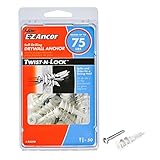
My go-to for medium-duty hanging on plaster is often a self-drilling plaster anchor. These have a sharp point that penetrates the plaster, and then the threads create their own hole, providing a decent grip. (See Also: Can Concrete Anchors Be Used In Brick )
For heavier items, I’ve had to get creative. Sometimes, the best approach is to find the studs.
Plaster walls can make stud-finding a bit of a guessing game. Using a good quality stud finder is key, but even then, the lath can throw it off.
I often tap the wall, listen for the change in sound, and then use a very fine drill bit to probe gently until I hit wood. That’s the holy grail for hanging anything substantial on plaster.
When you can’t hit a stud, you need anchors that are designed to work with the plaster-and-lath system. This means anchors that don’t rely solely on outward expansion into a void, as that void isn’t always consistent or present in the way drywall offers.
Some anchors feature a very long screw that, if you’re lucky, might hit a stud. Others are designed to key into the lath itself, providing mechanical engagement. Another type, often called a ‘toggle bolt’ but specifically for plaster, has a wider wing span than those for drywall, designed to catch the back of the plaster or the lath. The problem with many common concrete anchors is that they are designed for solid, homogenous materials.
You drill a hole, insert the anchor (like a sleeve or a wedge), and then the bolt expands it against the solid material. Plaster isn’t solid in that way; it has layers and potential gaps.
| Anchor Type | Best For | Why it Works (or Doesn’t) on Plaster | My Verdict |
|---|---|---|---|
| Standard Concrete Wedge Anchor | Solid Concrete/Masonry | Relies on expansion into solid material. Can crack brittle plaster or fail if it only expands into a void behind lath. | Avoid. Too aggressive for plaster. |
| Plastic Expansion Anchor (Standard) | Drywall, some Hollow Block | Expands into a void. Might work if there’s a clear void behind lath, but can crush plaster. | Risky. Better options exist. |
| Self-Drilling Plaster Anchors | Medium Duty on Plaster/Lath | Threads bite into plaster and lath. Relatively easy to install. | Good for lighter items (pictures, small shelves). |
| Toggle Bolts (Plaster Specific) | Heavy Duty on Plaster/Lath (when no stud) | Wide wings spread load behind plaster/lath. Requires a larger hole. | Excellent for heavier items if installed correctly. |
| Studs | Anything Heavy | Direct connection to structural support. The most secure option. | Always the first choice if possible. |
Common Mistakes That Lead to Plaster Disaster
The biggest mistake people make is assuming a ‘one-size-fits-all’ approach to wall anchors. This is especially true when transitioning from hanging things on drywall to hanging them on plaster. Drywall is forgiving. You can often get away with a slightly under-specced anchor, and it might hold for a while. Plaster? Not so much. It’s a brittle material that doesn’t like to be stressed unevenly.
One of the most common errors is using anchors designed for solid concrete or brick on plaster. These anchors, like wedge anchors or expansion anchors, rely on being tightened into a solid, homogenous material to expand and grip. When you use them in plaster, especially where there’s a void behind the lath, they can do one of a few things: they can simply crush the plaster as they expand, creating a larger hole and weakening the wall; they might not expand properly because there’s no solid material to push against, rendering them useless; or, in the worst-case scenario, they can create stress points that lead to larger cracks radiating out from the anchor point. I’ve seen friends try to hang heavy bathroom mirrors on plaster walls using these, only to find the mirror sagging precariously or, worse, the anchor pulling completely free, taking a chunk of plaster with it. It’s a recipe for disaster.
Another mistake is not drilling the correct size hole. Too small, and you risk cracking the plaster as you force the anchor in. Too large, and the anchor won’t have enough material to grip. Always follow the anchor manufacturer’s instructions, and when in doubt, it’s often better to start with a slightly smaller drill bit and gradually increase if needed.
Also, many people don’t consider the weight of the item they’re hanging. A picture frame is one thing, but a heavy TV mount or a loaded bookshelf is another.
You absolutely must choose an anchor rated for at least double the weight you intend to hang. This is not a suggestion; it’s a safety requirement, especially with older, potentially brittle plaster walls. (See Also: Can Cords Be Used To Make Anchors Climbing )
Finally, there’s the temptation to just screw directly into the plaster or lath without a proper anchor. While this might work for very light items like a small calendar, it’s a gamble for anything with significant weight. The plaster itself has very little tensile strength, and the lath might not be consistently spaced or strong enough to hold much over time. You end up with a hole that gets bigger and looser with every bump or slight tug. My first apartment had these weird little holes everywhere from previous tenants who just screwed things directly into the wall. They looked awful and held nothing.
How Do You Hang Something Heavy on Plaster?
The absolute best way to hang something heavy on plaster is to find a stud. Use a reliable stud finder, and if you’re unsure, gently probe with a small drill bit until you hit solid wood. If you can’t hit a stud, you’ll need heavy-duty anchors specifically designed for plaster and lath, like a toggle bolt with a wide wing span. Make sure the anchor’s weight rating is significantly higher than the item’s weight. For extremely heavy items like TVs, it’s often best to consult a professional installer.
Real-World Use: My Go-to for Plaster Walls
After years of trial and error, mostly error on my part, I’ve settled on a few reliable methods for plaster walls. The goal is always to secure the item to the lath or, ideally, a stud. When that’s not possible, I rely on anchors that distribute weight broadly across the plaster surface or use a toggle mechanism that can grip the back of the lath or plaster board.
For lighter things – think framed photos, small mirrors, or lightweight wall decor – I’m a big fan of self-drilling plaster anchors. They’re quick, easy, and generally do a decent job of biting into the plaster and lath without requiring a huge hole.
You just screw them in with a screwdriver or a drill on a low torque setting. I’ve used them for hanging a gallery wall of art, and they’ve held up perfectly for years. Another useful trick for lighter items is using ‘picture hooks’ that have multiple small nails.
These spread the load across several points in the plaster, making them more secure than a single screw. I’ve got a couple of old, heavy mirrors hanging with these, and while I wouldn’t trust them for a bathroom cabinet, they’re fine for decorative pieces.
When I need to hang something a bit more substantial – say, a medium-sized shelf for books or a heavier wall cabinet – I absolutely try to locate studs. If I find studs, I just use long, sturdy wood screws. This is by far the most secure method, creating a direct connection to the framing.
If studs are out of the question, my next choice is a toggle bolt. Not just any toggle bolt, but one designed for hollow walls, and specifically one with a wide toggle wing span.
The process involves drilling a larger hole, inserting the toggle through the hole, and then tightening the bolt. The toggle opens up behind the wall, providing a broad surface area to hold the weight. It feels much more solid than those plastic anchors. I’ve used these for hanging heavy kitchen cabinets and even a substantial radiator cover.
You have to be careful not to overtighten and crack the plaster, but once they’re in, they’re solid.
I once had to hang a fairly heavy, antique medicine cabinet on a plaster wall where I absolutely could not find a stud. I used what I thought were heavy-duty toggle bolts, but they were the standard drywall kind. They went in fine, but after a week, the cabinet started to sag. I took it down, and the plaster around the holes had started to crumble. (See Also: Can Anchors In Your Shoulder Break )
I ended up patching the holes, going back to the hardware store, and getting actual plaster-specific toggle anchors with much larger wings. The difference was night and day.
The new anchors felt incredibly secure, and the cabinet has been rock-solid ever since. It was a painful but valuable lesson in using the right tool for the specific wall material.
When Is It Okay to Use a Concrete Anchor on Plaster?
It’s almost never ideal to use a standard concrete anchor (like a wedge or sleeve anchor) directly on plaster walls. These anchors are designed for solid, dense materials like concrete or brick. Plaster walls are typically a brittle coating over lath, creating an inconsistent substrate. Using a concrete anchor can easily crack the plaster, fail to expand properly in the void behind the lath, or simply not provide adequate support, leading to damage. Always opt for anchors specifically designed for plaster and lath, or aim for studs.
Practical Tips for Plaster Wall Hanging
Working with plaster walls requires a bit more finesse and the right tools. You can’t just waltz in with a drill and a box of random anchors. Here are a few hard-won tips that have saved me a lot of headaches and drywall (or plaster) patching.
- Know your wall: Before you drill, try to determine if it’s plaster over lath or plaster over solid block. Tap the wall; solid surfaces sound different. If you’re unsure, assume it’s plaster and lath, which is the most common and trickiest scenario. If you can, carefully drill a tiny pilot hole to see what you’re drilling through.
- Use the right drill bit: For plaster, a masonry bit is usually necessary to get through the hard outer layer. But be gentle. Once you’re through the plaster, you might be drilling into wood (lath or stud) or air. A hammer drill can be overkill and might damage the plaster. A standard drill with good control is often best.
- Find studs whenever possible: I cannot stress this enough. Studs are your best friend. Invest in a good stud finder, and if you’re still uncertain, use a small nail or a thin drill bit to probe gently until you hit solid wood. Mark your stud locations clearly.
- Weight ratings are a must: Always check the weight rating of any anchor you use. And for plaster, err on the side of caution. If an anchor is rated for 20 lbs, don’t hang more than 10 lbs on it in a plaster wall, especially if it’s not directly into a stud. This is where plaster can be tricky – its strength is variable.
- Consider the visual impact: Plaster walls can be beautiful but also unforgiving. A failed anchor can leave a significant hole or crack that’s hard to repair invisibly. Always aim for minimal damage and the most secure hold.
I once tried to hang a heavy antique clock on a plaster wall. I used what I thought was a decent anchor, but I didn’t account for the fact that the clock had a pendulum that swung. That constant slight tugging motion, combined with the weight, slowly but surely worked the anchor loose. The clock started to lean, and I caught it just before it took a nosedive. I ended up reinforcing the hanging point with a small cleat screwed into two studs, which was a much more secure solution. It was a good reminder that static weight is one thing, but dynamic forces are another, especially on less solid wall types.
Understanding Plaster Lath Types
The type of lath behind your plaster significantly impacts how anchors will perform, and it’s a major reason why ‘are concrete anchors the same for plaster walls?’ is a question with a firm ‘no.’ Historically, plaster was applied over wood lath, which consists of thin strips of wood (usually pine or fir) spaced apart. These strips are typically nailed to the wall studs. When you drill into plaster and miss the stud, you might hit the wood lath directly, or you might drill between the lath strips into the void. Anchors that can grip the wood lath (like self-drilling anchors with good threads) tend to work better in this scenario than those that rely on expanding into a void.
Over time, especially in the mid-20th century, metal lath became more common. This is a mesh-like material made of thin sheet metal. It provides a very rigid and consistent surface for the plaster to adhere to. When you drill into plaster over metal lath, you’ll likely hit the mesh. Anchors that require a clear void for expansion, like many standard toggle bolts designed for drywall, might not work as effectively as they could, as the metal mesh can interfere with the toggle’s opening mechanism or simply not provide enough surface area for it to grip securely. Anchors that can penetrate and grip the metal mesh, or those that rely on distributing pressure over the plaster surface, are generally more reliable.
A less common but still encountered scenario is plaster applied directly over solid materials like brick or concrete block. In this case, the plaster is acting more like a veneer, and you have a solid substrate behind it. If you drill through the plaster and hit solid brick or block, then a concrete anchor designed for that specific material could potentially work, but you’d need to be certain you’ve penetrated the plaster and lath entirely. However, even then, the plaster itself can be brittle, and the process of drilling through it and then into solid material can still cause chipping or cracking if not done carefully. This is why identifying the exact composition of your wall is important, and why a generic ‘concrete anchor’ is a gamble on plaster.
Final Verdict
So, to finally put the question to rest: are concrete anchors the same for plaster walls? Absolutely not. Relying on them is a gamble that often leads to damaged walls, weakened fixtures, and potential falling objects. Plaster is a unique beast, and it demands specific types of fasteners.
Your best bet is always to try and anchor into a stud. If that’s not possible, invest in anchors designed for plaster and lath – think toggle bolts with wide wings or solid self-drilling plaster anchors. Always consider the weight of what you’re hanging and double-check the anchor’s rating. It might take a little extra effort and a trip to a well-stocked hardware store, but it’s infinitely better than patching up plaster later.
Next time you’re ready to hang something, take a moment to understand your wall. It’ll save you a world of trouble.