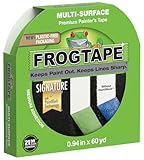
I remember staring at a roll of what looked suspiciously like my old cloth gaffer tape, but the packaging screamed ‘delicate surface painter’s tape.’ My contractor friend, Dave, just shrugged and said, ‘They’re basically the same, pal. Just use it.’ I didn’t. And I regretted it, but not for the reason you’d think. So, to settle this once and for all: are cloth tape and painters tape the same? Not exactly, and knowing the difference saved me a headache later. Let’s cut through the noise about these sticky strips.
For years, I’ve wrestled with tapes for everything from masking off trim to securing cables on stage. You get frustrated with residue, you get ripped drywall, and you get the sinking feeling you’ve wasted another $5 on a roll of useless goo. This whole debate about different types of tape feels like it should be simple, but it gets messy fast.
What’s the Difference? It’s in the Guts
Alright, let’s get down to brass tacks. When people ask if are cloth tape and painters tape the same, they’re usually thinking about how they stick and how they peel off. And yeah, they both stick. They both peel.
But the how and the why are where the real divergence happens, and it’s all about what’s under the hood – specifically, the adhesive and the backing material. Most cheap blue painter’s tape you grab at the hardware store is made with a paper backing.
It’s designed to be breathable, which is a fancy way of saying it allows some air and moisture to escape. This is why it’s generally good at not leaving much residue, especially on painted surfaces that are fully cured. The adhesive is typically a low-tack acrylic or rubber-based goo that’s meant to stick firmly enough for the job but peel off cleanly. Think of it like a temporary handshake – firm, but not a death grip.
Cloth tape, on the other hand, is where things get more serious. The ‘cloth’ part is the big clue. It’s usually a woven fabric backing, often cotton. This makes it way stronger and more durable than paper.
It’s less breathable, which can be a pro or a con depending on the application. The adhesive on cloth tape, particularly what you’d call ‘gaffer’s tape’ (which is a specific type of cloth tape), is usually a more aggressive, natural rubber-based adhesive.
This stuff sticks like a barnacle to a boat. It’s designed for heavy-duty applications where you need something to stay put under stress – think stage rigging, securing cables that get stepped on, or even temporary fixes on gear. I once used a roll of heavy-duty cloth tape to hold a torn seam on my car’s bumper together for a few days while I waited for a repair. It worked like a charm, but pulling it off took a chunk of paint with it.
Lesson learned. So, no, they’re not the same.
One is for delicate masking, the other is for serious sticking power.
Why Your Walls Hate Cheap Painter’s Tape
I’ve seen it a hundred times: someone goes to peel off painter’s tape after a job, and it rips off paint, leaves a gummy residue, or just straight-up doesn’t create a clean line. This is usually down to one of two things: either the tape itself is garbage, or it’s being used incorrectly. Let’s talk about the tape first.
Not all painter’s tape is created equal. That super-cheap, no-name stuff you might find on a discount rack? It’s often made with a paper that’s too porous or an adhesive that’s either too weak (won’t stick) or too aggressive (leaves residue and pulls paint).
I remember buying a bulk pack of generic blue tape for a big interior painting job a few years back. Cost me about $20 for eight rolls.
Sounded like a steal. Big mistake. Every single edge was fuzzy, the paint bled under it like a leaky faucet, and when I finally peeled it off, it left behind this sticky, almost tar-like residue that took an hour of Goo Gone and scrubbing to remove from my freshly painted trim. (See Also: Does Painters Tape Pull Off Paint )
I ended up running to the store and spending $60 on name-brand tape mid-job. That was a painful lesson in ‘you get what you pay for.’
The other big culprit is using the wrong type of painter’s tape for the surface or the paint. There are different formulations for different needs.
You have your ‘multi-surface’ tapes, ‘delicate surface’ tapes (for wallpaper or freshly painted walls that haven’t cured), and standard indoor tapes. If you’ve just painted a wall, you need to let that paint cure properly – sometimes for days, even weeks, depending on the type of paint and humidity. Slapping tape on wet or even slightly soft paint is a recipe for disaster.
It’s like trying to peel a sticker off a damp piece of paper; it just tears and leaves bits behind. And don’t even get me started on trying to use interior painter’s tape on exterior surfaces or in high humidity. It just won’t hold, or it’ll get gummy and leave a mess.
So, when you’re wondering why your paint job looks like it was done by a toddler finger-painting, check the tape first. It’s often the silent killer of crisp lines.
When Cloth Tape Becomes Your Best Friend (and When It’s a Menace)
Cloth tape, especially the kind people often refer to as gaffer’s tape or duct tape (though they are distinct, more on that later), has its own set of quirks. Its superpower is its strength and its tenacious grip. If you need something to stay put, no matter what, cloth tape is your guy. On a film set, gaffer’s tape is used for everything from securing cables that could trip actors to taping down light stands.
It’s designed to be removed without leaving excessive residue on most surfaces, if it’s good quality and removed reasonably soon after application. I’ve seen a few too many amateur stagehands use standard, cheap duct tape for everything, only to spend hours picking sticky threads and goo off their expensive gear. Duct tape, that silvery, vinyl-backed stuff, is NOT your friend for temporary applications where you care about the surface.
It’s designed to be strong and waterproof, and its adhesive is practically welded to whatever it touches. Removing it is often a battle involving heat guns and solvents. It’s for fixing things permanently, not masking them temporarily.
But cloth tape isn’t always the answer. Its strength means it can also damage delicate surfaces. Trying to tape off a section of a vintage rug with gaffer’s tape?
Bad idea. Pulling it off might rip out fibers.
Using it on a freshly painted wall that’s not fully cured? You’re almost guaranteed to pull off paint. The fabric backing can also be a bit unforgiving if you’re trying to get super-sharp, precise lines, especially around intricate trim. You might get a slight bleed from the fabric weave.
And while good gaffer’s tape is designed to remove cleanly, if it’s left on for months or exposed to significant temperature fluctuations, that aggressive adhesive can start to break down and leave a residue anyway. So, while cloth tape is amazing for its intended uses – securing, reinforcing, and heavy-duty temporary holding – it’s absolutely the wrong tool for the delicate masking jobs that painter’s tape is built for.
The ‘people Also Ask’ Deep Dive
Are Cloth Tape and Painters Tape the Same?
No, cloth tape and painter’s tape are not the same. Painter’s tape typically has a paper backing and a low-tack adhesive designed for masking surfaces during painting, aiming for clean removal without damage. Cloth tape, often gaffer’s tape, has a fabric backing for strength and a more aggressive adhesive for secure holding, making it unsuitable for delicate masking jobs where clean removal is most important. (See Also: Does Painters Tape Rip Paint Off Walls )
Can I Use Cloth Tape Instead of Painter’s Tape?
You generally should not use cloth tape instead of painter’s tape for painting projects. Painter’s tape is specifically designed for masking delicate surfaces and removing cleanly, preventing paint bleed and damage. Cloth tape’s stronger adhesive can pull off paint, leave residue, and its fabric backing makes it difficult to achieve sharp paint lines, making it unsuitable for this purpose.
Is Gaffer Tape the Same as Cloth Tape?
Gaffer tape is a specific type of cloth tape. While ‘cloth tape’ is a general term for tape with a fabric backing, gaffer tape is renowned for its strength, durability, and the fact that it typically removes cleanly from most surfaces, making it ideal for professional film and stage applications. Other types of cloth tape might have different adhesive strengths or backing materials.
What Kind of Tape Is Best for Painting?
The best tape for painting is painter’s tape, but the specific type depends on the surface and paint. For most general interior painting on trim and walls, a standard multi-surface blue painter’s tape is a good choice. For freshly painted surfaces or delicate materials like wallpaper, use a ‘delicate surface’ painter’s tape. For exterior painting or surfaces that need extra hold, a heavy-duty painter’s tape might be necessary, but always test in an inconspicuous area first.
The Great Tape Showdown: A Practical Comparison
Let’s break down how these two types of tape stack up in real-world scenarios. I’ve put them head-to-head more times than I care to admit, and the results are usually predictable, but sometimes surprising. For instance, I once tried to use gaffer tape to mask off a section of a wooden deck I was staining, thinking its toughness would be a benefit. It held the stain out, sure, but pulling it off took tiny splinters of wood with it, leaving a rough edge that I then had to sand down.
Had I used a good quality exterior painter’s tape designed for wood, it would have been a clean line with zero damage. That cost me an extra hour of sanding I didn’t budget for.
On the flip side, I was helping a friend set up for a live music gig, and we had a bunch of power cables running across the stage floor. Standard blue painter’s tape was a joke. People were tripping, the tape was peeling up, and it just looked sloppy. We switched to gaffer tape, and boom – cables stayed put, the stage looked cleaner, and nobody worried about tripping.
It was so much better for that specific job. So, while painter’s tape is king for painting, gaffer tape (a type of cloth tape) reigns supreme for securing things that need to stay put and be removed without leaving a sticky nightmare behind. It’s all about matching the tape to the task.
| Tape Type | Typical Backing | Typical Adhesive | Best For | My Verdict |
|---|---|---|---|---|
| Painter’s Tape (Blue/Green) | Paper | Low-tack Acrylic/Rubber | Masking for painting, clean lines on cured surfaces. | Indispensable for painting. Choose quality brand for reliable removal. |
| Cloth Tape (Gaffer’s Tape) | Woven Fabric (Cotton) | Medium-to-High Tack Natural Rubber | Securing cables, stage rigging, temporary repairs, bundling. | Heavy-duty workhorse. Avoid for delicate masking unless you like sanding. |
| Duct Tape (Silver) | Vinyl/Polyethylene | Aggressive Rubber-based | Temporary, heavy-duty repairs where residue is acceptable or irrelevant. | Absolute last resort for anything temporary where you care about the surface. Sticky mess generator. |
Common Tape Mistakes and How to Avoid Them
Let’s talk turkey about tape faux pas. The number one mistake I see people make is assuming all tape is created equal.
They grab the cheapest roll of blue tape they can find for a high-end paint job, or they use that nasty silver duct tape to hold down a drop cloth because it’s what they have. It’s like trying to hammer a nail with a screwdriver – it might eventually work, but it’s going to be ugly, frustrating, and probably damaging. With painter’s tape, the mistake isn’t just buying cheap; it’s also applying it too soon after painting.
As I’ve said, paint needs time to cure. Seriously, check the paint can instructions. Some paints need 24 hours, others need a week.
If you rip the tape off too early, you’re not just pulling up paint; you’re creating jagged edges that make your paint job look amateurish. I once saw a guy try to tape over fresh latex paint that was still a bit tacky.
It looked like a relief map of the Grand Canyon by the time he was done. It took him hours to fix.
Another common blunder is not testing the tape. If you’re working on a surface you’re unsure about – maybe an old wall, a painted piece of furniture, or even a window frame – always, always test a small piece of tape in an inconspicuous spot first. Let it sit for a day or two, then peel it off. See if it leaves residue or damages the surface. (See Also: Does Masking Tape Work The Same As Painters Tape )
This is especially true for delicate surface painter’s tapes. They’re gentler, but on some very old or compromised finishes, even they can cause issues. For cloth tape, the mistake is using it on surfaces that require precision.
You think it’s strong, so it must be good for everything. Wrong. Trying to tape off a delicate piece of electronics casing with gaffer tape? It’s probably going to leave a residue that’s a pain to clean.
And don’t get me started on using cloth tape for anything that requires a razor-sharp edge, like fine art masking. The fabric weave is just too porous and will bleed.
Practical Tips for Taming Your Tape
So, you’ve got your tape, you know the difference, now what? Here are a few hard-won tips that’ll save you time and frustration. First off, for painting, always press the edge of the painter’s tape down firmly. Use your fingernail or a plastic putty knife to create a good seal.
This is your barrier against paint bleed. If there’s a gap, the paint will sneak under. Second, when you’re ready to remove painter’s tape, pull it off slowly and at a 45-degree angle.
Pulling too fast or straight up can cause paint to chip or crack. And if the paint has been on for a while, you might want to score the edge of the tape with a utility knife – just a shallow cut right along the tape edge before you pull. This breaks any adhesion between the paint and the tape, making sure a cleaner line.
For cloth tape, when you need to secure something, make sure the surface is clean and dry. Dust and grime will reduce its sticking power. If you’re using gaffer tape for cables on a stage or floor, overlap the ends generously to create a strong hold that won’t come loose with foot traffic.
And if you’re using it to bundle things, wrap it around firmly but not so tight that it crushes or damages what’s inside. Finally, a word on residue: if you do end up with sticky stuff from any tape, don’t panic. For painter’s tape residue, a bit of warm, soapy water or a dedicated adhesive remover usually does the trick. For more stubborn gaffer tape residue, mineral spirits or a citrus-based cleaner can work wonders, but again, always test in a hidden spot first.
Knowing how to deal with the aftermath is almost as important as choosing the right tape in the first place.
Conclusion
So, to circle back to the million-dollar question: are cloth tape and painters tape the same? Absolutely not. Think of painter’s tape as your precise, careful assistant for clean lines and delicate surfaces, and cloth tape as your solid, can-do handyman for when things need to stay put, no questions asked. Using the wrong one is like trying to use a scalpel as a crowbar – it’s just going to end badly.
My own blunders with tape taught me to always read the label and think about the job at hand. A few extra bucks spent on the right tape upfront saves you hours of cleanup and frustration later. Don’t be like me, learning the hard way with peeling paint and sticky messes.
Next time you’re staring at those rows of tape, remember this: painter’s tape for precision, cloth tape for power. Choose wisely, and happy taping!