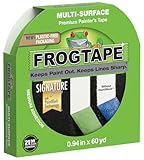
I remember staring at the baseboards in my kitchen, a faint trail of ants marching with military precision. My first thought, in a moment of sheer panic and desperation, was ‘can ants eat through painters tape?’ I’d just finished a painting project and had a roll of that blue stuff sitting nearby. It felt like a ridiculous question, but in that moment, I’d have tried anything.
Let’s be blunt: ants are surprisingly persistent little things. They can squeeze through cracks you wouldn’t believe and seem to view anything as a potential food source or pathway. So, does that cheap roll of tape stand a chance?
This isn’t about fancy scientific breakdowns; it’s about what actually happens when you’re dealing with a real-world ant problem and a roll of tape is your only immediate defense.
Why You’re Even Asking About Ants and Tape
Look, nobody wakes up thinking, ‘Today, I’m going to ponder the dietary habits of ants in relation to adhesive tapes.’ It usually happens when you’ve got an infestation, and you’re looking for anything that might stop them. I’ve been there. My most memorable ant invasion happened right after I’d repainted the trim in my living room. I was so proud of my work, and then I saw them – a tiny black line heading straight for a crumb I’d missed during my frantic cleanup. My brain, in its ant-induced panic, landed on the painters tape I’d used to protect the walls. It was right there, easily accessible.
This whole scenario is probably why you’re here. You’ve got ants, you’ve got painters tape, and you’re wondering if this is a viable, albeit unconventional, defense strategy. The common advice for ants usually involves bait traps, sprays, or sealing entry points. But what about using something as simple as tape? It’s a question born out of practicality and a desire for an immediate solution when you can’t get to the store or you’re just plain fed up.
I’ve spent years fiddling with DIY solutions and, honestly, wasting money on products that promise the moon but deliver dust. So, when it comes to ants and what they can actually get through, I’ve learned a thing or two. The adhesive on painters tape is designed to stick to surfaces without leaving residue, not to be an impenetrable barrier against tiny insects. Still, there are nuances.
When I was facing that kitchen counter ant parade, I impulsively grabbed a strip of that ubiquitous blue tape and slapped it over what looked like their main entry point – a small gap near the window sill. I watched, half-expecting them to be repelled or at least confused. What actually happened was… well, it wasn’t what I hoped for. They didn’t exactly eat through it, but they certainly found ways around and under it. It was a frustrating reminder that nature often finds a way, even through our best-laid, tape-based plans.
What Painters Tape Is Actually Made Of
Before we get too deep into ant-based destruction, it’s worth knowing what the heck painters tape actually is. It’s basically paper (think thin, tissue-like stuff) coated with a pressure-sensitive adhesive. The key here is ‘pressure-sensitive’ and the type of adhesive used. It’s formulated to stick reasonably well but, importantly, to be removed cleanly. This means the adhesive isn’t some industrial-strength epoxy; it’s designed for temporary adhesion and easy release.
The paper itself is generally porous to some degree, especially if it’s a cheaper brand. It’s not solid plastic or metal. Think about it: if you tried to tear a strip of it, it would rip. That’s not exactly an ant-proof material. So, from a material science perspective, it’s not designed to be a physical barrier against anything small and determined. (See Also: Does Painters Tape Pull Off Paint )
The real question isn’t usually whether ants can eat through the paper, but whether they can exploit its weaknesses. Can they chew through the paper fibers? Maybe, if they’re really motivated and have enough time. Can they find gaps between the tape and the surface it’s applied to? Absolutely. Can they potentially gum up the adhesive with their bodies and create a sticky bridge? I’ve seen stranger things.
I once tried using painters tape to seal up a tiny hole in a bag of birdseed I stored in the garage. I figured it would keep ants out. Within two days, the ants had not only found a way under the tape but had also managed to get some of their buddies through the tape itself, possibly by degrading the adhesive or chewing tiny pinpricks. It was a wake-up call about the limitations of simple barriers. The tape’s structure, while appearing solid to us, isn’t so formidable to a colony of hungry insects.
The adhesive is typically made from acrylic or rubber-based polymers. Again, these aren’t food sources in the traditional sense for ants, but their stickiness can be a problem. Ants can get stuck, and in the process, they might chew or break down parts of the tape to free themselves or their colony mates. The very property that makes painters tape useful for protecting your walls is its undoing as an ant barrier.
How Long Does Painters Tape Stick?
The sticking power of painters tape varies wildly. High-quality stuff, like 3M’s blue or green tape, can stick for weeks, even months, if not exposed to extreme temperatures or moisture. Cheaper brands? You might be lucky if it holds on for a week without peeling at the edges. This variability is important because a tape that loses its adhesion quickly is even less likely to deter ants for any meaningful period.
| Type of Tape | Adhesive Strength (Subjective) | Ant Deterrent Potential (My Verdict) |
|---|---|---|
| Standard Blue Painters Tape | Medium | Low – They can often find edges or chew through. |
| High-Heat Green Painters Tape | Medium-High | Low to Medium – Slightly tougher paper, but still vulnerable. |
| Delicate Surface White Tape | Low | Very Low – Designed to be weak; ants will laugh at it. |
| Duct Tape (For Comparison) | Very High | Medium – Ants might struggle to chew through, but will exploit any gap. Much harder for them to navigate. |
The Reality: Can Ants Actually Chew Through It?
So, to directly answer the burning question: can ants eat through painters tape? In the sense of physically consuming and digesting the paper fibers like they would food, probably not in large quantities or with any nutritional benefit. They’re not going to sit down for a tape sandwich. However, they absolutely can breach it.
Here’s how they do it:
- Finding Gaps: This is the most common way. Painters tape rarely creates a perfect seal. Ants are masters at finding the tiniest imperfections, the edges where the tape lifts even a millimeter, or any existing cracks in the surface beneath. They’ll just march right under or around it.
- Chewing/Degrading the Paper: If they are determined and have found a place where they can’t go around, they can chew through the paper fibers. It’s not fast, and it might not be their preferred method, but they have mandibles, and they can gnaw. I’ve seen them chew through cardboard boxes, and painters tape is much thinner.
- Trapped and Stuck: Sometimes, ants get stuck in the adhesive. In their struggle to free themselves, they can tear and break down the paper. This can create small openings or weaken the overall structure.
- Chemical Degradation (Less Likely): While I haven’t found concrete proof this is a primary method for ants and painters tape, some insects can secrete acids or enzymes that break down certain materials over time. It’s less likely with the acrylic/rubber adhesives in tape, but it’s not entirely outside the world of possibility for persistent pests.
I learned this the hard way when I tried to tape off a tiny hole in the wall that ants were using to enter my pantry. I used several layers of good quality blue tape. Within 24 hours, there was a small, ragged hole chewed through the middle of it. They didn’t create a neat little doorway; it looked like a tiny, determined demolition job. It was both impressive and incredibly annoying. It definitely put an end to my ‘tape as an ant fortress’ fantasy.
The common advice to ‘seal entry points’ is generally sound, but painters tape is usually not the right tool for the job when it comes to ants. Think of it like using a piece of tissue paper to block a draft – it might slow it down for a second, but it’s not going to stop it. (See Also: Does Painters Tape Rip Paint Off Walls )
Can Ants Eat Through Duct Tape?
Duct tape is a different beast. Its adhesive is much stronger, and the material itself is a woven fabric coated in plastic. While ants can still find edges or exploit tiny imperfections, they are far less likely to be able to chew through the fabric and plastic layer of duct tape compared to the paper of painters tape. It’s a much tougher physical barrier, though still not a guaranteed ant-proof solution.
When Is Painters Tape Almost Useless Against Ants?
Let’s be real: if you’re dealing with a serious ant infestation, using painters tape as your primary defense is like bringing a water pistol to a wildfire. It’s almost entirely useless in these scenarios:
- Large Infestations: If you’re seeing more than a handful of ants, they’ve likely established multiple entry points and a well-worn trail. Tape won’t stop the flow.
- Food Sources Nearby: If there’s an attractive food source (sugar, crumbs, pet food) within reach, ants will be incredibly motivated to find a way past any barrier.
- Moisture Issues: Ants are often attracted to moisture. If your tape is applied near a leaky pipe or a damp area, it can become less effective as the moisture degrades the adhesive or the paper.
- Outdoor Entry Points: Trying to tape off cracks in exterior walls or foundations is a losing battle. The tape will degrade quickly due to weather, and ants will find countless other ways in.
I remember once trying to tape off a gap under my garage door to stop ants from coming in from outside. I used heavy-duty outdoor tape, thinking it would hold. Within a week, it was peeling, cracked, and ants were marching right over it. The sun and rain were relentless. It was a $10 lesson learned the hard way about environmental factors and tape durability.
Everyone says to just seal up entry points, and I agree with the principle. But using the wrong material makes it a wasted effort. Painters tape is designed for clean removal from delicate surfaces, not for creating an ant-proof fortress. Its adhesive strength is moderate, and the paper backing is relatively easy for determined ants to compromise, either by chewing or by exploiting adhesive weaknesses.
Contrarian Opinion: Can It Ever Be Useful?
Okay, here’s my contrarian take. While I’ve spent years dismissing painters tape as useless against ants, there’s one very specific, limited scenario where it might offer a temporary, minor inconvenience to ants: when you need to isolate a very small, specific point of entry for a short period while you’re waiting for better solutions. For example, if you see ants entering a single, tiny pinprick hole in a wall, and you have absolutely nothing else, a small piece of tape slapped over it might slow them down for a few hours. It buys you time to get bait or call an exterminator. It’s not a solution, it’s a very temporary, very minor roadblock.
I used this technique once in my bathroom. There was a tiny gap behind the vanity where ants seemed to be emerging. I stuck a small piece of blue tape over it. They didn’t immediately break through; instead, they seemed to get confused and a few got stuck trying to navigate around it. It didn’t stop them from finding other entry points, but it did temporarily disrupt their main highway. It was like putting a tiny speed bump on a busy road – it doesn’t stop traffic, but it might make a few drivers pause.
Practical Tips for Dealing with Ants (that Don’t Involve Tape)
Since we’ve established that painters tape isn’t exactly the ant’s worst nightmare, what does work? Forget the quick fixes like tape and focus on sustainable solutions. These are the things I’ve found genuinely effective over the years:
- Identify the Source and Trail: Watch the ants. Where are they coming from? Where are they going? Most ant trails lead to a food or water source. Cleaning up spills, crumbs, and standing water is your first and most important step. Don’t leave tempting targets lying around.
- Bait Traps: These are your best friends. Ants take the poisoned bait back to the colony, killing the queen and the nest. This is the most effective long-term solution for many common ant species. Look for bait stations designed for the type of ant you have (sugar ants, protein ants, etc.). I bought a pack of Terro liquid bait traps for about $15 a few years ago, and they’ve been surprisingly effective at keeping the trails down.
- Natural Deterrents (Use with Caution): Some people swear by vinegar (diluted), lemon juice, or key oils like peppermint or tea tree oil to disrupt ant trails. You can spray these solutions where you see ants. They won’t kill the colony, but they can confuse and repel them temporarily, making them less likely to use those paths. I’ve used diluted vinegar on my countertops, and it definitely makes them pause, but they usually find a new route.
- Seal Permanent Entry Points: For persistent, large entry points like cracks in walls or foundations, use caulk or other appropriate sealing materials. This is a more permanent fix than tape and is genuinely effective.
- Professional Help: If you’re dealing with a severe or persistent infestation, especially if you can’t find the source or the ants keep coming back, it’s time to call a professional pest control service. They have the knowledge and tools to identify the species and apply targeted treatments. I’ve only had to do this once in ten years, for a carpenter ant issue, and it was worth the $300 it cost to get them sorted.
The Truth About Vinegar and Ants
Vinegar is often touted as a miracle ant repellent. Here’s the deal: it works by masking the pheromone trails that ants use to navigate. When you spray diluted vinegar on their trail, it disrupts their communication. Ants will often stop, get confused, and might even change direction. However, it doesn’t kill the ants or the colony. So, while it can be a useful tool for temporarily diverting them while you clean up or set out bait, it’s not a long-term solution on its own. I use a 50/50 mix of white vinegar and water in a spray bottle for cleaning up ant trails on my counters, and it does the job of making them reroute. (See Also: Does Masking Tape Work The Same As Painters Tape )
Faq: Your Burning Questions Answered
Can Ants Eat Through Painters Tape?
While ants are unlikely to ‘eat’ painters tape in the sense of consuming it as food, they can absolutely breach it. They achieve this by chewing through the paper fibers, finding gaps around the edges of the tape, or degrading the adhesive. It is not a reliable barrier against ants.
Will Ants Avoid Painters Tape?
No, ants will not reliably avoid painters tape. They are persistent and will find ways around or through it. If they are motivated by a food source or a clear path, the tape will likely be a minor inconvenience at best, rather than a deterrent.
What Is the Best Way to Stop Ants?
The most effective ways to stop ants involve removing their food and water sources, using ant bait traps to destroy the colony, sealing permanent entry points with caulk, and using natural deterrents like diluted vinegar to disrupt trails temporarily. Professional pest control is an option for severe infestations.
Can Ants Chew Through Plastic?
Some ants, like carpenter ants, can chew through wood and some softer plastics, but they are generally not equipped to chew through hard, solid plastics. They are much more likely to find seams or gaps in plastic containers or barriers.
Is Painters Tape a Good Seal?
No, painters tape is not a good seal for preventing pests. It is designed for clean removal from surfaces and does not create an airtight or watertight seal. Its adhesive is not strong enough to permanently block small pests, and its paper backing can be compromised.
Final Thoughts
So, can ants eat through painters tape? The short, blunt answer is: they can get through it, and probably will. It’s not designed as an ant barrier, and its material and adhesive properties make it easily compromised. Thinking of it as a defense mechanism is, frankly, a bit wishful.
Your best bet is to focus on proven methods: clean up thoroughly, use effective bait traps to get to the root of the colony, and seal any real, permanent entry points with proper materials like caulk. Don’t waste your time and frustration trying to make painters tape do a job it was never meant for.
If you’ve got ants, I’d recommend heading to the store for some ant bait – it’s a much more reliable solution than anything involving a roll of blue paper.