I remember the first time I tried to protect a brand-new stainless steel countertop from some messy DIY project. I grabbed a roll of that ubiquitous blue stuff, thinking it was a no-brainer. Turns out, it’s not quite as simple as just slapping it on. Can I put painters tape on stainless steel? The short answer is yes, but with major caveats you absolutely need to know before you end up with a sticky, stained mess.
I learned the hard way that not all stainless steel is created equal, and neither is all painters tape. What looks like a simple solution can quickly turn into a headache if you pick the wrong combo or leave it on for too long. This isn’t about fancy jargon; it’s about saving you time, money, and a whole lot of frustration.
Let’s get down to brass tacks about whether you can slap that blue tape on your shiny appliances or fixtures without regret.
Why Everyone Thinks Painters Tape Is the Safe Bet (and Why They’re Often Wrong)
Look, the common wisdom is that painters tape is designed to be removed easily without damaging surfaces. That’s its whole raison d’être, right? It’s supposed to be the gentle giant of adhesives, sticking just enough to hold its ground but peeling off cleanly.
This is why countless DIY blogs, forums, and even some professional painters will tell you, with absolute certainty, that yes, you can put painters tape on stainless steel. And for many applications, they’re not entirely lying. If you’re taping off a small section of a stainless steel backsplash for a few hours while you paint a wall, chances are you’ll be fine.
The tape will stick, it’ll hold your paint line, and when you peel it off, the stainless steel will still be gleaming.
But here’s where the wheels fall off the bus for a lot of people. Stainless steel isn’t just one monolithic material.
You’ve got different grades, different finishes (brushed, polished, coated), and the environment it’s in matters. That cheap, no-name painters tape you grabbed from the discount bin? It might have a much stronger adhesive than the premium stuff, or it might use chemicals that react poorly with certain stainless steel alloys.
I once had a buddy, let’s call him Dave, who decided to tape off his entire stainless steel fridge door to protect it while he re-grouted his kitchen tiles. He left the tape on for a solid two days. When he finally pulled it off, he wasn’t met with a clean line, but with a faint, sticky residue that refused to budge.
It looked like a ghost of the tape had permanently imprinted itself onto the metal. We spent a good hour scrubbing with different cleaners, and while we got most of it off, there was still a subtle difference in sheen where the tape had been.
So, while the general idea is sound, the execution can be a minefield.
The problem isn’t usually the tape itself, but the combination of tape, duration, and the specific stainless steel surface. Think of it like wearing a wool sweater in the desert. The sweater itself isn’t inherently bad, but in that context, it’s a recipe for disaster. Stainless steel, especially if it’s been exposed to heat, grease, or certain cleaning agents over time, can become more susceptible to adhesive damage. The protective oxide layer that makes stainless steel so durable can be compromised. So, while ‘yes’ is the simple answer, the practical answer is often ‘it depends,’ and you need to know what it depends on.
What to Look for: The Devil’s in the Details
Alright, so if you’re going to do this, you need to be smart about it. It’s not just about grabbing the first roll you see. First off, let’s talk about the tape itself. You want to look for tape specifically labeled as ‘low-tack’ or ‘delicate surface’ tape.
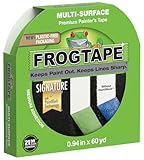
Brands like 3M, FrogTape, and ScotchBlue all offer lines that cater to these situations. These tapes are formulated with a less aggressive adhesive, designed to stick to surfaces like freshly painted walls, wallpaper, or, yes, delicate finishes on metal. (See Also: Does Painters Tape Pull Off Paint )
They’re generally lighter in color too – often a pale blue or green – which is a good visual cue. Avoid the standard ‘all-purpose’ or ‘heavy-duty’ painters tape.
That stuff is designed for more demanding tasks, and its adhesive is likely too strong for prolonged contact with stainless steel, especially if the steel has any kind of coating or a particularly smooth, unbrushed finish.
Next up is the stainless steel itself. You’ve got different types of finishes.
Brushed stainless steel, which is super common on appliances, has a directional grain. You want to apply the tape parallel to this grain, not against it.
This minimizes the risk of lifting the grain or leaving behind unsightly marks when you remove it. Polished stainless steel, often found on sinks or decorative elements, is usually smoother and might be more prone to showing adhesive residue. If you can, identify the finish. If it’s a really high-gloss, mirror-like finish, be extra cautious.
Also, consider the age and condition of the stainless steel. Older appliances or fixtures that have been subjected to a lot of cleaning with abrasive materials or harsh chemicals might have a slightly degraded surface. This makes them more vulnerable.
My own little experiment involved a new set of stainless steel drawer pulls on a custom cabinet. They had a beautiful, brushed finish. I used what I thought was good quality painters tape, but I left it on for about a week because I got sidetracked with another project. When I pulled it off, there was a faint outline of the tape.
It wasn’t terrible, but it wasn’t perfect. I ended up using a bit of Goo Gone – which is generally safe for stainless steel – and a lot of elbow grease to get it completely gone. That taught me that even with good tape, duration is a massive factor.
The longer it’s on, the more the adhesive can ‘set’ or potentially react with the surface. So, if you can, keep the tape on for the shortest time possible.
Common Mistakes That Turn Good Intentions Into Sticky Disasters
Let’s talk about the classic blunders. The first and most obvious mistake is using the wrong tape. I touched on this, but it bears repeating: don’t grab the cheapest, strongest-adhering tape you can find. That bargain roll might save you a buck upfront but cost you way more in cleaning supplies and potential damage. Think about it – why do you think they make different kinds of painters tape? Because one size does not fit all. Relying on the generic ‘painters tape’ without considering the surface is like using a hammer for every single task; sometimes it works, but often you’re just beating the problem into submission rather than solving it elegantly.
Another massive error is leaving the tape on for too long. I know I’ve hammered this point, but it’s genuinely the most common reason people run into trouble.
Tape isn’t meant to be a permanent fixture. The adhesive, even low-tack, can break down over time, especially if it’s exposed to fluctuating temperatures or humidity.
This breakdown can lead to residue being left behind, or worse, the adhesive bonding too strongly to the surface. I once had a reader email me, absolutely beside themselves because they’d taped off a stainless steel range hood for a painting project that took them three weeks. When they finally peeled the tape, it came off in a million tiny pieces, leaving behind a sticky, tar-like residue that was a nightmare to remove. They’d basically baked the adhesive onto the metal with the heat from the stove. (See Also: Does Painters Tape Rip Paint Off Walls )
So, plan your project, and plan to remove the tape promptly.
Then there’s the issue of the surface itself. People often don’t consider the condition or finish of their stainless steel. If you’ve just cleaned your stainless steel with a strong degreaser or a polish that leaves a film, applying tape over that can cause problems. The tape might not adhere properly, or the residue left behind could be a mix of the tape’s adhesive and the cleaning product residue.
Also, if the stainless steel has any scratches or imperfections, the tape can snag on those, making removal difficult and potentially exacerbating the damage. I’ve seen people try to tape off scratched stainless steel to hide it, only to find the tape lifts the surrounding metal particles or makes the scratch more obvious when it’s removed. It’s a bit like trying to cover a rip in fabric with a sticker – it rarely looks good.
Real-World Uses: When Painters Tape on Stainless Steel Actually Works
Okay, so when does it make sense to use painters tape on stainless steel? The most common and sensible application is for creating clean paint lines. Imagine you’re painting a wall and your stainless steel appliance (like a dishwasher panel or a range hood) is right at the edge of where you’re painting. Using painters tape along the edge of the appliance will give you a sharp, straight line.
In this scenario, you’re typically looking at a short duration – the time it takes to paint that section of the wall. As long as you use a good quality, low-tack tape and remove it while the paint is still slightly wet or just tacky (not fully cured), you should have a clean break and no residue. This is probably the single most common and successful use case.
Another legitimate use is for temporary protection during minor repairs or installations. Let’s say you’re installing a new shelf and need to drill into a wall that’s right next to a stainless steel cabinet or fixture. Taping the stainless steel can prevent accidental scratches from dropped tools or debris. Again, the key here is temporary.
You’re not leaving it there for days. You’re using it for the hour or two it takes to do the job. It’s a sacrificial layer to protect your investment. I did this when installing a new backsplash behind my stainless steel microwave.
I taped off the microwave door and the stainless steel side panels to catch any dust or stray adhesive from the tiles. It worked like a charm because I removed it as soon as the tiles were in place.
You’ll also see it used in some automotive applications, though this is often more specialized. For example, when masking off parts of a car for two-tone paint jobs or graphic applications, some areas might be stainless steel trim. High-quality automotive masking tapes are designed for this, and they function similarly to low-tack painters tape but are often more solid. The principles are the same: use the right tape for the material, apply it carefully, and remove it promptly. The important factor in all these successful applications is the short contact time and the use of tape specifically designed for delicate surfaces.
A Little Prep Goes a Long Way: Practical Tips
So, you’ve decided you need to put painters tape on your stainless steel. Here’s how to do it right and avoid the sticky mess.
First off, test it. Seriously.
Before you go slathering tape all over your expensive appliance, grab a tiny scrap of the same stainless steel (if possible, or a hidden, inconspicuous area like the underside of a shelf or the back of a fridge door) and stick a small piece of your chosen tape on it. Leave it for at least 24 hours, then peel it off. Does it come off cleanly? Is there any residue?
Does it dull the finish? If it leaves any mark, even a faint one, do not use that tape on the visible areas. This simple step has saved me countless headaches. (See Also: Does Masking Tape Work The Same As Painters Tape )
Second, clean the surface thoroughly, then dry it completely. Any grease, dust, or grime on the stainless steel will interfere with the tape’s adhesion, and worse, can get trapped under the tape and cause issues when you remove it. Use a good stainless steel cleaner or a mild soap and water solution. Make sure you dry it completely with a lint-free cloth. Any moisture trapped under the tape can also cause problems, especially if you’re leaving it on for more than a few hours.
Third, apply the tape smoothly and firmly, but don’t press it down like you’re trying to weld it. You want it to adhere well enough to do its job, but you don’t want to embed the adhesive into the surface.
Run your finger or a plastic squeegee along the edge of the tape to create a clean line, but avoid excessive pressure. When it’s time to remove the tape, pull it off slowly and at a low angle, ideally against the direction of the grain if it’s brushed stainless steel. Pulling too fast or at a sharp angle can cause the adhesive to tear and stick to the surface. If you’re removing it from a painted surface, make sure the paint is dry enough not to be damaged, but not so cured that it pulls off with the tape.
A good rule of thumb is to remove painters tape within 24 hours of application, and ideally sooner.
Faq: Can I Put Painters Tape on Stainless Steel?
Can Painters Tape Damage Stainless Steel?
Yes, it can. While many painters tapes are designed for delicate surfaces, prolonged contact, especially with the wrong type of tape or on certain finishes, can lead to adhesive residue, dulling of the finish, or even discoloration. The risk increases with cheaper tapes, longer application times, and exposure to heat or moisture.
What Kind of Tape Is Safe for Stainless Steel?
Low-tack painters tape specifically labeled for delicate surfaces is generally the safest bet. Brands like 3M, FrogTape, and ScotchBlue offer lines designed for this purpose. Always test on an inconspicuous area first. Avoid strong-bonding or general-purpose tapes.
How Long Can I Leave Painters Tape on Stainless Steel?
It’s best to leave it on for the shortest duration possible, typically a few hours to a maximum of 24 hours. Leaving it on for days or weeks significantly increases the risk of adhesive residue or damage, especially if the temperature fluctuates.
What Should I Do If Painters Tape Leaves Residue on Stainless Steel?
Start with a mild solvent like isopropyl alcohol or a specialized adhesive remover like Goo Gone. Apply a small amount to a soft cloth and gently rub the residue. Always test the cleaner on a hidden spot first. For stubborn residue, you might need to use a plastic scraper carefully, but avoid metal tools that can scratch the stainless steel.
Can I Use Painters Tape on Brushed Stainless Steel?
Yes, but with caution. Apply the tape parallel to the brushed grain and remove it promptly. Brushed finishes are generally more forgiving than highly polished ones, but the same risks of residue and dulling still apply if the tape is left on too long or is too aggressive.
| Tape Type | Suitability for Stainless Steel (Temporary Use) | Potential Risks | Verdict |
|---|---|---|---|
| Standard Blue Painters Tape (Mid-Tack) | Fair – Short duration (hours) only. | Residue, slight dulling, potential for stronger bonding over time. | Use with caution; prioritize low-tack options. |
| Low-Tack / Delicate Surface Painters Tape (e.g., 3M Blue, FrogTape Delicate) | Excellent – Designed for sensitive surfaces. | Minimal risk if removed promptly. Prolonged contact can still cause issues. | Recommended for most applications. |
| Green / Yellow Automotive Masking Tape | Good – Often formulated for cleaner removal. | Can be stronger than delicate painters tape; always test. | Suitable if labeled for specific automotive trim. |
| Heavy-Duty / Duct Tape | Terrible – High risk of severe residue and surface damage. | Strong adhesive will likely leave significant residue and can damage finishes. | Never use on stainless steel. |
| Specialty Vinyl Tapes | Varies greatly – Depends on the specific adhesive formulation. | Can range from safe to highly damaging. | Research specific product before use; often overkill. |
Final Thoughts
So, can I put painters tape on stainless steel? The short, blunt answer is that yes, you can, but you’ve got to be damn careful about it. It’s not a free-for-all. The key takeaway from all this is that the devil is in the details: choose the right tape, know your stainless steel surface, and for the love of all that is shiny, don’t leave it on longer than you absolutely have to. My own kitchen has seen its share of sticky tape-related drama, and learning these lessons the hard way has saved me a fortune in frustration and cleaning supplies.
If you’re painting a small section and need a clean line, a good quality low-tack tape applied for a few hours is usually your best bet. Just remember that test patch. It’s the simplest insurance policy you can take out against a sticky, tarnished disaster. Treat your stainless steel with respect, and it’ll keep looking good for years.
Next time you reach for that roll of tape, take a second to think about what you’re sticking it to, and how long it’s going to live there. Your future self will thank you.