You’re standing there, paint can in hand, staring at a perfectly papered wall. The urge to just slap some tape on and go is strong, right? I get it. I’ve been there, sweating over whether I’m about to ruin weeks of careful wallpaper work. So, can I put painters tape on wallpaper? The short answer is: sometimes, and with extreme caution. It’s not a simple yes or no, and jumping in without knowing the risks is a recipe for disaster. I learned that the hard way, and trust me, you don’t want to peel off delicate floral paper along with your masking tape.
This isn’t like taping drywall. Wallpaper is a whole different beast, and the wrong tape can tear, lift, or even pull the paper right off the wall. I’ve wasted money on pricey wallpapers only to have them trashed by a cheap roll of tape. It’s a brutal lesson, but one that has taught me exactly what to look for and what to avoid.
The Sticky Truth: Why Wallpaper Hates Tape
Look, most people slap painters tape on without a second thought. They figure it’s just temporary. But wallpaper? It’s often delicate, especially the older stuff or the really textured kinds.
It’s held on by glue, and sometimes that glue isn’t as solid as you’d think. When you yank off painters tape, you’re not just pulling off tape; you’re pulling on that glue bond. If the bond isn’t super strong, or if the tape is too aggressive, you’re going to see bits of paper, or worse, entire strips, coming off with the tape.
I once tried to save time masking off a painted trim against a rather nice grasscloth wallpaper. I used what I thought was good quality blue tape. Big mistake.
The tape adhered so well to the grasscloth that when I pulled it off, it left behind a faint but noticeable sticky residue and a few frayed threads. It looked like a small animal had tried to chew its way through the wall.
I spent hours trying to clean it, and honestly, it never looked quite right again. That was a $50 per roll lesson.
The problem isn’t just the adhesive. The tape itself can absorb moisture from the air or any spills, becoming heavier and exerting more downward pressure on the wallpaper edge. It can also bake onto the surface in warm conditions, making it even harder to remove cleanly. Think of it like a really determined sticker that’s been on for a week – it’s not going to come off with a gentle tug.
The backing of the wallpaper can also be porous, allowing the adhesive to seep through and bond too strongly. And let’s not even start on vintage or silk wallpapers – those are practically begging to be destroyed by standard tape. They’re beautiful, yes, but they require a level of care that most DIYers, myself included at times, aren’t prepared for.
The common advice you’ll find online is often a blanket ‘use low-tack tape.’ While that’s a good starting point, it’s not the whole story. Low-tack tape is less likely to cause damage, but ‘low-tack’ is a spectrum, not a single point. Some tapes labeled ‘low-tack’ are still too aggressive for certain wallpapers. And what about the surface the wallpaper is on? Is it old plaster? Is it peeling slightly? These factors matter just as much as the tape itself. You can’t just grab any blue tape and expect a clean peel. It’s like trying to use a blunt knife to slice a tomato; it’s going to tear and make a mess.
What to Look for (and What to Avoid) When Taping Wallpaper
So, you’ve decided you must use tape. What’s the play? First, ditch any tape that feels aggressively sticky. If it leaves a residue on your finger when you touch the adhesive side, it’s probably too strong for wallpaper. The best bet is often a tape specifically designed for delicate surfaces or freshly painted walls. These are usually a lighter color – pale blue or even white – and feel much less grabby. Brands like 3M and FrogTape have lines that claim to be safe for delicate surfaces. I’ve had better luck with the 3M blue painter’s tape labeled ‘delicate surface’ than with some of the more generic ‘low-tack’ options. It’s still a gamble, though. (See Also: Does Painters Tape Pull Off Paint )
The key is to do a test patch. Always. Find an inconspicuous spot – behind a couch, in a closet corner, anywhere you won’t see it if things go south. Apply a small strip of the tape you plan to use, press it down gently, let it sit for at least 24 hours (longer if you can), and then peel it off slowly at a 45-degree angle. Watch for any lifting, tearing, or residue. If it pulls even a little bit, don’t use it on the main areas. I’ve seen people skip this step and then spend their weekend crying over their walls. It’s not worth the few minutes it takes.
Here’s a quick rundown of what I look for and avoid:
| Tape Type | Adhesive Strength | Wallpaper Suitability | My Verdict |
|---|---|---|---|
| Standard Blue Painters Tape | Medium to High | Generally No, High Risk | Avoid unless you’re painting over the wallpaper and don’t care about the paper itself. |
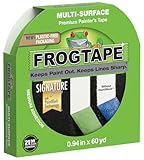
| Green FrogTape | Medium | Risky, Test Thoroughly | Better than standard blue, but can still pull. Good for straight lines on a very well-adhered, durable wallpaper. |
| Yellow Delicate Surface Tape (e.g., 3M Delicate Surface) | Low | Usually Yes, with Testing | My go-to for any situation where I absolutely must mask wallpaper. Still requires a test patch. |
| Purple Multi-Surface Tape (e.g., FrogTape Multi-Surface) | Medium to High | No, High Risk | Designed for versatility, but often too aggressive for wallpaper. |
| Paper-backed Trim Tapes | Low to Medium | Generally Yes, if applied carefully | Often the safest bet if you can find them and apply them precisely. |
When you’re applying the tape, don’t press it down with a putty knife or a credit card like you would on a painted wall. Use just your finger, and apply only enough pressure to get it to stick, not to embed it into the texture of the wallpaper. The goal is to create a temporary barrier, not to fuse the tape to the paper. If your wallpaper has a lot of texture, like a fabric weave or raised pattern, even low-tack tape can snag on the high points, causing damage when removed. In those cases, freehand painting or using a very fine brush is often the only safe option.
How to Safely Apply Tape to Wallpaper
If you’ve done your test and found a tape that seems safe, here’s how to apply it to minimize damage:
- Clean the Area: Make sure the edge of the wallpaper is free from dust or debris.
- Gentle Application: Apply the tape using only your fingertip. Press lightly to adhere, avoiding excessive pressure.
- Straight Lines Only: Aim for precise application along the edge. If you can, position the tape so the adhesive side is directly on the paint or trim, with minimal overlap onto the wallpaper.
- Short Intervals: If you have a long run, consider applying and removing the tape in shorter sections rather than taping the entire wall at once.
- Immediate Removal: Remove the tape as soon as your painting is complete, and ideally before the paint is fully dry. Gently pull it back at a 45-degree angle.
The ‘why Bother?’ Of Masking Wallpaper
Okay, so you can put painters tape on wallpaper, but should you? This is where my contrarian streak kicks in. Everyone says you need to protect your wallpaper when you paint adjacent trim or ceilings.
And yes, you do. But tape isn’t always the best way, and sometimes the effort to safely tape wallpaper is more work than just painting carefully. I’ve had friends who spent an hour carefully taping a small strip of wallpaper near a door frame, only to have the tape pull a section of the paper when they removed it. Then they spent another three hours trying to patch and repaint that section, which never quite matched.
The original careful painting would have been faster and less stressful.
My personal philosophy has shifted over the years. For highly textured, expensive, or delicate wallpapers, I’ve learned to trust my hand and a good angled brush. I’ll put down a drop cloth, obviously, but I’ll skip the tape on the wallpaper itself. Instead, I focus on making very thin, controlled strokes with the brush, holding it at a slight angle so the bristles skim the surface of the wallpaper without pressing into it.
It takes a steady hand and a bit of practice, but the results are far cleaner. You avoid the risk of tearing, residue, or adhesive damage altogether.
I’ve painted countless baseboards next to intricate damask wallpaper this way, and the only ‘mistake’ I ever made was using a brush with slightly too-stiff bristles once, which left a tiny scuff mark that was easily buffed out. That was a surprise, but a minor one compared to the potential wallpaper disaster. (See Also: Does Painters Tape Rip Paint Off Walls )
Then there’s the argument for using masking fluid or liquid frisket. This is a latex-based product you paint on, let dry, and then peel off. It creates a very precise, flexible barrier. It’s fantastic for intricate details, but applying it to long runs of wallpaper edge? Forget about it. It would take forever and cost a fortune. It’s more for small, detailed areas like ornate moldings or complex intersections. So, while there are alternatives to tape, they come with their own set of issues. The question really boils down to the type of wallpaper, the type of tape, and your own tolerance for risk and potential re-work.
Real-World Scenarios: When Tape Might Be Your Friend (or Foe)
Let’s break down some common situations where you might consider taping wallpaper. This is where the rubber meets the road, and where my advice has been forged in the fires of DIY renovation. First off, are we talking about a cheap, vinyl, scrubbable wallpaper from the big box store that’s basically plastic-coated? Or are we talking about artisanal, hand-printed, silk-blend wallpaper that cost more per square foot than your car insurance?
Scenario 1: Painting a Ceiling White Over a Bold, Vinyl Wallpaper. Here, the wallpaper is likely very durable, smooth, and probably has a strong adhesive backing. Standard blue painters tape might be okay, but I’d still opt for a delicate surface tape and test it. The risk is lower, but not zero. If the tape lifts the edge, you’re dealing with a small, potentially fixable issue. The key here is the tape should be removed while the ceiling paint is still slightly wet. This allows the paint to release from the tape more easily, reducing the chance of it pulling the wallpaper.
Scenario 2: Painting Baseboards Next to Textured or Fabric Wallpaper. This is where it gets dicey. Textured wallpapers, like grasscloth, burlap, or embossed vinyl, have surfaces that tape can easily snag on. The adhesive can also get trapped in the fibers. Using any tape here is a high-risk move.
I would strongly advise against it and recommend careful freehand painting with an angled brush. The cost of repairing damaged textured wallpaper can be astronomical, and the repair itself is often visible. I learned this the hard way with a very expensive linen wallpaper; a tiny piece of tape pulled a thread, and it looked like a scar on the wall. It took me hours of painstaking work with tweezers and a tiny bit of wallpaper paste to even get it close to unnoticeable.
Scenario 3: Painting a Small Accent Wall Border. If you’re painting a thin border on top of existing wallpaper, the rules change entirely. You will need tape to get a clean line. In this case, you’d use the lowest-tack tape you can find, apply it with minimal pressure, and remove it immediately after painting the border. The success here depends heavily on how well the original wallpaper is adhering to the wall. If the wallpaper itself is lifting, any tape will exacerbate the problem. It’s a situation where you’re basically betting on the integrity of the wallpaper’s adhesion.
Scenario 4: Wallpapering Over Old, Potentially Loose Wallpaper. This is a big no-no from most professional installers. If you’re planning to put new wallpaper over old wallpaper and then try to tape for painting, you’re asking for trouble. The underlying layers might not be secure, and tape will almost certainly find those weak spots. It’s always best to strip old wallpaper properly before applying new, or at the very least, use a primer designed for wallpaper over wallpaper applications, but even then, taping is a gamble.
The Cost of Getting It Wrong
Let’s talk turkey. How much can this screw-up actually cost you? The price of wallpaper varies wildly, from $20 a roll to upwards of $200 a roll. If you’re using a mid-range wallpaper, say $50 a roll, and you ruin a 10-foot strip, you’re out $50-$100 just for the material. Then add in the cost of primer, paint, new tape, and your time. If you’re using high-end designer wallpaper, that cost can skyrocket. I’ve seen people spend over $1,000 on wallpaper for a single room. Damaging even a small section of that can be a punch to the gut, not just financially, but emotionally. It’s the feeling of having messed up something beautiful and expensive that you worked hard for.
Beyond the material cost, there’s the cost of your time and sanity. A botched taping job can turn a weekend project into a week-long headache. You’ll be researching patch techniques, buying specialized adhesives, and agonizing over color matching. I once had a friend try to tape off a wallpapered kitchen backsplash while painting the cabinets. He used what he thought was good tape. Big mistake. The steam from cooking had weakened the wallpaper adhesive over time, and the tape just peeled off large sections of the expensive tile-look wallpaper. He ended up having to re-wallpaper the entire kitchen backsplash, which took him two full weekends. He said the stress of trying to fix it was worse than the original renovation.
Then there’s the potential for ghosting or adhesive marks. Even if the tape doesn’t pull the paper off, it can leave behind a sticky residue that attracts dirt and dust, or worse, a faint outline where the tape was. This residue can be incredibly difficult to remove without damaging the wallpaper’s finish. I’ve spent hours with Goo Gone and specialized cleaners, only to find the spot still looks ‘off’ compared to the surrounding area. (See Also: Does Masking Tape Work The Same As Painters Tape )
It’s a subtle damage, but it’s there, and it can drive you crazy. So, when you’re thinking about whether you can put painters tape on wallpaper, remember that the cost of getting it wrong isn’t just about the price of a roll of tape; it’s about the potential damage to your walls, your wallet, and your peace of mind.
Faq: Can I Put Painters Tape on Wallpaper?
Is Painters Tape Bad for Wallpaper?
Yes, painters tape can be bad for wallpaper. Standard painters tape often has an adhesive that is too strong and can pull off the wallpaper, especially if the wallpaper is old, delicate, or has a textured surface. Even low-tack tapes carry a risk and should always be tested in an inconspicuous area first.
What Kind of Tape Can I Use on Wallpaper?
If you absolutely must use tape on wallpaper, opt for tapes specifically labeled for ‘delicate surfaces’ or ‘low-tack’ applications. These are typically pale blue or white and have a much weaker adhesive. Always perform a test in a hidden spot for at least 24 hours before using it on visible areas.
Can I Tape Over Wallpaper to Paint a Ceiling?
Taping over wallpaper to paint a ceiling is risky. While vinyl and highly durable wallpapers might tolerate it better, textured, fabric, or older wallpapers are prone to damage. It’s best to use a low-tack tape, apply it gently, and remove it immediately after painting, ideally while the ceiling paint is still slightly wet.
How Do I Remove Tape From Wallpaper Without Damaging It?
To remove tape from wallpaper, pull it back slowly at a 45-degree angle. The gentler and slower you are, the less likely you are to tear the paper. Removing tape while paint is still slightly wet can also help. If residue remains, try a delicate surface cleaner or a mild adhesive remover, testing it in an inconspicuous spot first.
What’s the Best Way to Paint Trim Next to Wallpaper?
The safest method for painting trim next to wallpaper is to use a high-quality angled brush and paint carefully and slowly, freehand. If you must use tape, choose a low-tack, delicate surface tape, test it thoroughly, apply it with minimal pressure, and remove it immediately after painting. Protecting the floor with a drop cloth is also key.
Verdict
So, after all that, can I put painters tape on wallpaper? The verdict is: cautiously, and only if you absolutely have to, with a specific type of tape, and after thorough testing. I’ve learned the hard way that ‘low-tack’ is a suggestion, not a guarantee, when it comes to wallpaper. The most reliable method, especially for expensive or delicate papers, is still careful freehand painting with a good brush. It takes practice, but it’s the only way to guarantee you won’t end up with a ripped-out section of your wall.
If you do decide to proceed with tape, remember my mantra: TEST, TEST, TEST. Find that hidden spot, leave the tape for a full day or more, and then pull it off slowly. If it budges the wallpaper even a little, put the tape back in the trash and grab a fine-tipped brush. Your sanity and your wallpaper will thank you in the long run. It’s better to spend an extra hour painting carefully than an entire weekend fixing a mistake.
Ultimately, the decision hinges on the value and type of your wallpaper versus the risk of damage. For a cheap, durable vinyl, maybe you take a chance. For that beautiful, hand-printed silk wallpaper? Absolutely not. Think about the potential cost of repair or replacement before you even unroll that tape. So, proceed with extreme caution, and always have a backup plan.