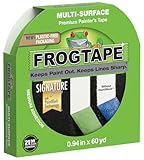
Alright, let’s cut to the chase. You’re staring at a circuit board, maybe you’re doing some soldering, maybe you’re just trying to keep dust off while you clean something else. And the question pops into your head: can I put blue painters tape on a circuit board? I’ve been elbow-deep in electronics projects for way longer than I care to admit, and trust me, I’ve made my share of questionable decisions that cost me time and money. This isn’t some academic exercise; it’s about practical reality when you’ve got a project on the bench.
The temptation is real. Blue tape is everywhere, it’s cheap, and it seems harmless enough. But ‘seems harmless’ is a dangerous phrase in electronics. We’re dealing with delicate components, static sensitivity, and potential shorts. So, before you go slapping that familiar blue rectangle onto your precious PCB, let’s talk about what actually happens.
Why You’re Even Asking About Tape on a Circuit Board
Look, nobody wakes up in the morning thinking, ‘Today, I will apply household tape to a sensitive electronic component.’ Usually, this question comes up when you’re in the thick of it. Maybe you’re working on a vintage radio and need to protect a specific section of the board while you clean or test something else. Or perhaps you’re a hobbyist building a new gadget and you’ve got a tricky soldering job where you need to secure a wire or mask off a small area from stray solder.
I remember one time I was trying to repair an old gaming console, and I needed to apply a bit of flux to a specific joint without getting it all over the nearby chips. My first thought was, ‘Grab some blue tape to shield it!’ It seemed like a good idea at the time, a quick fix. The console, however, did not agree.
People also ask: ‘Is painter’s tape conductive?’ The short answer is, generally no, not intentionally. Most standard blue painter’s tapes are designed to be non-conductive, which is part of why they’re a go-to for painting tasks.
They use paper backing with an acrylic adhesive. The paper itself isn’t going to conduct electricity like a metal wire. However, ‘generally non-conductive’ is a far cry from ‘guaranteed safe for all electronics.’ There are always nuances, and relying on ‘generally’ can be a gamble.
The adhesive is usually where things can get tricky. While the tape itself might not conduct, what if the adhesive has some impurities?
Or what if a tiny bit of conductive debris gets stuck to the tape and then gets transferred to the board? It’s the little things that can bite you.
Another common thought is about heat. If you’re soldering, heat is a major factor.
Will the tape melt? Will it leave residue? Most blue painter’s tapes have a decent temperature tolerance for short periods, usually up to around 200°F (93°C).
For most casual soldering, this might seem fine. But soldering irons can easily hit 600-700°F (315-370°C). Even if you’re not directly touching the tape with the iron, the ambient heat around the joint can be significant. I’ve seen tape deform and get sticky, or worse, start to caramelize and leave a gummy residue that’s a nightmare to clean off.
This residue can be slightly conductive or at least attract dust, both of which are bad news for a clean circuit board. (See Also: Does Painters Tape Pull Off Paint )
The Real Deal: What Happens When Tape Meets Pcb
Let’s get down to brass tacks. So, can I put blue painters tape on a circuit board? Yes, technically, you can.
But should you? That’s a different story. The biggest concern isn’t usually direct electrical conductivity from the tape itself, but rather the potential for adhesive transfer, residue, and physical interference.
When you peel off that blue tape, especially if it’s been on there for a while or exposed to even mild heat, you’re often left with a sticky mess. This residue is the enemy of clean electronics.
It attracts dust and lint like a magnet. Over time, this accumulation can create unintended conductive paths, leading to intermittent faults or outright failures. I once had a customer bring me a device where a button wasn’t working. Turns out, they’d used blue tape to hold a small piece of plastic in place near the button mechanism.
When they removed the tape, it left a sticky residue that gummed up the works. It took me an hour to meticulously clean it off, all because of a bit of tape.
People also ask: ‘What tape is safe for circuit boards?’ This is the million-dollar question, and the honest answer is that specialized tapes are always the safest bet. For protecting circuits during soldering or rework, kapton tape (polyimide tape) is the gold standard. It’s designed to withstand high temperatures (often up to 500°F/260°C) and leaves virtually no residue. It’s also non-conductive. For masking off areas for conformal coating or other processes, a good quality vinyl tape or even specific ESD (Electrostatic Discharge) safe tapes are preferred. They offer cleaner removal and better protection against static. Blue painter’s tape, while great for walls, just isn’t engineered for this level of precision and heat resistance.
One thing that really grinds my gears is when people suggest using regular Scotch tape. Seriously? That stuff is practically glue. It will leave a residue that is borderline impossible to remove without damaging the board. If you’re going to use tape, at least use something with a reputation for clean removal, and even then, exercise extreme caution. The risk of contaminating the solder mask, pads, or component leads with adhesive is too high.
My Personal Mistake and What I Learned
I learned this the hard way. I was building a custom LED controller, and I had a whole bunch of surface-mount components that I wanted to protect while I soldered the larger through-hole parts. I figured, ‘Hey, blue painter’s tape is cheap and readily available.’ So, I carefully cut little strips and placed them over my delicate SMD resistors and capacitors. I was feeling pretty clever. I proceeded with my soldering, and everything seemed fine. I peeled off the tape, and that’s when the horror started. A thin, almost invisible layer of adhesive had transferred onto the tiny component legs. It wasn’t enough to be obvious at first glance, but under my magnifying lamp, it looked like a greasy film.
When I powered up the controller, it flickered erratically. I spent hours troubleshooting. I re-soldered connections, checked voltages, and ran diagnostics. Nothing. Finally, in frustration, I decided to meticulously clean the entire board with isopropyl alcohol. As I gently scrubbed over the SMD components, that sticky residue started to lift. Once it was gone, I powered it up again. Perfect. It worked flawlessly. That experience taught me that even a tiny amount of adhesive from standard painter’s tape can cause significant problems on a circuit board, especially with high-density components or sensitive circuits. It’s not just about direct shorts; it’s about contamination.
People also ask: ‘Can static cling damage a circuit board?’ Absolutely. Static discharge is a silent killer of electronics.
Most components, especially modern ICs (Integrated Circuits), are very sensitive to electrostatic discharge. While blue painter’s tape itself isn’t a primary source of static generation, it can act as an insulator, trapping charge. If you’re not grounded properly, and you touch that taped area, you could potentially build up a charge on the tape itself or the component underneath. And when that charge finally finds a path to ground through a sensitive component, poof. (See Also: Does Painters Tape Rip Paint Off Walls )
Game over. This is why ESD-safe mats, wrist straps, and specialized tools are so important in electronics work. Using regular tape can inadvertently contribute to a static-prone environment if you’re not careful.
The Contrarian View: When might It Be Okay?
Now, I’m going to go against my own gut feeling for a second. Everyone says ‘never use blue tape on a circuit board,’ and for the most part, they’re right. But hear me out.
If you are working on a very low-voltage, non-important hobby project, and you need to temporarily hold something in place for a few minutes, and you’re willing to be extremely careful about residue cleanup, it might not be an immediate disaster. I’m talking about something like holding a jumper wire in place for a quick continuity test, or masking off a large, non-sensitive area that won’t be exposed to heat. The key here is ‘temporary,’ ‘low-risk,’ and ‘meticulous cleanup.’ I would never, ever do this on a production board, a sensitive microcontroller, or anything I planned to sell or rely on heavily.
The risk of long-term damage or intermittent issues is just too high for my liking. My personal verdict? It’s almost never worth the gamble.
When people ask about tape, they often overlook the adhesive. The adhesive is the sticky part (duh), but it’s also the part that can cause trouble. It’s not just about leaving a gooey mess. Some adhesives can react with the materials on the circuit board over time, like the solder mask or the board substrate itself. While this is rarer with standard acrylic adhesives found in blue tape, it’s not impossible, especially in environments with fluctuating temperatures or humidity. Imagine an adhesive slowly degrading and releasing compounds that corrode the copper traces. It’s a slow burn, but it’s a possibility you introduce when you use the wrong materials. This is why materials science matters, even in simple things like tape.
Here’s a quick comparison of tape types and their suitability for circuit board work:
| Tape Type | Pros | Cons | Verdict for Circuit Boards |
|---|---|---|---|
| Blue Painter’s Tape | Cheap, readily available, decent adhesion for paint. | Can leave residue, moderate heat tolerance, potential static issues. | Generally NOT recommended. High risk of contamination. |
| Kapton Tape (Polyimide) | Excellent high-temperature resistance, non-conductive, clean removal, good ESD protection. | More expensive than painter’s tape, can be harder to find in smaller quantities. | Highly Recommended. The go-to for most circuit board protection needs. |
| High-Temperature Masking Tape (e.g., some green or pink tapes) | Better heat resistance than blue tape. | Residue can still be an issue with some brands, heat tolerance varies widely. | Use with caution. Check specs carefully. Still not ideal for sensitive areas. |
| Scotch Tape / Clear Tape | Cheap, easily available. | Very poor heat resistance, leaves significant residue, can damage solder mask. | Absolutely NO. Will cause problems. |
| ESD Safe Tape | Designed to prevent static buildup and discharge. | Often specialized, can be more expensive. | Excellent for ESD-sensitive environments, especially when working with unpackaged ICs. |
Practical Tips for Protecting Your Boards (without the Blue Mess)
So, if blue tape is out, what’s a sane person to do? My best advice is to invest in proper tools. A roll of kapton tape is relatively inexpensive when you consider the cost of a failed component or a board you have to re-do. For basic masking during soldering, cut small pieces of kapton tape to cover components or areas you want to avoid getting flux or solder on. If you’re doing something like applying conformal coating, use a good quality masking tape designed for electronics, or even specialized masking dots or fluids. These are formulated to adhere well but peel off cleanly without leaving behind any gunk that could interfere with the electronics.
People also ask: ‘How do I remove sticky residue from a circuit board?’ If you’ve already made the mistake, or if you’re dealing with a board that someone else has taped up, the first step is to try isopropyl alcohol (IPA) of 90% concentration or higher.
Use a lint-free swab or cloth and gently rub the residue. For stubborn spots, you might need to let the IPA sit for a minute or two to soften it. Avoid aggressive scraping, which can damage the copper traces or solder mask.
If IPA isn’t cutting it, you might consider specialized electronic residue removers, but always test them on a small, inconspicuous area first to make sure they don’t damage the board materials. Sometimes, a bit of careful work with a fine-tipped soldering iron to melt and wick away residual adhesive can work, but this is advanced and risky.
Better to avoid the residue in the first place. (See Also: Does Masking Tape Work The Same As Painters Tape )
When you’re working with components, think about their specific needs. Sensitive ICs might require ESD protection beyond just tape.
Some sensors might need to be kept completely clean and free from any foreign material. Always read the datasheets if you’re unsure about specific component handling requirements. For general board protection, my go-to is kapton tape.
It’s reliable, it’s rated for the heat, and it peels off clean every single time. I have a small roll in my primary toolkit, and I’ve probably gone through three rolls in the last decade. It’s a small investment for peace of mind and reliable results. Don’t be penny-wise and pound-foolish; the cost of one fried board will far outweigh the savings on a cheap roll of tape.
Common Mistakes When Using Tape on Electronics
One of the most frequent blunders is using tape on hot components or areas. The heat makes the adhesive even more prone to melting and sticking. Another mistake is applying tape to a dirty board. Dirt, dust, and grease under the tape can get pressed into the surface and cause issues later. Also, leaving tape on for extended periods, especially in varying temperatures, increases the likelihood of residue and makes removal harder. Finally, thinking that any tape will do is a recipe for disaster. It’s like using duct tape to seal a fine wine bottle – it might hold, but it’s not the right tool for the job and can leave a lingering bad taste.
How to Safely Mask Components
The safest way to mask components is to use materials specifically designed for electronics work. Kapton tape is the king here, available in various widths. For masking off entire components or sections, precisely cut pieces of kapton tape. If you need to mask a very small area, like a single pin or a tiny via, specialized masking compounds or even a fine-tipped brush with a temporary, removable maskant can be used. Always make sure the surface is clean before applying any tape or maskant. And, of course, always disconnect power before you start any work on a circuit board.
Can I Use Blue Painter’s Tape for Esd Protection?
No, you absolutely should not rely on blue painter’s tape for ESD (Electrostatic Discharge) protection. While most blue painter’s tapes are not inherently conductive, they do not offer any specific ESD protection. In fact, by acting as an insulator, they can contribute to static buildup under certain conditions. True ESD protection requires specialized materials like ESD-safe bags, mats, and tapes that are designed to dissipate static charges safely. Using regular tape in an ESD-sensitive environment is a significant risk.
What’s the Best Tape for Soldering Masking?
The best tape for soldering masking is undoubtedly kapton tape (polyimide tape). It’s engineered to withstand the high temperatures of soldering irons and reflow ovens without degrading or leaving residue. It’s also non-conductive and provides a good barrier against flux and solder. While it might cost a bit more than standard painter’s tape, its performance and reliability make it an indispensable tool for anyone doing serious soldering work.
Will Residue From Tape Damage a Circuit Board?
Yes, residue from tape can definitely damage a circuit board, though the damage might not be immediate or obvious. The sticky residue attracts dust and debris, which can lead to short circuits or corrosion over time. It can also interfere with subsequent processes like conformal coating or even simple cleaning. Some adhesives can also react with board materials, causing degradation. It’s best practice to avoid any tape that is known to leave residue on sensitive electronic surfaces.
Verdict
So, to circle back to the original question: can I put blue painters tape on a circuit board? My honest, hard-earned advice is no. While it might seem like a quick and easy solution, the risks of adhesive residue, heat damage, and potential static issues far outweigh any perceived benefits. I learned this the expensive way, and I’ve seen firsthand the headaches it can cause.
There are far better, more reliable options out there, like kapton tape, which are specifically designed for this kind of work. They cost a little more upfront, but they save you time, frustration, and potentially the cost of a whole project. Don’t gamble with your electronics; use the right tools for the job.
If you’re in a pinch and absolutely must use something, make sure it’s only for a few minutes, on a non-important area, and be prepared for a very thorough cleaning. But honestly, just go buy a roll of kapton tape. You’ll thank yourself later.