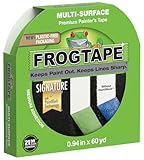
I learned the hard way that not all tape is created equal, especially when it comes to your car. Years ago, prepping for a small touch-up job, I grabbed the cheapest roll of blue painter’s tape I could find. Big mistake. That stuff clung on like a barnacle and left behind a sticky residue that took hours to scrub off. So, to answer the burning question right away: can I put painters tape on my car? The short answer is: it depends, and you need to be damn careful.
This isn’t just about preventing overspray; it’s about protecting your paint. Get it wrong, and you’re looking at a costly repaint or hours of detailing. I’ve experimented with a frankly embarrassing amount of tape over the years, trying to save a buck or because I was just plain lazy. Let’s cut through the fluff and get to what actually works.
When ‘painter’s Tape’ Becomes a Car’s Worst Nightmare
Look, the term ‘painter’s tape’ is a broad one. You’ve got your basic blue stuff that comes in a 10-pack for under ten bucks, and then you’ve got the high-performance automotive masking tapes that cost a pretty penny. My first disaster involved that cheap blue stuff. I was doing a simple trim paint job on my old Civic. The goal was to mask off the rubber seal around the window so I wouldn’t get black paint on it. Seemed foolproof, right?
Wrong. I left it on for maybe three hours. When I peeled it off, the rubber seal had this weird, slightly melted texture where the tape had been. Worse, a thin, almost invisible line of adhesive had transferred onto the paint right at the edge of the tape. It wasn’t obvious until the sun hit it at a certain angle, and then BAM – a permanent ghost line. I spent an entire Saturday using Goo Gone, rubbing alcohol, and even a bit of clay bar to get that sticky residue off. It was infuriating. The lesson? Not all blue tape is created equal, and the cheap stuff is a gamble you don’t want to take with your car’s finish.
People Also Ask: Why does painter’s tape leave residue on cars?
Painter’s tape leaves residue primarily because of the adhesive used. Cheaper tapes often employ a more aggressive, general-purpose adhesive designed to stick to a wide variety of surfaces, including drywall and wood. This adhesive can break down over time, especially when exposed to heat (like a sunny car exterior) or UV rays, leaving behind sticky, gummy remnants. High-quality automotive masking tapes use a special synthetic rubber or acrylic adhesive formulated to adhere well but also remove cleanly without damaging paint or leaving residue, even after extended periods or under varying temperatures.
Another factor is temperature. If you apply painter’s tape on a hot day, the adhesive can soften and become stickier, making it more likely to transfer. Conversely, if you try to remove it when it’s freezing cold, the adhesive can become brittle and tear, also leading to residue. The surface you’re applying it to matters too. While car paint is generally smooth, older paint jobs, clear coats that are already compromised, or textured plastics might react differently to the adhesive.
What to Look for: Your Car’s Best Friend in Tape Form
So, if that cheap blue stuff is out, what should you be looking for? This is where you actually want to spend a few extra bucks. Think of it as an investment in your paint job. You need tape that’s specifically designed for automotive use. These tapes are engineered with several key features that make them safe for your car’s delicate surfaces.
First, the adhesive. Automotive masking tapes use a low-tack, UV-resistant adhesive. ‘Low-tack’ means it grips well enough to create a seal but won’t rip your clear coat off when you remove it. ‘UV-resistant’ is important because cars sit out in the sun. Regular tape’s adhesive will degrade rapidly under sunlight, turning into that nightmare residue. You’ll see tapes marketed with terms like ‘clean removal’ or ‘up to 14-day removal’. These are good indicators that the tape is designed for automotive applications.
Second, the backing material. High-quality automotive tapes have a flexible, conformable backing. This is usually a crepe paper that can bend around curves and body lines without creasing or lifting. Some premium tapes even have a vinyl or plastic backing that offers better resistance to solvents and moisture, which is important if you’re doing wet sanding or using certain automotive chemicals near the masked area. The backing needs to be strong enough not to tear easily but thin enough to create a sharp paint line.
Third, the width. Tapes come in various widths, from 1/4 inch up to 2 inches or more. For general masking around trim or body panels, 1/2 inch or 3/4 inch is usually perfect. If you’re masking off larger areas, you’ll want wider tape, or you’ll be using it in conjunction with masking paper or plastic sheeting. I personally find that having a few different widths on hand is a lifesaver. My go-to widths are typically 3/4 inch for edges and 1.5 inch for slightly larger areas. For really intricate work, I might even use a 1/4 inch tape, but that’s rare.
Here’s a quick rundown of what I look for and what you should too:
| Feature | Why It Matters | My Verdict |
|---|---|---|
| Automotive Grade Adhesive | Prevents residue and paint damage. | A must. Spend the money here. |
| UV Resistance | Stops adhesive breakdown in sunlight. | Important for exterior use. |
| Conformable Backing | Bends around curves for sharp lines. | Key for body panels and trim. |
| Solvent/Moisture Resistance | Protects against chemicals and water. | Important for painting and wet work. |
| Clean Removal Promise | Guarantees no sticky mess. | Look for 14-day or similar claims. |
People Also Ask: What tape is safe for car paint? (See Also: Does Painters Tape Pull Off Paint )
The safest tapes for car paint are specifically labeled as ‘automotive masking tape’ or ‘automotive masking film’. Brands like 3M, Scotch-Blue (their automotive-specific lines, not the general-purpose ones), and various detailing supply brands offer products with low-tack, UV-resistant adhesives and flexible backings designed to conform to vehicle curves and remove cleanly without damaging paint, clear coats, or trim. These tapes are formulated to withstand automotive painting environments, including exposure to paint solvents and temperature fluctuations. Always check the product description for claims of clean removal and suitability for automotive paint.
Common Mistakes: The ‘oops, I Didn’t Read the Label’ Blunders
This is where I’ve personally made a few spectacular face-palm moments. The biggest mistake, hands down, is assuming all ‘blue’ tape is created equal. As I already whined about, that cheap 10-pack from the hardware store is designed for walls, not your car’s delicate finish. It has a much stronger adhesive that can literally pull off clear coat or leave that sticky residue that’s a pain to remove. I’ve seen folks use it and then spend hours buffing out the damage or trying to get ghost lines off their paint. It’s just not worth the few dollars saved.
Another common blunder is leaving the tape on for too long. Even with good automotive tape, there’s a limit. Most quality tapes will specify a maximum duration for clean removal, often around 14 days. If you leave it on for weeks, especially in direct sunlight or during hot weather, the adhesive can start to break down or become incredibly difficult to remove cleanly. I once had a project that got delayed, and I left high-end automotive tape on for about three weeks. It came off, but it was definitely harder than usual, and I had to be extra careful. So, heed the manufacturer’s recommended removal time.
People Also Ask: Can you use painter’s tape for car wraps?
Generally, no, you should not use standard painter’s tape for car wraps. Car wraps involve large vinyl sheets that need to be applied with precision and held in place temporarily. Standard painter’s tape can leave residue, damage the vinyl’s adhesive, or even lift the edges of the wrap. Professional installers use specialized vinyl-safe tapes or low-tack adhesive tapes designed specifically for holding vinyl in place without causing damage. If you are working on a DIY wrap, make sure you use the correct type of temporary holding tape recommended for vinyl applications. Even then, caution is advised, and testing in an inconspicuous area is always a good idea.
A third mistake is improper application. If you don’t press the tape down firmly along the entire edge, you’ll get overspray leaking underneath, creating fuzzy, feathered paint lines instead of a crisp, clean edge. You need to work your way along the edge, using your fingernail or a plastic squeegee to make sure a tight seal against the car’s surface. I’ve often found that running my finger firmly along the tape edge, especially on curves, is key. Don’t just slap it on; make sure it’s well adhered all the way around.
Finally, people sometimes use the wrong type of tape for the job. For instance, using a tape designed for high temperatures on a surface that will remain cool, or vice-versa. Or using a tape that isn’t solvent-resistant when you’re about to use strong degreasers or cleaners near the masked area. Always read the tape’s specifications and match it to your specific task and the environment your car will be in.
Real-World Uses: Beyond Just Painting
While painting is the most common reason people think about using tape on their cars, there are other legitimate uses for automotive-grade masking tape. One area where it’s incredibly useful is during minor repair work, like when you’re applying a sealant or a touch-up compound around a specific area. Say you’re polishing the headlights and you don’t want to get polish residue all over the surrounding black plastic trim. A good quality automotive tape can protect that trim and make sure you get a clean finish on the headlight itself.
I’ve also used it when installing aftermarket parts that require a bit of temporary holding. For example, if I’m fitting a new spoiler or a body kit piece and need to hold it in place while I drill holes or apply adhesive, good masking tape can be a lifesaver. It provides enough grip to keep the piece stable without damaging the paint underneath, assuming you’re using the right kind. My friend Mark swore by using it to hold small, delicate emblems in place after he’d repainted them, before the adhesive fully cured. He said it was way better than trying to hold them by hand for hours.
People Also Ask: Can painters tape damage car clear coat?
Yes, standard, low-quality painter’s tape can absolutely damage a car’s clear coat. The adhesive on cheaper tapes is often too aggressive and can bond too strongly to the clear coat. When you pull the tape off, especially if it’s been on for a while or exposed to heat, it can pull up the clear coat along with it, causing lifting, peeling, or leaving behind a sticky residue that’s difficult to remove. Higher-quality automotive masking tapes are formulated with a much gentler, specifically designed adhesive that adheres well without damaging the clear coat, making sure a clean removal. Always opt for tape explicitly labeled for automotive use to avoid this risk.
Another surprising use is for temporary scratch protection. If you’re transporting something bulky in your car that might scuff the door panels or the back of the seats, a few strips of good quality automotive tape can offer a sacrificial layer of protection. It’s not a heavy-duty solution, obviously, but for those small, incidental scuffs that can happen, it can be a quick fix. I did this when I was moving a set of large speakers into my trunk; I taped the edges of the bumper to prevent any accidental scrapes. It looked a bit janky, but it saved me from a much more annoying repair later. (See Also: Does Painters Tape Rip Paint Off Walls )
This tape is also fantastic for creating crisp lines when detailing. If you’re doing a two-tone paint job on a bike frame, or even just masking off a section of a car’s interior trim to apply a protectant or dye, automotive tape makes sure you get that sharp, professional-looking edge. It’s the small details like these that make a DIY job look like it was done by a pro. Without it, you risk fuzzy lines and a less-than-satisfactory finish. The key is always using tape that’s designed for automotive surfaces and understanding its limitations.
DIY Application: Tips for a Clean Edge Every Time
Alright, let’s talk practical application. You’ve got your good quality automotive tape, and you’re ready to go. Here’s how to get that perfect, sharp line that makes all the difference. First, clean the area. Make sure the surface where the tape will be applied is free of dirt, dust, grease, and wax. Even on the paint itself, if you’re masking for a paint job, the surface needs to be clean for the tape to adhere properly and for the paint to lay down nicely.
Next, consider the temperature. It’s best to apply tape when the car’s surface is at a moderate temperature, ideally between 60-80°F (15-27°C). Avoid applying tape in direct, hot sun or when it’s freezing cold. On a hot day, the adhesive can become too soft and gummy, and on a cold day, it might not stick well. If you’re working in a garage, this is less of an issue, but if you’re outside, pay attention to the weather.
When you apply the tape, start by laying down a few inches and then slowly peel the backing off as you press the tape down. Use your fingernail, a plastic razor blade, or a dedicated soft rubber squeegee to firmly press down the edge of the tape, making sure it’s sealed against the surface. Work in smooth, continuous motions. For curves, you might need to apply gentle tension to the tape to help it conform without creasing. If a crease is unavoidable, try to make it a gentle, sweeping curve rather than a sharp fold, as sharp folds can sometimes lift.
People Also Ask: How to remove sticky residue from car paint?
Removing sticky residue from car paint requires patience and the right products. Start with a dedicated automotive adhesive remover or a tar and bug remover. Apply it to a microfiber towel and gently rub the residue.
Isopropyl alcohol (rubbing alcohol) is another effective option for lighter residues; use it sparingly and test in an inconspicuous area first. For stubborn residue, a clay bar treatment can also help. Always work in a shaded area and make sure the surface is cool to the touch. After removing the residue, wash and wax the area to restore protection.
Avoid using harsh household cleaners or abrasive pads, as these can scratch the paint. For very old or baked-on residue, you might need to resort to a mild polish or compound, but this should be a last resort and done with extreme care.
Don’t overlap tape unless absolutely necessary, and if you do, make sure the overlap is smooth. If you’re masking a large area, consider using masking paper or plastic sheeting along with your tape.
This is where you can use wider tapes to secure the paper or plastic. Remember, the goal is to create a barrier that prevents paint or other substances from getting where you don’t want them. After you’ve finished your paint job or repair, remove the tape while the paint is still slightly wet (this is a debated point, but I find it works best for sharp lines) or fully cured, depending on the paint type and what the paint manufacturer recommends. Pull the tape off slowly and at a sharp angle, away from the painted edge.
Contrarian View: When ‘good Enough’ Might Actually Be Okay (rarely)
Now, I know what some of you might be thinking. ‘This guy’s gone overboard. It’s just tape!’ And look, I get it. For certain, very specific, non-important applications, maybe that cheap blue tape could work. I’m talking about masking off a section of your car’s interior plastic trim that you are going to paint with spray paint that will likely peel off in six months anyway. Or maybe you’re just trying to temporarily stick something to your interior dashboard that you know you’ll be removing soon and don’t care about a little residue because it’s a temporary fix for a temporary problem.
Everyone says you must use automotive-specific tape. And for painting, detailing, or anything involving the exterior paint, they are 100% right. But if you are masking off, say, the fabric on the inside of your door panel to prevent it from getting scuffed by your kid’s shoes while you’re hauling stuff, and you plan to remove it within an hour, and you don’t care if there’s a slight chance of a faint mark on the fabric (which will likely be covered up by wear and tear anyway), then maybe, just maybe, you could get away with a decent quality general-purpose painter’s tape. I’m talking about the good quality blue stuff, not the absolute cheapest garbage. (See Also: Does Masking Tape Work The Same As Painters Tape )
My reasoning? Because sometimes, in the DIY world, perfection is the enemy of good enough. If the stakes are incredibly low, and the cost savings are significant, and you’re willing to accept a minor risk, then a slight deviation from the ‘rules’ might be acceptable.
I once used some higher-end generic painter’s tape to mask off a portion of my garage floor I was painting, and accidentally got some on the very bottom edge of my car’s tire during a moment of distraction. It left a tiny bit of residue, which I cleaned off with some diluted degreaser easily enough. The tire is black, the bottom edge is usually covered in grime, and it wasn’t a structural or visible part of the car.
So, in that extremely niche scenario, it was fine.
However, and this is a HUGE however, I would never, ever do this on the paintwork, trim, or any visible exterior or interior surface of a car that I cared about. The risk of damaging the finish, leaving permanent residue, or causing even minor aesthetic issues is just too high. The cost of automotive-specific tape, often just a few dollars more per roll, is minuscule compared to the cost and hassle of fixing paint damage. So, while there might be a tiny sliver of opportunity for general painter’s tape to be ‘okay’ in highly controlled, low-stakes situations, my default, always, is to use the proper automotive stuff. It’s the safest bet, and frankly, it makes your life a lot easier in the long run.
Can I Put Painters Tape on My Car for a Paint Job?
For a paint job, it’s highly recommended to use automotive-specific masking tape. Standard painter’s tape can have an adhesive that is too aggressive for car paint and clear coats, potentially causing damage or leaving residue. Automotive tapes are formulated with a gentler, UV-resistant adhesive that makes sure clean removal and sharp paint lines without harming your car’s finish. Always opt for tape explicitly labeled for automotive use when painting.
Will Regular Painter’s Tape Ruin Car Paint?
Regular, low-quality painter’s tape can ruin car paint, especially the clear coat. The adhesive on these tapes is often stronger than necessary for delicate automotive surfaces. When removed, it can pull up the clear coat, leave sticky residue, or even cause discoloration. While some higher-quality general-purpose painter’s tapes might be less risky, it’s always best to use tape specifically designed for automotive applications to avoid potential damage.
How Long Can I Leave Painter’s Tape on My Car?
The duration you can leave painter’s tape on your car depends heavily on the type of tape. High-quality automotive masking tapes are typically designed for clean removal within 14 days, especially when exposed to moderate conditions. However, always check the manufacturer’s specifications. Leaving tape on for longer than recommended, particularly in direct sunlight or extreme temperatures, increases the risk of the adhesive breaking down and becoming difficult to remove cleanly, potentially leaving residue or damaging the paint.
What Is the Difference Between Painter’s Tape and Automotive Tape?
The primary difference lies in the adhesive and the backing material. Automotive tape uses a low-tack, UV-resistant adhesive formulated for clean removal from car surfaces without damaging paint or trim. Its backing is typically flexible and conformable to wrap around body lines. Standard painter’s tape uses a more aggressive adhesive for general household surfaces and may not be UV-resistant, leading to residue and potential damage when used on a car. Automotive tape is specifically engineered for the demands of vehicle painting and detailing.
Conclusion
So, to circle back to the question: can I put painters tape on my car? The answer is a resounding ‘yes, but only the right kind.’ My own painful experiences have taught me that skimping on tape is a false economy when it comes to automotive work. That cheap roll might save you a couple of bucks upfront, but the cost of fixing damaged paint or removing stubborn residue will far outweigh the initial savings.
Always look for tape specifically labeled for automotive use. It might seem like a small detail, but it’s one that can make or break your project’s outcome and save you a massive headache. If you’re painting, detailing, or just trying to protect a surface temporarily, investing in proper automotive masking tape is the smartest move you can make.
Next time you’re prepping your ride, don’t reach for the generic stuff. Grab the good stuff, take your time with the application, and you’ll be rewarded with cleaner lines and a finish you can be proud of. Your car’s paint will thank you for it.