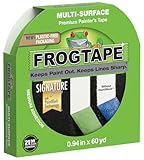
I’ve definitely been there. Staring at a roll of blue tape, the package is almost sealed, and the question pops into your head: can I use painters tape on a package? It’s the stuff meant for walls, right? But desperate times call for desperate measures, and sometimes that roll is just the closest thing to hand. I learned the hard way that while you can, it’s usually not the best idea, and here’s why.
It’s easy to think, ‘It’s tape, it sticks, what’s the big deal?’ But when you’re sending something off, especially if it’s fragile or valuable, you want it to arrive in one piece. My first attempt at using painter’s tape on a box for an eBay sale resulted in a half-detached label and a package that looked like it had survived a minor skirmish by the time it reached the buyer. It was embarrassing, and frankly, a waste of my time and their money.
Why That Blue Roll Isn’t Your Shipping Best Friend
Let’s get straight to it: can I use painters tape on a package? Technically, yes. Will it hold things together? For a little while, maybe. But is it the smart choice for anything you actually care about arriving intact? Absolutely not. Painter’s tape is designed for a very specific job: creating clean lines on walls and surfaces during painting. Its adhesive is intentionally formulated to be low-tack, meaning it sticks well enough not to peel off paint when removed, but not so strongly that it damages the surface. This is its biggest downfall when it comes to shipping.
Think about the journey a package takes. It gets tossed, stacked, sometimes exposed to moisture or temperature changes. The low-tack adhesive on painter’s tape simply isn’t up to the task. It’s prone to peeling, especially at the edges, leaving your package vulnerable.
I remember one time I was shipping a set of ceramic mugs to my sister. I’d run out of proper packing tape and, in a moment of laziness, used painter’s tape to seal the flaps and secure the shipping label. By the time it arrived, the label was half off, and one of the flaps had partially opened. Thankfully, the mugs were well-bubble-wrapped inside, but the presentation was terrible, and it made me look unprofessional.
That was the last time I ever considered it for anything more important than holding a piece of paper to a wall.
The real problem is that the adhesive degrades under stress and environmental changes. Humidity can cause it to lose its grip entirely, while temperature fluctuations can make it brittle or gummy. So, while it might seem like a quick fix, you’re actually creating a future problem. The tape might look fine when you seal it up, but give it a few days on a truck or in a warehouse, and it could start to fail. I’ve heard stories from people who’ve had items arrive with tape completely unraveled, their contents spilling out. It’s not worth the gamble, trust me.
What to Actually Look for in Package Tape
So, if painter’s tape is out, what should you be using? You need tape specifically designed for packaging. The gold standard is what’s commonly called ‘packing tape’ or ‘shipping tape.’ This stuff is built to last and withstand the rigors of transit. The key difference lies in the adhesive and the backing material.
For starters, the adhesive on good packing tape is much stronger and more resilient. It’s designed to create a permanent or semi-permanent bond. You’ll find two main types of adhesive: acrylic and hot-melt (often referred to as rubber adhesive). Acrylic tape is generally better for long-term storage and extreme temperatures because it ages well and resists yellowing. Hot-melt tape is known for its aggressive initial tack, meaning it sticks hard and fast right away, making it great for quick sealing. It’s usually a bit cheaper too, but can become brittle in very cold conditions or degrade over time in heat.
The backing material is usually a strong plastic film, often polypropylene or PVC. This provides strength and resistance to tearing. Unlike painter’s tape, which is often paper or a thin, fabric-like material, packing tape is designed to resist stretching and tearing. You can get different widths, with 2-inch being the most common for standard boxes, but wider tapes (3-inch) can be useful for heavier packages. (See Also: Does Painters Tape Rip Paint Off Walls )
When you’re shopping, look for terms like ‘heavy-duty packing tape,’ ‘shipping tape,’ or ‘moving tape.’ These usually indicate a stronger adhesive and a more durable backing. Clear tape is popular because it doesn’t obscure labels, but brown kraft tape is also a solid, often more eco-friendly option. Don’t be tempted by novelty tapes or tapes that seem too cheap; they’re often just rebranded office tape and won’t hold up. I once bought a bulk pack of ‘heavy-duty’ clear tape that turned out to be as flimsy as Scotch tape, and the adhesive was so weak it peeled off the box within hours. Lesson learned: read reviews and stick to reputable brands.
Common Mistakes People Make (besides Using Painter’s Tape)
Beyond the obvious blunder of reaching for the blue roll, there are other common mistakes that can compromise your package’s integrity. One of the biggest is not using enough tape, or not applying it correctly. You need to tape all seams, not just the middle. This means taping the top and bottom flaps where they meet, and also along the edges where the flaps join the sides of the box.
Another mistake is using the wrong type of tape for the weight of the package. A lightweight box with a few books might be okay with standard packing tape, but if you’re shipping something heavy, like electronics or tools, you need a heavy-duty tape. These often have a thicker backing and a stronger adhesive to prevent blowouts. I had a friend who shipped a heavy antique lamp using the same flimsy tape he used for sending Christmas cards. The box arrived crushed, and the lamp was broken. It was a costly lesson in matching tape strength to package contents.
Surface preparation is also key. Make sure the box surface is clean and dry where you’re applying the tape. Dust, grease, or moisture will prevent the adhesive from bonding properly. This is especially true if you’re reusing a box that’s been stored for a while. A quick wipe-down with a damp cloth (and letting it dry completely!) can make a world of difference. Don’t skimp on the tape application itself. Press the tape down firmly as you apply it, using your hand or a tape dispenser to make sure good adhesion. Some people just slap it on, but you need to apply pressure to activate the adhesive and create a strong bond.
Here’s a quick breakdown of tape types and their general suitability:
| Tape Type | Adhesive | Backing | Best For | My Verdict |
|---|---|---|---|---|
| Painter’s Tape | Low-Tack Acrylic | Paper/Fabric | Masking surfaces, temporary holding | Absolutely NOT for shipping. Peels easily. |
| Standard Packing Tape | Acrylic or Hot-Melt | Polypropylene | Light to medium-weight packages, general shipping | Good for most everyday needs. |
| Heavy-Duty Packing Tape | Strong Acrylic or Hot-Melt | Thicker Polypropylene/PVC | Heavy items, long-distance shipping, extreme temps | Worth the extra cost for peace of mind. |
| Kraft Paper Tape (Water-Activated) | Water-Activated Adhesive | Reinforced Kraft Paper | Eco-friendly shipping, heavy items, sealing cartons securely | Excellent for solid sealing, requires a water dispenser. |
This table really hammers home why the blue stuff is a no-go. It’s like trying to build a house with sticky notes – it just doesn’t have the fundamental properties needed for the job.
Real-World Use Cases and When It Might barely Fly
So, we’ve established that painter’s tape is a terrible idea for shipping anything of value. But are there any situations where it might be considered? Honestly, I struggle to think of many legitimate ones. If you are sending a package that weighs practically nothing, contains items that are completely indestructible, and you’re just sending it across town to a friend you know will pick it up the second it arrives, maybe. But even then, why risk it?
I did have one… interesting experience. I was moving out of a dorm and had a bunch of old textbooks I was giving away to a friend who lived in the same building. I just needed to keep them bundled together temporarily. I didn’t have any proper tape, just a roll of painter’s tape. I taped them up, and they made it the 50 feet to her door without issue. That’s about the only scenario I can conjure where it didn’t actively cause a problem. It was basically just keeping a stack of paper from fanning out.
Consider this: If you’re shipping a lightweight, non-fragile item, like a single t-shirt or a very light scarf, and you’re only sending it locally via a trusted courier who handles packages gently, painter’s tape might hold. But the risk of the label peeling, or a seam coming undone, is still present. And if you’re shipping something internationally, or through a postal service known for rough handling (and let’s be honest, many are), you’re basically inviting disaster. (See Also: Does Masking Tape Work The Same As Painters Tape )
The most common ‘justification’ I hear for using painter’s tape is cost. People think, ‘Oh, I already have this, so it’s free.’ But the cost of a roll of proper packing tape is negligible compared to the potential cost of lost merchandise, return shipping, or the damage to your reputation if you’re a seller. I bought a 6-pack of heavy-duty packing tape for about $15 last year, and that roll will last me for dozens of shipments. That’s pennies per package. The math just doesn’t add up to use painter’s tape.
Practical Tips for Secure Packaging
Alright, let’s talk about actually getting your packages sealed up right. It’s not rocket science, but a few simple steps can make a huge difference. First, always use a sturdy box. If the box is flimsy or has been used too many times, it’s already a weak point. Double-boxing is a good idea for anything fragile or valuable.
When you’re sealing the box, use the H-taping method. This means taping the center seam where the flaps meet, and then taping along both edges where the flaps meet the sides of the box. This creates a strong seal and prevents the flaps from opening. Don’t be stingy with the tape! Run the tape down the sides of the box by about two inches. This reinforces the edges and adds significant strength.
If you’re taping a heavy package, consider using a wider tape (like 3-inch) or applying two strips of standard packing tape side-by-side along the main seams. For added security, you can also tape around the entire box, like a band, across the top and bottom seams. This provides an extra layer of protection against bursting.
When it comes to attaching your shipping label, make sure it’s completely flat and smooth. Use clear packing tape to cover the entire label, making sure the edges are sealed down. This protects it from moisture and helps prevent it from peeling off. Avoid folding the label over the edges of the box if possible, as this can sometimes cause issues with scanners. If you must fold it, make sure the tape seals all edges. Many shipping services, like USPS, have specific guidelines for label placement and adhesion, so it’s worth a quick look on their website if you’re shipping commercially.
Finally, give your sealed package a good shake. Not a violent one, but a firm jostle. If anything inside shifts significantly or you hear tape straining, you need to reinforce it. This is your final check before it heads out into the world.
When Your Only Option seems to Be Painter’s Tape
Let’s say you’re in a bind. You absolutely have to send something right now, and the only tape you can find is painter’s tape. What’s the least bad way to do it? First, assess the item. If it’s a stack of papers, a single unrolled poster tube, or something similarly solid and lightweight, you might get away with it for a very short, local trip. If it’s anything remotely fragile or heavy, stop. Seriously, just stop. Go buy proper tape.
If you must proceed, use a LOT of it. Layer it on. Don’t just run a single strip down the seam. Overlap strips generously. For box flaps, cover the entire seam and then extend it a good few inches down the sides of the box. Think of it as creating a sort of patchwork of tape. If you have clear packing tape available at all, even just a small amount, use it to cover the shipping label entirely and to reinforce the important seams over the painter’s tape. You’re basically trying to mitigate the inherent weakness of the painter’s tape with sheer volume and by using a better tape for the most important parts (like the label).
I’ve heard of people reinforcing painter’s tape by crisscrossing it or applying it in multiple directions. It helps, a little. It’s like putting a band-aid on a broken bone – it’s better than nothing, but it’s not going to fix the underlying issue. The adhesive on painter’s tape is just too weak. It’s designed to come off easily. The forces involved in shipping a package are designed to make things stick permanently. (See Also: Does Painters Tape Peel Paint )
So, while technically you can use painter’s tape on a package in some fringe, desperate scenarios, it’s a gamble. It’s a shortcut that will almost always cost you more in the long run, whether through damaged goods, lost items, or a tarnished reputation. My advice? Keep a roll of good, strong packing tape handy. It’s a small investment that saves a lot of headaches. Don’t be like me in my early eBay days and learn the hard way. Get the right tool for the job, every time.
Can I Use Painters Tape on a Package for Shipping?
No, it’s generally not recommended to use painters tape for shipping packages. Painters tape has a low-tack adhesive designed for temporary use and clean removal from surfaces like walls. This adhesive is not strong enough to withstand the rigors of shipping, which involves stacking, movement, and potential exposure to varying temperatures and humidity. The tape is likely to peel or detach, compromising the package’s integrity and potentially leading to lost or damaged contents.
Will Painters Tape Hold a Shipping Label?
Painters tape might hold a shipping label temporarily, especially if the package isn’t subjected to much movement or moisture. However, its low-tack adhesive means it’s prone to peeling, particularly at the edges. This can cause the label to become detached, making it difficult or impossible for the shipping carrier to deliver the package. For secure label adhesion, always use clear packing tape that covers the entire label and adheres firmly to the box surface.
Is Painter’s Tape Strong Enough for Boxes?
Painters tape is not strong enough for sealing boxes for shipping. Its primary purpose is to create clean paint lines, not to provide a secure, long-lasting bond. The adhesive is weak and can fail under pressure, temperature changes, or moisture exposure. Proper packing tape, with its stronger adhesive and durable backing, is specifically designed to withstand the stresses of transit and keep boxes securely closed.
What Tape Should I Use for Packaging?
For packaging, you should use tape specifically designed for shipping. Standard packing tape, often called shipping tape, is the most common choice. Look for tapes with acrylic or hot-melt adhesives and a strong polypropylene or PVC backing. For heavier items or long-distance shipping, consider heavy-duty packing tape. Water-activated kraft paper tape is another excellent, secure option, though it requires a special dispenser.
Conclusion
So, to circle back to the million-dollar question: can I use painters tape on a package? The short, blunt answer is: don’t. It’s like trying to use a thumbtack to hang a heavy mirror – it’s the wrong tool for the job, and you’ll likely end up with a mess.
I’ve wasted time and energy on less-than-ideal solutions, and trust me, the small amount you save on a roll of actual packing tape is absolutely piddly compared to the potential cost of a failed shipment. It’s a false economy. Stick to tape that’s built for the job. Your future self, and the recipient of your package, will thank you.
Next time you’re about to seal a box, take a second to grab that proper packing tape. If you’re sending anything that matters, or if you want your package to arrive looking as good as it left, that’s the only way to go.