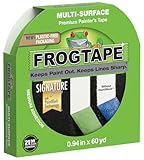
I’ve been there. Staring at a busted something-or-other, a gap that needs filling, a temporary fix that’s supposed to hold for a few hours, maybe a day. And what do I have within arm’s reach? That roll of blue painters tape I used for the trim last week. The question pops into your head, maybe out of desperation, maybe out of sheer curiosity: can I use blue painters tape like duct tape? It seems like it should work, right? It sticks, it’s a tape. But trust me, I’ve learned the hard way that ‘sticking’ and ‘holding’ are two very different beasts.
My first real encounter with this idea was when a shelf bracket decided to give up the ghost in my garage. I needed to get some tools off the floor now. Blue tape was all I had. I layered it on thick, thinking I was a genius of improvisation. Spoiler alert: the shelf and its contents ended up on the floor about three hours later, making a much bigger mess than if I’d just waited.
So, let’s get down to brass tacks. Is blue tape your secret weapon for heavy-duty fixes, or is it just a good way to waste time and create a bigger problem?
Why Blue Tape Is Not Your Duct Tape Replacement
Look, I love blue painters tape. For its intended purpose, it’s a godsend. Painting trim? Perfect. Protecting surfaces from a light dusting of drywall mud? You bet. It’s designed to stick well enough to do its job but peel off cleanly without trashing your paint or leaving a sticky residue. That’s its superpower. It’s the polite guest of the tape world, showing up when invited and leaving without a fuss.
Duct tape, on the other hand, is the burly bouncer. It’s aggressive. It sticks like it means it, and often, it means it for a long, long time. Its woven fabric backing gives it strength and tear resistance that blue tape can only dream of. The adhesive is typically thicker, stickier, and formulated to bond to a wider range of surfaces, including rough, dirty, or uneven ones. That’s why you see it holding together everything from leaky hoses to car bumpers in a pinch. It’s built for endurance and brute force, not for finesse.
I remember trying to patch a small tear in an outdoor tarp once with blue tape. I figured, it’s a small tear, the wind isn’t that bad. I applied it in overlapping strips, pressing down like my life depended on it.
Within a day, the edges were curling, and by the next rainstorm, it had peeled off like a bad sunburn, leaving a sticky mess that attracted every bit of dirt and debris in the yard. Duct tape, even a cheap roll, would have lasted weeks, if not months, in that same situation. It’s not just about adhesion; it’s about the material’s integrity under stress.
Blue tape has almost no stretch and a relatively weak fabric weave compared to duct tape, making it prone to tearing and delaminating when pulled or stressed.
The common advice you’ll hear is that blue tape is for light-duty, temporary tasks, and duct tape is for everything else. I’m here to tell you that advice is spot on, and anyone who tells you otherwise probably hasn’t wrestled with a real-world repair that needed more than a polite suggestion of adhesion. I’ve spent more money on replacing things that failed because I tried to use the wrong tape than I care to admit. My garage shelf incident cost me a broken ceramic planter, which would have cost less to replace than the tape-and-time gamble. It’s a lesson learned in sticky, blue failure.
When Blue Tape Fails: The Real-World Scenarios
So, where does blue tape totally, utterly, and embarrassingly fail when you try to force it into duct tape’s job? Think about anything that involves significant stress, movement, or exposure to the elements. Trying to temporarily hold a car door panel in place while you wait for a mechanic? Blue tape will likely let go halfway down the road. Need to secure a loose piece of siding on your house during a windy day? You’re asking for trouble. The adhesive on blue tape is specifically formulated to have a lower tack and easier release. While this is fantastic for painting, it means it just doesn’t have the staying power for tasks that require a tenacious grip.
I once tried to use blue tape to secure some gardening tools to the side of my shed. I needed them out of the way, and I thought a few strips would do the trick for a weekend. By Sunday afternoon, the trowel had fallen off and landed squarely on my foot, leaving a nasty bruise. The tape had lost its grip, likely due to temperature fluctuations and the slight vibration from garden equipment being moved nearby. It was a dumb mistake, born from convenience, but the result was pain and a dented trowel. Duct tape, with its stronger adhesive and more solid backing, would have kept that trowel firmly in place, no questions asked.
Another classic scenario where blue tape is a non-starter is any kind of plumbing or water-related repair. Even a small drip under a sink can quickly turn into a flood. Blue tape’s adhesive is water-based and not designed for constant moisture exposure. It will soften, lose its stickiness, and eventually peel away, potentially making the leak worse. (See Also: Does Painters Tape Pull Off Paint )
I’ve seen folks try to use it for a temporary fix on a leaky garden hose, and it’s a losing battle from the start. The water pressure just rips it right off. You need something with a waterproof, aggressive adhesive and a backing that won’t degrade. That’s where specialized tapes, or the trusty duct tape, come into play.
The consensus among most handy folks is that for anything involving water or significant pressure, blue tape is just a bad joke.
Even for simple things like holding a heavy object in place temporarily, blue tape is often insufficient. Imagine trying to secure a wobbly chair leg with blue tape. You might get it to stay for an hour, maybe two, but the constant shifting and weight distribution will eventually cause the tape to stretch, tear, or peel. It’s not designed for that kind of sustained, dynamic load. You end up with a wobbly chair and a sticky residue that’s harder to clean than it was to apply. The general rule I’ve adopted is: if it needs to stay put for more than a day without supervision, or if it’s holding anything of value or weight, blue tape is off the table.
The Stickier Truth: What to Look for in a ‘duct Tape’ Alternative
Alright, so if blue tape isn’t cutting it, what should you reach for when you need something with serious staying power? It’s not always about grabbing the silver stuff, though that’s often the go-to. The world of tapes is surprisingly diverse, and understanding what makes them different is key. When you need something that acts like duct tape, you’re usually looking for a few core characteristics: aggressive adhesion, a strong and durable backing, and some level of weather resistance.
First off, let’s talk adhesion. Duct tape’s glue is designed to grab and hold. It’s often a hot-melt adhesive or a rubber-based formulation that sticks to a wide variety of surfaces, from smooth plastic to rough wood. It’s not meant to be easily removed. If you want that level of grip, you need to look for tapes labeled as ‘heavy-duty,’ ‘construction,’ or ‘gaffer’s tape’ (though gaffer’s tape is usually fabric-backed and easier to remove than duct tape, it’s still far stronger than painter’s tape). For truly industrial-strength adhesion, sometimes specialized tapes like VHB (Very High Bond) tapes are used, but that’s usually for permanent applications and can be a nightmare to remove.
The backing material is just as important. Duct tape’s signature is its woven fabric (hence ‘duct’ tape, from the cloth it was originally made with). This fabric provides tensile strength, meaning it resists stretching and tearing. When you’re trying to hold something together under pressure, a stretchy tape will just give way. So, look for tapes with a fabric or reinforced backing. Gorilla Tape, for example, is often touted as a super-strong alternative to standard duct tape because it uses a thick, reinforced backing material that’s much harder to tear than typical duct tape. It has a much more aggressive adhesive too, making it stickier and more durable in challenging conditions.
Weather resistance is another factor. If your repair is going to be outdoors, exposed to sun, rain, or temperature changes, you need a tape that can handle it.
Many standard duct tapes have decent weather resistance, but some are better than others. Look for tapes that explicitly mention outdoor use or resistance to UV rays and moisture. Specialized repair tapes, often made from vinyl or heavy-duty polymers, are formulated for this. They might not have the same fabric backing as traditional duct tape, but their adhesive and material are built to withstand the elements.
I once used a heavy-duty vinyl repair tape on a cracked kayak, and it held up through a whole season of sun and water, which is more than I can say for regular duct tape in that scenario.
Here’s a quick rundown of what to consider:
| Tape Type | Adhesion Strength | Backing Material | Typical Use Cases | My Verdict |
|---|---|---|---|---|
| Blue Painters Tape | Low | Paper | Painting, light masking | Great for art, terrible for repairs. |
| Standard Duct Tape | High | Woven Fabric | General repairs, sealing, bundling | The classic workhorse, good for most things. |
| Gorilla Tape | Very High | Reinforced Fabric | Heavy-duty repairs, outdoor fixes | Tougher than duct tape, but can be overkill. |
| Heavy-Duty Vinyl Tape | High | Vinyl/Plastic | Outdoor repairs, waterproof fixes | Excellent for weather and water. |
| Gaffer’s Tape | Medium-High | Fabric | Stage/film, temporary holds, floor marking | Strong but surprisingly easy to remove cleanly. |
Common Mistakes When Mistaking Blue Tape for Duct Tape
The biggest mistake, hands down, is assuming that because two products are called ‘tape,’ they are interchangeable. This is a fallacy that has cost me time, money, and a lot of frustration. People see the blue color and the wide roll and think, ‘Yeah, that’ll do.’ But it’s like trying to use a butter knife to chop through a steak – it’s the wrong tool for the job, and you’re going to end up with shredded, messy results. (See Also: Does Painters Tape Rip Paint Off Walls )
One of the most common errors I see, and one I’ve made myself, is relying on blue tape for any kind of temporary seal. Think about sealing up a box for storage that needs to be protected from dust or moisture. You might layer on a dozen strips of blue tape, thinking you’re being thorough. But the edges will lift, dust will find its way in, and moisture will seep through.
Duct tape, with its more solid adhesive and less permeable backing, creates a much more effective barrier. I learned this the hard way when I tried to store some valuable books in the garage during a move. I sealed the boxes with blue tape, only to find mildew on the covers a few months later.
A roll of proper packing tape or even standard duct tape would have saved those books.
Another frequent blunder is using blue tape on surfaces that aren’t perfectly clean and smooth. Duct tape, while not ideal for pristine surfaces, has an adhesive that can often conform to minor imperfections and dirt.
Blue tape, however, needs a clean, dry surface to achieve even its intended adhesion. If you try to stick it to a slightly dusty wall, a greasy tool handle, or a damp piece of plastic, it’s going to fail almost immediately. I’ve seen people try to tape up a cracked car window with blue tape in a desperate situation, only to watch it peel off within an hour due to road vibrations and temperature changes.
That’s a prime example of expecting too much from a delicate tool.
The temptation to use blue tape for anything that requires holding two things together, even loosely, is strong. For instance, if you need to temporarily hold a piece of trim in place while glue dries.
You might think, ‘I’ll just tape it securely.’ But blue tape has very little structural integrity. It stretches and tears easily. If the pieces you’re holding together have any weight or tension, the blue tape will inevitably fail, potentially damaging your work or the items themselves.
I once tried to use it to hold a lightweight mirror to a wall temporarily. It looked fine for about an hour, then the tape stretched and the mirror slid down, thankfully not breaking, but leaving unsightly tape marks that were a pain to remove. This kind of situation is why I always have a roll of proper, strong tape in my toolbox, even for ‘temporary’ jobs.
My Real-World Use Cases for Blue Tape
Now, before you think I’m just some tape snob, let me be clear: I genuinely like blue painters tape. It has its place, and when used correctly, it’s invaluable. It’s all about understanding its strengths and weaknesses. For me, its primary function is around painting and surface protection, but I’ve also found a few niche uses that surprised me.
My absolute favorite use is for marking. Whether I’m in the garage, the kitchen, or out in the garden, blue tape is my go-to for temporary labels. I’ll write on it with a Sharpie: ‘Spicy Salsa – Do Not Touch!’ on a jar in the fridge, ‘Gardening Tools – Clean Before Storing’ on a peg in the shed, or ‘Fragile – This Side Up’ on a box of delicate electronics. It sticks well enough to stay put for days or even weeks, but it peels off cleanly without leaving residue or damaging the surface. I’ve tried other tapes for labeling, and they either leave sticky gunk or rip the paper off the box. Blue tape is just right for this. (See Also: Does Masking Tape Work The Same As Painters Tape )
Another surprisingly useful application is for organizing cables. You know those tangled messes of cords behind your TV or computer? I’ll use small strips of blue tape to bundle cables together or label them. ‘Monitor Cable,’ ‘Power Strip,’ ‘Printer USB.’ It keeps things tidy and makes troubleshooting much easier. It’s not strong enough to hold heavy cables under tension, but for light-duty organization and identification, it’s perfect. I find it much less frustrating than trying to untangle a knot of wires when I need to unplug something specific.
I’ve also found it useful for protecting surfaces during minor DIY. If I’m doing some light sanding on a wooden furniture piece and want to protect the surrounding areas from dust, I’ll use blue tape to mask off edges. It creates a clean line and prevents accidental scratches. Similarly, if I’m doing some very light drilling near a finished surface, a strip of blue tape can help prevent the drill bit from wandering and scratching the material.
It’s not for heavy-duty protection, but for those small, careful jobs where you want to avoid minor damage, it’s a lifesaver. It’s also decent for holding small, lightweight parts together while a glue sets, as long as there’s no significant clamping force required. The key is ‘lightweight’ and ‘no tension’.
One of my more unusual, but effective, uses was when I was trying to prevent a squeaky door hinge from driving me insane. I couldn’t get to it with oil immediately, so I just applied a few thin strips of blue tape to the hinge pin. It muffled the squeak enough to give me some peace until I could properly lubricate it. It’s a hack, for sure, and not a long-term solution, but it worked in a pinch. The key takeaway here is that blue tape excels at tasks requiring a gentle touch, temporary marking, or clean-line masking – not brute force repairs.
Can I Use Blue Painters Tape Like Duct Tape? The Verdict
So, after all this, can I use blue painters tape like duct tape? My answer, and I’m going to be blunt here, is a resounding and unequivocal NO. They are fundamentally different tools designed for fundamentally different jobs. Trying to use blue tape for anything duct tape is meant for is like trying to use a spatula to hammer a nail – you might eventually make a mess, but you’re not going to get the job done properly, and you’re likely to cause damage.
Duct tape is built for strength, durability, and tenacious adhesion. Its woven backing provides structural integrity, and its aggressive adhesive sticks to almost anything and stays there. It’s the tape you reach for when you need a serious repair, a secure seal, or something to hold together under stress. I’ve used it to patch leaky garden hoses, secure a broken car mirror temporarily, and even to create a makeshift splint for a broken tool handle. It’s not pretty, but it often works.
Blue painters tape, on the other hand, is designed for finesse. Its gentle adhesive makes sure clean removal from most surfaces, making it perfect for painting and protecting delicate areas. Its strength lies in its ability to provide a clean line or a temporary, removable hold. It’s excellent for masking edges, labeling, and light-duty organization. I use it constantly for marking jars, bundling cables, and protecting surfaces during painting. I’ve learned that if a task involves significant weight, pressure, moisture, or requires a bond that will last for weeks or months outdoors, blue tape is going to disappoint you, probably spectacularly.
The common advice is right: use the right tool for the job. And in the world of tapes, blue painters tape and duct tape are not interchangeable. My own experiences, from shelves collapsing to outdoor repairs failing within days, have hammered this point home. I’ve spent more on replacement items after using the wrong tape than the cost of a good roll of duct tape would have been. So, save yourself the frustration and the potential for a bigger mess. If you need to patch, seal, or hold something securely, reach for the duct tape or a specialized heavy-duty tape. If you need to paint a clean line or label a jar, your blue tape is ready.
Verdict
So, to circle back to the burning question: can I use blue painters tape like duct tape? The short, unvarnished truth is no, you really can’t. They are engineered for different purposes. Blue tape is for gentle, temporary tasks like painting and masking, where clean removal is most important. Duct tape is for serious fixes, where adhesion and durability are king. My own history is littered with the ghosts of failed blue tape repairs, from shelves to outdoor gear, each one a sticky reminder of this distinction.
Think of it this way: would you use a silk scarf to tow a car? Of course not. That’s the kind of mismatch we’re talking about here. While blue tape is a fantastic tool for its intended role, trying to push it beyond its limits is a recipe for disappointment, and often, a bigger mess than you started with. I’ve learned to respect the limitations of each tape, and it’s saved me a lot of headaches.
My advice? Keep both tapes on hand. Use the blue for its precision and clean release, and the duct tape for its sheer grit and holding power. If you’re ever in doubt about whether blue tape can handle a job that feels like a duct tape task, ask yourself if failure would cause a significant problem. If the answer is yes, step away from the blue tape and grab something more solid. The headache saved will be well worth it.