I remember the first time I tried to paint a clean line on a wall. I was maybe 18, all enthusiasm and zero practical knowledge. I grabbed the roll of clear packing tape – you know, the stuff you use to seal boxes – and figured, ‘How different can it be?’ Spoiler alert: Very different.
That botched paint job taught me a hard lesson that day. The question of whether you can use sellotape instead of painters tape pops up more than you’d think, probably because we’ve all been there, staring at a roll of tape and a wall, wondering if we can cut corners.
Let me save you the trouble: you generally can’t, and here’s why.
So, Why Doesn’t Sellotape Work for Painting?
Look, I get it. You’re in the middle of a project, maybe touching up a scuff mark or painting a small accent. The last thing you want is to trek to the hardware store for a roll of something called ‘painters tape’. You’ve got that sticky, shiny sellotape (or packing tape, or Scotch tape, whatever you call it) sitting right there. It’s tape, right? It sticks. What’s the big deal?
The big deal is adhesion and, more importantly, release. Painters tape is engineered. It has a specific adhesive formula. It’s designed to stick to a surface firmly enough to create a seal, preventing paint from bleeding underneath, but then, importantly, it’s designed to peel off cleanly without damaging the paint job you just did. This isn’t some marketing fluff; it’s chemistry. The adhesive on standard clear tape, on the other hand, is usually much stronger. It’s meant to hold packages shut, to withstand some abuse. When you try to peel that stuff off a painted surface, especially after paint has dried over it, it’s like trying to remove superglue from a delicate fabric.
I learned this the hard way, painting a bookshelf. I used clear packing tape to mask the edges of the wood where it met the wall. It seemed fine at first.
I painted with confidence. But when it came time to peel the tape off?
It lifted chunks of the wall paint. Not just a little bit, but proper, visible gouges.
I spent way longer fixing those mistakes than I would have spent going to the store for the right tape. The tape itself ripped, leaving behind sticky residue and uneven edges. It looked like a toddler had attacked the wall with a crayon. I ended up having to re-prime and repaint the entire section, which was a soul-crushing experience for a relatively simple job.
The ‘stickiness’ is only half the story. The thickness and flexibility of the tape also matter. Sellotape is often thinner and can crinkle or tear easily when you’re trying to apply it precisely along edges. Painters tape is usually a bit thicker and more forgiving, allowing you to press it down firmly to get that sharp line. And then there’s the ‘breathability’ factor – yes, tape can breathe. Some specialized painters tapes allow a tiny bit of air or moisture to escape, which helps prevent the adhesive from becoming too permanent or bubbling up. (See Also: Does Painters Tape Rip Paint Off Walls )
Think about it: painters tape costs maybe $5-10 for a roll that can cover a good chunk of a room’s trim. Clear packing tape might be cheaper per roll, but if you mess up your paint job, you’re looking at buying more paint, primer, and spending a LOT more time fixing it. The math just doesn’t add up.
What Makes Painters Tape the Real Deal
So, if sellotape is a no-go, what exactly are we looking for when we grab that blue, green, or purple roll from the hardware aisle? It all comes down to the adhesive and the material. The primary job of painters tape is to create a barrier, and the adhesive is what makes that barrier effective. You need it to stick, but not too much. This is where the nuances come in. Different types of painters tape are formulated for different surfaces and paint types. This is something most DIYers completely gloss over, and it’s a massive mistake.
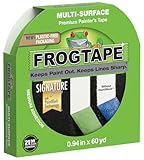
For most general wall painting – think your standard drywall with latex paint – a good quality medium-adhesion tape is usually the way to go. These tapes are typically blue or green. They stick well enough to hold a seal but are designed to be removed without pulling off the base paint. I’ve found that brands like 3M and FrogTape make reliable medium-adhesion tapes. A common mistake people make is thinking any blue tape is the same. It’s not. Read the packaging. It usually tells you what surfaces it’s best for – interior walls, trim, glass, metal, etc.
Then there’s low-adhesion tape, often yellow or white. This is your go-to for delicate surfaces like wallpaper, freshly painted walls (less than 24 hours old), or even certain types of varnished wood. Using a regular tape on these surfaces would be a disaster waiting to happen, basically guaranteeing you’ll rip off whatever you’re trying to protect. I once had a friend try to tape off a section of wallpaper to paint a border. He used what he thought was regular painters tape, and when he pulled it off, it took half the pattern with it. He was devastated. Low-adhesion tape would have saved his wallpaper and his sanity.
On the flip side, there’s high-adhesion tape. This is usually orange or sometimes a darker blue. It’s designed for rougher surfaces like brick, concrete, or heavily textured walls. Standard painters tape would just refuse to stick to these, or it would peel off in frustrating little strips. High-adhesion tape has a stronger glue that can grip those uneven surfaces. If you’re painting an exterior wall with stucco, or a brick fireplace, you need this stuff. Trying to use regular tape would be like trying to put a postage stamp on a gravel road – it just won’t work.
Here’s a little secret: sometimes, even the ‘right’ tape can cause issues if you don’t use it properly. Leaving tape on for too long, especially in humid conditions or direct sunlight, can cause the adhesive to cure or become brittle, making it harder to remove cleanly. Always check the manufacturer’s recommendations for how long the tape can remain in place. For latex paints, it’s generally safe to leave it on until the paint is dry to the touch, but for oil-based paints or certain finishes, you might need to remove it while the paint is still wet. This is a key detail often overlooked.
| Tape Type | Adhesive Strength | Best For | My Verdict |
|---|---|---|---|
| Standard Blue/Green Tape | Medium | Interior walls, trim, windows, smooth surfaces | Your everyday workhorse. Usually reliable. |
| Yellow/White Tape | Low | Delicate surfaces, wallpaper, freshly painted walls, vinyl | Lifesaver for fragile finishes. Don’t skip this if you’re unsure. |
| Orange/Dark Blue Tape | High | Rough surfaces: brick, concrete, stucco, textured walls | Necessary for serious texture. Regular tape won’t cut it. |
| Purple/Specialty Tape | Variable (often high) | Specific finishes, high-temp applications (e.g., automotive) | Overkill for most home projects, but good to know it exists. |
| Clear Packing Tape | Very High | Sealing boxes, temporary repairs (not painting) | Absolutely avoid for any painting. Will ruin your work. |
Common Mistakes and How to Avoid Them
Alright, let’s talk about the screw-ups. Because, believe me, I’ve made them all, and I’ve seen others make them too. When you’re trying to get that perfect, crisp line between two colors, or between your wall and your trim, tape is your best friend. But if you use it wrong, it becomes your worst enemy. The biggest, most obvious mistake is using the wrong tape. We’ve covered why sellotape is a disaster. But even within the world of painters tape, people get it wrong.
Another massive blunder is poor surface preparation. You can have the most expensive, top-tier painters tape in the world, but if you slap it onto a dusty, greasy, or damp wall, it’s not going to stick properly. That loose edge is an invitation for paint bleed. Before you even think about applying tape, make sure the surface is clean, dry, and free of loose paint or debris. A quick wipe-down with a damp cloth and letting it dry completely can make a world of difference. Seriously, I’ve seen people tape over cobwebs. Don’t be that person.
Application is key. This is where many people lose the battle. You can’t just haphazardly slap tape on. You need to press it down firmly, using a putty knife, a credit card, or even your fingernail, especially along the edge that will meet the paint. This creates a solid seal. I like to run my fingernail along the edge a couple of times. It sounds a bit obsessive, but it makes sure that no paint finds its way underneath. People often complain about bleed-through, and 90% of the time, it’s because they didn’t press the tape down hard enough. The tape needs to conform to the surface, filling any tiny gaps. (See Also: Does Masking Tape Work The Same As Painters Tape )
One of the most infuriating mistakes is pulling the tape off too soon or too late. As I mentioned before, pulling it off when the paint is still wet can sometimes lead to paint peeling. However, leaving it on for days, especially in warm or humid conditions, can allow the adhesive to bond too strongly or become brittle.
The sweet spot is usually when the paint is dry to the touch but not fully cured. If you’re unsure, err on the side of pulling it off a bit earlier rather than later. And when you pull it, do it slowly and at a 45-degree angle, pulling away from the painted area. Yanking it straight up or at a sharp angle is a recipe for disaster and ripped paint.
Finally, don’t assume one type of tape works for all situations. If you’re painting trim that’s already painted, use a medium-adhesion tape. If you’re painting over wallpaper, for the love of all that is holy, use low-adhesion tape. If you’re painting a rough brick wall outside, you need high-adhesion tape. Using the wrong strength of adhesive is like trying to hammer a nail with a screwdriver – it’s the wrong tool for the job and you’ll likely end up making a mess and damaging something.
Common Tape Mistakes at a Glance
- Using sellotape or packing tape instead of painters tape.
- Not cleaning and drying the surface before applying tape.
- Not pressing the tape down firmly to create a seal.
- Pulling the tape off too soon (wet paint) or too late (cured adhesive).
- Using the wrong strength of painters tape for the surface.
Real-World Use Cases: When Tape Saves the Day
Let’s be honest, painters tape isn’t just for painting walls. Its versatility, when used correctly, makes it an invaluable tool for all sorts of projects. I’ve found myself reaching for it more often than I ever expected. Beyond the obvious job of masking off trim and ceilings when painting rooms, think about creating sharp lines for accent walls. Want a geometric pattern? Tape. Need a clean break between a dark color and a light one? Tape.
I recently helped a buddy repaint his garage. We wanted to add some sporty stripes on the doors. We spent ages meticulously measuring, marking with a pencil, and then applying blue painters tape along the lines. Once the first stripe color was dry, we carefully applied a second layer of tape right on the edge of the first stripe to protect it, then painted the second stripe color. The result was incredibly sharp, professional-looking lines that would have been impossible to achieve freehand. The tape held firm against the slightly textured garage door paint, and peeled off cleanly afterward. It took time, sure, but the finish was worth it.
Another common scenario is protecting surfaces from overspray. If you’re using spray paint, whether it’s a can or a spray gun, tape is your best friend for keeping paint exactly where you want it. I’ve used it to mask off car parts when doing touch-up paint jobs, or to create clean edges on furniture being refinished with spray lacquer. You lay down a base coat of paint, let it dry, then carefully apply tape to define the next section or color. The precision you can achieve is fantastic. Without it, you’d end up with overspray all over the place, making for a messy, unprofessional look.
It’s also surprisingly useful for DIY electronics or model making. Sometimes you need to mask off a small circuit board area before applying a conformal coating, or paint a specific detail on a model. The finer-width painters tapes are perfect for this. They allow for intricate masking and clean lines on a small scale. I even used some delicate painters tape to mask off the edges of a guitar body when I was refinishing it. The wood grain was beautiful, and I wanted a perfectly clean line where the natural wood met the painted sections. The tape didn’t lift any of the existing finish, and it gave me the razor-sharp edge I was looking for.
Beyond paint, painters tape can be used for temporary holds. Need to keep a piece of paper or a template perfectly in place while you’re drilling or cutting? A strip of painters tape can hold it securely without leaving a sticky residue when you remove it. It’s also surprisingly good for protecting surfaces during minor repairs. For instance, if you’re sanding a small area and want to prevent dust from scratching the surrounding paint, you can mask it off with painters tape. It’s a simple, effective barrier that’s easy to apply and remove.
I’ve even seen people use it to label things temporarily. Stick a strip on a plastic bin, write on it with a marker, and then easily peel it off later. It’s much neater than masking tape, which can leave a gummy residue. The key across all these uses is selecting the right tape for the job. Just like with painting, using the wrong type of tape for a non-painting task can lead to frustration and damage. Always consider the surface and the desired outcome. (See Also: Does Painters Tape Peel Paint )
Can I Use Sellotape Instead of Painters Tape? Faq
Can I Use Regular Clear Tape for Painting?
No, you really shouldn’t. Regular clear tape, like sellotape or packing tape, has a much stronger adhesive than painters tape. When you try to remove it after painting, it’s very likely to lift or damage the paint underneath, leaving behind a mess that’s harder to fix than if you’d used the right tape in the first place. It can also leave a sticky residue.
What Happens If I Use Sellotape for Painting?
If you use sellotape for painting, you’ll probably end up with uneven paint lines, paint bleeding under the tape, and, most significantly, the tape will likely pull off the paint when you try to remove it. This can create gouges and damage your paint job, requiring significant touch-up work, sanding, and repainting. It’s a false economy that costs more time and money in the long run.
Is Painters Tape Reusable?
Generally, no, painters tape is designed for single use. Once it’s been applied, exposed to paint, and then removed, its adhesive properties are compromised. Reusing it might seem like a way to save money, but it significantly increases the risk of poor adhesion, paint bleed, and damage to your surfaces. It’s best to use a fresh piece for each application.
How Do I Get a Clean Paint Line with Tape?
To get a clean paint line, start by making sure your surface is clean and dry. Apply the correct type of painters tape firmly, pressing down the edge that will meet the paint with your fingernail, a putty knife, or a plastic card. After painting, remove the tape slowly and at a 45-degree angle while the paint is still dry to the touch but not fully cured. For extra insurance, some people lightly run a bead of the base coat color along the tape edge to seal it before applying the new color.
What Is the Difference Between Painters Tape and Masking Tape?
While they look similar, the primary difference is in their adhesive. Painters tape has a specially formulated, lower-tack adhesive designed to stick securely enough to prevent paint bleed but release cleanly from most surfaces without damage. Masking tape, on the other hand, often has a stronger adhesive that is more prone to peeling paint or leaving residue when removed from delicate surfaces like walls or trim. Painters tape is the superior choice for painting projects.
How Long Can I Leave Painters Tape on a Wall?
The duration you can leave painters tape on a wall depends on the specific tape and the paint used. For most latex paints, it’s generally recommended to remove the tape while the paint is still dry to the touch but not fully cured, typically within 24 hours. Leaving it on for too long, especially in warm or humid conditions, can cause the adhesive to bond too strongly or become brittle, leading to difficult removal and potential paint damage. Always check the manufacturer’s instructions for their specific recommendations.
Verdict
So, to circle back to the burning question: can i use sellotape instead of painters tape? My honest, blunt answer is: don’t. It’s a shortcut that almost always leads to a detour through frustration and re-work. The small amount of money you think you’re saving on a roll of proper painters tape is dwarfed by the time and effort you’ll spend fixing the mess sellotape creates.
Think of it as an investment in your project. Good painters tape is cheap insurance against a ruined paint job. Whether you’re masking trim, creating a sharp accent line, or protecting delicate surfaces, there’s a specific type of painters tape designed for the task. Take a moment to read the packaging, choose the right one, and apply it properly.
My advice? Keep a few different types of painters tape in your toolbox – the standard blue for walls, a low-tack for delicate jobs, and maybe even a high-adhesion one if you deal with rough surfaces. It’s the difference between a job done right and a job you’ll regret starting. So next time you’re tempted by that shiny roll of clear tape, just walk on by. Your future self, and your walls, will thank you.