You’re staring at a freshly painted wall, looking forward to peeling off that tape and revealing crisp, clean lines. Then it happens. A little bit of paint lifts with the tape, or worse, a chunk of drywall paper comes with it. I’ve been there, man. It’s infuriating. It makes you question everything you thought you knew about DIY projects. So, let’s get down to brass tacks: can painters tape damage walls? The short answer is yes, it absolutely can, but it’s usually not the tape’s fault alone. It’s more about how you use it, when you use it, and what kind of wall you’re dealing with.
I’ve wasted my fair share of cash on fancy tapes that promised the moon and delivered peeling paint. Over the years, I’ve learned which ones are worth their salt and, more importantly, how to avoid the dreaded paint pull.
Why Does This Stuff Even Stick? The Science (sort Of)
Look, at its core, painter’s tape is just paper tape with a sticky backing. The stickiness is designed to hold it in place while you paint, but it’s also supposed to come off cleanly. This is where the magic – or the mess – happens. The adhesive is formulated to balance a strong enough grip to prevent paint bleed-through with a bond that won’t rip your wall apart when you pull it off.
It’s a delicate dance. Different brands, and even different types of tape from the same brand, have different adhesive formulas. Some are more aggressive, designed for rougher surfaces or longer paint-drying times, while others are gentler, intended for delicate surfaces or quick removal. You’ve got your standard blue tape, often good for general use, then the green tape, which is usually for more delicate surfaces, and sometimes even purple or yellow tapes that tout specific benefits.
The key thing to remember is that ‘stickiness’ isn’t just one thing; it’s a spectrum. A tape that works like a charm on a freshly primed drywall might be a disaster on a wall that’s been painted a dozen times with old, possibly compromised paint.
I remember one job where I decided to use a high-tack tape I’d bought for a trim project on a ceiling. Big mistake. It held on like a stubborn relative at a holiday gathering.
When it was time to pull, it took a good chunk of the ceiling paint with it. I had to go back and do touch-up work that took twice as long as the initial taping. That’s when I started paying way more attention to the nuances of the adhesive.
It’s not just about the color of the tape; it’s about the chemical composition underneath. Think of it like choosing a glue; you wouldn’t use super glue to stick a post-it note, and you shouldn’t use aggressive tape on a delicate surface.
When You Can’t Wait to Rip It Off: Timing Is Everything
One of the biggest culprits behind damaged walls is impatience. You finish painting, admire your handiwork for a solid five minutes, and then you’re already yanking the tape off.
This is a recipe for disaster. Paint needs time to cure, not just dry.
Dry means the surface feels firm, but cured means the entire paint film has hardened and bonded properly. If you pull the tape off too soon, while the paint is still a bit soft or wet, it’s going to cling to the tape and lift right off the wall. This is especially true for latex-based paints, which are common for interior walls. They need a good 24 hours, sometimes longer, to really set up.
I once had a client who insisted on using the room the same day I finished painting. I warned them, but they were adamant. (See Also: Does Painters Tape Pull Off Paint )
The next morning, they called me in a panic because the tape had peeled off sections of the new paint, and worse, the old paint underneath was coming with it.
The flip side of this is leaving the tape on for too long, especially in humid conditions or on certain types of paint. The adhesive can actually ‘bake’ into the paint or drywall paper over time, becoming incredibly difficult to remove without damage. I’ve seen tape that’s been on for weeks on a renovation project – think of a house that’s been sitting empty and unpainted for a decade. That tape adhesive, combined with dust and time, becomes practically cemented to the surface.
When you finally try to peel it, it’s like trying to pull wallpaper off a plaster wall that’s never been properly sealed. The paper starts to tear, and you’re left with a mess that’s far worse than a little paint bleed. So, the sweet spot is important. Generally, for most latex paints, I aim to remove the tape within 24 hours of the final coat.
If I’m using oil-based paints, which are less common for walls now but still exist, they take longer to cure and might require a slightly longer wait, but still, don’t leave it for weeks on end.
The ‘oh Crap’ Moments: Common Mistakes I’ve Made (so You Don’t Have To)
Alright, let’s talk about the screw-ups. We all make them. The most common mistake, aside from impatience, is using the wrong tape for the job. I’ve fallen for the ‘one tape fits all’ myth way too often.
You see a roll of tape, it looks like painter’s tape, and you grab it. Big mistake. If you’re painting over wallpaper, or a surface that’s been previously painted with a flat finish or has textured paint, you need a delicate surface tape. Standard blue tape?
Forget it. It’s too aggressive. I learned this the hard way when I tried to tape off a section of wallpaper for a minor repair. The tape grabbed the paper, and instead of just tape residue, I had a gaping hole where the wallpaper peeled away.
It looked like a giant moth had taken a bite out of my wall.
Another common blunder is not pressing the tape down properly. You think you’ve got a good seal, but if there are gaps, paint will seep underneath, and when you pull the tape, you’ll have jagged, messy lines. It looks amateurish. On the flip side, pressing too hard, especially with a stiffer tape, can sometimes embed the adhesive deeper into textured surfaces or into the paint itself, making it harder to remove cleanly.
You need a firm, even pressure. I usually use a putty knife or a plastic scraper to get a really good seal along the edge.
It’s not about brute force; it’s about creating a continuous barrier. And don’t even get me started on reusing old tape. (See Also: Does Painters Tape Rip Paint Off Walls )
If that tape has been sitting in your garage for a year, exposed to dust, temperature fluctuations, and general mayhem, the adhesive is shot. You’re just asking for trouble. It won’t stick well, and it’s more likely to leave residue or lift paint.
What to Look for: Choosing the Right Tape for Your Walls
So, how do you avoid these pitfalls? It starts with choosing the right tape. Don’t just grab the cheapest roll you see.
Think about your surface. Is it smooth drywall? Textured walls? Wallpaper?
Delicate finishes? For most standard interior walls with a satin or semi-gloss paint finish, a good quality blue painter’s tape is usually fine, provided you remove it within 24-48 hours. I’ve had good luck with brands like ScotchBlue and FrogTape, but honestly, even the generics can work if you use them correctly.
If you’re painting over a flat paint, or if you’re working with something delicate like wallpaper or freshly painted surfaces that need extra care, you must use a delicate surface tape. These are usually green or sometimes purple. They have a much lower tack adhesive that’s designed to stick without damaging the underlying finish. I’ve seen people try to use standard blue tape on a 10-year-old flat paint job, and then wonder why the tape is ripping off the paint in sheets.
It’s like using a chainsaw to trim your fingernails.
Consider the paint type, too. Latex paints generally adhere well but can be lifted if pulled too soon. Oil-based paints are tougher but can become brittle over time, and the tape adhesive can bond too strongly if left on for extended periods.
The tape’s backing material is also a factor. Some tapes have a thicker, more durable backing that’s less likely to tear or seep paint through. For masking off large areas or for jobs where you anticipate some rough handling, a tape with a thicker backing might be worth the extra cost. Always read the packaging.
Most reputable brands will tell you what surfaces the tape is best suited for and how long it can be left on. It sounds obvious, but you’d be surprised how many people skip this step.
It’s like buying a tool without reading the manual – you’re setting yourself up for frustration.
The Great Tape Debate: Opinions and Verdicts
There’s a lot of chatter out there about which tape is ‘the best.’ Everyone has their go-to. Some swear by the ultra-sticky stuff for a perfect seal, others preach caution with the gentlest tapes. Honestly, it’s not about one tape being universally superior. It’s about matching the tape to your specific situation. Here’s a little chart of my personal take based on years of wrestling with the stuff: (See Also: Does Masking Tape Work The Same As Painters Tape )
| Tape Type/Color | Adhesive Strength | Best For | Potential Damage Risk | My Verdict |
|---|---|---|---|---|
| Standard Blue Tape (e.g., ScotchBlue Multi-Surface) | Medium | Smooth drywall, trim, 1-2 coats of latex paint, general masking. | Moderate, especially on delicate surfaces or old paint. | My workhorse. Good balance, but know its limits. |
| Delicate Surface Green Tape (e.g., ScotchBlue Delicate) | Low | Wallpaper, freshly painted surfaces (under 24 hrs), semi-gloss, matte finishes, old/chalky paint. | Very Low. Designed to avoid damage. | My go-to for anything remotely risky. Worth the extra buck. |
| High-Performance/Multi-Surface Purple Tape (e.g., FrogTape) | Medium-High (special edge treatment) | Trim, windows, baseboards, straight lines on textured surfaces. Often has a special barrier. | Low to Moderate. Generally good, but the edge treatment can sometimes stick hard. | Good for sharp lines, but check it often. |
| Orange/Yellow All-Weather Tape | Medium-High | Exterior use, rough surfaces, longer masking periods (up to 7 days). | High. Not for interior walls unless you know what you’re doing. | Stick to exterior jobs or when absolutely necessary for interior. |
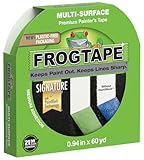
Everyone says FrogTape is the king for sharp lines, and yeah, their ‘PaintBlock’ technology is pretty neat. It swells up when wet paint hits it, creating a better seal. But I’ve also found that if you leave that stuff on too long, the adhesive can become a real pain. It’s a bit of a trade-off. For me, the most important takeaway is that there’s no single ‘magic’ tape. You gotta be smart about it.
Faq: Your Burning Questions About Painter’s Tape and Walls
Can Painters Tape Damage Freshly Painted Walls?
Yes, it absolutely can. Even if the paint feels dry to the touch, it might not be fully cured. Pulling tape off too soon can lift the new paint, especially latex-based paints, which need at least 24 hours to properly adhere. Using a tape with too aggressive an adhesive on a delicate, freshly painted surface is a surefire way to cause damage.
Will Painters Tape Leave Residue on My Walls?
Painter’s tape can leave residue, particularly if it’s old, has been exposed to extreme temperatures, or if it’s a lower-quality brand. High-tack tapes, or tapes left on for extended periods, are also more prone to leaving sticky residue behind. Sometimes, gently rubbing the residue with a microfiber cloth or using a specialized adhesive remover can help, but it’s always best to avoid it by using the right tape and removing it promptly.
Can I Use Painter’s Tape on Wallpaper?
You need to be extremely careful. Standard blue painter’s tape is usually too aggressive for wallpaper and can tear or lift the paper. You should opt for a ‘delicate surface’ painter’s tape, typically green or purple, which has a much weaker adhesive. Even then, it’s a good idea to test it in an inconspicuous area first to make sure it doesn’t damage the wallpaper’s print or integrity.
How Long Can Painter’s Tape Be Left on a Wall?
The general rule of thumb is to remove painter’s tape within 24-48 hours of applying the final coat of paint. Some tapes, like ‘all-weather’ tapes, are rated for up to 7 days, but this is usually for less sensitive surfaces like trim or exterior jobs. Leaving tape on too long allows the adhesive to bond too strongly to the paint or drywall, increasing the risk of damage when removed.
What Is the Best Painter’s Tape for Textured Walls?
Textured walls require tapes with a bit more ‘oomph’ to get a good seal, but you still need to be careful not to pull off the texture. Many high-performance tapes, like some purple or high-adhesion blue tapes with a thicker backing, can work well. FrogTape’s Multi-Surface or Delicate Surface tapes are often recommended because their design helps create a better seal against uneven surfaces. Always test in a small area first.
Real-World Scenarios: When Tape Is a Lifesaver (and When It’s a Nightmare)
Let’s talk practical. I recently helped a buddy repaint his living room. It had these gorgeous, old, slightly textured walls that had been painted a million times. He was worried sick about damaging them. We used a combination of FrogTape’s delicate surface tape along the baseboards and window frames, and standard blue ScotchBlue for the ceiling line. The key was applying it carefully, pressing down firmly but not aggressively with a plastic scraper, and then removing it within about 18 hours. We had zero paint bleed and no damage whatsoever. It looked professional. That’s the ideal scenario: the right tape, applied correctly, removed at the right time.
Now, the nightmare. A few years back, I was helping a landlord with a rental property. The previous tenant had, shall we say, enthusiastically painted the walls with what looked like cheap, flat-finish paint. Then, they’d slapped on some random masking tape, probably to cover up some unknown damage, and left it there for months.
When I went to remove it, the tape basically disintegrated, leaving behind a sticky, gummy mess. And guess what?
It was taking the original flat paint with it. We ended up having to scrape the entire wall surface, prime it, and then repaint. The cost and time involved were astronomical, all because of cheap tape left on too long. It was a brutal lesson.
So, if you’re painting a rental, or a surface you’re not entirely sure about, err on the side of caution. Use the delicate tape. Test it. And for the love of all that is holy, remove it promptly.
Conclusion
So, to wrap it all up, can painters tape damage walls? Yeah, it can, and it has, to me and likely to you too. But it’s not the tape itself that’s inherently evil; it’s how we use it, or misuse it. Understanding the adhesive, respecting the paint’s cure time, and choosing the right tape for your specific surface are the absolute keys to avoiding those heart-stopping moments of peeled paint and torn paper.
Don’t just grab the cheapest roll. Spend an extra couple of bucks on a tape designed for the job. And remember that 24-hour rule – unless the tape or paint specifically tells you otherwise. That little bit of patience will save you a mountain of headaches and repaint jobs down the line. So next time you’re taping, take a breath, assess your wall, grab the right tool, and you’ll be golden.