I learned the hard way, as I usually do. Freshly painted walls, a triumphant feeling, and then… disaster. I’d left the blue stuff on overnight, thinking I was being efficient. Woke up, pulled it off, and the paint came with it. Not just a little peel, but actual chunks of my fresh, expensive paint job were clinging to the tape like a bad ex. So, can you leave painters tape on overnight? It’s not a simple yes or no, and anyone who tells you otherwise is probably trying to sell you something or hasn’t actually done it themselves.
This whole ‘leave it on overnight’ idea is tempting, right? Get the painting done, then hit the hay, and deal with the clean lines in the morning. But the reality is a bit messier, and understanding why is key to avoiding my particular brand of paint-related misery.
The Paint vs. Tape Showdown: What Happens Overnight?
Alright, let’s get down to brass tacks. The biggest myth I’ve encountered is that painters tape is some magical, inert substance that just chills out while your paint dries. It’s not. There’s a chemical reaction, a physical bond, and a whole lot of waiting involved, and time is the enemy here. When you slap painter’s tape on a wall, you’re basically creating a temporary barrier. The adhesive grabs onto both the surface you’re protecting (your trim, your ceiling, your window frame) and the fresh paint you’ve just applied.
Most decent painters tape is designed with a specific adhesion level. It needs to stick well enough to prevent paint bleed-under, but also be removable without damaging the underlying surface or the new paint. This is a delicate balance, and it’s heavily influenced by drying times and ambient conditions. When paint dries, it shrinks and hardens.
The longer that paint is in contact with the tape’s adhesive, especially as it cures, the stronger that bond becomes. Think of it like superglue versus a Post-it note.
Standard acrylic latex paints, the kind most people use for walls, will continue to off-gas and cure for a good while after they feel dry to the touch. This curing process can make the paint film slightly more brittle and more likely to adhere stubbornly to the tape.
My personal horror story? I was painting a rental unit’s kitchen cabinets a rather aggressive shade of teal.
It was late, I was exhausted, and I’d covered all the adjacent white backsplash tiles with that ubiquitous purple tape. I’d done about a third of the cabinets, felt pretty good about myself, and decided to call it a night.
Big mistake. The next morning, eager to see my handiwork, I started peeling the tape. The paint on the cabinets wasn’t just sticking to the tape; it was lifting off the cabinets in long, ragged strips.
The tape, having had all night to bond with the curing paint, had basically become part of the cabinet finish. It looked like a peeling sunburn, but on my brand-new paint job. It took me hours of scraping and repainting, and I ended up using a heat gun on a low setting to get the remaining tape off, which was a whole other level of stress.
So, the simple answer to ‘can you leave painters tape on overnight?’ is: you can, but you shouldn’t if you want clean lines and undamaged paint. The risk of paint peeling is significantly higher after 12-24 hours compared to removing it within a few hours of application.
Choosing Your Weapon: Tape Types Matter
Not all painters tape is created equal. This is where a lot of people go wrong. They grab the cheapest roll they can find, thinking tape is tape. I’ve fallen into this trap more times than I care to admit, usually when I’m trying to save a buck on a big project and end up spending more time (and money) fixing my mistakes. There are different types of tape for different jobs, and leaving the wrong one on too long is a recipe for disaster. The common advice you’ll hear is to use ‘high-quality’ tape, but that’s vague. What does that even mean?
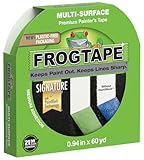
You’ve got your basic blue tape, which is generally okay for short-term use, say, a few hours after painting. Then there’s the green tape, often marketed for delicate surfaces or longer-term protection. This stuff usually has a more aggressive adhesive, which sounds good, but can also mean it sticks too well to cured paint if left too long. And then there’s the gold tape, often called ‘contractor grade’ or ‘trim-specific.’ (See Also: Does Painters Tape Pull Off Paint )
This is usually the best bet for leaving on for longer periods, but even then, ‘longer periods’ usually means 24-48 hours MAX, and that’s if the paint is thoroughly dry. I once tried using a cheap, no-name brand of tape on a big trim job because it was on sale.
It looked fine going on, but when I tried to remove it the next day, it had practically fused with the paint. It left behind adhesive residue that took Goo Gone and a lot of elbow grease to remove, and I still ended up with some paint peeling. Lesson learned: you get what you pay for with tape.
The key is understanding the adhesive. Some tapes use a water-based acrylic adhesive, while others use a rubber-based adhesive. The latter tends to be stickier and more prone to leaving residue or grabbing paint. The backing material also plays a role; some tapes are more porous, allowing moisture and air to escape, which can affect drying and adhesion. For my money, when I absolutely have to leave tape on for more than a few hours, I’ll opt for a mid-range to higher-end tape specifically designed for multiple-day adhesion, like some of the 14-day tapes you can find. But even with those, I’m still a bit nervous about leaving it on overnight if the paint is still remotely tacky.
Here’s a little chart I keep in my head:
| Tape Color/Type | Adhesion Strength | Typical Use Case | Overnight Risk Factor | My Verdict |
|---|---|---|---|---|
| Basic Blue | Medium-Low | Short-term masking (hours) | High (paint peel risk) | Okay for quick touch-ups, avoid for long waits. |
| Green (Delicate Surfaces) | Low | Wallpaper, freshly painted walls (1-3 days) | Medium (can still pull, less risk than blue) | Good for sensitive jobs, but watch it. |
| Purple/Specialty (e.g., 14-day) | Medium-High | Longer protection (up to 14 days) | Low-Medium (best option for extended use) | My go-to when I can’t remove immediately. |
| Tan/Duct Tape (NOT painter’s tape) | Very High | Sealing, heavy-duty repairs | Extreme (will ruin paint and leave residue) | Never, ever, ever use this for painting. Seriously. |
The Great Debate: To Tape or Not to Tape (overnight)?
Look, everyone has their methods, and I’ve seen guys on job sites slap tape down and leave it for days. But here’s my contrarian take: the advice to just leave painters tape on overnight and not worry about it is mostly for people who are painting in ideal, sterile environments with perfectly cured paint and brand-new, high-quality tape. For the rest of us – the DIYers, the weekend warriors, the folks painting older homes with questionable wall surfaces – it’s a gamble. Everyone says, “Just use good tape and you’ll be fine.” I disagree. Even good tape can fail if the conditions aren’t right. The real key isn’t just the tape, it’s the paint’s state of cure and the environment.
The main issue is moisture. If you’re painting in a humid environment, or if the paint isn’t fully dry, that moisture can get trapped between the tape and the paint. This can prevent the paint from curing properly and, ironically, make it more likely to stick to the tape.
Plus, condensation can form overnight, further exacerbating the problem. I once tried to paint a bathroom and left the tape on the trim overnight. It was a humid day, and by morning, the tape was practically welded to the wall, and the paint underneath felt soft and gummy. Peeling it off was a nightmare, and I had to sand down the entire trim to get a smooth surface for repainting.
It took me about four hours to fix a problem that a quick removal would have avoided.
What about those PAA questions? ‘How long can you leave painters tape on?’ The honest answer is, it depends. For most standard blue tapes, I’d say aim for removal within 4-6 hours, or as soon as the paint is dry to the touch and no longer feels tacky. For specialized tapes like green or purple, you might get away with 24-48 hours, but always test in an inconspicuous area first. ‘What happens if you leave painters tape on too long?’ You risk paint peeling, adhesive residue, torn paint, and a whole lot of frustration. It’s like leaving a band-aid on a healing wound for too long; it can do more harm than good.
The common advice is often simplified to make it sound easy. But painting is rarely that easy. It’s a craft that requires attention to detail, and that includes timing your tape removal. The best practice, the one that has saved me the most grief and saved my paint jobs, is to remove the tape while the paint is still slightly flexible but dry to the touch. This usually happens within an hour or two of the final coat, not overnight. If you absolutely must leave it longer, pray for dry weather and use the best tape you can afford.
Practical Application: Real-World Scenarios
Let’s move beyond the theoretical and talk about when you might have to leave tape on longer, or when it might actually be okay. I’ve had situations where I’m painting a large room, and I’ve finished the last wall late at night. The thought of going around and meticulously removing every strip of tape when I’m already dead on my feet is just soul-crushing. In these cases, I’ll typically use a higher-quality tape, like a 14-day tape, and cross my fingers. My goal is to remove it first thing in the morning, not 12 hours later.
One time, I was painting a rental property’s hallway. The client wanted a specific shade of white on the walls and a darker color on the baseboards. I’d done the baseboards first, let them dry for a solid 48 hours, and then started on the walls. (See Also: Does Painters Tape Rip Paint Off Walls )
I got about halfway through the hallway when I realized I was out of the wall color. The paint store was closed, and it was already 9 PM.
I had tape on the freshly painted baseboards, and I knew I wouldn’t be able to get more paint until the next morning. My heart sank. I’d used a decent quality blue tape, thinking it would be fine for a few hours.
Overnight, though? That was the killer.
The next morning, the paint on the baseboards had pulled away from the wall in a few places where the tape had been. It wasn’t catastrophic, but it was noticeable and required touch-ups.
This taught me the hard lesson that ‘a few hours’ and ‘overnight’ are very different beasts when it comes to paint adhesion.
Another scenario: a room with intricate crown molding or detailed trim. Sometimes, you just can’t get to it all in one go.
If you’re painting a ceiling, for example, you’ll tape the top of the wall. If you’re painting walls and then the ceiling, you’ll tape the wall-ceiling joint. If you’re painting trim and then walls, you’ll tape the wall-to-trim edge.
In these situations, I try to remove the tape while the paint is still slightly pliable. I’ll run a utility knife very lightly along the edge of the tape where it meets the painted surface, just to score the paint film. This creates a clean break and helps prevent the paint from lifting with the tape. Then, I’ll pull the tape off at a 45-degree angle.
This technique is a lifesaver, and it works best when the paint hasn’t fully hardened and bonded to the tape over many hours or overnight.
The key takeaway here is to be prepared. Have enough paint, plan your painting sessions so you can remove tape within the recommended timeframe, and always have a utility knife handy. If you’re going to be painting trim, for instance, and know you’ll have to do multiple coats and wait for them to dry, budget the time to remove the tape after each coat, or be prepared to use a tape designed for longer adhesion and perform that scoring trick.
Common Mistakes and How to Avoid Them
This is where I see most people mess up, and it’s usually born out of impatience or a misunderstanding of how paint and tape actually work. Mistake number one, as we’ve hammered home: leaving tape on too long. The common advice about ‘waiting for the paint to dry’ is woefully insufficient. Paint can feel dry to the touch in an hour, but it’s still curing and bonding. Leaving tape on until it’s ‘fully cured’ can take days, and by then, the tape is a permanent fixture.
Mistake number two: using the wrong tape. Grabbing the cheapest roll or using duct tape (please, for the love of all that is holy, do not use duct tape for painting trim) is a cardinal sin. As mentioned, different tapes have different adhesives and backing. You need a tape that’s formulated for your specific surface and paint type. For painted walls, you need a tape that won’t rip the paint off. For delicate surfaces like wallpaper or freshly painted walls that haven’t fully cured, you need tape designed for low adhesion. I once saw a guy use packing tape on a ceiling. The result was… well, let’s just say the ceiling needed a complete skim coat afterward. (See Also: Does Masking Tape Work The Same As Painters Tape )
Mistake number three: not preparing the surface or the tape. Before you even apply tape, make sure the surface you’re taping to is clean and dry. Dust, grease, or moisture can compromise the tape’s adhesion, leading to bleed-under. And for the tape itself, especially if it’s been in storage for a while, sometimes gently stretching it as you apply it can help activate the adhesive. This is a minor point, but it can make a difference. Another common error is not pressing the tape down firmly enough. If there are gaps or loose edges, paint will seep underneath, defeating the purpose of the tape. Run your fingernail or a putty knife along the edge to make sure a good seal.
Mistake number four: pulling the tape off too quickly or at the wrong angle. This is huge. If you rip it off fast, you’re more likely to pull paint with it. Pull slowly and steadily, ideally at a 45-degree angle away from the painted surface.
If the paint is starting to lift, stop. Try scoring the edge with a utility knife. This is a technique that many professionals swear by, and it’s saved my bacon more times than I can count.
It’s about creating a clean break between the paint and the tape. I learned this from an old-timer who was painting my parents’ house years ago. He said, “Son, the tape is a tool, not a promise.” He showed me how to score the line, and it changed my painting game.
Faq: Your Burning Questions Answered
Can You Leave Painters Tape on for 24 Hours?
Generally, yes, if you’re using a quality tape designed for longer adhesion (like green or purple painter’s tape) and the paint is dry to the touch. However, it’s always a riskier proposition than removing it within a few hours. High humidity or very thick paint coats can increase the likelihood of paint lifting or residue being left behind. It’s best to test in an inconspicuous area if possible.
Can You Leave Painters Tape on a Week?
Absolutely not for standard blue painters tape. For specialty tapes designed for long-term use (often marketed as 7-day or 14-day tapes), you might be able to leave them on for up to a week, but this is pushing the limits and depends heavily on the paint’s curing rate and environmental conditions. It’s significantly more likely to cause damage or leave residue. I wouldn’t risk it unless it was a last resort and I was prepared to do touch-ups.
What Happens If You Leave Painters Tape on Too Long?
If you leave painters tape on too long, the adhesive can bond too strongly with the paint. This can result in the paint peeling off with the tape, leaving unsightly marks or torn paint edges. You might also find sticky adhesive residue left behind on the surface, which is difficult to remove without damaging the paint or finish. The longer it’s left, the higher the risk of these issues.
How Long Should Painters Tape Be Left on After Painting?
The ideal time to remove painters tape is after the paint has dried to the touch but is still slightly pliable, usually within 1 to 4 hours of application for most standard interior latex paints. This allows the paint to set without hardening so much that it bonds to the tape. For specialty tapes and certain paint types, this window might extend slightly, but overnight is generally not recommended.
The Bottom Line: When in Doubt, Take It Off
Look, I get it. The idea of finishing a painting project and just leaving the tape on overnight is appealing. Who wants to spend more time on their knees wrestling with sticky tape when they could be relaxing? But based on my years of wrestling with paint, tape, and my own impatience, I can tell you that ‘can you leave painters tape on overnight?’ is a question with a very strong ‘probably not a good idea’ answer for most situations. Unless you’re using a high-quality, multi-day tape specifically designed for the job, and your paint is completely, bone-dry and cured (which is rare overnight), you’re playing with fire.
My own costly mistakes have taught me that a few extra minutes spent removing tape properly, while the paint is still a bit yielding, will save you hours of headache and heartache later. That little scoring trick with a utility knife? It’s your best friend when you have to push the limits. So, next time you’re tempted to leave it on, remember my peeling cabinets and think about the time you’ll spend fixing it. It’s almost always better to take the tape off sooner rather than later, even if it means a bit more effort right after you finish painting.
Conclusion
So, can you leave painters tape on overnight? In a word: no, not if you want to sleep soundly and wake up to perfect paint lines. The risk of paint peeling, residue, and general frustration is just too high. It’s a gamble that rarely pays off. I’ve learned to accept that the best practice is to remove tape while the paint is still slightly tacky but dry, usually within a few hours.
If you absolutely must leave it on longer, use the highest quality tape you can find, ideally one rated for multi-day use, and be prepared to score the edge with a utility knife before pulling it off slowly. But honestly, I’d rather do the extra work upfront than deal with the mess that leaving it overnight can create. Your walls (and your sanity) will thank you.
Next time you’re painting, set a reminder for yourself to remove the tape within a few hours. It’s a small step that makes a massive difference in the final outcome. Save yourself the trouble; take the tape off.