I remember the first time I tried to paint a clean line around a tricky bit of trim in my old kitchen. I’d just bought this fancy, floral-patterned washi tape, thinking it would be just the ticket for a delicate job. Spoiler alert: it was not. It looked pretty, sure, but the paint bled under it like a sieve, leaving me with jagged edges and a whole lot of scraping to do. It made me wonder, can washi tape be used as painters tape?
The short answer is: probably not for what you actually need painters tape for. But let’s not just leave it there, because the world of tapes is a confusing one, and many people end up in the same boat I was in.
So, What’s the Deal with Washi Tape Anyway?
Look, I get the appeal of washi tape. It’s darling. It comes in a million patterns, it’s cheap, and it feels… well, it feels kind of delicate, doesn’t it? It’s made from rice paper, which sounds fancy and natural, and it usually has a pretty low-tack adhesive. This is great for scrapbooking, decorating journals, gift wrapping, or adding a little flair to a plain photo frame. You can stick it on and peel it off without too much fuss, and it usually doesn’t leave residue behind on most surfaces. That’s its primary job: decoration and temporary adhesion for light craft projects.
But let’s talk about painting. When you’re painting, especially around trim, doors, windows, or even just trying to get a crisp edge between two different wall colors, you need a tape that does a few specific things. First, it needs to stick well enough to create a seal. This means it has to have a stronger, more uniform adhesive that can press down and hold tight against the surface.
Think of it like a tiny dam for your paint. If that dam has holes or weak spots, the paint finds them.
Second, it needs to be able to withstand the solvent in the paint. Some paints, especially oil-based ones, can start to break down weaker adhesives and even the tape material itself, causing it to peel or disintegrate.
Washi tape, with its delicate rice paper and often weaker, less uniform adhesive, just isn’t built for this. Its main selling point is its decorative nature and ease of removal on paper or smooth, non-porous surfaces. It’s not designed to create a watertight (or paint-tight, in this case) barrier against liquid paint that’s being brushed or rolled over it. When you press washi tape down, you’ll often find tiny gaps and imperfections in the adhesion, even if it looks smooth. This is where the paint seeps in. And because the paper is so thin and porous, it can get saturated quickly, further compromising the seal.
I once tried using some particularly pretty washi tape to mask off a small area of a wooden shelf I was painting. I figured it would be fine for a tiny section.
Big mistake. The moment the paint touched it, it started to soak through.
By the time I pulled it off, I had a fuzzy, uneven line that looked like I’d painted it freehand after a rough night. It was a nightmare to clean up, and I ended up sanding down the whole shelf to start over.
That little roll of tape cost me about $4, but the time and frustration? Priceless. It really hammered home the fact that certain tools are made for specific jobs, and trying to use washi tape as a substitute for painters tape is like trying to hammer a nail with a screwdriver – you might make a dent, but it’s not going to work well, and you’re likely to damage both the tool and the material.
The adhesive on washi tape is also typically designed to be repositionable and remove cleanly from paper or similar craft surfaces. This means it’s not meant to create a long-lasting, strong bond needed for painting. When you’re dealing with wall paint, which can be thick and sometimes sticky, that weak adhesive just isn’t going to cut it. It’ll lift, it’ll curl, and it’ll let paint under. It’s a recipe for a messy, frustrating redo.
Why Painters Tape Is Actually Painters Tape
Okay, so if washi tape isn’t the answer, what makes actual painters tape so different, and why should you bother buying it? It’s all about the materials and the science behind the adhesive. Standard painters tape, the blue stuff you see everywhere, is designed specifically for masking surfaces during painting projects. It’s generally made from a paper backing – but it’s a much tougher, denser, and less porous paper than what you find in washi tape. This paper is treated to resist soaking through with paint. Think of it as a slightly more absorbent paper towel versus a piece of wax paper. You want the wax paper effect when painting.
The adhesive is the real kicker, though. Painters tape uses a pressure-sensitive adhesive that’s formulated to stick firmly to a variety of surfaces – drywall, wood trim, glass, metal – without being so aggressive that it damages the underlying finish when removed. It creates a reliable seal. This means when you press it down firmly, especially along the edge where you want a clean line, it makes a tight bond that prevents paint from seeping underneath. The tackiness is carefully controlled; it needs to be strong enough to hold but weak enough to pull off cleanly. This balance is key, and it’s something washi tape simply doesn’t have.
There are different types of painters tape, and this is where people get confused. You have your standard blue tape, which is good for most general-purpose painting jobs. Then you have delicate surface tapes, often green or purple, which have an even gentler adhesive for freshly painted walls or delicate wallpapers. And for exterior projects or those needing extra hold, you might use a more heavy-duty exterior tape, which is usually yellow or orange. Each one is engineered for a specific purpose and surface. Washi tape doesn’t fit into any of these categories because its primary function isn’t adhesion for masking paint. (See Also: Does Painters Tape Pull Off Paint )
I learned this the hard way when I was painting my son’s bedroom a few years back. I’d tried using some generic ‘masking tape’ I had lying around – it wasn’t proper painters tape, but it wasn’t washi either. It was some kind of brown paper tape. It looked okay, but the paint bled everywhere.
I was so frustrated I almost gave up. Then I went out and bought actual blue painters tape, properly applied it, and the difference was night and day. The lines were razor-sharp. It cost me maybe $10 for a couple of rolls, but it saved me hours of touch-up work and a ton of aggravation.
That experience taught me that while you can sometimes get away with using a substitute for certain things, when it comes to getting clean paint lines, you really need the right tool for the job.
The difference in adhesive quality is significant. Painters tape adhesive is designed to create a barrier. Washi tape adhesive is designed to stick to paper. It’s a fundamental difference in purpose and performance. Trying to use washi tape as painters tape is fundamentally misunderstanding the properties of both.
When Can You maybe Get Away with It? (hint: Not Really)
So, to directly answer if can washi tape be used as painters tape: For any actual painting project where you need a clean, crisp line, the answer is a resounding no. But are there niche, really, really specific situations where someone might try it and think it worked? Maybe. Let’s be clear, I don’t recommend it, but I can see how someone might think it’s a good idea in a pinch, and then be confused when it goes wrong. This usually involves very specific conditions and extremely low expectations.
Imagine you’re doing a craft project where you’re applying a very thin, water-based paint or even just ink to a non-porous surface like glass or plastic. If you’re trying to create a very simple, broad stripe and you’re okay with a slightly fuzzy edge, you might be able to use washi tape. The idea would be to place it down, press it as firmly as humanly possible, and then very, very carefully apply a thin coat of paint, perhaps even dabbing it on with a sponge instead of brushing. The hope is that the water-based nature of the paint won’t break down the adhesive or soak through the paper too quickly. Even then, you’re rolling the dice.
I tried something similar once when I was decorating a set of plain white ceramic mugs. I used some black washi tape to create stripes, then applied a clear sealant spray over the top. It worked okay because the spray sealant is very thin and water-based, and the ceramic surface is completely smooth. But if I’d tried to paint over it with acrylic craft paint? Forget it. The paint would have seeped under, and the sealant might have reacted with the washi tape adhesive in weird ways. It’s a gamble, and usually not one worth taking if you care about the final look.
The problem is that most people asking if can washi tape be used as painters tape are thinking about actual house painting – walls, trim, furniture. In these scenarios, the paint is often thicker, the surfaces are more textured (even drywall isn’t perfectly smooth), and you need a reliable barrier. Washi tape fails on all these counts. It’s too thin, too porous, and its adhesive isn’t strong or formulated correctly for paint.
So while you might see someone use it for a super basic craft project and claim success, it’s not a substitute for proper painters tape when the stakes are higher, or when you actually want a professional-looking result. It’s like using a tissue to mop up a big spill; it’s absorbent, but it’s going to fall apart and leave you with a bigger mess.
The key differentiator is the seal. Painters tape is designed to create a seal. Washi tape is designed to stick. There’s a big difference in practice.
What to Look for in Actual Painters Tape
Since washi tape is a no-go for real painting jobs, what should you be looking for in painters tape? It’s not as complicated as it sounds, but knowing the options helps.
For most DIYers and general home improvement tasks, the standard blue painters tape is your best friend. It’s affordable, widely available, and works on a variety of surfaces like walls, baseboards, window frames, and even some delicate surfaces if you’re careful.
It typically has a medium-tack adhesive that’s strong enough to hold but gentle enough to remove without damaging most paint jobs (assuming the paint has cured properly). I’ve used the 3M blue tape for years, and it’s rarely let me down.
It’s about $8 for a 1.41-inch by 60-yard roll, which is pretty good value for the peace of mind it provides. (See Also: Does Painters Tape Rip Paint Off Walls )
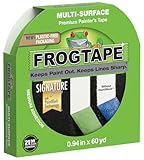
If you’re painting over freshly painted walls, wallpaper that might be a bit fragile, or other very delicate surfaces, you’ll want to step up to a ‘delicate surface’ tape. These often come in green or purple packaging. They have a lower-tack adhesive, meaning they stick less aggressively.
This is important because a regular tape could peel off fresh paint or tear wallpaper. I learned this lesson the hard way when I tried to paint around a textured wallpaper border in a rental property.
The standard blue tape pulled up a corner of the wallpaper, and I had to pay to have it repaired. Switching to the delicate surface tape saved me from further damage. These can be a bit pricier, maybe $12-15 for a similar-sized roll.
For exterior painting or jobs where you need something really solid, you might find yellow or orange tapes. These are usually stronger and can handle outdoor elements or stick better to rougher surfaces like brick or stucco. However, for most indoor home painting, stick with the blue or green/purple options.
When you’re applying any painters tape, the trick is always to press it down firmly. Run your fingernail or a putty knife along the edge to make sure a good seal. This is where the magic happens – creating that barrier against paint bleed. Don’t just stick it on and assume it’s sealed. The adhesive needs to make good contact with the surface. A well-applied tape is more important than the specific brand, though I do find some brands are more consistent than others.
Always check the packaging for what it’s designed for. If it just says ‘masking tape’ and it’s brown paper, it’s probably not what you want for a clean paint line. Look for labels like ‘painters tape,’ ‘trim tape,’ or ‘delicate surface tape.’ The price difference between cheap, generic masking tape and proper painters tape is usually minimal in the grand scheme of a painting project, especially when you consider the time and effort saved on cleanup. Trust me, spending an extra $5 on the right tape will save you hours of headache.
Here’s a quick rundown:
| Tape Type | Color | Best For | Adhesive Strength | My Verdict |
|---|---|---|---|---|
| Standard Painters Tape | Blue | General walls, trim, windows (most common) | Medium | The go-to. Reliable and affordable. |
| Delicate Surface Tape | Green/Purple | Fresh paint, wallpaper, delicate finishes | Low | Key for fragile surfaces. Worth the extra cost. |
| High Adhesion/Exterior Tape | Yellow/Orange | Rough surfaces, exterior use, longer term masking | High | Overkill for most indoor jobs, but necessary sometimes. |
| Washi Tape | Any Pattern | Crafts, scrapbooking, journaling, light decoration | Very Low | Absolutely NOT for painting. Will cause bleed. |
Common Mistakes and How to Avoid Them
The biggest mistake, hands down, is assuming any tape will do the job of painters tape. This is how you end up with fuzzy lines and a lot of frustration. People see a roll of tape and think, ‘It sticks, therefore it’s for masking.’ But the adhesive formulation and the material of the tape backing are incredibly important. Washi tape is the prime offender here, but even some general-purpose masking tapes aren’t designed for the rigors of painting. They might let paint seep through or leave sticky residue behind.
Another common mistake is not preparing the surface properly before applying tape. For painters tape to work its best, the surface should be clean, dry, and free of dust, grease, or loose paint. If you’re taping over old paint, make sure it’s well-adhered. If you’re taping to a glossy surface, a light scuff-sand might improve adhesion (but be careful not to damage the finish). I once tried to tape off a very dusty baseboard, and the tape just wouldn’t stick properly. The paint bled everywhere, and I realized I hadn’t even wiped down the dust first. Rookie mistake.
Improper application is also a killer. Simply pressing the tape down lightly isn’t enough. You need to create a tight seal along the edge that will be exposed to paint. Run your fingernail, a credit card, or a putty knife along the edge firmly. This pushes the tape down, closes any tiny gaps, and helps the adhesive make full contact with the surface. This simple step makes a massive difference in preventing paint bleed. I’ve seen people just slap tape on and expect miracles; it doesn’t work like that.
Finally, waiting too long to remove the tape is a classic error. While painters tape is designed to be removed cleanly, leaving it on for too long, especially after the paint has fully cured and hardened, can sometimes cause the tape to bond too strongly or pull off the new paint. The general rule of thumb is to remove the tape while the paint is still slightly wet or at least not fully hardened.
This allows for the cleanest removal. If you wait until the paint is rock solid, you risk damaging the new paint job. When in doubt, pull it while it’s still tacky.
I made this mistake when painting a ceiling; I got caught up watching TV, and by the time I remembered the tape, the paint was bone dry. Pulling it off tore little chunks of paint with it. Ugh.
The inverse can also be true: pulling it off too soon when the paint is too wet can cause smearing. So, it’s a bit of a timing game, but generally, removing it a few hours after painting, or when the paint is no longer tacky to the touch, is the sweet spot. It takes a bit of practice, but paying attention to these details separates a good paint job from a sloppy one. And it all starts with using the right tape and applying it correctly. (See Also: Does Masking Tape Work The Same As Painters Tape )
Practical Tips for Using Painters Tape
When you’re getting ready to paint and you’re reaching for your tape, here are a few things that make life easier. First, always buy a bit more tape than you think you’ll need. It’s frustrating to run out mid-project, and you’ll often use more than you expect to cover all your trim, edges, or masking needs. A standard roll of 3M blue tape, about 1.4 inches wide and 60 yards long, is a good starting point for most rooms. You can usually get one or two rooms out of a single roll, depending on how much trim you have.
Before you even unroll the tape, make sure your surfaces are clean and dry. Dust, cobwebs, or grease will prevent the tape from adhering properly, leading to paint bleed. I usually give trim and baseboards a quick wipe-down with a damp cloth and let them dry completely before I start taping. It adds maybe five minutes to the prep but saves hours of cleanup later.
When you’re applying the tape, don’t just stick it on and walk away. Press it down firmly, especially along the edge where you want the clean paint line. I use my thumbnail for this, but a flexible putty knife or even an old credit card works well. You want to make sure there are no gaps or air bubbles where paint can seep underneath. Think of it as creating a watertight seal. If you see a bubble, lift the tape slightly and reapply it, pressing it down firmly.
For corners or tricky curves, cut the tape to length. Don’t try to bend and stretch it too much, as this can create weak spots or prevent a good seal. For inside corners, you can usually run the tape straight down. For outside corners, overlap the tape slightly if needed, and always make sure a good press. If you’re dealing with very intricate areas, like detailed molding, you might need to use a finer-width tape or even carefully trim the tape with a utility knife to get the perfect line. Some people even use painter’s tape specifically designed for fine lines, which is narrower.
When it’s time to remove the tape, do it while the paint is still slightly wet or at least not fully hardened. This is key for a clean removal without damaging the new paint job. If the paint is too wet, it can smear. If it’s too dry, it can peel off with the tape.
Generally, waiting a few hours after painting, or until the paint is no longer tacky to the touch, is ideal. Pull the tape off slowly and at a 45-degree angle away from the painted surface.
If you encounter any areas where the paint has seeped under, don’t panic. You can usually clean these up with a fine-tip brush and a bit of the original wall color once everything is dry.
Finally, don’t reuse painters tape. It loses its adhesive tack and can pick up dirt and debris, which will transfer to your surfaces. Always use a fresh roll for each project. It might seem like a small thing, but using fresh, quality tape makes a huge difference in the final outcome. Investing in good tape is like investing in good brushes – it’s a necessary part of getting a professional-looking finish. Remember, the goal is a crisp line, and that requires proper technique and the right materials.
Faq: Is Washi Tape Really That Bad for Painting?
Can Washi Tape Be Used as Painters Tape for Small Touch-Ups?
For small touch-ups where you are painting a tiny area, it’s still risky. The adhesive on washi tape is not designed to create a proper seal against paint, even in small amounts. The paint will likely seep under the delicate paper backing, resulting in a fuzzy or uneven line that’s harder to fix than if you’d used a tiny brush or a specialized fine-line tape. It’s generally better to use a proper painters tape, even a narrow roll, or simply freehand the touch-up with a steady hand and a good brush.
Will Washi Tape Damage Painted Surfaces If I Try to Use It as Painters Tape?
Washi tape generally has a low-tack adhesive, so it’s unlikely to cause significant damage to most properly cured paint finishes. However, on very delicate or freshly painted surfaces, there’s always a small risk. Its adhesive isn’t specifically tested or formulated for the stresses of painting over it and then removing it. While it might not rip paint off like some stronger tapes, it could potentially lift weak paint or leave a faint outline if it reacts with certain paint solvents. It’s always safer to use tape designed for the job.
Is There Any Type of Washi Tape That Might Work for Painting?
No, there isn’t. The fundamental properties of washi tape—its thin, porous rice paper construction and its low-tack, repositionable adhesive—make it unsuitable for use as painters tape. While some washi tapes might have slightly stronger adhesives than others, none are engineered to create the paint-resistant barrier needed for clean lines during painting. The materials themselves are too absorbent and the adhesive isn’t designed to withstand paint contact and maintain a seal. It’s best to leave washi tape for its intended craft and decorative purposes.
What’s the Difference Between Washi Tape and Painters Tape for a Diyer?
For a DIYer, the difference is performance and outcome. Painters tape is a functional tool specifically designed to create sharp, clean lines during painting projects by forming a reliable seal against paint bleed. It’s engineered for adhesion and paint resistance. Washi tape, on the other hand, is primarily decorative and designed for light adhesion on paper or smooth craft surfaces; it lacks the necessary properties for effective paint masking. Using painters tape makes sure a professional-looking finish with minimal touch-up work, while washi tape will almost certainly lead to messy paint bleed and a disappointing result.
Conclusion
So, to circle back to our main question: can washi tape be used as painters tape? The overwhelming, no-nonsense answer is no. While it might be tempting to grab that pretty patterned roll for a quick masking job, you’re setting yourself up for frustration and extra work. Washi tape is for decorating, for scrapbooking, for adding a little flair to your projects where paint bleed isn’t a concern. It’s simply not built to handle paint.
When you need a clean line for painting, you need actual painters tape. Spend the few extra dollars on the right tool. It’s the difference between a professional-looking finish and a weekend project that ends up looking like you painted it in the dark. Stick to blue, green, or purple tape for your painting jobs, and save the washi tape for your crafts. Your walls (and your sanity) will thank you.