I remember the first time I tried to apply vinyl decals to a bumpy, textured wall. I grabbed what I thought was the best option: that ubiquitous blue painter’s tape. Big mistake. It looked okay for a few days, but then the edges started curling, little bits of dust snuck under, and eventually, the whole damn thing peeled off in one corner. I was fuming, staring at this half-ruined project and a roll of tape that cost me more than I care to admit. It made me wonder, can you use masking tape or painters tape best for vinyl? The answer, as with most things in life, is more complicated than a simple yes or no.
It’s easy to get lost in the aisles, staring at rolls of beige, blue, green, and even purple tape, all promising different levels of adhesion and removal. You just want to get your vinyl project done without a hair-pulling session. Trust me, I’ve been there, and I’ve learned a thing or two the hard way.
So, What’s the Deal with Tape and Vinyl Anyway?
Look, when you’re working with vinyl, especially those delicate transfer tape sheets that come with it, you need something to hold it in place while you’re positioning it or working on more intricate designs. The goal is to secure the vinyl without damaging the surface underneath or leaving behind sticky residue.
This is where the tape comes in. But not all tapes are created equal, and throwing just any old roll at your project is a recipe for disaster. I learned this the hard way trying to transfer a large, intricate vinyl logo onto a painted cabinet.
I figured the standard blue painter’s tape would be gentle enough. Wrong. By the time I went to remove it, the tape had bonded so aggressively to the vinyl transfer sheet that it lifted some of the vinyl itself, leaving a jagged edge. Then, of course, there was the faint sticky residue left on the cabinet paint.
Ugh. It looked cheap and sloppy, and I had to start over.
That little screw-up cost me an extra hour and a half and a lot of frustration.
The common advice is often to use painter’s tape because it’s ‘low tack’ and ‘removable.’ And yeah, for some surfaces and some vinyl applications, it might work passably.
But if you’re dealing with delicate vinyl, painted surfaces that aren’t perfectly cured, or you need a truly clean line, painter’s tape can be a gamble. I’ve found that the ‘removable’ claim often depends on how long the tape has been on and what kind of surface it’s adhering to. On smooth, sealed surfaces like glass or a very well-cured enamel paint, it might be fine.
But on matte paint, textured walls, or anything that’s been painted recently, it can pull up paint, leave lines, and generally make a mess. It’s a bit like using a butter knife to slice a steak – it can technically cut, but it’s not the right tool for the job and you’ll end up with torn edges and a less-than-satisfactory result.
Masking tape, on the other hand, is usually more aggressive. It’s designed to hold things down more firmly, often for longer periods, like when you’re painting a room. This means it’s more likely to leave behind a sticky residue, especially on delicate surfaces.
I’ve also had masking tape literally tear through thin vinyl transfer tape, ruining the whole piece. So, if the standard advice is painter’s tape, and masking tape is even stronger, what are we supposed to use?
It’s a question that pops up a lot because people are trying to make do with what they have on hand, and frankly, some tapes are just better suited than others for the specific demands of vinyl application and removal. Understanding the nuances is key to not turning your fun crafting project into a sticky, ripped-up mess.
What to Actually Look for in Tape for Vinyl Projects
So, if the usual suspects can be iffy, what should you actually be reaching for when you’re working with vinyl? You need a tape that balances adhesion with easy, clean removal. For most vinyl applications, especially when you’re transferring cut vinyl onto a surface, the best bet is often called ‘application tape’ or ‘transfer tape.’ This is the stuff that usually comes with your vinyl, or you can buy it separately in rolls.
It’s specifically designed to pick up the vinyl from its backing and help you position it on your project surface, then peel away cleanly without leaving residue or damaging the underlying surface. It typically has a medium tack – sticky enough to grab the vinyl, but not so sticky that it’s a nightmare to remove. (See Also: Does Painters Tape Pull Off Paint )
However, the question is specifically about masking tape or painter’s tape. If you absolutely must use one of those for holding down a stencil or a larger vinyl piece that doesn’t have its own transfer tape, here’s what I’ve learned.
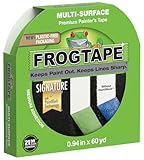
For painted surfaces, even if they’re cured, always go for the lowest tack painter’s tape you can find. Look for brands that specifically mention being safe for delicate surfaces or recent paint.
I tend to lean towards the lighter blue or sometimes the green painter’s tapes. Avoid the heavy-duty, extra-sticky versions. For anything that isn’t painted – like glass, plastic, or smooth metal – you have a bit more leeway.
You can probably get away with a standard blue painter’s tape, but even then, test it in an inconspicuous spot first. I once used standard blue tape on a freshly painted ceramic pot, and while it didn’t pull up the paint, it left a ghostly outline where the tape had been. It was subtle, but annoying.
That’s why I now make it a habit to test any tape, even painter’s tape, on a hidden area before committing it to the main show.
Masking tape is generally a no-go for anything delicate or where you want a clean line. Its adhesive is usually stronger, meant for longer-term hold and rougher surfaces.
If you were masking off a large area around a vinyl sticker to paint a border, maybe. But for direct contact with the vinyl itself or the surface it’s adhering to? Too risky. You’re much more likely to get residue or damage.
The key here is understanding the adhesive. You want something that grips the vinyl layer but doesn’t have the chemical makeup to bond aggressively with paint or other finishes.
It’s about finding that sweet spot. I’ve even seen crafters use specialized vinyl application tape that’s designed for cricut or silhouette machines, and while that’s great, it’s not strictly masking or painter’s tape.
So, if you’re limited to those options, err on the side of caution and always test.
Common Mistakes People Make (and I’ve Made!)
The biggest mistake, hands down, is using the wrong tape for the job and not testing it first. People see ‘tape’ and think, ‘Hey, I’ve got tons of this blue stuff, it’ll be fine.’ Then they slap it on, and suddenly they’ve got paint peeling off, vinyl ripped, or a sticky residue that’s harder to remove than a stubborn toddler. I made this mistake when I was trying to create a stencil effect for a wall mural.
I used what I thought was low-tack painter’s tape, but it must have been an older roll, or maybe the paint on the wall was more sensitive than I realized. When I pulled the tape off, it took a chunk of the underlying paint with it, leaving a jagged, ugly line where I needed a crisp edge. It looked amateurish and completely ruined the effect I was going for. I was so frustrated I almost painted the whole wall over.
Another common blunder is leaving the tape on for too long. Painter’s tape, especially, can start to bond more aggressively over time, particularly in warmer or more humid conditions.
That ‘easy removal’ window can shrink without you realizing it. So, if you’re using painter’s tape as a temporary holder for vinyl elements, try to remove it as soon as possible after you’ve secured the vinyl. Don’t leave it on for days or weeks. I’ve also seen people apply too much pressure when taping down vinyl that’s already on transfer tape. (See Also: Does Painters Tape Rip Paint Off Walls )
You don’t need to burnish the tape onto the vinyl like you’re trying to permanently fuse them. You just need enough adhesion to hold things steady.
Too much pressure can make the tape incredibly difficult to remove without damaging the vinyl itself.
And let’s not forget the residue issue. People assume ‘removable’ means ‘residue-free,’ and that’s often not the case, especially on certain surfaces.
Then they end up trying to scrape off sticky gunk, which can scratch the surface or damage the vinyl. A little bit of Goo Gone or isopropyl alcohol usually does the trick for residue, but again, test that on your surface first!
The temptation to just grab what’s closest and get the job done is strong, but those shortcuts almost always lead to more work and a less professional-looking finish. It’s like trying to save a few bucks by buying the cheapest drill bit and then finding out it can’t even punch through drywall – you’ve just wasted money and time.
Real-World Use Cases: When Tape Is Your Friend (and Foe)
Let’s break down when you might actually reach for masking tape or painter’s tape in a vinyl project and when you should absolutely avoid it like the plague. For delicate projects where the vinyl itself needs to be transferred from its backing to another surface (like applying a wall decal), you generally want to avoid standard masking or painter’s tape altogether. This is where dedicated transfer tape is your best friend. It’s clear, has the right amount of tack, and is designed for this specific purpose. Trying to use regular tape here is like trying to use a spatula to apply fine eyeliner – the tool is all wrong.
However, there are niche scenarios. Imagine you’re using vinyl as a stencil for painting. You’ve cut your design out of vinyl, and now you need to stick it to your surface. Here, the vinyl is the stencil.
You might use painter’s tape to secure the edges of the vinyl stencil, especially if it’s a larger piece or if you’re worried about it lifting during the painting process. In this case, the tape isn’t touching the paint you’re applying; it’s just holding the vinyl down. Even then, I’d use the lowest tack blue painter’s tape possible.
I did this for a geometric pattern on a dresser, and it worked pretty well. I used the blue tape to reinforce the edges of the vinyl stencil, and it held firm during painting without pulling up the underlying paint when I removed the vinyl.
The key was that the vinyl stencil was already adhering well to the surface.
Another situation might be temporary positioning. Say you’ve got a large vinyl graphic and you need to hold it in place while you work on another section. You could use painter’s tape to tack down a corner or an edge.
But again, be super mindful of the surface. On glass or a very smooth, sealed metal surface, it’s usually fine. On painted walls, wood, or anything with a matte finish, you’re playing with fire.
Masking tape is almost never appropriate for direct contact with vinyl you’re trying to apply or remove. Its aggressive adhesive is too likely to damage the vinyl or the surface. I once tried to use masking tape to hold down a large vinyl banner outdoors on a slightly warm day, and when I pulled it off, it had basically melted into the vinyl and left a sticky, gooey mess that I spent an hour trying to clean with mineral spirits. That was a hard lesson learned.
Here’s a quick rundown: (See Also: Does Masking Tape Work The Same As Painters Tape )
| Tape Type | Best For Vinyl Use Cases | Potential Problems | My Verdict |
|---|---|---|---|
| Standard Blue Painter’s Tape | Temporary positioning on smooth, sealed surfaces (glass, metal). Securing edges of vinyl stencils (use low tack). | Can leave residue, pull up paint (especially matte/recent), tear thin vinyl. Adhesion increases over time. | Use with extreme caution. Always test. Better than masking tape for delicate surfaces, but still risky. |
| Masking Tape (Brown/Tan) | Rarely for direct vinyl application/removal. Maybe for securing large, non-delicate vinyl sheets in industrial settings where residue is less of a concern. | High residue, strong adhesive likely to damage vinyl or surface, can melt in heat. | Avoid for most craft/home vinyl projects. Too aggressive. |
| Low-Tack Specialty Painter’s Tape | Securing edges of vinyl stencils on painted surfaces. Temporary holding on delicate painted walls (if tested). | Still a small risk of residue or pulling paint, though much lower than standard. | Your safest bet if you must use painter’s tape on painted surfaces. Test extensively. |
| Dedicated Vinyl Transfer Tape | Transferring cut vinyl from backing to surface. Positioning and applying vinyl decals. | Can be too sticky or not sticky enough depending on quality and vinyl type. | The gold standard. Designed for the job. Worth the investment. |
Can You Use Masking Tape or Painters Tape Best for Vinyl? The Verdict
If you’re asking whether masking tape or painter’s tape is the best way to apply vinyl, especially decals or intricate designs, the blunt answer is: No. They are not the best. They are often a gamble. The best tool for the job is almost always dedicated vinyl transfer tape. It’s designed for the specific task of picking up vinyl from its backing, allowing you to position it precisely, and then peeling away cleanly without damaging the vinyl or the surface you’re applying it to. I’ve wasted enough money on ruined vinyl and paint jobs to know that sometimes, you just have to buy the right tool.
However, I understand the reality of crafting. Sometimes you’re in the middle of a project, and you just need to hold something down temporarily, or you’re using vinyl in a different way, like as a stencil. In those specific, limited cases, painter’s tape can be used, but with significant caveats.
You absolutely must use the lowest tack version you can find, and you MUST test it on an inconspicuous area first. I’m talking about the light blue or green rolls that scream ‘delicate surfaces.’ Masking tape, with its stronger adhesive, is almost always a bad idea for direct contact with vinyl you want to keep pristine or a painted surface you don’t want to damage.
The risk of residue, tearing, or pulling up paint is just too high. I learned this lesson the hard way when I tried to use masking tape on a piece of car wrap vinyl, and it left a sticky mess that took hours to clean.
My advice? If you can afford it, buy the proper transfer tape. If you absolutely have to use painter’s tape, proceed with extreme caution and test, test, test.
Frequently Asked Questions About Tape and Vinyl
Can Painter’s Tape Ruin Vinyl?
Yes, certain types of painter’s tape can damage vinyl. If the tape has too strong an adhesive, it can bond too aggressively with the vinyl transfer tape or the vinyl itself. When you try to remove the painter’s tape, it might tear the vinyl, lift it unevenly, or leave behind sticky residue that’s difficult to clean without further damaging the vinyl’s surface.
Is Masking Tape Too Strong for Vinyl Projects?
Generally, yes. Masking tape is designed for stronger adhesion and longer-term hold compared to painter’s tape. Its adhesive is more likely to leave sticky residue on vinyl or the surface it’s applied to, and it can also be strong enough to tear or damage the vinyl itself during application or removal.
What Is the Best Tape for Applying Vinyl Decals?
The best tape for applying vinyl decals is dedicated vinyl transfer tape. This tape is specifically designed to pick up vinyl from its backing paper, allow for precise placement on the application surface, and then peel away cleanly, leaving the vinyl decal behind without residue or damage to either the decal or the surface.
Can I Use Regular Tape (like Scotch Tape) for Vinyl?
Regular clear tape (like Scotch tape) is generally not recommended for vinyl projects. While it’s not as aggressive as masking tape, its adhesive can still leave residue, and it may not have the right tack to pick up or hold vinyl securely during the application process, potentially leading to wrinkles or incomplete transfer.
What If Painter’s Tape Leaves Residue on My Vinyl or Surface?
If painter’s tape leaves residue, try using a product specifically designed for adhesive removal, like Goo Gone or a citrus-based cleaner. For painted surfaces, a mild solution of dish soap and water can sometimes work, but always test any cleaning solution on an inconspicuous area first to make sure it doesn’t damage the paint or the vinyl. Isopropyl alcohol can also be effective, but use it sparingly and test first.
Final Thoughts
So, to wrap this up: can you use masking tape or painters tape best for vinyl? Honestly, if you want the best results and the least amount of headache, the answer is a resounding no. Those tapes are often a compromise, a gamble you take when you don’t have the right tool. I’ve learned the hard way that investing in proper vinyl transfer tape is the single best thing you can do for clean, professional-looking vinyl projects.
If you’re forced to use painter’s tape for a specific reason, like holding down a vinyl stencil for painting, opt for the lowest tack variety you can find and always, always, always test it on a hidden spot first. Masking tape is usually too aggressive and can cause more problems than it solves. It’s better to spend a few extra bucks on the right tape than to spend hours fixing a botched job. Trust me on this one.
My final advice? When in doubt, err on the side of caution. If your project is important, or the surface is delicate, don’t risk it with the wrong tape. Go for the stuff designed for the job, and you’ll save yourself a world of frustration and likely get a much better outcome.