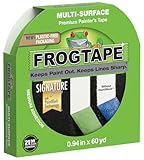
I swear, I almost threw a whole roll of Frog Tape across the garage the other day. It was supposed to be the good stuff, the stuff that promises crisp lines and no bleed-through. But after I pulled it off, the paint line looked like a topographical map of the Swiss Alps. This whole mess got me thinking: can painters tape get too old? Absolutely. And it’s not just about age; it’s about how you treat it. I’ve wasted more money on rolls that promised the moon and delivered a sticky, paint-bleeding mess than I care to admit. Let’s get real about what actually works and when your tape is past its prime.
That Sticky Situation: Why Age Is a Real Factor
Look, tape isn’t magic. It’s basically paper with a sticky backside, and that sticky backside is where all the drama happens. Over time, the adhesive on painters tape changes. It’s not like a fine wine that gets better with age; it’s more like milk – it goes off.
The chemical compounds in the adhesive break down. This means it can become less sticky, which is bad enough, but it can also become too sticky, or worse, gummy and impossible to remove cleanly.
I’ve had rolls that felt like they’d fused with the cardboard core, requiring a chisel to get a usable strip. On the flip side, I’ve also grabbed a roll that’s sat in the heat too long, only to find the adhesive has dried out and barely sticks to anything, let alone a paintable surface. This is precisely why knowing if can painters tape get too old is a legitimate concern for anyone with a paintbrush in their hand.
Think about it: the adhesive is designed to create a temporary bond. This bond needs to be strong enough to hold the tape in place and prevent paint from seeping underneath, but weak enough to be removed without damaging the underlying surface. Exposure to heat, cold, humidity, and even just sitting in a drawer for years can disrupt that delicate balance.
I once found a roll of what I thought was decent tape in the back of my dad’s workshop. He’d probably had it for close to a decade.
It looked fine, the paper wasn’t brittle, but when I tried to use it, it was like trying to peel dried snot off a window. It ripped, it left a residue that felt like melted plastic, and the paint bleed was so bad I had to repaint half a wall. Lesson learned: just because it’s tape doesn’t mean it’s immortal.
The type of tape also plays a role. High-performance tapes designed for delicate surfaces or specific applications might have more sensitive adhesives that degrade faster. Cheaper, general-purpose tapes might be more forgiving, but they often have their own set of problems, like being too aggressive and ripping off paint when you try to remove them, regardless of age. My personal rule of thumb? If a roll of tape is older than my last major DIY disaster, it’s probably time to retire it. The risks of a ruined paint job and wasted time far outweigh the cost of a new roll.
What to Look for: Signs Your Tape Has Seen Better Days
So, how do you spot a dud before it ruins your day? It’s not always obvious, and sometimes you only find out when you’re halfway through a project. But there are tell-tale signs. First, the feel of the adhesive.
If you peel a tiny bit off the edge, does it feel super slick and almost greasy? That’s usually a sign the plasticizers in the adhesive have started to break down, making it overly sticky and prone to leaving residue. On the other hand, if it feels dry and crumbly, or barely tacky at all, the adhesive has probably dried out.
It won’t stick properly, leading to those dreaded paint leaks. I experienced this firsthand when I was trying to tape off baseboards in a room that had been sitting empty and un-air-conditioned for a couple of summers. The tape felt brittle and had zero adhesion. The paint went everywhere.
About $50 in paint and three hours of touch-up work later, I finally understood the importance of fresh tape.
Visually, check the roll itself. Is the paper part discolored?
Sometimes it turns a brownish or yellowish hue, which can indicate degradation. If the edges of the tape are lifting or curling off the core on their own, that’s another bad sign.
It means the adhesive is losing its grip, not just on the surface you want to paint, but on itself. I also pay attention to how the tape unrolls. If it tears easily or shreds as you pull it off the roll, even before it’s applied, the paper backing might be compromised, or the adhesive is so unevenly distributed it’s creating weak points.
This often happens with older, cheaper tapes. My go-to brands are usually a bit more expensive, but the consistency is worth it. When I’m buying tape, I try to buy from stores that have a good turnover, so I know the stock isn’t ancient. (See Also: Does Painters Tape Pull Off Paint )
The packaging can offer clues, too. While not foolproof, if the tape is in a faded or damaged box, it might have been stored improperly. Extreme temperatures – think hot attics or freezing garages – are the enemies of adhesive. I’ve learned to be wary of tape that’s been sitting in direct sunlight on a shelf. While it’s hard to know exactly how long a roll has been on the shelf, the physical condition of the tape and its packaging are your best indicators. It’s a bit like buying eggs; you look at the expiration date, but you also give them a quick once-over. For tape, you’re doing a similar visual and tactile inspection.
Common Mistakes That Make Tape Fail (besides Age)
Age isn’t the only villain here. People make so many dumb mistakes with painters tape that it drives me nuts.
One of the biggest is assuming any tape will do. You’ve got delicate wallpaper, you grab the first roll of blue tape you see. Wrong.
There’s tape for delicate surfaces, tape for general use, tape for high-temperature jobs, and tape for exterior work. Using the wrong type is like trying to build a house with a butter knife. I once tried to tape off a freshly painted, water-based latex wall to repaint the trim. I grabbed the standard green tape, thinking it was all the same.
Big mistake. When I pulled it off, it took chunks of the wall paint with it. Left me with a jagged mess that needed hours of patching and repainting. The tape was technically fresh, but it was the wrong tool for the job.
Always read the package. Seriously, just read it.
Another classic blunder is improper application. People slap it on, press it down with a finger, and call it good. Nope.
You need to burnish the edge. That means firmly pressing down the edge of the tape where it meets the surface you’re painting. I use a plastic putty knife or a dedicated tape burnisher tool. The goal is to create a seal.
If there are tiny gaps, paint will inevitably seep through. And for the love of all that is holy, don’t leave the tape on too long after painting. Most latex paints need to be removed while the paint is still slightly wet or within a few hours.
If you let it cure completely, the tape can bond to the paint, and when you pull it off, you’ll get that hideous jagged line I mentioned earlier. I’ve seen pros do this, and it’s infuriating.
Remove it when the paint is dry to the touch but not fully hardened.
Then there’s the storage issue, which ties back to age. People leave rolls in hot cars, in damp sheds, or just toss them in a toolbox with solvents and sharp objects. Heat causes the adhesive to break down and can make it ooze. Moisture can degrade the paper backing. Sharp objects can puncture the tape, creating weak spots. Storing tape in its original packaging, in a cool, dry place, away from direct sunlight, is key to extending its usable life. It doesn’t have to be a climate-controlled vault, but your garage in August might as well be one if it’s baking.
Real-World Use: When Fresh Tape Is a Must
There are certain jobs where using old, questionable tape is just asking for trouble. For starters, anytime you’re painting over expensive or freshly painted surfaces.
If you’ve just spent a small fortune on a designer paint color or a high-end finish, the last thing you want is for your tape job to ruin it. That’s when you go for the freshest, highest-quality tape you can find, specifically designed for delicate surfaces if needed.
I learned this the hard way when I was painting a feature wall in my living room with a deep, rich navy. The wall was already painted a light cream. I used a mid-grade blue tape that I’d had for about a year. When I pulled it off, there was a faint but noticeable blue smudge on the cream wall where some adhesive had transferred. (See Also: Does Painters Tape Rip Paint Off Walls )
It wasn’t a full bleed, but it was enough to make me want to scream. A quick clean-up with a mild solvent removed it, but the panic was real. That’s when I decided I’d never skimp on tape for important jobs.
Exterior painting is another area where tape age and quality matter. Outdoor conditions are harsher – UV rays, temperature fluctuations, and moisture.
A tape that’s past its prime will likely fail, leading to paint bleeding onto siding, window frames, or other surfaces you were trying to protect. This means more cleanup, potential damage to the exterior finish, and a generally unprofessional look. I recently helped a friend paint his house trim, and we used a specific exterior tape. Even though it was relatively new, we noticed that in spots where the sun hit it directly for hours, it started to get a bit gummy.
We learned to remove it before the hottest part of the day. Had it been older tape, I shudder to think what would have happened.
When precision is most important, like in creating sharp geometric patterns or detailed architectural features, the integrity of the tape is everything. Old tape can be uneven, have inconsistent adhesion, and might not create the clean barrier needed.
This results in fuzzy lines and the need for meticulous touch-up work, which defeats the purpose of using tape in the first place. I once attempted a multi-color geometric mural on a bedroom wall.
I used brand new tape for the design, and it performed beautifully. But I had a few leftover strips from a previous project that I thought I’d use on a small section.
Those strips bled like crazy, leaving me with a smeared mess that took me an extra hour to fix. It was a stark reminder that for demanding applications, freshness and quality aren’t optional.
How to Store Tape for Maximum Lifespan
Alright, so we’ve established that tape doesn’t last forever, but we can certainly help it along. Proper storage is key to making sure your tape is ready when you are, and that it performs as expected. The golden rule, which I’ve mentioned but is worth hammering home, is cool and dry. Think of it like storing your paint cans – away from extreme heat or cold. Garages can be brutal. If your garage hits 100°F in the summer or dips below freezing in the winter, that’s not ideal for tape. A climate-controlled basement or an interior closet is far better. I keep my tape rolls in a plastic bin in my basement, which stays at a fairly consistent temperature year-round.
Keep it out of direct sunlight. UV rays can degrade the adhesive over time. So, leaving rolls on a workbench that gets sun exposure is a no-go.
Also, try to store it in its original packaging, or at least protect the edges. The cardboard core can absorb moisture, and the edges of the tape are the most vulnerable part. If you have rolls left over, I usually put them back in their cardboard boxes or wrap them in a plastic bag. This prevents dust and debris from sticking to the adhesive edge.
I’ve seen people just toss rolls into a toolbox, and inevitably, sawdust, metal shavings, or other gunk ends up stuck to the sticky side. It’s a recipe for disaster.
When it comes to longevity, it’s also about rotation. If you buy multiple rolls, try to use the oldest ones first. This sounds obvious, but in the chaos of a DIY project, it’s easy to just grab the first roll you see. Labeling your tape with the purchase date can be a helpful strategy if you have a lot of stock. Most manufacturers will say their tape is good for at least a year, sometimes two, if stored properly. I’ve had tape that’s held up reasonably well for about 18 months to two years under good conditions. Beyond that, I start getting suspicious and perform a small test patch before committing to a big job.
My Tape Test: A Quick Field Guide
Before I commit a roll of tape to anything remotely important, I do a quick test. It’s simple, takes about 30 seconds, and has saved me a lot of headaches. First, I’ll peel off a strip, maybe about a foot long.
I’ll look at the adhesive. Does it look uniformly tacky? (See Also: Does Masking Tape Work The Same As Painters Tape )
Is it stringy or gummy? Does it feel like it’s dried out?
If any of those are a ‘yes,’ I’m immediately suspicious. Then, I’ll stick that strip onto a scrap piece of wood or drywall that I don’t care about.
I’ll press it down firmly, trying to mimic how I’d apply it on a real project. After letting it sit for a minute or two, I’ll try to peel it off. How does it come off? Does it lift cleanly?
Does it leave any residue? Does it rip the surface it’s stuck to (if it’s a delicate surface)?
If the tape sticks well, creates a good seal, and peels off cleanly without residue, it’s probably good to go. If it falls off immediately, or if it leaves a sticky mess that’s hard to remove, or if it rips the surface, it’s garbage. Don’t even think about using it. I’ve got a small scrap of plywood in my workshop that I use for this purpose.
It’s got a few layers of primer and paint on it, so it mimics a finished surface pretty well. It’s not a perfect test for every situation, but it’s a good general indicator. I’ve found that cheaper tapes are much more likely to fail this test, especially if they’re older or haven’t been stored perfectly.
Good quality tape, even if it’s a year or two old, usually passes with flying colors if it’s been reasonably well cared for.
If you’re really unsure, especially with a high-stakes job, just buy new tape. Seriously. The cost of a new roll of decent painters tape is usually less than the cost of paint, primer, and the hours you’ll spend fixing a botched job. I’ve learned this lesson over and over. It’s frustrating to have to buy new tape when you think you have usable tape, but trust me, it’s cheaper in the long run. The peace of mind knowing you’ve got a reliable product for your project is worth the small investment.
Can Painters Tape Get Too Old?
Yes, painters tape can absolutely get too old. The adhesive on the tape degrades over time, especially when exposed to heat, humidity, or direct sunlight. This degradation can lead to the tape becoming less sticky, too sticky and gummy, or drying out and losing its tack altogether. An aged roll can result in poor adhesion, paint bleed-through, and difficulty in removing the tape cleanly, potentially damaging your surface.
How Long Does Painters Tape Last?
When stored properly in a cool, dry place away from direct sunlight, good quality painters tape can last for at least one to two years. However, performance can start to degrade after about 12 months. Factors like temperature fluctuations, humidity, and improper storage can significantly shorten its lifespan. Always test a small section if you’re unsure about a roll’s age and condition.
What Happens When Painters Tape Gets Old?
When painters tape gets old, its adhesive properties change. The tackiness can decrease, making it not stick well, or it can become overly sticky and leave a gummy residue upon removal. The paper backing can also become brittle or degrade. This leads to common problems like paint bleeding under the tape, the tape not adhering properly to the surface, and difficulties in removing the tape cleanly, often leaving behind adhesive remnants or even pulling paint off the surface.
How Can I Tell If My Painters Tape Is Bad?
You can tell if your painters tape is bad through a few indicators. Visually inspect the roll for discoloration or if the edges are peeling or curling. Tactilely, the adhesive might feel overly greasy, dry and crumbly, or have very little tack. If the tape tears easily or shreds when unrolling, that’s another sign. The best way to be sure is to test a strip on a scrap surface; if it doesn’t adhere well, leaves residue, or is difficult to remove, it’s bad.
Final Thoughts
So, to answer the burning question: can painters tape get too old? The simple, blunt answer is yes. It’s not a product that improves with age. Think of it as a perishable good for your DIY arsenal. I’ve learned the hard way that cutting corners on tape is a false economy. The frustration, wasted time, and potential for a botched paint job just aren’t worth it.
Before you tackle that next painting project, take a moment to check your tape. Give it the sniff test, the visual check, and if you’re still on the fence, do a quick test strip on some scrap material. Better safe than sorry is my motto when it comes to tape.
Next time you’re at the hardware store, grab a fresh roll or two, and store them properly. Your walls (and your sanity) will thank you for it.