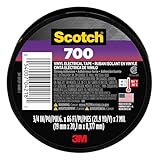
So, the exhaust on my old Honda Civic decided to let out a rather dramatic hiss one morning. Not the good kind of hiss, the ‘I’m about to fail inspection and possibly detach itself’ kind of hiss. My first thought, like a lot of folks who’ve been there, was: can I use electrical tape on my exhaust? I mean, it’s tape, it’s sticky, it insulates, right? WRONG. Utterly, completely, disastrously wrong.
I’ve seen some questionable DIY fixes in my time, and cheap electrical tape is definitely up there. It’s a go-to for so many temporary fixes around the house, but when it comes to the inferno that is your car’s exhaust system, it’s a recipe for disappointment, melted plastic, and a potential fire hazard. Let’s break down why this seemingly simple idea is a terrible one.
Why Your Bright Idea About Electrical Tape Will Fail Miserably
Look, I get it. You’ve got a hole in your exhaust pipe.
It’s loud, it’s obnoxious, and maybe you’re trying to limp it to the mechanic or just get through your next smog check. You’re rummaging through your toolbox, and there it is: a roll of black electrical tape. It seems like a miracle cure, doesn’t it?
It’s flexible, it sticks, and it’s definitely cheaper than a new exhaust section. But here’s the cold, hard truth: electrical tape is designed for, well, electrical wires.
It’s made to insulate against electricity, not endure the kind of heat and pressure your exhaust system throws at it. We’re talking temperatures that can easily hit 500-1000 degrees Fahrenheit (260-540 Celsius) in normal driving, and can spike much higher during hard acceleration or if there’s a backfire. Electrical tape’s adhesive and the tape itself will melt, degrade, and likely ignite long before your exhaust has even warmed up properly. I once tried a similar ‘hack’ on a leaky radiator hose – similar concept, wrong material.
The tape turned into a gooey, sticky mess within an hour, and the hose ended up bursting worse than before. The exhaust is a whole other beast.
People often confuse the need for a temporary fix with the ability of a given material to withstand the actual conditions. Electrical tape’s primary job is electrical insulation, not thermal or mechanical sealing under extreme stress. The adhesives on standard electrical tape are typically rubber-based or acrylic-based, and they simply cannot handle sustained high temperatures.
As they heat up, they lose their tackiness and structural integrity. The plasticizers in the vinyl tape itself can also start to break down and melt.
So, instead of sealing that hole, you’re just creating a potential fire starter and a bigger mess for yourself down the road. You’re not just wasting your time; you’re actively making the problem worse and creating new, more dangerous ones.
The Actual Science of Exhaust Heat and Pressure
Let’s talk physics for a sec, because this is where the ‘electrical tape on exhaust’ idea really falls apart. An exhaust system isn’t just a passive pipe carrying away burnt gases. It’s a dynamic system operating under significant thermal and pressure fluctuations. Normal operating temperatures are high, as I mentioned, but they’re not constant.
When you accelerate, the combustion process intensifies, and so does the exhaust temperature. When you decelerate, the temperature drops, but the pipe is still hot.
This constant cycle of heating and cooling, along with the vibrations from the engine and the road, puts a tremendous amount of stress on any material trying to seal a leak. Standard electrical tape, made from PVC, is simply not engineered for this environment. (See Also: Can Clear Tape Substitute Electrical Tape )
Its maximum operating temperature is usually around 176°F (80°C), which is ridiculously low compared to exhaust temperatures.
The pressure inside an exhaust system, while not astronomical, is also a factor. It’s enough to push gases out of any weak point.
A flimsy tape job will be blown apart or pushed out of the way. Think about a balloon – even a little bit of pressure can deform it.
Now imagine that pressure happening thousands of times a minute, combined with intense heat. The common advice you might find online from folks who’ve never actually tried this is usually vague, like “use high-temperature tape.” That’s the key. You need something specifically designed to handle both the heat and the pressure.
Trying to seal a hole in your exhaust with electrical tape is like trying to patch a leaky boiler with cling film. It’s not going to end well, and the consequences can be far more severe than just a loud car.
What About Those ‘high-Temperature’ Tapes?
Okay, so maybe you’ve seen some tapes marketed as “high-temperature” or “exhaust repair” tapes. These are a different beast entirely, and it’s important to distinguish them from your standard black electrical tape.
These specialized tapes are usually made from materials like fiberglass or silicone, often impregnated with high-temperature epoxies or sealants. They are designed to withstand significant heat, often exceeding 1000°F (540°C), and to form a rigid, durable patch once they cure. They work by wrapping tightly around the damaged area and then often hardening into a solid, almost ceramic-like material.
I’ve used one of these fiberglass wrap kits on a motorcycle exhaust that had a nasty crack near the muffler. It was a bit messy to apply, requiring careful cleaning and wrapping, and it took a solid 24 hours to fully cure.
But when it was done, it was rock solid and held up surprisingly well for a temporary fix, lasting me a good six months before I could get the pipe replaced. So, the concept of using tape can work, but it has to be the RIGHT tape.
When looking at these exhaust repair tapes, you’ll typically find them in auto parts stores or online. They often come as a kit with cleaning wipes, gloves, and the wrap itself. Read the specifications carefully.
You want something that explicitly states its temperature resistance and suitability for exhaust systems. Some are designed for mufflers, others for pipes. There’s also a distinction between wraps that harden and those that remain somewhat flexible.
For a hole in a pipe, a hardening wrap is generally better because it provides structural support. A flexible tape might still be susceptible to vibration and fatigue. (See Also: Can Bare Wire In Ceiling Be Cover With Electrical Tape )
Don’t be fooled by generic “heat-resistant” tapes; exhaust systems are one of the hottest environments on a car, so you need something that’s built for it.
Here’s a quick rundown of what to look for:
| Type of Tape | Pros | Cons | Verdict for Exhaust |
|---|---|---|---|
| Standard Electrical Tape (PVC) | Cheap, readily available, flexible | Melts easily, adhesive fails, flammable, not designed for heat or pressure | Absolutely NOT. Dangerous and ineffective. |
| Fiberglass/Silicone Exhaust Wrap with Epoxy | High-temperature resistance (often 1000°F+), forms a rigid patch, durable | Can be messy, requires curing time, more expensive than electrical tape, not always permanent | Viable temporary/emergency fix if applied correctly. |
| Metal Exhaust Repair Putty/Paste | Can fill smaller holes and cracks, hardens to a metal-like finish, good for irregular shapes | May not hold up to severe vibration or large holes, requires thorough cleaning and application | Good for smaller leaks and cracks, less so for gaping holes. |
Common Mistakes and Why They Happen
The biggest mistake, hands down, is believing that any tape with adhesive is good enough for an exhaust leak. This stems from a lack of understanding of the extreme conditions an exhaust system endures.
People see it as a simple hole, and electrical tape as a simple patch. It’s a dangerous oversimplification.
Another common error is not properly preparing the surface. Even with the right kind of exhaust repair tape, if you don’t clean the pipe thoroughly – removing all rust, dirt, grease, and old flaky material – the tape or epoxy won’t bond properly. It needs a clean, dry surface to adhere to.
I learned this the hard way trying to fix a small hole in my lawnmower’s exhaust. I just slapped the tape on over some grime, and it peeled off within minutes of the engine starting.
I had to go back, grind away the rust, and clean it with brake cleaner before the specialized putty would stick. It took me about three tries and $30 in materials to get it right.
Rushing the application and curing process is another pitfall. These high-temperature tapes and epoxies often require specific wrapping techniques and significant time to harden. If you don’t wrap it tightly, overlapping generously, or if you try to drive the car before the repair is fully cured, it’s likely to fail. You’re also not just dealing with heat; you’re dealing with vibrations and moisture.
Even if a tape can withstand the temperature, if it’s not flexible enough or strong enough to resist constant shaking, it will crack or peel away. People also sometimes underestimate the size of the leak. A tiny pinhole might be manageable with a putty, but a large crack or a hole the size of a quarter will likely require a more substantial repair, like a full wrap kit.
Real-World Use: When Temporary Becomes Too Temporary
I’ve always been a big proponent of doing things right the first time, but I also understand the need for a temporary fix. I used an exhaust repair wrap on my old pickup truck’s muffler, which had a hole about the size of a silver dollar. The wrap, a fiberglass tape soaked in some sort of epoxy resin, was applied according to the instructions. It hardened up nicely and, to my surprise, lasted for almost a year.
It was quiet, and it passed inspection. However, it wasn’t a permanent solution. The constant heat cycles, vibrations, and exposure to road salt and moisture eventually took their toll. The patch started to show hairline cracks, and the noise gradually returned.
This is the reality of most temporary exhaust repairs – they buy you time, but they don’t replace the integrity of the original pipe. (See Also: Can I Put Electrical Tape On Battery )
The danger with using something like electrical tape is that it gives a false sense of security. You might think you’ve fixed the problem, but you’ve actually created a ticking time bomb. The tape could melt and fall off while you’re driving, potentially causing a fire or becoming a road hazard for other vehicles. Or, it could simply fail, and the exhaust leak could worsen, potentially allowing toxic fumes into the cabin. The fumes from a leaking exhaust can contain carbon monoxide, which is odorless and deadly. So, while the temptation to use electrical tape might be strong, the risks far outweigh any perceived benefit. It’s a band-aid on a gaping wound, and the wound will only get worse.
A Few Practical Tips If You Must Patch
If you’re in a bind and absolutely need a temporary patch, and you don’t have access to proper exhaust repair materials, here are a few things to keep in mind. First, clean the area religiously.
Use a wire brush to get down to bare metal if possible, and then wipe it down with a degreaser or rubbing alcohol. Any contamination will compromise the adhesion.
Second, if you’re forced to use something less than ideal, understand its limitations. For instance, if you have a tiny pinhole and absolutely nothing else, a small piece of high-temperature aluminum foil taped very securely with high-temperature foil tape (like HVAC tape, but specifically rated for high heat) might hold for a very short distance to a low-heat area, but this is highly risky and not recommended. Forget about electrical tape.
The best course of action is always to use a product specifically designed for exhaust repair. These are readily available, relatively inexpensive for what they do, and significantly safer. Look for exhaust repair kits that involve fiberglass wraps and epoxy resins, or exhaust repair putties. They require a bit of elbow grease and patience, but they’re engineered to withstand the heat and pressure.
If your exhaust is leaking badly, especially near the engine or if you suspect fumes are getting into the cabin, do not delay. Get it to a mechanic as soon as possible. Driving with a compromised exhaust system is not only illegal in most places but also dangerous to you, your passengers, and others on the road. The initial cost of a proper repair is far less than the potential cost of an accident or health issue.
Do I Need to Worry About Exhaust Fumes Getting Into the Car?
Yes, absolutely. A leaking exhaust system can allow dangerous fumes, including carbon monoxide, to enter the passenger cabin. Carbon monoxide is odorless, colorless, and can cause dizziness, headaches, nausea, and in high concentrations, can be fatal. If you suspect an exhaust leak, especially if you notice a strange smell inside your car, get it checked immediately by a professional.
How Long Can an Exhaust Repair Tape Last?
This varies greatly depending on the product, the severity of the leak, and driving conditions. A properly applied high-quality exhaust repair wrap can last anywhere from a few months to over a year as a temporary fix. However, it is not a permanent solution and should be treated as a stopgap measure until a proper repair or replacement can be done.
Can I Use Duct Tape on My Exhaust?
No, absolutely not. Duct tape is made with adhesives and materials that will melt and fail almost instantly under exhaust temperatures, just like electrical tape. It offers no real insulation or structural integrity for this application and is also a fire hazard.
Verdict
So, to circle back to that nagging question: can i use electrical tape on my exhaust? The answer is a resounding, unequivocal NO. It’s a dangerous, ineffective, and frankly, stupid idea that will only lead to more problems, melted goo, and potentially a fire. Think of your exhaust system as a high-temperature, high-pressure environment. Electrical tape is designed for a cozy, low-voltage wire bundle. They are not compatible in any universe.
If you’ve got a leak, your best bet is to invest in a proper exhaust repair kit made from materials like fiberglass or silicone, or to bite the bullet and get it professionally repaired. It’s a matter of safety, legality, and avoiding a much bigger headache down the line. Don’t be that person who makes their car louder, smells like burnt plastic, and risks a fire because they chose the wrong tape. Seriously, just don’t.