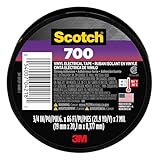
You’ve got a dying remote control, a buzzing flashlight, or maybe even a drone that’s gone rogue. You glance at the battery compartment, see some corrosion, or maybe just a loose connection. Your mind immediately goes to that roll of black tape in the junk drawer. Can I put electrical tape on battery terminals? It’s a question born of desperation and a general “what’s the worst that can happen?” attitude. I’ve been there. I’ve stared at a battery, tape in hand, wondering if this is the DIY hack that saves the day or the quick fix that fries my device. Let’s cut to the chase.
The short answer is… sometimes, but it’s usually not the best idea. It’s a bit like using chewing gum to fix a leaky pipe – it might hold for a bit, but it’s not a permanent solution, and it can sometimes make things messier.
When “good Enough” Is Actually Just Bad
Look, I’m not some purist who believes you can only use a specific, laser-calibrated tool for every single task. I’ve cobbled together more things in my life than I care to admit. I’ve jury-rigged car parts with duct tape, secured bookshelves with zip ties, and even used a bent paperclip to reset a stubborn router. So, when the idea of using electrical tape on a battery first crossed my mind – probably for a cheap set of battery-powered fairy lights that kept flickering – I thought, “Why not?” It’s insulating, it’s sticky, and it’s readily available.
My first attempt involved a couple of AA batteries that were looking a bit fuzzy. I figured I’d just wrap a bit around the positive terminal to sort of “seal” it and make better contact. It seemed to work for about an hour.
The lights stayed on. Success!
Except, the next day, the lights were dead again, and the tape looked… well, it looked like it had melted a little and was oozing a bit. The battery terminals themselves were even gummier than before. This was a wake-up call.
Electrical tape isn’t designed to be pressed directly onto a metal battery terminal that’s expected to conduct electricity continuously. Its primary job is to insulate exposed wires, preventing shorts between them. When you try to use it as a direct conductor or a sealant for corrosion, you’re asking it to do a job it wasn’t built for, and the results are often sticky, unreliable, and sometimes, downright corrosive.
Here’s the kicker: the adhesive on electrical tape, while decent for its intended purpose, isn’t meant for constant, direct contact with the reactive metals found in battery terminals. Over time, the heat generated by current flow, or even just the chemical reaction of a slightly corroded terminal, can break down that adhesive. You end up with a gooey mess that attracts dirt, makes future cleaning harder, and can even create a path for short circuits if it spreads too much. My cheap fairy lights ended up costing me more in wasted batteries and eventually needing to be replaced because the constant fiddling with tape made the battery compartment unusable.
What’s Actually Going on with Battery Terminals?
Before we get too deep into whether electrical tape is a viable battery buddy, let’s talk about what’s actually happening at those little metal nubs. Batteries aren’t just inert metal cans; they’re chemical powerhouses. When you see corrosion – that powdery, bluish-green or white stuff – it’s a sign that some of the battery’s internal chemistry has leaked out and reacted with the air and the metal of the battery casing or terminal.
This isn’t just ugly; it’s conductive in the wrong way. It creates resistance, making it harder for electricity to flow from the battery to your device. Think of it like trying to drink through a straw that’s half-clogged with gunk; the flow is reduced, and it takes more effort.
The common advice you’ll find online is usually about cleaning that corrosion. Most people recommend a paste made from baking soda and water.
You can gently scrub it off with an old toothbrush or a cotton swab. This is generally good advice. Baking soda is a mild alkali that neutralizes the acidic battery leakage, and the water helps to dissolve the resulting salts.
After cleaning, you’re left with bare metal terminals. Now, what’s the best way to protect them and make sure a good connection?
This is where the electrical tape question often resurfaces. Some people suggest wrapping the clean terminal with a bit of tape to prevent future corrosion or to create a snugger fit if the terminal feels a little loose. But, as I learned the hard way, this is a slippery slope.
The problem is, even after cleaning, the battery terminal is still exposed metal. If you slap electrical tape directly on it, you’re introducing an organic, adhesive material onto a surface that’s supposed to be purely conductive. While electrical tape is an insulator, meaning it’s supposed to stop electricity from flowing where it shouldn’t, its long-term stability and compatibility with battery terminals are questionable. (See Also: Can I Use Electrical Tape To Connect Wires )
It’s not designed for this kind of intimate, direct, and potentially high-current contact. The heat, the potential for subtle leaks, and the adhesive breaking down are all factors that can turn a seemingly simple fix into a bigger headache. I’ve seen devices that worked for a while after this “fix,” only to stop working again a week later, with the tape now looking like a melted, sticky mess that’s harder to clean than the original corrosion.
It’s a temporary patch at best, and often, a detrimental one.
The “it Worked for Me” Trap
This is where things get tricky, and why so many people ask, “Can I put electrical tape on battery?” Because, for some, it did work. I’ve heard stories, and I’ve experienced brief successes myself. My neighbor swore by wrapping his old walkie-talkies with electrical tape around the battery contacts to make them last longer.
For a while, they did. He’d pop in batteries, tape ‘em up, and they’d transmit.
But here’s the thing: “working” is a relative term. Did they transmit reliably? Did they transmit at full power?
Or did they just flicker to life for a few hours before succumbing to the same gunk and bad connections, forcing him to re-tape them? In my experience, the “success” is often short-lived and comes with a side of gummed-up terminals.
The real danger isn’t just that it stops working. It’s that it can damage your device or the battery itself.
Imagine wrapping a faulty connection on a car battery with electrical tape. It might seem like it’s holding, but if there’s any moisture or a slight short, the tape can actually trap that heat and moisture, accelerating corrosion or even causing a small fire hazard.
I once tried to fix a wobbly battery in a kids’ toy car with a small wad of electrical tape. It worked for about two days, and then the toy just died. When I opened it up, the tape had basically melted into a sticky goo, and the battery terminals were worse than before.
The toy’s circuit board also had some weird, melted plastic bits around the battery contacts, which I’m pretty sure was a direct result of the tape overheating and degrading. It wasn’t just the batteries that were toast; the whole toy was a write-off. That cost me $40 and a very unhappy kid.
The common advice you see on forums often lacks nuance. People say, “Yeah, just wrap it,” without considering the type of battery, the type of device, the ambient temperature, or the expected current draw. A low-drain device like a remote control might tolerate a poorly applied tape job for a while. A high-drain device like a power tool or a drone? That’s asking for trouble. The heat generated can quickly degrade the tape and its adhesive, turning a supposed fix into a failure. It’s the kind of advice that sounds good in a quick online comment but falls apart in real-world, long-term use. Always question the “it worked for me” testimonials when the stakes are higher than a flickering LED.
When Electrical Tape might Be Okay (and How to Do It Right)
Alright, let’s get controversial. Can you technically put electrical tape on a battery? Yes. Is it always a terrible idea? Not necessarily, but you have to be incredibly careful and understand its limitations. Electrical tape’s primary function is insulation. If your goal is to prevent accidental short circuits or to hold a battery in place where it’s wiggling around and making poor contact without relying on the tape to conduct electricity, it can be a temporary fix. But I want to stress: temporary. And done with extreme caution.
Here’s a scenario: You have a battery pack where several cells are connected in series, and the wires are exposed near the terminals. Or, you have a single battery that keeps popping out of its housing. In these situations, electrical tape can be used around the battery or between batteries to provide an insulating barrier. It’s not about wrapping the terminals themselves to improve conductivity or seal corrosion.
Instead, think of it as a very thin, flexible insulator. If you’re using it to shim a battery that’s a bit loose, wrap a layer or two around the body of the battery, not the terminals. The goal is to make it fit snugly, not to conduct power through the tape. I’ve had to do this with my old cordless drill battery pack; one of the cells was slightly smaller than the others, and it would cause intermittent power loss. (See Also: Can Electrica Tape Catch On Fire )
I wrapped a single layer of electrical tape around the smaller cell’s body, just enough to make it snug against its neighbors. This stopped the wiggling and restored consistent power. It’s held up for over a year now, but I check it periodically.
The key principles here are:
1. Insulation, not Conduction: Never expect the tape to carry current.
2. Cleanliness is Most important: Only do this on clean, dry terminals. If there’s any corrosion, clean it first.
3. Avoid Direct Terminal Contact: If possible, tape the battery casing or create a barrier, not the terminal itself.
4. Use Sparingly: A little tape goes a long way. Overdoing it can trap heat and moisture.
5. Monitor Regularly: Check your work periodically for any signs of degradation, melting, or gooiness.
6. This is a Temporary Fix: It’s a stop-gap, not a permanent solution. The best solution is always to replace corroded batteries or repair faulty devices.
When I consider the question, ‘can i put electrical tape on battery,’ I think about my experience with that drill pack. It worked because I wasn’t trying to force the tape to do something it couldn’t. I was using its insulating properties to solve a mechanical problem. Had I tried to tape over a corroded terminal thinking it would magically fix the connection, I’d have been back to square one, or worse.
Better Alternatives: What to Use Instead
If electrical tape isn’t the hero we want it to be for battery terminals, what should you reach for? Thankfully, there are better, more purpose-built solutions. For cleaning corrosion, that baking soda and water paste is your best friend. A small brush or a cotton swab is all you need. After cleaning and drying, the real question becomes how to protect the terminals and make sure good contact. This is where dedicated products shine.
If you’re dealing with mild corrosion or want to prevent it on something like a car battery or a large appliance battery, a dielectric grease or a battery terminal protector spray is the way to go. Dielectric grease is non-conductive and forms a protective barrier against moisture and air, preventing oxidation without impeding electrical flow.
You just apply a thin layer to the clean terminals and around the cable clamps. Battery terminal protector sprays are similar; they dry to a protective coating.
These are specifically designed for battery terminals and are far more reliable and long-lasting than electrical tape. I picked up a can of battery terminal protector spray from an auto parts store last year for about $7, and it’s been a big deal for keeping my car battery terminals clean and corrosion-free, far better than any hack I tried before.
For securing loose batteries, the best approach is mechanical. If a battery is rattling around in its compartment, it’s often a sign of a cheap device or a slightly undersized battery.
You can use a tiny piece of a plastic shim, a bit of cardboard (though this can degrade), or even a strategically placed bit of Blu-Tack (though heat can make this messy) to fill the gap. The goal is to create a stable, solid fit that maintains constant contact between the battery terminals and the device’s contacts. This is a mechanical solution to a mechanical problem, and it’s far more reliable than relying on an adhesive tape.
I’ve used a small sliver of a plastic credit card to shim batteries in remotes. It’s firm, it doesn’t conduct, and it lasts ages. It’s a simple, effective fix that avoids the potential pitfalls of using tape.
Here’s a quick comparison of common battery terminal treatments:
| Method | Pros | Cons | Verdict |
|---|---|---|---|
| Electrical Tape (Direct Terminal Use) | Readily available, provides some initial insulation. | Degrades over time, adhesive breaks down, attracts dirt, can melt, unreliable for conduction. | Avoid. Risky and unreliable for long-term use. Temporary emergency fix at best, usually makes things worse. |
| Baking Soda Paste (for cleaning) | Cheap, effective at neutralizing corrosion. | Can be messy, requires thorough rinsing and drying. | Excellent. The go-to for cleaning battery corrosion. |
| Dielectric Grease | Excellent electrical insulator, protects against moisture and corrosion, long-lasting. | Can be a bit messy to apply, might attract some dust if not applied cleanly. | Highly Recommended. Ideal for protecting clean battery terminals, especially in vehicles. |
| Battery Terminal Protector Spray | Forms a durable protective coating, specifically designed for terminals, easy application. | Requires a spray can, needs good ventilation during application. | Highly Recommended. A professional and effective solution for preventing corrosion. |
| Plastic Shims/Mechanical Fits | Provides stable, secure battery placement, makes sure consistent contact, no chemical degradation. | Requires finding the right material, might not be suitable for all battery compartments. | Excellent. Best solution for loose batteries; addresses the root mechanical issue. |
Common Mistakes and How to Spot Them
People often dive into using electrical tape on batteries with the best intentions, but they make a few important mistakes that turn a potential quick fix into a disaster. The most common blunder is thinking that electrical tape is a good conductor or a sealant for active corrosion. You see that fuzzy white stuff on your battery terminal and think, “Ah, I’ll just tape over it and seal it up.”
This is the exact opposite of what you should do. Corrosion is a chemical reaction that needs to be neutralized and cleaned off.
Taping over it traps moisture and chemicals, accelerating the breakdown of the tape and potentially causing more damage to the battery and the device. I’ve seen battery compartments where the corrosion, under a layer of degraded electrical tape, had eaten completely through the plastic casing of the device. Not pretty. (See Also: Can I Substitute Duct Tape For Electrical Tape )
Another frequent error is over-applying the tape. You might think, “More tape means better insulation, right?”
Wrong. Electrical tape, especially cheaper varieties, can become brittle or gooey when exposed to heat or prolonged stress.
If you wrap multiple thick layers, especially around a battery that’s generating even a little bit of heat, you can create an insulating barrier that prevents the battery from dissipating that heat effectively. This can lead to overheating, further degrading the tape and potentially damaging the battery. I learned this the hard way with a remote-controlled car battery pack. I wrapped it in what felt like an inch of electrical tape to “secure” some loose connections.
It worked for a bit, but then the car started running slow, and the battery pack felt suspiciously warm. Turns out, the tape was preventing any airflow, and the battery was getting way too hot. It shortened the battery’s lifespan considerably.
Finally, there’s the mistake of assuming all electrical tape is created equal. While most standard vinyl electrical tapes are designed to be insulating, their adhesive properties, flexibility, and heat resistance vary wildly.
A cheap, no-name brand might have an adhesive that breaks down in weeks, turning into a sticky residue that’s a nightmare to remove. Higher-quality tapes, like 3M Super 35 or Scotch 88, are designed for more demanding applications and are more resistant to heat, oil, and abrasion. However, even the best electrical tape isn’t meant for direct, sustained contact with battery terminals. Its purpose is to insulate exposed copper wires, not to act as a structural or sealing component for a chemical energy source.
Understanding the specific limitations of the tape you’re using, and more importantly, the limitations of its intended application on a battery, is key to avoiding these common pitfalls. If you’re unsure, err on the side of caution and find a dedicated battery maintenance product.
Can Electrical Tape Cause a Battery to Explode?
While it’s unlikely that electrical tape alone would cause a battery to explode, it can contribute to hazardous situations. If the tape is used to cover a damaged or leaking battery, it can trap gases or volatile chemicals. In rare cases, especially with rechargeable lithium-ion batteries that are already compromised, improper insulation or short circuits exacerbated by degraded tape could lead to thermal runaway and potential fire or explosion. It’s always best to err on the side of caution with damaged batteries.
Is It Safe to Put Electrical Tape on Corroded Battery Terminals?
No, it is generally not safe or effective to put electrical tape on corroded battery terminals. Corrosion is a chemical buildup that hinders conductivity and needs to be cleaned off. Applying tape over it can trap moisture and chemicals, potentially worsening the corrosion, degrading the tape, and creating a fire hazard. Always clean terminals thoroughly with a baking soda and water paste before attempting any repair or protection.
What Should I Use Instead of Electrical Tape on Batteries?
Instead of electrical tape, you should use products specifically designed for battery terminals. For cleaning corrosion, use a baking soda and water paste. For protecting clean terminals from further corrosion, apply dielectric grease or a battery terminal protector spray. If you need to secure a loose battery, use a non-conductive mechanical shim made of plastic or sturdy cardboard.
How Long Does Electrical Tape Last on a Battery?
The lifespan of electrical tape on a battery is highly variable and generally short-lived. The adhesive can degrade due to heat, chemical exposure from slight battery leakage, and physical stress. In ideal, low-stress conditions, it might last a few weeks. However, in typical use where batteries might experience temperature fluctuations or minor vibrations, it could fail within days or even hours, leading to sticky residue and poor performance.
Conclusion
So, can I put electrical tape on battery terminals? After years of tinkering, I’ve learned that while it might seem like a quick fix, it’s rarely the right one. It’s a bit like putting a band-aid on a broken bone – it covers the problem but doesn’t solve it, and it can sometimes lead to bigger issues down the line with sticky residue and degraded performance.
My advice? Save the electrical tape for its intended purpose: insulating bare wires. When it comes to batteries, especially when you’re dealing with corrosion or loose connections, reach for the proper tools and materials. A bit of baking soda paste for cleaning, some dielectric grease or terminal spray for protection, or a simple mechanical shim for a wobbly battery will serve you far better and prevent headaches. Trust me, your devices will thank you for it, and you’ll avoid that sticky, gooey mess I’ve had to clean up more times than I care to admit.
If you’re still tempted, remember my cautionary tales. It’s usually not worth the risk of damaging your device or just delaying the inevitable problem. Take the extra five minutes, do it right, and get a reliable connection that actually lasts.