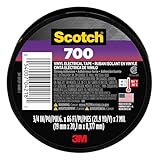
I remember staring up into the dusty abyss of my attic, a tangle of wires looking like some kind of electrical spaghetti. Among them, a section of bare copper glinted back, a tiny spark of panic igniting in my gut. My first thought? Could I just slap some electrical tape on it and call it a day? It’s a question many DIYers face, especially when they stumble upon exposed wiring during renovations or just a routine inspection. The simple answer to ‘can bare wire in ceiling be cover with electrical tape?’ is a resounding ‘no, not as a permanent fix,’ but the ‘why’ is where things get hairy.
This isn’t about cutting corners; it’s about safety and doing things right, even if it means a bit more work. Over the years, I’ve learned the hard way that electrical work, especially in hidden places like ceilings, demands respect and the right materials. Relying on a flimsy fix can lead to more than just a failed inspection; it can lead to a real disaster.
Why Electrical Tape Is Not Your Go-to for Exposed Ceiling Wires
Let’s get this straight from the jump: electrical tape is NOT designed for permanent repairs on exposed wires, especially in a ceiling. I learned this lesson the hard way after a particularly frustrating weekend trying to patch up some old wiring in my first house. I found a spot where the insulation had frayed, exposing about an inch of wire.
My logic at the time was simple: wrap it tight, and it’ll be fine. I grabbed the roll of black electrical tape I always kept in my toolbox and went to town. It looked neat, felt secure enough, and I moved on, feeling pretty proud of my quick fix.
Fast forward about six months, during a sweltering summer heatwave, and I started noticing a faint, acrid smell. Then came the flickering lights.
A quick investigation led me back to that supposedly fixed wire. The tape had dried out, cracked, and melted in places, and a small arc was happening. Thankfully, nothing caught fire, but it was a stark reminder that what seems like a simple solution can be a ticking time bomb.
Electrical tape, at its core, is a temporary insulator. It’s made from PVC (polyvinyl chloride) and is designed to provide a certain level of electrical insulation and mechanical protection for short durations and in protected environments.
Think of it as a band-aid for wires, not a cast. It has a specific voltage rating, which is often lower than you might think, and importantly, it degrades over time, especially when exposed to heat, UV light, or even just the general aging process. In a ceiling, wires can get surprisingly warm, especially if they’re near insulation or in a poorly ventilated space. That heat is the enemy of electrical tape, causing it to lose its elasticity, become brittle, and eventually fail.
The common advice to just wrap it up is, frankly, dangerous if you’re thinking of it as a permanent fix.
There’s also the issue of adhesion. Over time, the adhesive on electrical tape can weaken, especially with temperature fluctuations. This means the tape can loosen, allowing dust and moisture to creep in, which can further degrade the insulation and increase the risk of shorts or corrosion. When you’re dealing with wires in a ceiling, you’re often in an area that’s not easily accessible for regular checks. This lack of visibility makes a temporary fix even more problematic. You might think you’re safe, but you could be leaving a potential fire hazard lurking above your head. The real solution involves proper connectors and insulation materials designed for long-term, reliable use in these conditions.
What You should Be Using Instead: Proper Wire Connectors
Okay, so if electrical tape is out, what’s the right way to fix exposed wiring in a ceiling? This is where proper wire connectors come into play. My go-to, and frankly, what every professional electrician uses, are wire nuts (also known as WAGO connectors or lever nuts, depending on the style). These little marvels are designed to create a secure, insulated connection that’s built to last. They basically encase the stripped ends of wires and provide a solid, insulated housing that’s far more reliable than any tape job.
I remember the first time I used WAGO lever nuts after ditching my tape-happy ways. I was working on a lighting circuit in a tricky spot in the eaves. Instead of fumbling with twist-on wire nuts and struggling to get them tight enough while balancing on a ladder, these lever nuts just snapped into place. It took seconds, felt incredibly secure, and gave me peace of mind that the connection was solid.
They come in various sizes and configurations to accommodate different wire gauges and numbers of wires. The key is to choose the right connector for the job. (See Also: Can I Use Electrical Tape To Connect Wires )
You need to strip the correct amount of insulation off the wire ends so that when you insert them into the connector, the bare wire is fully enclosed within the connector’s housing and no conductive material is exposed.
Using the wrong type or size of wire connector is a common mistake. For instance, using a connector rated for fewer wires than you’re trying to join, or one that’s too large, can lead to a loose connection.
A loose connection is just as bad, if not worse, than exposed wire, as it can create resistance, generate heat, and lead to arcing. Conversely, a connector that’s too small can damage the wire or prevent a secure connection from being made. Always check the packaging for the connector’s specifications regarding wire gauge and the number of wires it can safely accommodate. This isn’t rocket science, but it requires a bit of attention to detail.
The upfront cost of a good set of wire nuts or lever connectors is minimal compared to the potential cost of a fire or electrical shock.
Beyond wire nuts, for more permanent and solid connections, especially in situations where wires might be subject to movement or vibration, crimp connectors and heat-shrink tubing are excellent options. Crimp connectors involve sliding a metal sleeve over the stripped wire ends and then using a special tool to compress, or ‘crimp’, the sleeve, creating a strong mechanical and electrical bond.
Heat-shrink tubing is then slid over the crimped connection and heated, causing it to shrink and form a tight, insulated seal. While these might be overkill for a simple exposed wire in a ceiling, they represent the next level of secure, long-term electrical connections. For the average homeowner dealing with a frayed wire, however, the modern lever nuts are usually the easiest and most effective solution. They make a professional-quality connection accessible to the DIYer without the need for specialized tools beyond wire strippers and cutters.
The Dangers of Exposed Wires and Why Tape Fails
Let’s not sugarcoat it: exposed wires in your ceiling are a serious hazard. The primary risks are electrical shock and fire. Electrical shock can occur if you, or anyone else, comes into contact with the exposed live wire. This is particularly dangerous in an attic or crawl space where you might be standing or kneeling on damp surfaces, which can increase conductivity. Even a minor shock can cause you to fall, leading to secondary injuries. A significant shock can be fatal.
Fire is the more insidious danger. Exposed wires can arc, meaning electricity jumps across the gap between the exposed conductor and another conductive surface (like a metal joist or conduit) or even just through the air. Arcing generates intense heat, often enough to ignite nearby combustible materials like wood framing, insulation, or dust. This can happen silently and without any obvious warning signs until a fire has taken hold. The National Fire Protection Association (NFPA) consistently reports that electrical failures are a leading cause of home fires. Using electrical tape as a fix is basically ignoring the problem and hoping it doesn’t escalate. It’s like putting a flimsy patch on a gaping wound and expecting it to heal itself.
The specific failure modes of electrical tape in this context are important to understand. As I mentioned, heat is a major factor. Most standard electrical tapes have a temperature rating, and if the wire operates above that, the tape will soften, lose adhesion, and its insulating properties will degrade.
Think about the ambient temperature in an attic during summer – it can easily exceed 120°F (49°C). Even in a cooler climate, heat generated by the electrical current itself can push the wire temperature higher. Furthermore, many electrical tapes are not resistant to oils, solvents, or moisture, all of which can be present in an attic environment.
These substances can break down the adhesive and the tape material itself. Over time, the plasticizer in the PVC can leach out, making the tape brittle and prone to cracking, exposing the wire underneath once more, but now with a degraded ‘insulation’ that offers even less protection than before.
I once saw a situation where a builder had used what looked like electrical tape (but was probably just generic vinyl tape) to cover a junction box lid that wasn’t seating properly. Over a few years, the constant slight flexing from the lid settling had caused the tape to fatigue and crack. When a contractor was troubleshooting a fault, they found the tape had failed, and the exposed terminals inside the box were corroded and showing signs of arcing. This wasn’t even in a harsh environment like a ceiling, just a normal wall cavity. (See Also: Can Electrica Tape Catch On Fire )
It hammered home the point that these tapes are not built for sustained, important applications. They are for bundling wires, marking them, or providing very short-term insulation on a non-important circuit, and even then, only under ideal conditions.
A Contrarian View: When might Tape Be a temporary Band-Aid?
Now, here’s where I might ruffle some feathers. Everyone, and I mean everyone, tells you electrical tape is for wires, period. And yes, it has a voltage rating and provides some insulation. But here’s my take: I disagree that it should ever be considered for permanent use, and I’m even hesitant to call it a reliable temporary fix for exposed conductors in a ceiling unless absolutely nothing else is available and you understand the severe limitations. Most people think, ‘Oh, it’s electrical tape, it’s designed for electricity.’ That’s like saying a band-aid is designed for wounds. It covers them, but it doesn’t fix broken bones.
My contrarian opinion is this: Electrical tape’s primary legitimate use in DIY electrical work is for bundling wires together for neatness, marking wires by color (though actual colored wire is better), or providing a very brief, low-voltage insulation for a temporary connection that will be replaced within hours by a proper connector. If you find yourself in a pinch, say you’ve accidentally nicked a wire while moving something in the ceiling and need to prevent an immediate short circuit until you can get to the hardware store, a few tight wraps of good quality electrical tape might buy you that time. But and this is a HUGE ‘but’ you must treat it as an emergency stop-gap, not a solution.
The reason this advice is dangerous is that ‘temporary’ often becomes permanent. People forget, they get busy, or they just don’t see the immediate need to replace it. I’ve seen it happen.
Someone wraps a wire, thinks it’s fine, and then forgets about it for years. The tape degrades, the hazard returns, and now there’s a hidden problem. So, while technically, a high-quality electrical tape might offer a brief period of insulation, the practical reality is that it’s too easy to misuse, too prone to failure, and the consequences of failure are too severe to recommend it even as a temporary solution for exposed wires in a ceiling. My personal experience reinforces this: the one time I relied on it for more than a few hours, it failed spectacularly when I least expected it.
For those who insist on using tape, make sure it’s a premium brand specifically rated for electrical work (like 3M Super 35 or Scotch 88). Apply it in multiple overlapping layers, making sure each layer is stretched taut to create a smooth, smooth finish with no gaps or wrinkles.
The tape should extend at least an inch beyond the exposed area on either side, covering the intact insulation. However, even with these precautions, you are still relying on a material that is fundamentally not designed for the long haul, especially in a location like a ceiling where temperatures can fluctuate and dust can accumulate. It’s a risk I’m no longer willing to take.
The proper connectors are cheap, readily available, and provide a level of safety that tape simply cannot match.
The People Also Ask Section: Answering Your Burning Questions
This section tackles some common questions that pop up when people are dealing with exposed wiring and contemplating the use of electrical tape. It’s often born from a desire for a quick fix, which is understandable, but rarely the best approach.
Can I Use Electrical Tape to Fix a Frayed Wire?
While electrical tape can provide a temporary layer of insulation, it is not a permanent or reliable fix for frayed wires. The tape degrades over time, especially when exposed to heat and UV light, and can lose its insulating properties. For a safe and long-lasting repair, you should always use proper wire connectors like wire nuts or lever connectors to re-establish a secure and insulated electrical connection.
Is It Safe to Cover Bare Wire with Electrical Tape in a Junction Box?
No, it is not safe to use electrical tape as a permanent solution for bare wire in a junction box. Junction boxes are meant to house secure, insulated connections made with appropriate connectors. Electrical tape is a temporary insulator that degrades and can fail, leading to shock or fire hazards. Always use wire nuts or other approved connectors to join wires within a junction box.
What Is the Proper Way to Insulate Exposed Electrical Wire?
The proper way to insulate exposed electrical wire is to use approved wire connectors. For most household wiring, this means using wire nuts (twist-on connectors) or lever nuts. These connectors create a secure mechanical and electrical bond and provide durable insulation. For more specialized applications, crimp connectors with heat-shrink tubing can also be used. Electrical tape is only suitable for very temporary, low-risk applications and should never be relied upon for permanent insulation. (See Also: Can I Substitute Duct Tape For Electrical Tape )
How Long Does Electrical Tape Last on Wires?
The lifespan of electrical tape on wires can vary significantly depending on the quality of the tape, environmental conditions, and the electrical load. However, it is generally considered a temporary solution. In ideal, cool, dry conditions with low electrical load, it might last for a few years. In hot, humid, or poorly ventilated areas like ceilings, or under higher electrical loads, it can degrade and fail within months, sometimes even weeks, losing its adhesion and insulating properties.
Practical Tips for Dealing with Exposed Wiring
When you find yourself staring down a length of exposed wire in your ceiling, panic is a natural first reaction, but it’s not productive. The key is to stay calm and approach it methodically. First and foremost, turn off the power to that circuit at the breaker box. This is a must. You can often identify the circuit by trial and error (flipping breakers until the lights or outlets in the area go dead), or by checking labels on your breaker panel. If you’re unsure, turn off the main breaker, but be aware that this cuts power to the entire house. Safety first, always.
Once the power is off, visually inspect the extent of the damage. Is it a small nick, a complete break, or extensive fraying? Assess the surrounding materials. Is the wire near insulation, wood, or metal? This information will help you determine the severity and the best course of action. If the damage is significant, or if you’re uncomfortable working with electrical components, it’s always best to call a qualified electrician. Seriously, there’s no shame in it. I’ve called them myself for jobs that felt beyond my pay grade, and it saved me a lot of headaches (and potential danger).
If the damage is minor, like a small nick in the insulation, and you’re confident in your skills, the process is straightforward. You’ll need wire strippers, wire connectors appropriate for the gauge and number of wires, and possibly a flashlight or headlamp for illumination. First, use your wire strippers to carefully remove about half an inch to an inch of the damaged insulation, exposing fresh wire.
Then, take your wire nut or lever connector and twist or snap it securely onto the exposed wires, making sure that all bare copper is completely enclosed within the connector. Tug gently to confirm it’s secure.
Then, gently tuck the newly connected wires back into the ceiling space, away from any sharp edges or potential pinch points. Once you’ve completed the repair, turn the power back on and test the circuit thoroughly.
Here’s a quick comparison table to highlight why proper connectors beat tape:
| Feature | Electrical Tape | Wire Nut / Lever Connector |
|---|---|---|
| Insulation Type | PVC (degrades with heat/age) | Plastic (durable, heat-resistant) |
| Connection Security | Poor, adhesive fails | Excellent, mechanical & electrical bond |
| Durability | Low, brittle over time | High, designed for permanent use |
| Ease of Use | Simple wrapping, but prone to error | Requires stripping, but simple to attach |
| Reliability | Low, prone to failure | High, tested and approved |
| Fire Risk Reduction | Minimal, can increase risk when failed | High, secures connection and insulates |
| Verdict | Avoid for exposed wires | Recommended for all repairs |
Remember, any work involving electricity carries inherent risks. If you have any doubts about your ability to perform the repair safely and correctly, do not hesitate to hire a professional. It’s a small price to pay for peace of mind and to prevent a potentially catastrophic failure.
Final Thoughts
So, to circle back to that initial question: can bare wire in ceiling be cover with electrical tape? The honest, no-nonsense answer is that while you can physically wrap it, it’s a terrible idea for anything other than a few hours in an absolute emergency, and even then, you’re playing with fire. The tape will degrade, the connection will become unreliable, and you’ll be left with a hidden hazard that could cause serious damage.
My advice? Ditch the electrical tape for anything beyond bundling wires for tidiness. Invest in a pack of good quality wire nuts or lever connectors. They’re cheap, readily available, and designed for the job. Taking the extra few minutes to make a proper connection will save you a world of worry and protect your home from potential electrical fires.
If you’re ever unsure about exposed wiring, or any electrical repair for that matter, always err on the side of caution and call a licensed electrician. They have the knowledge and tools to make sure the job is done safely and correctly, giving you the best protection against the risks associated with bare wire in the ceiling.