I remember staring at that frayed wire on my old portable fan, sparks spitting like angry fireflies. Panic. My toolbox was a disaster, and all I had within reach was a roll of silver duct tape. The question immediately hit me: can duct tape be used as electrical tape? I’d heard people say it, but the thought of wrapping flammable plastic around live wires felt like a terrible idea. It’s the kind of quick fix that makes you sweat, wondering if you’re about to cause a much bigger problem than you’re solving.
Honestly, for anything beyond a super temporary, low-voltage emergency where safety is already compromised, the answer is a resounding ‘no’. But let’s talk about why and what you might be tempted to do instead.
The Myth: Duct Tape as a Quick Fix
Look, we’ve all been there. Something breaks, and you need a fix now. Duct tape is the go-to for everything from leaky garden hoses to holding together a bumper on the drive home. Its stickiness is legendary, and its strength is undeniable. So, it’s no surprise that the idea of using it for electrical work pops up. People see it as a versatile, almost magical material that can solve any problem. And for a lot of non-electrical fixes, it really can. I once used a strip of it to temporarily patch a hole in my boot before a hike – it held up surprisingly well.
The problem with electrical work, though, is that it’s not just about holding things together. It’s about insulation, heat resistance, and preventing shorts. Duct tape, in its most common form, is made of polyethylene-coated cloth. The adhesive is rubber-based, and the fabric backing, while strong, is not designed to be an electrical insulator.
When you’re dealing with electricity, especially higher voltages or continuous current, that fabric can become a conductor, and the adhesive can degrade or even melt when it gets warm. I learned this the hard way after a particularly ambitious DIY speaker project where I thought duct tape was a clever substitute for proper wire connectors. The smell of melting adhesive and the subsequent pop of a blown fuse were a stark reminder that some materials are just not meant for certain jobs.
The common advice you’ll find online often skirts around the issue, suggesting it’s okay for ‘low-voltage’ or ‘temporary’ fixes. But even then, it’s a risky proposition. What constitutes ‘low-voltage’ for one person might be significantly different for another, and ‘temporary’ can quickly turn into a permanent problem waiting to happen. The real danger isn’t just about the immediate fix; it’s about the potential for a fire hazard or equipment damage down the line. Electricity is not to be trifled with, and using the wrong materials can have serious consequences.
Why Regular Duct Tape Fails Where Electrical Tape Shines
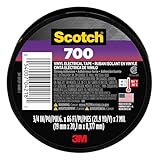
Electrical tape is a specialized product for a reason. It’s made from vinyl, which is a much better electrical insulator than the fabric and plastic of duct tape. The vinyl is flexible, stretches to conform to odd shapes, and importantly, it’s designed to withstand a certain amount of heat and voltage. The adhesive on electrical tape is also formulated to be non-conductive and to maintain its grip over time without degrading. I’ve got rolls of proper electrical tape in my garage that are years old and still perfectly pliable and sticky, ready for when I actually need them. That’s the difference: purpose-built versus general-purpose.
Think about it this way: you wouldn’t use a hammer to screw in a bolt, even though both are tools used for fastening. Duct tape is the hammer of adhesives – strong, versatile, but not precise or suited for delicate tasks like electrical insulation.
The fabric backing on duct tape can absorb moisture, which, as we all know, is a conductor of electricity. So, even if it seems okay at first, humidity or condensation can turn your ‘fix’ into a hazard. Furthermore, duct tape’s adhesive can become brittle and lose its stickiness when exposed to extreme temperatures, either hot or cold. Electrical tape, on the other hand, has a much wider operating temperature range.
I once had to replace an outdoor extension cord that had been poorly ‘repaired’ with duct tape. The sun had baked the adhesive into a gooey mess, and the fabric was brittle and cracked, exposing the wires underneath. It was a fire waiting to happen.
The common advice often glosses over the specifics of voltage and temperature. While a tiny, momentary touch-up on a very low-voltage garden light might technically not cause immediate catastrophe, it’s still a bad habit to cultivate. (See Also: Can I Use Electrical Tape To Connect Wires )
The risk profile changes dramatically when you move to household wiring, car electrical systems, or anything that draws significant current. The heat generated by current flow is a major factor. Electrical tape is designed to handle this, often with specific ratings for voltage and temperature. Duct tape?
Not even close. It’s like using a band-aid to seal a leaky radiator – it might hold for a minute, but it’s not the right tool for the job, and it’s going to fail when you need it most.
Here’s a quick rundown of why they’re worlds apart:
| Feature | Duct Tape | Electrical Tape | Verdict |
|---|---|---|---|
| Material | Cloth-backed, polyethylene coated | Vinyl | Electrical tape is a superior insulator. |
| Adhesive | Rubber-based, can degrade with heat/age | Non-conductive, temperature-resistant | Electrical tape’s adhesive is designed for longevity and safety. |
| Insulation Properties | Poor, can absorb moisture | Excellent, designed for electrical safety | Duct tape is not a reliable insulator. |
| Temperature Resistance | Limited, can melt or become brittle | Designed for a wider range of temperatures | Electrical tape offers more reliable performance. |
| Flexibility | Stiff, can tear | Stretchy, conforms well | Electrical tape is easier to apply neatly and securely. |
When ‘temporary’ Becomes Permanent Trouble
The temptation to use duct tape for electrical work is often driven by urgency. You’re in the middle of a project, something goes wrong, and a roll of duct tape is right there. It feels like a quick win. I once tried to fix a wobbly lamp stand by wrapping duct tape around the base. It looked awful, but it stopped the wobble. Later, when I went to properly repair it, I found the duct tape adhesive had seeped into the wood and left a sticky, impossible-to-clean residue. That ‘temporary’ fix ended up creating a more permanent mess.
This is precisely the mindset that leads people to think duct tape is an acceptable substitute for electrical tape. They see the immediate effect – the wire is covered, the connection is seemingly secured – and they stop thinking. But electricity doesn’t care about immediate effects; it cares about pathways, resistance, and heat. A poorly insulated wire can arc, leading to a fire. The adhesive on duct tape can melt and drip, potentially igniting nearby materials. Or, it can simply fail, exposing the wire and creating a shock hazard. I’ve seen wiring that was ‘fixed’ with duct tape look like a mummified snake, with layers of the silver tape wrapped haphazardly. It’s an accident waiting to happen.
The common advice that it’s okay for ‘low voltage’ is particularly misleading. What’s low voltage to you? A 9-volt battery powering a toy? Or the 12 volts from a car battery? Or the 24 volts used in some home automation systems? Even at these lower voltages, if the insulation fails and you touch the bare wire while also touching a ground point, you can still get a nasty shock. And if the duct tape allows for a short circuit, it can cause damage to sensitive electronics. The fabric itself can also get damp, and water conducts electricity. So, that supposed ‘insulation’ can quickly become a conductive path, especially in humid environments or if the tape gets wet.
My personal rule, hammered home by a few close calls and a lot of wasted money on shoddy repairs, is this: if the material is explicitly designed for electrical work, use that. If it’s a general-purpose, ‘fix-it-all’ item like duct tape, keep it for plumbing leaks and holding down tarps. It’s not worth the risk. I’ve spent more on replacing fried circuit boards and fixing minor fires than I ever would have spent on a few rolls of proper electrical tape. The cost of a proper repair is always lower than the cost of a catastrophic failure.
Can I Use Duct Tape for a Temporary Electrical Fix?
While technically you might be able to wrap duct tape around a wire as a very short-term, low-voltage emergency measure, it’s strongly discouraged. Duct tape is not designed for electrical insulation, is not heat-resistant, and its adhesive can degrade, creating a significant fire hazard and shock risk. It’s far better to wait for proper electrical tape or a qualified professional.
The Contrarian View: When ‘good Enough’ Might Actually Be… Okay?
Here’s where I might get some flak. Everyone says duct tape is a terrible electrical insulator, and for the most part, they’re right. But there are niche situations where its specific properties might be marginally better than doing nothing at all, provided you understand the risks. I’m talking about extreme, temporary, non-important situations. Think of a quick, temporary wrap on a low-amperage automotive wire under the hood that’s rubbing slightly, just to prevent immediate fraying until you can get to a proper auto parts store. Not ideal, but arguably better than letting the bare wire short out against the engine block.
The key here is understanding the specific type of duct tape and the specific application. Some industrial-grade duct tapes have different formulations. However, even these are rarely, if ever, rated for electrical insulation. The common silver stuff you get at the hardware store? Forget it. My contrarian opinion isn’t an endorsement, it’s a concession that in a dire, ‘get-me-home’ scenario with absolutely no other option, a very carefully applied, very temporary wrap on something that’s already low-risk might prevent an immediate, worse failure. But this is like saying a rusty butter knife can be used to pry open a door – it can, but you’re probably going to bend the knife and possibly damage the door. (See Also: Can Electrica Tape Catch On Fire )
I had a situation years ago with a tail light on my old pickup truck. One of the wires was partially exposed and flickering on and off. I was hours from anywhere with a proper auto shop, and it was raining. I had a roll of duct tape.
I wrapped it tightly around the exposed section, making sure it was completely covered. It held for the rest of the trip home, about 50 miles. When I finally got around to fixing it properly a few days later, the duct tape adhesive was sticky and a bit gummy from the engine heat, but it hadn’t melted or failed.
It was a pure fluke, and I wouldn’t recommend it. The reason I’m mentioning it is to illustrate that sometimes, in the most desperate of circumstances, the ‘wrong’ tool can perform a function, but you’re playing with fire. This is not a green light for DIY electrical repairs with duct tape; it’s a cautionary tale about understanding the limits and risks.
The vast majority of people asking if can duct tape be used as electrical tape are looking for a shortcut. They’re not in a life-or-death, stranded-in-the-desert scenario. They’re trying to fix something around the house or in their garage. For those people, the answer is a definitive and unyielding NO. The risks – fire, electric shock, equipment damage – far outweigh any perceived convenience or cost savings. The proper electrical tape costs about $5 a roll, and it’s designed for the job. Duct tape costs about $8 a roll, and it’s designed for a million other things, none of which involve safely insulating live wires.
Real-World Applications and Practical Tips
So, when should you actually use electrical tape? Any time you’re dealing with exposed wires, splicing connections, or reinforcing insulation on electrical cords. Think about repairing a frayed power cord on a blender, adding a new wire to a circuit, or even just bundling up a messy nest of computer cables for a cleaner look (though cable ties are better for that). I use electrical tape routinely when I’m working on my old motorcycles, where vibrations and constant exposure to the elements can wear down wire insulation. It’s also fantastic for temporarily securing a loose wire on a car’s headlight assembly if one of the clips has broken off.
Here are a few practical tips for using electrical tape effectively:
- Clean the surface: Make sure the wire is clean and dry before applying. Any dirt, oil, or moisture will reduce the tape’s ability to adhere and insulate.
- Stretch as you wrap: Electrical tape is designed to be stretched. As you wrap it around the wire, give it a gentle stretch. This helps it create a tight, smooth seal. Wrap it in overlapping layers, extending a bit past the damaged area on both sides.
- Overlap generously: Aim for at least a 50% overlap with each turn. This creates a solid, protective layer.
- Finish with a smooth roll: Once you’ve applied the tape, smooth it down firmly with your fingers or a plastic tool to make sure good adhesion and a neat finish.
- Use the right type: There are different types of electrical tape, including high-voltage and general-purpose. For most household applications, standard vinyl electrical tape is sufficient. Always check the manufacturer’s recommendations for voltage and temperature ratings if you’re working on something important.
The key is that it’s a tool for insulation and protection of electrical components. It’s not for structural support or general adhesion. It’s designed to be a barrier between conducting materials and the outside world, preventing dangerous contact and short circuits. The vibrant colors (often black, red, or blue) are also a functional choice, allowing for easy identification of different circuits or phases in more complex wiring systems.
I always keep a few rolls of good quality electrical tape in my toolbox. It’s cheap insurance. I once had to repair a small section of wiring on a remote-controlled boat that had been nicked during assembly. The battery was a small lithium-ion cell, so the voltage was low, but the current could be significant. Proper electrical tape sealed it up perfectly, and I never had an issue. If I’d used duct tape, I shudder to think what might have happened with water and electricity in such close proximity.
What Happens If You Use Duct Tape on Electrical Wires?
Using duct tape on electrical wires is dangerous. The fabric backing and adhesive are not designed to be electrical insulators and can degrade over time, especially with heat. This can lead to electrical shorts, arcing, fire hazards, and electric shock. It’s a temporary, unreliable fix that poses significant safety risks and can damage electrical components or equipment.
The ‘why Not’ Beyond Just Safety
Beyond the immediate dangers of fire and shock, there are other reasons why duct tape is a terrible choice for electrical work. For starters, it’s messy. The adhesive can leave a sticky residue that’s incredibly difficult to remove, especially from plastic casings or other wires. I’ve spent hours trying to clean up the gummy mess left behind by duct tape on electronics. It’s just not worth the hassle. (See Also: Can I Substitute Duct Tape For Electrical Tape )
Then there’s the issue of longevity. Electrical tape is formulated to remain flexible and adhesive across a wide range of temperatures and over long periods. Duct tape, on the other hand, can dry out, become brittle, or melt depending on the environmental conditions. The fabric can also wick moisture, which, as we’ve discussed, is a conductor. So, a repair that seems okay today could fail spectacularly in a few months, or even a few weeks, especially if exposed to varying temperatures or humidity.
Another angle is code compliance and professional standards. In any professional electrical work, using duct tape for insulation would be a massive red flag and a violation of safety codes. Even for DIY projects, adhering to proper practices makes sure that your work is safe and reliable. It’s about building things that last and don’t pose a risk to yourself or others. When you use the right materials, like actual electrical tape, you’re not just fixing a problem; you’re doing it correctly, making sure durability and safety.
I’ve seen some truly bizarre ‘fixes’ over the years, and duct tape often features prominently. People wrap it around the handle of a tool that’s starting to fray, or use it to secure a loose cover on an appliance. While these might seem like minor issues, they indicate a disregard for proper maintenance and repair. When it comes to anything involving electricity, that disregard can have serious consequences. The cost of a proper electrical tape ($5) versus the potential cost of a fire, a medical bill, or replacing damaged equipment is so vastly disproportionate that it’s baffling why anyone would even consider duct tape for this purpose.
Consider the materials science involved. Electrical tape is typically made from PVC (polyvinyl chloride) or similar polymers. These materials have excellent dielectric strength, meaning they can withstand high electrical voltages before breaking down. They are also designed to be self-extinguishing, meaning they won’t easily catch fire and spread flames. Duct tape, with its fabric backing and rubber-based adhesive, lacks these properties entirely. It’s a completely different league of material performance. The common advice to use it is fundamentally flawed and dangerous.
Can Duct Tape Be Used as Electrical Tape for Car Repairs?
No, duct tape should not be used as electrical tape for car repairs. While a car’s electrical system might have lower voltages than household wiring, it generates significant heat and is subject to vibrations and moisture. Duct tape is not designed to withstand these conditions and can fail, leading to shorts, fires, or damage to sensitive electronic components. Always use automotive-grade electrical tape for car wiring.
The Only Time Duct Tape Might indirectly Help
Okay, I’m going to stretch here, but there’s one scenario where duct tape might play a supporting role, and that’s in securing proper electrical tape. Imagine you’re dealing with a large, awkwardly shaped electrical component, or perhaps a bundle of wires that’s difficult to keep tidy while you’re applying electrical tape. In such a situation, you could, in theory, use a few strips of duct tape to temporarily hold the wires or component in place, creating a stable base before you meticulously wrap it with actual electrical tape. The duct tape isn’t doing the insulating; it’s just acting as a temporary clamp or jig.
I’ve done something similar when repairing the insulation on a very thick, stiff cable. The cable wanted to spring back, making it impossible to get a good, tight wrap with the electrical tape. So, I used a couple of pieces of duct tape to hold the wire bundle in the desired shape and keep tension on the cable while I applied the electrical tape. Once the electrical tape was on and secure, I removed the duct tape. This is the absolute limit of its usefulness in an electrical context, and even then, you need to be careful not to rely on it for any insulating properties. It’s purely mechanical assistance.
This is a very, very specific use case, and it requires a clear understanding that the duct tape is not performing any electrical function. It’s like using a clamp to hold a piece of wood steady while you glue it – the clamp isn’t part of the final bond. If the duct tape were to fail in this situation, it wouldn’t immediately cause a fire or shock, because the actual electrical tape is still in place. However, if you’re not careful, the duct tape residue can contaminate the area, making it harder for the electrical tape to adhere properly. So, even in this limited role, it requires care and diligence.
The overarching message here is about respecting the materials and their intended purposes. Electrical tape is cheap, effective, and safe when used correctly. Duct tape is a marvel of modern convenience for a thousand other things, but it is absolutely not a substitute for proper electrical insulation. Don’t let the ease of duct tape lull you into a false sense of security when dealing with electricity. Always prioritize safety and use the right tool for the job.
Final Thoughts
So, can duct tape be used as electrical tape? The short, blunt answer is: no, not for any serious or long-term application. While it might seem like a convenient fix in a pinch, the risks associated with using duct tape for electrical insulation are simply too high. We’re talking fire hazards, electric shock, and potential damage to your equipment. It’s not designed for the job, and it will fail when you least expect it.
Stick to using proper electrical tape. It’s inexpensive, readily available, and specifically engineered to provide safe and reliable insulation for electrical wires and connections. Trust me, the few dollars you save by using duct tape are not worth the potential cost of a fire or injury. Keep the duct tape for leaky pipes and temporary repairs on non-electrical items where safety isn’t the primary concern.
Next time you find yourself staring at a frayed wire and reaching for that trusty silver roll, pause for a second. Think about the purpose of the material. Is it designed to handle electricity and heat? If not, put it down and find the right tool. Your safety, and the integrity of your home or equipment, depend on it.