You’re staring at a frayed wire, maybe a loose connection on a lamp, and you’ve got a roll of packing tape sitting right there. Your brain’s doing the quick math: ‘Can clear tape substitute electrical tape?’ I’ve been there. More times than I care to admit, usually at 10 PM when the only store open is my own toolbox.
My first impulse? Grab whatever’s handy. This is a classic DIY trap, and frankly, I’ve fallen into it headfirst, sometimes with sparks flying (literally). So, let’s cut to the chase: can you use clear tape for electrical work? The short answer is a resounding NO, and I’m going to tell you exactly why it’s a terrible idea, what actually works, and what you might be tempted to use that will also fail you.
Why You’re Tempted to Use Scotch Tape (and Why It’s a Bad Idea)
Look, I get it. You’ve got a project, a deadline, or maybe just an annoying flicker in your garage light.
You see that roll of clear packing tape, the kind you use for shipping boxes, and it seems… sticky. It seems like it could hold things together. In a pinch, right? That’s the siren song of the DIYer.
My own toolbox used to be a graveyard of ‘good enough’ solutions. I remember trying to jury-rig a wire on an old fan once. I didn’t have proper electrical tape, but I had a big roll of heavy-duty packing tape. It’s thick, it’s clear, it’s super sticky.
Seemed like a no-brainer. I wrapped it around the exposed copper, feeling pretty smug about my ingenuity. Within a week, the heat from the motor caused the adhesive to get gooey.
The tape started to sag, and worse, it actually began to degrade, leaving a sticky, gummy residue that was a nightmare to clean off. The wire was still exposed, and now I had a mess. That was lesson number one: sticky doesn’t mean safe or effective when it comes to electricity.
The fundamental problem is that clear tape, whether it’s packing tape, masking tape, or even some of those fancy Scotch tapes, is not designed for the stresses of electrical applications. Electrical tape is specifically formulated to be insulating, flexible, and resistant to heat, moisture, and UV light. Standard clear tapes? Not so much.
Their adhesive breaks down under heat, they can become brittle and crack over time (especially if exposed to sunlight or temperature fluctuations), and their primary function is adhesion, not electrical insulation. They offer virtually no dielectric strength, meaning they won’t stop electricity from flowing through them. This isn’t just about a bad connection; it’s about fire hazards and personal safety.
The common advice is to use the right tool for the job, and when it comes to electrical work, clear tape is definitively the wrong tool. It’s a temporary fix that almost always turns into a bigger problem, costing you more time and money in the long run.
One of the biggest myths I hear is that if the tape feels thick and strong, it should be fine. I’ve tested this myself more times than I like to admit. I’ve used those super-thick, industrial-looking clear tapes.
They feel solid, like they can take a beating. But the material itself, the plastic film (usually PVC or polypropylene), isn’t made to be an insulator. It’s made to stick things together and withstand physical abrasion. The adhesive might be strong, but it’s not electrically rated. (See Also: Can I Use Electrical Tape To Connect Wires )
If you’ve ever seen a clear tape melt or get sticky under a hot lamp or in direct sunlight, you know it’s not going to hold up to the potential heat generated by an electrical current, especially if there’s any kind of fault or overload. It’s a recipe for disaster, plain and simple.
So, to answer the question directly: no, clear tape cannot substitute electrical tape if you value safety and a lasting repair.
What Electrical Tape Actually Does (and Why It Matters)
So, if clear tape is a joke, what makes actual electrical tape the real deal? It’s all about the material and its specific properties. Electrical tape is typically made from a vinyl (PVC) backing. Why vinyl? Because it’s inherently flexible, stretchy, and resistant to moisture and chemicals. This flexibility is key; it allows the tape to conform snugly around wires and connectors, creating a smooth, void-free surface that prevents moisture ingress and provides a good seal. Unlike the brittle plastic in packing tape, PVC stays pliable even in cold temperatures, and it doesn’t become a gummy mess when it gets warm.
The adhesive is another important difference. Electrical tape uses a pressure-sensitive adhesive that is specifically designed to bond well to itself and to wire insulation, but it also needs to withstand heat and maintain its integrity over time.
It’s not like the super-sticky, goo-based adhesive on packing tape that oozes out when it gets warm. This specialized adhesive makes sure that the layers of tape stay stuck together and to the wire, preventing slippage and further exposing the conductor. Furthermore, electrical tape has a rated dielectric strength.
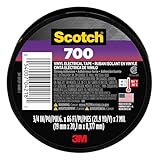
This is a measure of how much voltage it can withstand before breaking down. Proper electrical tape, like 3M Super 33+ or Scotch Super 88, has a dielectric strength that’s more than sufficient for most household and low-voltage applications.
This insulating property is its primary job, not just sticking things together.
Think about this: when you wrap electrical tape, you’re supposed to overlap each layer by about half. This creates a strong, continuous insulating barrier.
The tape’s ability to stretch and conform means you can wrap it tightly, sealing out air and moisture. If you try this with packing tape, the stiff plastic won’t stretch, you’ll get wrinkles and gaps, and the adhesive will just slide around. The heat generated by even a minor electrical fault can melt the adhesive on packing tape, causing it to fail catastrophically.
I once saw a repair job where someone had used duct tape (another tempting ‘strong’ tape) on a faulty appliance cord. The heat buildup caused the adhesive to liquefy, the tape sagged, and it eventually allowed a small spark to jump to the metal casing. Luckily, it tripped the breaker, but it was a stark reminder of why specialized materials are necessary. Using electrical tape is a deliberate choice to prioritize safety and longevity over a quick, cheap fix.
The ‘good Enough’ Trap: Tapes You Might Consider (and Why They Fail)
So, beyond clear tape, what other common household tapes do people wrongly think might work? This is where the real DIY danger lies. People see a roll of duct tape, the universal fixer, and think, ‘It’s strong, it’s sticky, it’ll hold.’ Or maybe they have some painter’s tape lying around and figure, ‘It’s tape, right?’ Let’s break down why these are just as bad, if not worse, than clear tape for electrical work. (See Also: Can Electrica Tape Catch On Fire )
| Tape Type | Why It Seems Like a Good Idea | Why It Actually Fails | Verdict |
|---|---|---|---|
| Duct Tape | Super strong adhesion, water-resistant, thick fabric backing. Seems durable. | Adhesive breaks down under heat, fabric can absorb moisture, not an insulator. Can leave a sticky residue. | Absolute NO. Fire hazard. |
| Masking Tape / Painter’s Tape | Easy to tear, adheres to many surfaces. Cheap and readily available. | Very low adhesion strength, degrades quickly when exposed to heat or moisture. Paper backing is not insulating and can absorb water. | Terrible idea. Completely inadequate. |
| Gaffer Tape | Strong, cloth-like, good adhesion, often used in stage/film for temporary fixes. | While stronger and more heat-resistant than packing tape, it’s not designed for electrical insulation. Adhesive can still fail under prolonged heat or electrical stress. | Avoid for electrical. Better for cable management on set. |
| Packaging Tape (Clear) | Sticky, relatively strong plastic film. Seems like it could create a barrier. | Adhesive melts/degrades with heat, plastic is not insulating, becomes brittle over time, can absorb moisture. | Nope. Not even for a brief moment. |
I once had a friend try to repair a garden light extension cord with duct tape. He was proud of it.
Said it looked ‘solid’. A few weeks later, after a good rain, the whole thing shorted out. Turns out, the fabric in the duct tape had soaked up water like a sponge, and the adhesive had given up the ghost.
The electricity found an easy path right through the soggy tape. It looked like a quick fix, but it ended up frying the entire light string. It’s tempting to think that if a tape is strong, it’s safe, but that’s where the thinking goes wrong.
Strength in terms of pulling power is one thing; electrical insulation is a completely different ballgame. These ‘good enough’ tapes are often chosen out of convenience or ignorance, but they invariably lead to more problems. They can melt, crack, lose adhesion, or absorb moisture, all of which compromise safety and create fire risks. Never, ever let ‘good enough’ be your guide when dealing with electricity.
When ‘temporary’ Electrical Fixes Go Wrong (my Own Fails)
Okay, confession time. Years ago, when I was younger and dumber, I had a cheap extension cord for my workbench that had a small nick in the insulation. Not a huge gash, just a little spot where the plastic had worn through, exposing a sliver of the copper wire.
My go-to electrical tape was… somewhere. Probably lost in the abyss of my toolbox.
I had a roll of 3M aluminum foil tape – the kind you use for HVAC and sealing ducts. It’s foil-backed, very sticky, and feels pretty tough. ‘It’s metal,’ I thought, ‘it’ll probably conduct electricity away or something, and the foil backing will protect it!’ Utterly wrong.
I wrapped it around the nick, thinking I was being clever. The thing is, aluminum foil tape is designed for thermal conductivity and sealing, not electrical insulation.
The adhesive is strong, but it’s not rated for voltage. Within a few days, the heat from the current running through the cord caused the adhesive to soften. The foil started to peel away, and the exposed copper was practically begging for a short circuit. It felt like a more ‘industrial’ solution, but it was just as unsafe as using clear packing tape.
Another time, I was working on a vintage stereo system that had a slightly frayed power cord. I didn’t have any vinyl electrical tape on hand, but I did have a roll of that high-temperature, fabric-backed tape that’s often used for wrapping engine harnesses or insulating wires in cars. It’s tough, it’s flexible, and it’s supposed to handle heat.
I figured it would be a good substitute. I wrapped it meticulously. It looked professional! (See Also: Can I Substitute Duct Tape For Electrical Tape )
But here’s the kicker: while it handled heat well, the fabric backing, even though it was tightly woven, wasn’t designed to be a primary electrical insulator against higher voltages or potential arcing. It’s more for abrasion resistance and managing heat. A few weeks later, I noticed a faint smell of ozone near the unit.
I unplugged it immediately. Upon inspection, I saw a tiny scorch mark where the fabric tape had failed to provide adequate insulation. It wasn’t a catastrophic failure, but it was enough to make me reconsider everything.
This reinforced the idea that ‘similar’ properties don’t make a substitute safe. You need the specific electrical insulation properties that only proper electrical tape provides. The common advice is to buy the right tool, and for electrical tape, there’s really no substitute worth risking your safety or your home over.
The Real Deal: Choosing and Using Electrical Tape Correctly
So, if you absolutely need to fix a wire or secure a connection temporarily (and I mean temporarily, until you can get the real stuff), what should you do? The best practice is to always use actual electrical tape. When you’re buying it, look for brands you trust. 3M is a classic for a reason. Their Super 33+ is an everyday workhorse. If you’re dealing with higher temperatures or outdoor applications, their Super 88 is a step up with better UV and abrasion resistance. Don’t cheap out. A roll of decent electrical tape costs a few bucks and can last you for years if you’re just doing occasional repairs.
How to Properly Wrap Electrical Tape
Here’s the process:
- Prepare the Wire: Make sure the wire is clean and dry. If there’s any frayed insulation, trim it back so you’re working with a solid section of insulation.
- Start Wrapping: Begin wrapping the tape about an inch below the damaged or exposed area. Anchor the tape by wrapping it around the solid insulation a couple of times.
- Overlap and Stretch: As you move up the wire, overlap each subsequent wrap by at least half of the tape’s width. Stretch the tape as you wrap it – this helps it conform and creates a tight, smooth seal.
- Cover the Damage: Continue wrapping well beyond the exposed section, at least an inch or two above it.
- Seal the End: Finish by wrapping securely around the solid insulation again. Give the tape a firm press to make sure good adhesion.
I’ve seen people just wrap a bit around the exposed part and call it a day. That’s a recipe for failure. You need to create a continuous, overlapping barrier that seals out the environment and provides consistent insulation. If the tape doesn’t feel like it’s sticking to itself, or if it’s not conforming, you might have a bad roll or you’re not stretching it enough. And remember, this is for low-voltage applications and temporary fixes. For permanent repairs or anything involving significant power, consult a qualified electrician. Safety first, always.
Frequently Asked Questions About Clear Tape and Electrical Work
Can I Use Clear Packing Tape on a Low-Voltage Wire?
No, you absolutely should not use clear packing tape on any wire, even low-voltage ones. Packing tape is not designed to be an electrical insulator. Its adhesive breaks down under heat and it becomes brittle over time, offering no protection against shorts or shocks. It’s a fire hazard and a personal safety risk.
What If I Only Need to Cover a Tiny Exposed Wire for a Second?
Even for a brief moment, using clear tape is a bad idea. The risk of electrical shock or a short circuit is still present. It’s best to use proper electrical tape for any exposed wire, no matter how small the exposure or how short the duration. Investing in a roll of electrical tape is the safest and most responsible approach.
Is There Any Tape That Looks Like Clear Tape but Is Safe for Electrical Use?
Generally, no. Electrical tape is typically black, red, blue, or yellow – colors that signal it’s for electrical purposes. Clear tapes are designed for adhesion and sealing, not insulation. If you see a clear tape advertised for electrical use, scrutinize its specifications carefully, but it’s highly unusual and likely not a good substitute for standard vinyl electrical tape.
Can I Use Tape to Fix a Broken Electrical Cord?
For a very minor nick or abrasion, you might be able to do a temporary repair with proper electrical tape, following the wrapping procedures carefully. However, if the cord is severely damaged, frayed, or has multiple breaks, it’s much safer to replace the entire cord or the damaged component. Tape is not a substitute for a fundamentally sound cable.
Conclusion
So, we’ve circled back to where we started: can clear tape substitute electrical tape? The answer, from my years of hands-on tinkering and costly mistakes, is a definitive and emphatic no. It’s a tempting shortcut, a visual illusion of a quick fix, but in reality, it’s a dangerous gamble. The materials just aren’t designed for the job, and the consequences can range from a failed repair to a fire hazard.
The real deal – proper electrical tape – isn’t expensive, and it’s readily available. It does its job because it’s engineered to: insulate, flex, and last. Trying to cut corners with clear tape or other household adhesives is like trying to build a house with tissue paper; it might hold for a moment, but it won’t stand up to any real stress.
My advice? Keep a roll of good electrical tape in your toolbox. It’s one of those small investments that pays off big in safety and peace of mind. Don’t wait until you’re in a bind to realize that clear tape simply cannot substitute electrical tape effectively or safely.