I remember the sheer panic. My brand new, ridiculously expensive gaming PC was humming along, ready for its inaugural raid, when BAM. The power flickered. My old surge protector, a cheap thing I’d grabbed from the drugstore, just died. Everything went black. That’s when I really started thinking about what’s actually going on behind the wall socket.
You see them everywhere: power strips plugged into wall outlets, dangling from desks, sprouting from behind entertainment centers. But are power strips considered extension cords? It’s a question that seems simple, but the answer has real implications for safety and performance.
I’ve wasted more money than I care to admit on gadgets that promised the moon and delivered a dim bulb. I’ve learned the hard way what works and what’s just snake oil. So let’s cut through the noise about these everyday electrical lifelines.
The Core Difference: What Exactly Is It?
Look, the short answer to whether are power strips considered extension cords is generally no, they are not the same thing, but they often work together and can be confused. Think of it like this: an extension cord is a flexible cord with a plug on one end and a receptacle (a socket) on the other. Its sole purpose is to extend the reach of a power source. It’s a straight shot from the wall to your device. No frills, no fancy extras. It’s like a single lane highway for electricity.
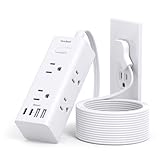
A power strip, on the other hand, is a multi-outlet device. It has a single plug that goes into a wall outlet (or, sometimes, into an extension cord itself) and then offers multiple sockets – usually four, six, or eight – for you to plug in various devices. The important distinction here is the ‘strip’ part: it’s a central hub where you can connect several things at once. Many power strips also come with built-in surge protection, which is a big deal, or even USB ports for charging your phone. They’re more like a mini electrical substation for your desk or entertainment center.
My first major blunder in this area was thinking that just because a power strip had a cord attached, it was interchangeable with any old extension cord. I had a massive surge protector for my home theater system, the kind that looked like it could survive a lightning strike, and I needed to move it a few extra feet.
Instead of buying a proper heavy-duty extension cord rated for that kind of load, I figured I’d just use a heavy-duty extension cord I had lying around for my lawnmower. Big mistake. The cord got warm, the picture on the TV started flickering, and I had a mild panic attack.
It turns out, not all cords are created equal, and trying to force them into roles they weren’t designed for can be downright dangerous. The power strip itself was designed to handle a certain load, but the extension cord I was using wasn’t up to par for the combined load of all the devices plugged into that massive surge protector.
It was a lesson in respecting the specs.
So, while they might look similar with their cords and plugs, their fundamental functions and features are distinct. One extends reach; the other expands outlet access. This distinction is vital when you’re trying to figure out what you actually need for your setup.
When a Power Strip Gets Confused with an Extension Cord
The confusion often arises because power strips have cords, and they extend the reach of the wall outlet. If you plug a power strip into an extension cord, you’re effectively using both in tandem. This is where things can get dicey if you’re not paying attention. The cord on a power strip is usually a few feet long, and its primary job is to get the strip from the wall socket to a convenient location for plugging in your devices. It’s not designed to be the primary means of extending power across a room or to a distant appliance.
I once saw a friend who lived in an older apartment with hardly any outlets. He’d run a long, cheap extension cord from the only outlet in the living room, snake it behind the couch, and then plug a six-outlet power strip into the end of that extension cord. He then proceeded to plug in his TV, gaming console, speakers, and a lamp. It looked like a fire hazard waiting to happen.
The extension cord was likely undersized for the total amperage draw, and the power strip was just adding more load. The cord got noticeably hot to the touch, and frankly, I was sweating just watching him use it. (See Also: Can Extension Cords Short Out )
He swore it was fine because, in his mind, both were just ‘power things’.
This is a classic example of misunderstanding the hierarchy and capabilities. The extension cord is the primary conductor in this daisy-chained setup, and if it’s not rated sufficiently for the combined load of everything plugged into the power strip, you’re asking for trouble. Overloading is the silent killer here, leading to overheating, melted plastic, and, in the worst-case scenario, a fire. The National Electrical Code (NEC) has specific guidelines for how circuits should be loaded and how extension cords should be used, and while I’m not one to quote regulations incessantly, the underlying principle of not overloading is most important for safety. Using a power strip to multiply outlets at the end of an inadequate extension cord is a common and dangerous mistake.
People Also Ask: Can you plug a power strip into another power strip?
Generally, no, you absolutely should not plug one power strip into another. This practice is called “daisy-chaining” and it’s a major fire risk. Each power strip has a maximum amperage rating. When you plug one into another, you’re basically doubling or tripling the potential load on the initial outlet and the extension cord (if one is used). This can easily exceed the rating of the power strip, the wall outlet, or the circuit breaker, leading to overheating and potential fires. It’s far safer to use a single power strip or an extension cord with enough outlets if you need more connection points.
What to Look for: Specs Matter More Than You Think
When you’re looking at power strips and extension cords, don’t just grab the cheapest one. These are electrical devices, and shoddy construction can have serious consequences. First off, look at the gauge of the wire.
For extension cords, a lower gauge number means a thicker wire, which can handle more current (amperage) and is less likely to overheat. For typical household use, 14-gauge is usually a decent starting point, but for high-draw items like power tools or large appliances, you might need 12-gauge or even 10-gauge.
Power strips also have a maximum wattage or amperage rating printed on them. Make sure the total draw of the devices you plan to plug in doesn’t exceed this. I once bought a cheap six-outlet strip for my workshop, and it was rated for only 10 amps.
My dust collector alone would have tripped the breaker if I’d managed to plug it in, let alone all the other tools I’d planned to connect.
Another important feature is surge protection. Not all power strips are created equal here. A basic power strip just gives you more outlets. A surge protector has components (like Metal Oxide Varistors or MOVs) that can absorb excess voltage from power surges, protecting your sensitive electronics. Look for the joule rating; the higher, the better. A surge protector with a joule rating of 1000 or more is a good starting point for most electronics. Some also offer coaxial or Ethernet protection, which is handy if you have cable modems or network devices.
Here’s a quick breakdown of what I look for, with my own little verdict:
| Feature | My Verdict | Why |
|---|---|---|
| Gauge (Extension Cords) | 14-gauge or thicker | Less heat, safer for higher loads. 16-gauge is okay for light-duty electronics only. |
| Amperage/Wattage Rating (Power Strips) | Match or exceed device needs | Prevents overloading and overheating. Don’t guess, check your devices! |
| Surge Protection (Joules) | 1000+ joules | Provides a buffer against power spikes that can fry electronics. |
| UL Listing or ETL Certification | Always | This means it’s been tested and meets safety standards. If it doesn’t have it, leave it on the shelf. |
| Cord Length | Shorter is usually better | Longer cords have more resistance, leading to voltage drop. Only use what you need. |
People Also Ask: Are all power strips surge protectors?
No, definitely not. This is a common misconception. A basic power strip simply provides multiple outlets from a single plug. A surge protector, on the other hand, has internal components designed to divert excess electrical voltage away from your connected devices during a power surge. Always check the labeling; a surge protector will explicitly state that it offers surge protection and will usually have a joule rating. (See Also: Can Extension Cords Be Use With Electric Heaters )
Common Mistakes and Dangers You’re Probably Making
The biggest mistake people make is treating power strips and extension cords like disposable commodities. You buy a cheap one, it works for a while, and then you replace it without a second thought. This is a dangerous game. I’ve seen extension cords with frayed insulation, melted plugs, and outlets that were loose and sparking. These aren’t just inconveniences; they’re fire hazards.
One mistake I learned about the hard way was using an outdoor-rated extension cord for indoor use, or vice versa. Outdoor cords are built to withstand different environmental factors – moisture, UV exposure, temperature fluctuations – but they might not have the same internal wiring robustness as a heavy-duty indoor cord designed for sustained high-power loads.
Conversely, using an indoor cord outside is a recipe for disaster due to exposure to the elements. I once tried to use a regular indoor extension cord to power a temporary light setup for a backyard party.
Within an hour, the cord felt uncomfortably warm, and I could smell a faint burning plastic odor. Thankfully, I unplugged it before anything bad happened, but it was a stark reminder that using the right tool for the job, even for something as simple as a cord, is a must.
Another common pitfall is covering power strips or extension cords with rugs or furniture. This traps heat, preventing proper ventilation, which can lead to overheating and component failure. Imagine trying to run a marathon in a sealed sauna – that’s what you’re doing to your electrical cords and strips. They need airflow to dissipate the heat generated by the electricity flowing through them.
Finally, there’s the sheer overloading. People plug in space heaters, hair dryers, and multiple high-power electronics into a single strip or cord that simply isn’t designed for it. Electrical circuits have limits, and exceeding them isn’t just about tripping a breaker; it’s about generating excessive heat. That heat can melt insulation, damage the devices, and, as I’ve said, start fires. I saw a coworker’s desk once after a small electrical fire started from an overloaded power strip. It wasn’t a massive blaze, but the melted plastic, the smell of burnt electronics, and the damage to his desk and computer were a grim testament to the risks involved.
People Also Ask: Can you use a power strip with a heater?
It’s generally not recommended to plug high-wattage appliances like space heaters into power strips, especially basic ones or those with low amperage ratings. Heaters draw a significant amount of power. Using a standard power strip can overload it, causing it to overheat and potentially start a fire. If you must use a power strip for a heater, make sure it’s a heavy-duty model specifically rated for high wattage, and that it’s the only device plugged into that particular circuit. It’s always best to plug heaters directly into a wall outlet on a dedicated circuit if possible.
Real-World Use Cases: Where They Shine (and Where They Don’t)
Let’s talk about where power strips and extension cords actually fit into our lives. Power strips are fantastic for managing the tangle of cords behind your entertainment center, computer desk, or bedside table. Need to plug in your TV, Blu-ray player, game console, and streaming stick? A power strip makes that possible and helps keep things organized. For computer setups, a good surge-protected power strip is almost a must. It protects your expensive monitor, PC tower, and peripherals from those sudden power spikes that can do so much damage. I’ve got one for my gaming rig that has individual on/off switches for each outlet, which is surprisingly handy for shutting down everything cleanly after a session.
Extension cords, on the other hand, are for extending reach. Need to plug in your lawnmower? You need an extension cord. Want to run a fan across the room? Extension cord. Need to power a tool in the garage that’s just out of reach of the wall outlet? Extension cord. The key is to use the right type for the job. A light-duty, indoor extension cord isn’t going to cut it for a powerful electric mower. You need a heavy-gauge cord that’s rated for outdoor use if you’re using it outside.
Where they don’t shine is when they’re misused. Plugging a refrigerator or a freezer into a power strip is a bad idea. These appliances have motors that draw a lot of power, especially when starting up, and they need a direct, solid connection to the wall outlet.
Many appliance manufacturers explicitly warn against using extension cords or power strips for refrigerators and freezers. The risk of overheating and fire is too high. (See Also: Are Outdoor Extension Cords 10 Or 12 Gauge )
I learned this the hard way when my old chest freezer, plugged into a power strip, started making a strange humming noise. I unplugged it, and the plastic on the power strip was slightly warped.
Thankfully, the freezer was okay, but it was a close call. The direct plug connection provides the stable, high-amperage flow these appliances need.
Also, don’t think of an extension cord as a permanent solution. They are meant for temporary use. Running a permanent extension cord through a wall or under a rug is a code violation and a significant fire risk. If you consistently need more outlets in a room, it’s far safer and more practical to have an electrician install additional outlets. For temporary needs, however, a good quality extension cord or power strip can be incredibly useful. It’s all about understanding their limitations and intended purposes.
Practical Tips for Safe Usage
Let’s wrap this up with some practical advice. First, read the labels. Seriously. Both power strips and extension cords have labels indicating their maximum amperage, wattage, and if they are surge-protected. Match these ratings to the devices you intend to plug in. If you’re unsure, err on the side of caution and get a higher-rated cord or strip. Never guess.
Second, inspect your equipment regularly. Look for any signs of damage: frayed wires, cracked insulation, bent prongs, or loose outlets. If you see any of these, get rid of it. Don’t try to repair it with tape; just toss it and get a new one. I keep a small stash of spares for common household items, but anything that looks questionable gets retired immediately. It’s a small investment to avoid a huge problem.
Third, avoid daisy-chaining. As we discussed, plugging one power strip into another is a huge no-no. If you need more outlets, consider a power strip with more outlets, or a wall tap if you absolutely must plug two things into one outlet (though this also has limitations). For anything that requires significant power, like a large appliance or a whole entertainment setup, a single, high-quality surge protector is your best bet. Don’t try to be clever; stick to the safest method.
Fourth, make sure proper ventilation. Don’t bury your power strips under blankets, pile stuff on top of extension cords, or let them get trapped in tight spaces where heat can build up. Give them room to breathe. This is especially important in areas where multiple devices are plugged in, generating more heat.
Finally, consider the environment. Use outdoor-rated cords for outdoor applications and indoor cords for indoor use. They’re designed differently for a reason. Using an indoor cord outside is asking for trouble with moisture and temperature extremes. And if you’re using a power strip or extension cord near water (like in a kitchen or bathroom, though this is generally discouraged), make sure it has GFCI protection. These are small but vital safety features.
People Also Ask: How long should an extension cord be?
The ideal length for an extension cord is the shortest one that will comfortably reach your device without creating a tripping hazard or being unnecessarily coiled. Longer cords have higher electrical resistance, which can lead to voltage drop, meaning your device might not receive the full power it needs. This can cause some electronics to perform poorly or even overheat. For most home use, cords between 6 to 25 feet are common. If you need to run a cord for heavy-duty tools or appliances, a shorter, thicker gauge cord is always preferable to a long, thin one.
Final Verdict
So, to circle back, are power strips considered extension cords? No, not technically. One multiplies outlets, the other extends reach. But they are often used in conjunction, and that’s where the real care needs to come in. Treating them with respect, understanding their ratings, and inspecting them regularly is not optional – it’s how you prevent a minor electrical issue from becoming a major disaster.
My own experience with that nearly-melted freezer and the flickering TV has stuck with me. It’s easy to get complacent with everyday items, but electricity doesn’t forgive ignorance. Always choose quality over quantity, and when in doubt, unplug it and figure out the safe way forward.
Next time you’re plugging something in, take an extra second. Is it the right cord? Is the strip overloaded? Are power strips considered extension cords in your setup, and is that combination safe? A little bit of vigilance goes a long, long way in keeping your home and your gear safe.