I remember staring at the wall, a brand new, ridiculously heavy mirror in my hands. The drywall felt paper-thin, and the thought of just screwing it straight in made my palms sweat. Back then, I was convinced those little ribbed plastic doodads, the ones you shove into a hole before the screw, were pure snake oil. A scam by hardware stores to make you spend an extra buck. Fast forward a decade, and let me tell you, I’ve learned a thing or two about holding things up without them crashing down. So, are plastic anchors necessary? Sometimes, yeah. And sometimes, they’re the only thing standing between your sanity and a pile of broken ceramic.
It’s easy to dismiss them as cheap plastic meant for cheap jobs, but the reality is a bit more nuanced. They play a role, a pretty important one, in making sure your stuff stays put. This isn’t about fancy engineering; it’s about basic physics and not wanting your favorite picture frame to become a casualty.
Why Drywall Is a Liar (and How Anchors Help)
Drywall. It looks solid, right? Like you can hammer a nail into it and hang a small child from it.
WRONG. Drywall is basically a cardboard sandwich with gypsum paste in the middle. It’s brittle and has virtually no shear strength on its own, especially when you’re talking about anything heavier than a feather duster. I learned this the hard way when a poorly secured shelf, laden with my extensive collection of paperback novels (don’t judge), decided to make a dramatic exit from the wall.
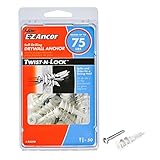
The shelf itself was fine, but the plaster dust and the scattered literary adventures? Not so much. That’s where the humble plastic anchor, also known as a wall plug or expansion anchor, comes into play. Its job is to expand when you screw into it, creating a larger surface area that presses against the back of the drywall.
This distributed pressure is what gives the screw something to grip onto, preventing it from just spinning freely in the soft gypsum.
The common advice you’ll hear is to find a stud. And yeah, if you can, do it. Studs are the wooden (or sometimes metal) skeleton of your wall, and they can hold a ton. But what do you do when the perfect spot for that shelf, or that TV mount, or that massive coat rack, is smack dab in the middle of a blank section of drywall, miles away from any stud?
You can’t just ignore it. You have to make a decision. This is where the debate about whether are plastic anchors necessary really heats up.
For lightweight items like a small mirror or a picture frame, you might get away with just a screw. But anything with a bit of heft? You’re asking for trouble. It’s like trying to hold up a roof with a single piece of cardboard.
It’s just not built for it.
Think about it like this: your screw is a finger. The drywall is a soft pillow. You can poke a finger into a pillow, but it won’t hold anything up for long. A plastic anchor is like sticking your finger through the pillow and then having it spread out on the other side, gripping the fabric. It’s a simple concept, but it makes a world of difference. It’s not about brute strength; it’s about intelligently distributing the load. Without that expansion, the screw just rips a bigger hole in the drywall, and whatever you were trying to hang becomes a free-fall artist.
Plastic vs. Other Anchors: When to Use What
Look, plastic anchors aren’t the only game in town. You’ve got your molly bolts, your toggle bolts, your screw-in anchors, and even more industrial-looking metal ones.
Each has its place, and understanding that is key to not over- or under-engineering your hanging situation. For lightweight stuff, like hanging a decorative plate or a small shelf for your keys, a basic plastic anchor is usually fine.
I’ve used them for years to hang fairy lights, lightweight curtains, and those decorative signs you see at craft fairs. They cost pennies, and they work.
My first experience with them was hanging a bunch of small, framed photos in a hallway. I used the standard ribbed plastic anchors that came with the picture hooks, and they held up perfectly for years. No sagging, no pulling away. Easy peasy. (See Also: Can Concrete Anchors Be Used In Brick )
Then you get into the medium-duty stuff. This is where things get a little more serious. If you’re hanging a TV mount, a heavy mirror, or a substantial bookshelf, you probably want to step up from basic plastic. That’s where toggle bolts or molly bolts shine.
Toggle bolts, with their little wings that flip open behind the drywall, offer serious holding power. I once used a couple of heavy-duty toggle bolts to hang a full-length, antique cheval mirror that must have weighed 70 pounds.
It’s still hanging there, solid as a rock, and that was five years ago. Molly bolts are similar; they expand behind the wall but often have a sleeve that stays in place. They’re a bit more solid than plastic anchors.
But here’s the contrarian bit: everyone says you always need a toggle or molly for anything heavier than a postcard. I disagree, sometimes. For things that are reasonably heavy but won’t be constantly jostled or pulled on – like a fixed shelf holding books that aren’t being rifled through daily – I’ve found certain heavy-duty plastic anchors, specifically the self-drilling ones or those made from harder materials, can do the job. The key is the type of plastic anchor and the weight rating.
Don’t just grab the cheapest bag. Look at the packaging; it’ll often tell you the maximum weight it can support. For general wall decorating, like hanging art or shelving for display items, the right plastic anchor is often sufficient and far simpler to install than a toggle.
Here’s a quick breakdown of what I reach for:
| Anchor Type | Typical Use Case | Holding Power (General) | Ease of Installation | My Verdict |
|---|---|---|---|---|
| Basic Ribbed Plastic Anchor | Lightweight decor, small shelves, picture frames | Light to Moderate (5-25 lbs, varies wildly) | Very Easy | Great for the absolute lightest jobs, but always check weight rating. |
| Self-Drilling Screw-in Anchor (Plastic) | Medium-weight items, shelves, curtain rods | Moderate to Heavy (25-50 lbs, varies) | Easy | A step up from basic plastic, good for when you want a bit more confidence. |
| Molly Bolt | Medium to Heavy items, shelves, cabinets (if properly installed) | Heavy (50-100+ lbs, depends on size and wall) | Moderate | Reliable, good for a secure hold. Can be tricky to remove. |
| Toggle Bolt | Very Heavy items, TV mounts, large shelves, anything important | Very Heavy (100+ lbs, depends on size and wall) | Moderate to Difficult | The king of drywall holding power. Worth the extra effort for peace of mind. |
Common Mistakes That Lead to Falling Stuff
This is where a lot of people, myself included early on, screw up. Pun intended. The most common mistake is simply picking the wrong anchor for the job.
You see a hole, you shove a plastic anchor in, you screw it. Done.
But if that anchor is rated for 10 pounds and you’re hanging 30 pounds of books, you’re asking for failure. It’s not the anchor’s fault; it’s yours for not respecting its limitations. I once tried to hang a rather large, framed print of a vintage map. It wasn’t outrageously heavy, maybe 15 pounds.
I used what I thought were decent plastic anchors, the kind that look a bit more substantial. Within a week, the corner started to sag. Turns out, the anchors were only rated for 5 pounds each, and the wall was slightly crumbly. The whole thing ended up on the floor, thankfully without damage, but it was a stark reminder that weight ratings are there for a reason.
They’re not suggestions; they’re engineering limits.
Another mistake is not preparing the hole properly. Some plastic anchors require you to pre-drill a pilot hole of a specific size. If you drill too small, you’ll struggle to get the anchor in, and you might crack the drywall.
Drill too large, and the anchor won’t have enough material to grip and expand. For ribbed plastic anchors, you often just jam them in with a screwdriver or a hammer.
But even then, you need to make sure they’re seated flush with the wall. If they stick out, the screw won’t engage properly. For self-drilling anchors, you absolutely need to follow the instructions regarding screw size and the need for a pilot hole. I’ve seen people just brute-force a self-drilling anchor into a wall without a pilot hole, and they end up stripping the plastic threads or making a mess. (See Also: Can Cords Be Used To Make Anchors Climbing )
Finally, people forget about the type of wall material. This whole article is focused on drywall, but you might have plaster walls, which are more brittle, or even concrete or brick.
Plastic anchors are generally useless in concrete or brick; you need specialized masonry anchors for those. And even in plaster, you need to be more careful. The common advice about finding studs is still king when possible.
If you’re hanging something heavy and can’t find a stud, you’re better off using a solid toggle or molly bolt. Relying on basic plastic anchors for important loads in drywall is a gamble, and frankly, it’s one you’re likely to lose. So, before you even pick up a drill, ask yourself: how heavy is this thing, and what’s the wall made of?
Real-World Use: Where Plastic Anchors Shine (and Where They Don’t)
Okay, let’s talk about where these little plastic guys actually do a solid job. Think about all those times you’ve bought a new piece of furniture or decor. Often, it comes with little bags of hardware. Inside those bags, you’ll find plastic anchors and screws.
Why? Because the manufacturers know that most people are mounting these things to drywall.
A prime example is a lightweight floating shelf. These are designed to look sleek and minimal, and they often only have one or two mounting points.
If you try to screw those directly into drywall without anchors, they’ll sag or pull out almost immediately. The plastic anchor, when used correctly, provides just enough grip to hold that shelf steady for displaying knick-knacks, small plants, or that one book you keep meaning to read.
Another common application is hanging lightweight wall art or mirrors. I’m talking about those decorative metal wall sculptures, canvas prints, or mirrors with thin frames. These items add personality to a room, but they aren’t exactly building materials. Here, the standard ribbed plastic anchors, paired with the appropriate screws (often provided), are perfectly adequate. They distribute the weight over a slightly larger area of the drywall, preventing the screw from elongating the hole and failing. My wife loves to swap out seasonal decor, and we have dozens of small command hooks and other picture hangers that rely on small plastic anchors behind them. They’ve held everything from Halloween decorations to Christmas lights without a hitch.
Where they don’t shine? Anything that’s going to experience significant shear or pull-out force. This includes things like: TV wall mounts (unless it’s a tiny, lightweight screen and the manufacturer explicitly states it’s okay, which is rare), heavy-duty shelving units meant to hold a lot of weight (like full bookshelves), bathroom fixtures that get pulled on (like towel racks), or anything where failure could be catastrophic or dangerous. I once saw a DIY video where someone used plastic anchors to hang a bicycle on their garage wall.
That’s just asking for trouble. A bike is heavy, and the forces involved in hanging it are significant. That’s a job for heavy-duty toggle bolts or a direct mount into a stud.
So, while plastic anchors have their place, it’s important to be realistic about their capabilities. They’re for lighter loads and less demanding applications.
Don’t try to make them do the job of a toggle bolt; it’s a recipe for disaster.
The ‘are Plastic Anchors Necessary?’ Faq
Do I Need Anchors for a Lightweight Picture Frame?
For a very lightweight picture frame (under 5 lbs), you might get away with just a screw if you hit a stud. However, if you’re mounting it on drywall between studs, it’s highly recommended to use a small plastic anchor. It provides a much more secure grip and prevents the screw from pulling out over time, even with minimal weight. It’s cheap insurance against your picture falling.
Can I Use Plastic Anchors in Plaster Walls?
You can, but you need to be extra careful. Plaster walls are often more brittle than drywall. Pre-drilling a pilot hole that’s the correct size is important to avoid cracking the plaster. Some people find that specialized plaster anchors or even toggle bolts are a safer bet for plaster, especially for anything moderately heavy. Always test the hold gently before committing to hanging your item. (See Also: Can Anchors In Your Shoulder Break )
What’s the Difference Between Plastic Anchors and Screw-in Anchors?
Basic plastic anchors are typically ribbed and require you to drill a hole, then hammer or screw the anchor into that hole. Screw-in anchors, often made of plastic or metal, have self-tapping threads and can be screwed directly into the drywall without a pre-drilled hole (though some manufacturers recommend one). Screw-in anchors generally offer a stronger hold than basic ribbed plastic anchors and are easier to install without damaging the wall if done correctly.
How Do I Know If a Plastic Anchor Will Hold?
Always check the weight rating on the packaging. This is the most important factor. However, remember that these ratings are often for ideal conditions in new drywall. Older drywall, crumbly plaster, or uneven installation can significantly reduce holding power. When in doubt, use a heavier-duty anchor or find a stud. It’s better to overestimate the required strength than to underestimate it.
Are Self-Drilling Anchors Better Than Basic Plastic Anchors?
Generally, yes. Self-drilling anchors, whether plastic or metal, tend to offer a stronger and more reliable hold than basic ribbed plastic anchors. They distribute weight more effectively and are less prone to spinning out in the drywall. Their design allows them to cut their own threads, creating a more solid connection. They are a good intermediate option between basic plastic anchors and heavy-duty toggle bolts.
DIY Tips for Using Wall Anchors Like a Pro
Alright, let’s get practical. You’ve decided you need anchors, and you’ve picked the right type. Now, how do you actually get them in there without making a mess? First rule: measure twice, drill once. Figure out exactly where you want your item to hang. Use a level to mark your screw locations. For plastic anchors, especially the ribbed kind, drill a pilot hole using a drill bit that matches the size recommended on the anchor’s packaging. If it doesn’t specify, a bit that’s just slightly smaller than the anchor’s widest point is usually a good starting point. You want it snug, not forced.
If you’re using self-drilling anchors, follow the instructions precisely. Some require a pilot hole, others don’t.
If they don’t, use a screwdriver to start the hole and then switch to a drill on a low torque setting. Avoid over-torquing, which can strip the anchor or the drywall. Once the anchor is in – whether you hammered it, screwed it, or drilled it – make sure it’s flush with the wall surface. If it’s sticking out, it won’t provide a good base for your screw.
Tap it gently with a hammer or try to screw it in a bit further if it’s the screw-in type. For ribbed anchors, sometimes a gentle tap with the handle of your screwdriver can seat it properly.
When you drive the screw into the anchor, do it slowly and steadily. If you feel it just spinning without biting, stop.
You might have drilled the hole too big, or the anchor might not be seated correctly. Back the screw out, check the anchor, and if necessary, try again or use a slightly larger anchor if you have one. For toggle bolts, the process is a bit more involved – you need to compress the toggle and slide it through the hole before pulling it back to catch the wall.
It takes a bit of practice, but the holding power is undeniable. My personal trick for toggle bolts is to use a piece of tape to hold the toggle against the wall while you start threading the screw.
It’s a small thing, but it makes a big difference when you’re working one-handed.
Conclusion
So, are plastic anchors necessary? My honest answer is: sometimes, they are an absolute lifesaver. They’re not the superhero of fasteners, but they’re the reliable workhorse for a huge number of everyday hanging jobs. When you’re dealing with drywall and don’t have a stud in sight, a basic plastic anchor can be the difference between a securely hung picture and a disappointing crash to the floor.
Don’t go thinking they’re a magic bullet for everything, though. For anything truly heavy or important, step up your game to toggle bolts or molly bolts. But for that light-to-medium duty stuff – the frames, the smaller shelves, the decorative accents – the right plastic anchor, installed properly, does the job. It’s about understanding their limitations and matching them to the task.
Next time you’re staring at a blank wall with something to hang, take a moment. Assess the weight, check your wall, and choose your fastener wisely. Your walls (and your stuff) will thank you for it.