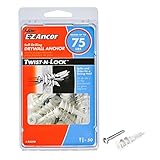
I remember staring at a peeling piece of siding on my garage, contemplating hanging a ridiculously heavy bird feeder. My brain immediately went to those big, beefy anchor bolts. The thought crossed my mind: are Titen anchors approved for exterior use? It seemed like such a no-brainer, but the last thing I wanted was for my prize-winning sunflower seeds (okay, maybe just regular birdseed) to end up in a pile on the ground, taking a chunk of my garage with it.
Over the years, I’ve learned the hard way that not all fasteners are created equal, and the marketing jargon can be thicker than drywall mud. So, when it comes to something as important as securing items outside, where the elements are actively trying to undo your work, you need to be damn sure.
So, Are Titen Anchors Actually Good for Outside?
Let’s cut to the chase. The short answer to ‘are Titen anchors approved for exterior use?’ is… it depends. And that’s the frustrating truth.
Titen anchors, the ones I’m talking about, are typically zinc-plated steel or come in a stainless steel option. This is where things get murky. The standard zinc-plated Titen HD anchors?
They’re generally not recommended for continuous, direct exposure to the elements. Why? Because that zinc plating, while it offers some protection, will eventually corrode, especially in humid or salty environments.
Once that plating is compromised, rust is just a matter of time, and rust weakens the anchor. It’s like putting a raincoat on a sieve – it’ll help for a bit, but it’s not a permanent solution.
I learned this the hard way trying to mount a fairly heavy outdoor light fixture on a brick wall that got blasted by sea spray. I used what I thought were solid anchors, the zinc-plated kind.
Within about 18 months, I noticed a bit of orange creeping out around the base. A year later, the fixture was sagging, and I had to pull the whole thing out, leaving a nasty, rusted-out mess. That’s when I realized I should have sprung for the stainless steel, or a different type of anchor altogether.
The Titen HDs are great for interior use, hanging shelves, securing furniture, you name it. They’re strong, they hold well in concrete and masonry, and they’re relatively easy to install.
But the exterior? You’re playing with fire if you don’t use the right material. (See Also: Can Concrete Anchors Be Used In Brick )
Now, Titen does make stainless steel versions of some of their anchors, and those are a different story. Stainless steel offers vastly superior corrosion resistance. If you absolutely need to use a Titen-style anchor for an exterior application, you must seek out the stainless steel option.
It’s going to cost you more, no doubt about it, but it’s the only way you’re going to get something that will last without turning into a rusty failure waiting to happen. When I consult the manufacturer’s documentation, which is always my go-to for anything involving structural integrity, they are pretty clear about material suitability for environmental exposure.
For example, Titen’s own specs often highlight that their standard anchors are intended for dry, interior locations unless explicitly stated otherwise or a higher-grade material like stainless steel is used.
What to Look for in Exterior Anchors: Beyond the Brand Name
Forget the brand for a minute and focus on the material. This is the number one thing that gets people in trouble with exterior projects. If it’s going outside, and it’s going to be exposed to rain, humidity, salt air, or even just dew, you need corrosion resistance. That means looking for:
- Stainless Steel: This is your best friend for exterior applications. Specifically, look for 304 or 316 grade stainless steel. 316 is even better for harsh environments like coastal areas due to its increased molybdenum content, which makes it more resistant to pitting and crevice corrosion.
- Hot-Dip Galvanized: This is a thicker coating of zinc applied through a hot-dipping process. It offers better corrosion resistance than electro-galvanized (which is what most standard zinc-plated anchors get), but it’s still not as good as stainless steel, especially in aggressive environments. It’s a decent middle ground for less severe exterior exposure.
- Specialty Coatings: Some manufacturers offer proprietary coatings designed for exterior use. Always check the manufacturer’s specs on these.
When I was building that outdoor kitchen island, I had to attach some structural beams to a concrete patio. I originally grabbed some heavy-duty anchors that looked like they could hold up a car. They were zinc-plated. A quick chat with a guy at the lumberyard who’d seen more than his fair share of DIY disasters talked me out of it. He said, “Buddy, you want that thing to last longer than a summer barbecue? Get stainless steel.” He was right. Even though they were more expensive, the peace of mind and the fact that they haven’t rusted after two years of being rained on, snowed on, and generally abused by Mother Nature is worth every extra penny.
The common advice you’ll hear is that any heavy-duty anchor will do. That’s simply not true. A Titen HD anchor, while solid in its own right, is made of materials that will degrade when constantly exposed to moisture. It’s not about the physical strength to hold a load today, it’s about the longevity and the structural integrity over time. Think about it: that rust isn’t just cosmetic. It eats away at the metal, reducing its shear strength and pull-out resistance. What was a secure mount can become a dangerous failure point.
Common Mistakes When Using Anchors Outside
People make a few classic blunders when it comes to exterior anchoring. The first, as I’ve hammered home, is using interior-grade anchors. It’s the most obvious mistake and leads to the most predictable failures. You see it all the time: a bracket rusting away, a fixture drooping, or worse, something falling off entirely.
Another mistake is assuming all concrete is the same. While Titen anchors are designed for concrete and masonry, the type of concrete and its condition matter. Is it old, spalling concrete? Is it lightweight concrete? Standard Titen HDs are designed for dense, solid concrete. If you’re dealing with a different substrate, you might need a different anchor entirely. For example, anchors for hollow block or brick often require specific types like toggle bolts or screw-in anchors designed for hollow materials. Trying to jam a Titen HD into hollow block is just asking for trouble. It won’t have anything to grip.
Then there’s installation. Over-tightening can sometimes crack concrete, especially older or weaker types, which compromises the anchor’s hold. Under-tightening means the anchor isn’t fully engaged and could loosen over time. You need to follow the manufacturer’s recommended torque settings and hole preparation. This often involves drilling the correct size hole – too small and you can’t get the anchor in; too large and it won’t grip properly. I made this mistake on a deck railing post anchor once. I rushed the drilling, the hole was a hair too big, and the anchor never felt truly solid. It was a constant worry until I ripped it out and did it right. (See Also: Can Cords Be Used To Make Anchors Climbing )
Finally, people often overlook the load rating in conjunction with the environment. An anchor might have a high shear and pull-out strength on paper, but if it’s corroding away, those numbers become meaningless. Always choose an anchor rated for the load and the environmental conditions. For exterior use, that means looking at the material rating first and foremost.
My Experience: The Titen HD vs. Stainless Steel Showdown
I’ve used Titen HD anchors extensively for interior projects. They’re my go-to for mounting tool racks in my garage, securing heavy-duty shelving in the basement, and even attaching a workbench to the concrete floor. They’re reliable, strong, and frankly, they’re usually cheaper than the stainless steel options. For those interior, dry applications, they’re fantastic.
The real test for me came when I decided to mount a large, custom-made metal art piece on the exterior brick wall of my house. This thing was heavy, maybe 50 pounds, and it would be fully exposed to the weather in Pennsylvania – rain, snow, ice, humidity. I initially picked up a box of Titen HD anchors because, well, they’re Titen, and they’re tough, right? I was picturing those anchors holding firm for decades.
Then I remembered my previous seaside disaster. I paused. I went back to the hardware store and asked specifically for stainless steel anchors suitable for masonry. The Titen brand does offer stainless steel versions, and I opted for those. The difference in price was noticeable – almost double for the stainless steel Titen anchors compared to the zinc-plated HDs. The installation process felt identical, which is a good thing; they’re designed to be user-friendly. The physical anchor itself looked similar, just with that distinct silvery sheen of stainless steel.
Fast forward two years. The art piece is still hanging perfectly. No rust streaks, no sagging, no sign of corrosion whatsoever. The zinc-plated anchors I used on that coastal project? I had to replace them after about three years because they were basically rusted into the brick. That experience cemented my belief: for exterior applications where longevity and safety are most important, the extra cost of stainless steel is absolutely a must. It’s the difference between a job done right and a job that will need redoing sooner than you’d like. While Titen HDs are great for what they are, they are simply not built for the rigors of exterior exposure unless you’re talking about their specific stainless steel counterparts.
When It’s Okay to Use Zinc-Plated and When to Absolutely Avoid It
Let’s be super clear here. Zinc-plated Titen HD anchors are not approved for exterior use if that use involves direct, prolonged exposure to the elements. Think of it this way: if it’s going to get wet regularly, or sit in a humid environment, or be near salt, steer clear of standard zinc-plated. This means mounting something on an exposed patio, a fence post, a garden wall that gets rained on, or anything near a swimming pool or the ocean.
So, where can you get away with them on the exterior? Honestly, it’s a very limited list. Perhaps if you’re attaching something to an interior garage wall that has an exterior-facing door but is otherwise protected from direct weather. Or maybe if you’re mounting something under a substantial, fully enclosed overhang that will never see direct rain or splash-back. Even then, I’d be cautious. Humidity can still be a killer.
The common advice often says ‘use a heavy-duty anchor for exterior projects’. This is where people get tripped up. They see ‘heavy-duty’ and think Titen HD is the answer. But ‘heavy-duty’ usually refers to the load-bearing capacity, not the corrosion resistance. A Titen HD is heavy-duty in terms of strength, but its material composition makes it unsuitable for prolonged exterior contact. It’s like buying a powerful engine but putting it in a car with a chassis made of cardboard.
Here’s a simple table to help you decide. This is my personal take, based on years of wrestling with fasteners: (See Also: Can Anchors In Your Shoulder Break )
| Anchor Type | Typical Material | Exterior Use Recommendation | Why |
|---|---|---|---|
| Titen HD (Standard) | Zinc-Plated Steel | NO (Generally) | Prone to rust and corrosion in exposed environments, compromising strength over time. |
| Titen HD (Stainless Steel) | 304 or 316 Stainless Steel | YES (Recommended) | Excellent corrosion resistance for long-term exterior durability. |
| Other Zinc-Plated Anchors | Zinc-Plated Steel | NO (Generally) | Similar corrosion issues to standard Titen HD; coating is not solid enough for prolonged exposure. |
| Hot-Dip Galvanized Anchors | Steel with thick zinc coating | YES (Moderate Exposure) | Better than standard plating, but still not as durable as stainless steel in harsh conditions. |
| Stainless Steel Anchors (Generic) | 304 or 316 Stainless Steel | YES (Recommended) | Offers the best protection against rust and corrosion. |
My verdict? Unless it’s a Titen anchor specifically marked as stainless steel, or another anchor specifically rated and coated for exterior use, don’t risk it. The cost savings upfront will be dwarfed by the headache and potential damage of a failed anchor down the line. I’ve seen too many projects go south because someone skimped on the one component that interfaces directly with the environment.
Faq: Your Titen Anchor Exterior Questions Answered
Are Titen Anchors Rated for Outdoor Use?
Titen HD anchors, in their standard zinc-plated form, are generally not rated or recommended for direct, prolonged outdoor use due to their susceptibility to rust and corrosion. If you need to use a Titen anchor outdoors, you must opt for their stainless steel versions, which are specifically designed to withstand the elements.
Can I Use Titen Anchors in Concrete Outside?
You can use Titen anchors in concrete outside if they are the stainless steel variant. The standard zinc-plated Titen HD anchors are prone to corrosion when exposed to moisture, salt, and humidity, which will degrade their strength and lead to failure over time. Always check the material and manufacturer’s specifications.
Will Zinc-Plated Anchors Rust Outside?
Yes, zinc-plated anchors will rust outside when exposed to moisture, humidity, and corrosive elements. The zinc coating provides a sacrificial layer that corrodes first, but once this layer is depleted or compromised, the underlying steel will begin to rust. This rust weakens the anchor significantly.
What’s the Difference Between Titen HD and Titen Plus?
The Titen HD is Titen’s heavy-duty anchor, typically made from zinc-plated steel for interior applications. Titen Plus anchors are often made from stainless steel and are specifically designed for use in corrosive environments, making them suitable for exterior applications where rust resistance is important. Always verify the material and intended use on the product packaging or manufacturer’s website.
Verdict
So, the long and short of it? If you’re looking at standard zinc-plated Titen HD anchors, the answer to ‘are Titen anchors approved for exterior use?’ is a resounding ‘no, not really’. For anything that’s going to see rain, snow, or even just a lot of humidity, you need to step up to stainless steel. It’s not a suggestion; it’s a necessity if you want your work to last and stay put.
I’ve seen too many projects marred by rust streaks and failed anchors because someone opted for the cheaper, zinc-plated option for exterior work. That little bit of extra cash you spend on stainless steel now will save you a world of headaches – and potentially costly repairs – down the road. Don’t be that person whose outdoor decoration ends up on the ground.
Next time you’re at the store, and you think a Titen anchor is the answer for your outdoor project, double-check that packaging. If it doesn’t explicitly say stainless steel and indicate suitability for exterior environments, put it back and find something that does. Your future self will thank you.