Remember that time I proudly hung my brand-new, $300 abstract art piece on the living room wall? Looked great. For about three hours. Then, with a sickening crunch and a shower of plaster dust, the whole thing came down. My heart sank. It wasn’t just the art; it was the realization that I’d completely underestimated the humble drywall anchor. So, are wall anchors for drywall
really
necessary? I’ve learned the hard way that the answer is a resounding, sometimes frustrating, yes. They’re the unsung heroes of home decor, the silent guardians of your shelves, and the reason your TV doesn’t end up on the floor.
The Big Drywall Deception: What You’re Actually Drilling Into
Let’s get one thing straight from the jump: drywall, that thin sheet of gypsum plaster sandwiched between paper, is NOT a structural material. It’s basically glorified cardboard with a chalky interior. When you buy a house or rent an apartment, that smooth, paintable surface you see is designed to hold its own weight and maybe a light picture frame. Anything heavier?
Forget it. Trying to screw directly into drywall is like trying to hang a chandelier on a piece of toast.
It’s going to crumble. I learned this the really expensive way when a heavy mirror I thought was securely mounted decided to take a nosedive, taking a chunk of my wall with it.
The plaster dust was everywhere, and my pride was in even worse shape. It’s not about fancy tools or special screws; it’s about understanding the fundamental weakness of the material. Without something to spread the load or grip the inside of the wall cavity, any significant weight will eventually pull free.
This is why the common advice of ‘just use a longer screw’ is often just plain wrong for anything beyond a lightweight poster. You need something that bites into the void behind the drywall or expands to create a larger surface area.
So, What Are These ‘anchors’ Anyway? The Ins and Outs
Alright, so we’ve established drywall is basically weak sauce. That’s where wall anchors for drywall come in. Think of them as little helpers that bridge the gap between your screw and a more substantial part of your wall structure, or create their own grip. There are a few main types you’ll encounter, and understanding them is key to not repeating my mirror incident.
First, you have the classic plastic expansion anchors. These are usually cone-shaped with fins to stop them from spinning. You drill a hole, shove the anchor in, and then drive your screw into it. The screw threads spread the plastic, pushing it against the inside of the drywall.
They’re cheap, readily available, and good for lighter stuff like small shelves, light fixtures, or small mirrors. The weight limit on these is usually pretty low, maybe 10-25 pounds depending on the size and the drywall itself.
Then there are self-drilling anchors, often made of metal or a sturdier plastic. These have a pointy end and threads that actually cut into the drywall as you screw them in. They’re generally a bit stronger and easier to install because you don’t need a separate drill bit for the anchor itself – the anchor does the drilling. (See Also: Can Concrete Anchors Be Used In Brick )
Still, their strength is limited by how well they can grip the drywall material. For anything truly heavy, like a large TV mount or a substantial bookshelf, you really want to aim for the studs.
But what if there are no studs where you need them? That’s where the real heavy-hitters come in: toggle bolts and molly bolts.
Toggle bolts have a spring-loaded ‘wing’ that folds up to go through the drilled hole, then springs open behind the drywall, creating a wide bearing surface. They are STRONG. I once hung a ridiculously heavy antique dresser mirror with four of these, and it felt rock solid.
Molly bolts work similarly, with a metal sleeve that expands behind the drywall once the screw is tightened. These are also very solid but can be a bit trickier to install and sometimes leave a larger hole.
Choosing the right anchor is less about brand and more about understanding the physics of load distribution and the type of wall you’re dealing with.
The Great Anchor Debate: When to Splurge and When to Save
Honestly, for most DIYers, the idea of choosing the ‘right’ anchor feels overwhelming. You walk into the hardware store, and there’s a whole aisle dedicated to them. It’s enough to make you just grab the cheapest plastic ones and hope for the best.
I’ve been there. But here’s the brutal truth: cheaping out on anchors can cost you more in the long run.
Not only can you damage your wall or lose the item you’re trying to hang, but some of the really flimsy plastic ones can deform over time, leading to sagging shelves or pictures that are no longer straight. For lightweight items like a small framed photo (under 5 lbs), a basic plastic anchor from a reputable brand is usually fine. I’ve had those little orange and yellow ones hold up small decor items for years without issue. For anything in the 10-25 lb range – think a medium-sized mirror, a small spice rack, or a light floating shelf – I’d step up to a slightly larger plastic anchor or a good quality self-drilling anchor.
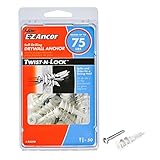
My go-to for this weight class are the E-Z Ancor Twist-N-Lock anchors; they feel more secure than push-in types. But when you get into the 25 lb+ territory, or anything that’s going to be bumped or moved, you absolutely need to consider toggle bolts or molly bolts. Yes, they cost more per piece – a pack of 10 toggle bolts might set you back $10-15, compared to $5 for 50 plastic ones – but the peace of mind and structural integrity are worth every penny.
I once tried to save money by using multiple large plastic anchors for a heavy TV soundbar, and it worked for about a week before it started to pull away. I ended up replacing them with two medium-duty molly bolts, and it’s been solid as a rock ever since. You’re not just buying an anchor; you’re buying security for your belongings and your walls.
| Anchor Type | Weight Capacity (Approx.) | Best For | Verdict |
|---|---|---|---|
| Plastic Expansion Anchor (e.g., tapered, fins) | 10-25 lbs | Lightweight pictures, small decor, small shelves. | Good for the very lightest jobs. Can fail if overloaded or with vibration. |
| Self-Drilling Anchor (metal or sturdy plastic) | 15-35 lbs | Medium pictures, small cabinets, light shelving. Easier install than plastic. | A step up from basic plastic. Decent for general light-to-medium use. |
| Molly Bolt (metal sleeve) | 50-100+ lbs (depending on size) | Heavy shelving, TV mounts, mirrors, cabinets. Requires larger hole. | Excellent strength and security. A go-to for heavier items. Can be fiddly. |
| Toggle Bolt (spring-loaded wing) | 50-200+ lbs (depending on size) | Very heavy items, large TVs, significant shelving units. Requires large hole. | The king of drywall holding power. Unbeatable for serious weight, but takes more effort. |
Common Drywall Anchor Mistakes (and How to Avoid Them)
I’ve made my share of anchor-related blunders, and most of them boil down to a few key oversights. The most common one? (See Also: Can Cords Be Used To Make Anchors Climbing )
Not matching the anchor to the load. People see a big screw and think it’ll hold anything. Wrong.
A heavy mirror needs more than a little plastic plug. My soundbar incident, mentioned earlier, was a prime example of this. I figured if I used four big plastic anchors, it would be fine. It wasn’t.
Always check the weight rating on the anchor packaging and, if possible, get an anchor rated for at least double the weight of what you’re hanging. Another mistake is not using the correct drill bit size.
Anchors are designed to fit snugly. Too small, and you’ll struggle to get it in and it won’t expand properly.
Too big, and it’ll be loose, offering no support. Read the packaging – it almost always specifies the required drill bit diameter. I’ve learned to keep a small set of masonry/drywall drill bits handy and to measure twice, drill once. Then there’s the issue of the wall itself.
Is it old plaster? New drywall? Are there wires or pipes behind it? While most anchors are designed for standard drywall, older plaster walls can be more brittle and might require different approaches.
Always be mindful of what might be behind the wall; hitting a stud is ideal, but hitting an electrical wire is a disaster. Finally, and this is a big one I see people do: not using a level! You can have the strongest anchor in the world, but if your shelf is crooked, it looks terrible and can put uneven stress on the anchor over time.
Take the extra 30 seconds to level your work. It’s a small step that makes a huge difference in the final result and the longevity of your installation.
My first attempt at a floating bookshelf ended up looking like a ski slope because I didn’t bother with a level, and it made the whole setup look cheap and unstable, despite using decent anchors.
Beyond the Basics: Finding Studs and Real-World Scenarios
Look, I’m going to tell you something that sounds like common sense, but I’ve seen enough people ignore it to warrant mentioning: if you can hit a stud, do it. Always. A stud is a vertical wooden (or sometimes metal) beam that forms the framework of your wall.
Anything screwed directly into a stud is going to be incredibly secure. You can buy stud finders (electronic ones are pretty reliable these days), or you can do the old-school tap-and-listen method, though that’s less precise. (See Also: Can Anchors In Your Shoulder Break )
When I’m mounting something truly important, like a heavy TV bracket, my first action is always to locate studs. If you can’t hit a stud directly where you need to mount something, using a heavy-duty anchor like a toggle bolt or molly bolt becomes even more important.
Think about mounting a large, flat-screen TV. You absolutely need to anchor the mount to studs. Relying on drywall anchors for a TV that can weigh 50-100 pounds is not just foolish; it’s dangerous.
I saw a friend’s TV crash down because they only used heavy-duty drywall anchors, and the wall couldn’t handle the stress. It was a messy, expensive disaster.
Another common scenario is hanging kitchen cabinets. These are heavy, and they hold pots, pans, dishes – a lot of weight.
They must be secured to wall studs. If your cabinet placement doesn’t align with studs, you might need to add blocking (extra wood pieces) between studs to create secure mounting points. For smaller projects, like hanging a mirror in a bathroom or a coat rack by the door, the right anchor will suffice, provided you choose one appropriate for the weight.
A good rule of thumb is to always err on the side of caution. If in doubt, use a stronger anchor than you think you need. It’s far better to have a slightly overkill anchor than a hole in the wall and a broken item.
Faq: Your Drywall Anchor Questions Answered
Can You Hang Anything on Drywall Without Anchors?
You can hang very light items, like a small unframed photo or a piece of paper, directly into drywall with a small nail or screw. However, for anything that has even a modest amount of weight, or if you want it to stay put long-term without risking damage, you will need some form of wall anchor for drywall to distribute the load and provide secure fastening.
Do I Need to Drill a Hole for Every Type of Drywall Anchor?
Most drywall anchors require you to drill a pilot hole. Self-drilling anchors are an exception, as their design allows them to create their own hole as they are screwed in. For plastic expansion anchors, molly bolts, and toggle bolts, drilling the correct size hole is key for proper installation and holding power.
What Is the Strongest Type of Wall Anchor for Drywall?
Toggle bolts and molly bolts are generally considered the strongest types of wall anchors for drywall because they distribute weight over a large area behind the wall. Their capacity is significantly higher than plastic or self-drilling anchors, making them suitable for very heavy items like large TVs or substantial shelving units.
How Do I Know Which Size Anchor to Use?
The packaging for wall anchors for drywall will always specify the recommended drill bit size and the approximate weight capacity. Always match the drill bit to the anchor’s requirement for a snug fit. Also, consider the weight of the item you are hanging; choose an anchor rated for at least double that weight to make sure safety and longevity.
Can Drywall Anchors Damage My Wall?
Improper installation or using the wrong type of anchor can potentially damage your wall. Using a drill bit that is too large can enlarge the hole and weaken the anchor’s grip. Forcing an anchor can crack brittle plaster. Heavy items placed on anchors not designed for their weight can pull through the drywall, causing a larger hole. Always follow installation instructions carefully.
Conclusion
So, there you have it. Are wall anchors for drywall a necessary evil? For most of us who aren’t lucky enough to have every single wall perfectly studded out for our decorating ambitions, they absolutely are. My own wall bears the scars of my early ignorance, a constant reminder to respect the material I’m working with. Don’t just grab the cheapest option; take a moment to assess what you’re hanging and choose the anchor that’s up to the task. It’s a small investment in time and a few extra bucks that can save you a lot of heartache, and a lot of drywall repair bills down the line.
Next time you’re about to hang something heavy, take a deep breath, grab the right tool for the job, and give your wall the support it deserves. Your art, your shelves, and your sanity will thank you for it.