I remember staring at a brand new, ridiculously expensive cabinet door, utterly baffled. The instructions said to use these fancy ‘organic hinges’ that looked more like a beetle’s leg than a hinge. My gut screamed for the old-school machined kind I’d always used – simple, predictable, metal-on-metal. The question I was wrestling with, and the one many of you are probably asking yourselves, is: are organic hinges like jaws better than machined hinges? I’ve wasted enough time and money on hardware that overpromises and underdelivers to have a strong opinion on this.
For years, the standard for anything needing a reliable pivot was machined metal. Aluminum, steel, brass – you name it, they milled it, drilled it, and bolted it. It felt solid, trustworthy. Then came this new wave of ‘organic’ designs, often inspired by nature, using flexible materials or complex interlocking shapes that mimic biological structures, like a jawbone opening and closing. It’s a big shift, and frankly, I was skeptical.
The Jaw-Like Grip: How ‘organic’ Hinges Work
Let’s get down to brass tacks. When people talk about ‘organic hinges’ in this context, they’re usually referring to designs that move away from the traditional pin-and-barrel, or even the ball-bearing style of machined hinges. Think of things inspired by how a jaw opens – a smooth, integrated movement where the material itself flexes and articulates. These aren’t always made of actual organic material (though some prototypes might be experimenting with bioplastics), but rather designed with principles borrowed from nature’s engineering.
Often, they’re molded from solid polymers or composites. The ‘jaw’ analogy comes from how these hinges might use interlocking fingers or a flexible spine that bends and returns, rather than relying on two separate metal pieces rubbing against each other.
The beauty of these designs, in theory, is simplicity. Fewer moving parts mean less to break, less to wear down, and often, a cleaner aesthetic. Some use a continuous band of flexible material that folds or twists to allow movement.
Others employ clever internal structures that mimic ligaments or tendons. The idea is that the material itself provides the resistance and the return force, much like a muscle or a joint capsule. This can lead to a very smooth, silent operation, which is a huge plus in quiet environments like bedrooms or offices.
I’ve seen some really sleek applications where the hinge is almost invisible, blending right into the furniture or device it’s part of. It’s a stark contrast to the often bulky, utilitarian look of traditional machined hinges, which, while functional, can sometimes detract from a minimalist design. The manufacturing process can also be more efficient, potentially leading to lower costs if scaled correctly, although initial setup for specialized molding can be hefty.
Machined Hinges: The Tried and True Workhorse
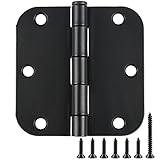
Now, let’s talk about the old guard – machined hinges. These are the ones you’ve seen a million times. They are literally machined from solid blocks of metal, usually stainless steel, brass, or aluminum. You get your two leaves, a barrel (or pin), and sometimes bushings or bearings. They’re built for durability and strength, plain and simple. The way they work is straightforward: one leaf attaches to the frame, the other to the door, and the barrel acts as the pivot point. For heavy-duty applications, like a solid wood door on a kitchen cabinet or a boat hatch, you’re usually looking at machined hinges because they can handle the torque and the continuous stress without complaint.
I had a particularly frustrating experience a few years back when I was building a custom bookshelf. I decided to try some of those ‘designer’ machined hinges I saw online – they looked nice, with a brushed nickel finish and a slightly heftier feel. Within about six months, one of the pins started to loosen, causing the door to sag. It wasn’t catastrophic, but it was annoying enough to make me regret not just sticking with the basic, no-name stainless steel ones I usually grab from the hardware store.
Those cheap ones, while maybe not as pretty, have never failed me. That’s the thing: machined hinges, especially good quality ones, are reliable. They’re predictable.
You know what you’re getting. They might creak after a while if they aren’t lubricated, and they can be a bit clunky, but they generally just work. (See Also: A Box Without Hinges Key )
The tolerances are tight, and the materials are strong. For most everyday applications, they are the default for a reason – they get the job done without fuss.
When Nature Inspires: Real-World Applications and Limitations
The promise of organic hinges is alluring, especially when you see them applied in modern product design. Think about the hinges on a high-end laptop lid – often they’re a sleek, integrated design that allows for a smooth, controlled opening and closing, sometimes even holding the lid at specific angles. These often borrow principles from biomimicry. Similarly, some flexible electronics or even advanced folding phone screens use hinge mechanisms that are far from traditional machined parts. They are designed for specific stresses and movements, often prioritizing a smooth look and feel.
However, the ‘organic’ approach isn’t without its headaches. I’ve seen early prototypes for flexible displays that developed micro-cracks in the hinge area after a few thousand folds.
The flexibility that makes them appealing can also be a weakness. If the material isn’t engineered precisely, it can fatigue or deform over time, losing its springiness or structural integrity.
The environment also plays a big role. Extreme temperatures or exposure to certain chemicals can degrade polymers much faster than metal. While a machined stainless steel hinge might corrode, it often does so predictably.
A polymer hinge might just… fail. For applications requiring extreme durability and resistance to harsh conditions, like outdoor furniture or industrial equipment, sticking with solid, well-sealed machined hinges is often the safer bet. The question of repairability is also key; if an organic hinge fails, it’s often a complete unit replacement, whereas a pin in a machined hinge can sometimes be replaced or repaired.
What to Look for: Making the Right Choice
So, how do you actually decide? It boils down to the application and what you prioritize.
If you’re building something where aesthetics are most important and the load is light – think a small jewelry box or a display cabinet door that’s opened infrequently – an organic hinge could be a fantastic choice. Look for hinges made from high-quality, UV-stabilized polymers or reinforced composites. Check the manufacturer’s specifications for load-bearing capacity and cycle life (how many openings and closings it’s rated for). A good sign is if the manufacturer provides detailed technical drawings and material specifications.
Don’t be shy about asking for samples if you’re considering them for a larger project. The feel of the material and the smoothness of the movement in your hand can tell you a lot.
For anything that needs to be bombproof, or that will see heavy, frequent use, I’m still leaning towards machined hinges. When selecting machined hinges, don’t just grab the cheapest ones. Look for reputable brands known for quality materials. (See Also: Are Integrated Washing Machine Door Hinges Standard )
Stainless steel is generally your best bet for corrosion resistance, especially in kitchens or bathrooms. For very heavy doors, you might need hinges with ball bearings, which significantly reduce friction and wear.
Pay attention to the gauge of the metal – thicker is generally better for strength. And don’t forget the finish. While it’s largely cosmetic, a good quality finish will resist tarnishing and wear better over time. For example, I recently replaced some old, pitted brass hinges on an antique dresser with solid stainless steel ones.
The look is different, but the doors now operate silently and smoothly, without any hint of sag. It’s a functional upgrade that I don’t regret.
| Hinge Type | Pros | Cons | Verdict |
|---|---|---|---|
| Organic (Jaw-like) | Sleek aesthetics, quiet operation, fewer parts, potentially lower cost at scale. | Can be less durable, susceptible to material fatigue, environmental sensitivity, repairability issues. | Best for light-duty, aesthetic-focused applications where extreme durability isn’t most important. |
| Machined | Proven durability, high strength, reliability, wide range of load capacities, easier to repair. | Can be bulkier, noisier, less integrated aesthetics, prone to corrosion if not treated. | The go-to for heavy-duty, high-frequency use, or where reliability is a must. |
Common Mistakes and How to Avoid Them
One of the biggest mistakes people make with hinges, regardless of type, is simply not using the right one for the job. I’ve seen people try to use tiny, lightweight hinges on heavy cabinet doors, or conversely, over-engineer a simple box lid with massive, industrial-grade hinges. It’s like using a sledgehammer to crack a nut. Always consider the weight of the door or lid, its size, and how frequently it will be opened and closed. Over-specifying can be just as bad as under-specifying; it can lead to bulkiness and unnecessary cost.
Another common pitfall, especially with newer organic designs, is believing the marketing hype without doing your due diligence. Just because something looks cool and is made of ‘advanced polymer’ doesn’t mean it will last. Always look for specifications, reviews (from actual users, not just sponsored content), and understand the material’s limitations.
For machined hinges, the mistake is often going for the absolute cheapest option. Those bargain-bin hinges might look fine on the shelf, but they can warp, bend, or wear out prematurely, leading to sagging doors and frustration. I learned this the hard way when a batch of really cheap hinges on a garden gate failed within a single rainy season.
The metal was too thin, and the finish was practically non-existent. Lesson learned: sometimes, paying a little more upfront saves you a lot of headaches down the line.
Also, don’t underestimate the importance of proper installation. Even the best hinge will fail if it’s not installed squarely and securely. For machined hinges, make sure the screws are the right size and type for the material you’re mounting to.
For organic hinges, follow the manufacturer’s mounting instructions to the letter, as they might have specific requirements for alignment or torque.
A Contrarian View: When Basic Is Best
Everyone seems to be chasing the next big thing in hardware, whether it’s the ‘smart’ hinge that tells you your door is ajar or the ‘invisible’ organic hinge that melts into the background. And sure, there’s a place for that. But here’s my contrarian take: for a vast majority of applications, the most basic, no-frills machined hinge is still the absolute best. I’m talking about those simple, stamped stainless steel butt hinges you find at any hardware store. They’re cheap, they’re readily available, and they are incredibly reliable. (See Also: Are Hinges Wheeels )
Why do I say this? Because they have one job: to be a pivot. They aren’t trying to be silent, or invisible, or ‘smart.’ They just need to hold a door or lid up and let it swing.
They are made of solid metal that doesn’t degrade easily. If they get a bit squeaky, a drop of WD-40 fixes it. If a pin gets loose, you can often tap it back in or replace it.
They are forgiving. The organic hinges, while beautiful in concept and sometimes in execution, introduce more variables: material fatigue, environmental breakdown, complex failure modes.
I’ve seen too many sleek, ‘modern’ hinges fail prematurely because the plastic became brittle or the flex point wore out. The simple machined hinge is like a trusty hammer – it’s not fancy, but it does its job perfectly, and you can rely on it year after year. It’s about functional longevity over trendy innovation.
Are Organic Hinges Noisier Than Machined Hinges?
Generally, organic hinges are designed to be quieter, often employing flexible materials that absorb sound and vibration. Machined hinges, especially older or unlubricated ones, can develop creaks and squeaks as metal parts rub against each other. However, high-quality machined hinges with good bearings can also operate very smoothly and quietly.
Can Organic Hinges Break More Easily Than Machined Hinges?
It depends heavily on the specific materials and design. High-quality polymers and composites used in organic hinges can be very strong and resilient, but they may have limitations concerning extreme temperatures or repeated stress over a very long period, potentially leading to fatigue. Traditional machined metal hinges are typically very solid for their intended load, but can be susceptible to bending or snapping under excessive force or corrosion.
Are Organic Hinges Suitable for Outdoor Use?
This is a mixed bag. Some organic hinges are specifically engineered with UV-resistant and weather-proof polymers, making them suitable for outdoor conditions. However, many are not, and can degrade or become brittle when exposed to sunlight, moisture, and temperature fluctuations. Machined hinges, particularly stainless steel or powder-coated ones, are generally more reliably suited for outdoor environments, though they can still corrode if the coating is compromised.
How Do I Maintain Organic Hinges?
Maintenance for organic hinges is typically minimal. Often, they require no lubrication. Cleaning is usually done with a damp cloth. The primary concern is avoiding harsh chemicals or excessive force that could damage the flexible components. If they do fail, replacement is usually the only option, unlike machined hinges which can sometimes be repaired.
When Should I Choose Machined Hinges Over Organic Ones?
You should generally choose machined hinges when you need maximum durability, high load-bearing capacity, or a proven track record of reliability in demanding environments. This includes heavy doors, high-traffic areas, or applications exposed to extreme conditions. If long-term, predictable performance with minimal maintenance is the priority, machined hinges are usually the safer, more dependable choice.
Final Verdict
So, the million-dollar question: are organic hinges like jaws better than machined hinges? My honest take after years of fiddling with hardware is that ‘better’ is relative. For sleek, modern applications where the hinge is more about form than sheer brute force, the organic designs can be stunning. They offer a clean look and silent operation that metal simply can’t always match.
But for pure, unadulterated reliability and long-term grunt work? I’m still a die-hard fan of the humble machined hinge. They are the dependable workhorses of the hardware world. They might not win beauty contests, but they’ll outlast most trends and keep your doors swinging true. For most of my projects, especially anything that sees regular, rough use, I’ll stick with what’s proven.
Ultimately, the choice depends on your priorities. If you’re looking for that smooth integration and a quiet operation for a less demanding task, explore the organic options. Just do your homework on the material and manufacturer. If you need something that’s going to take a beating and keep on ticking, you can’t go wrong with a well-made machined hinge. It’s about picking the right tool for the job, and sometimes, the old reliable tool is still the best one in the box.