I remember the first time I meticulously masked off every single trim piece in my living room, feeling like a pro. Hours of careful taping, then the paint rolled on smooth as butter. I let it dry overnight, feeling smug. The next morning, I pulled the tape, expecting crisp, clean lines. Instead, I got a jagged mess of ripped paint and fuzzy edges. That’s when I learned the hard way that the answer to ‘can you leave painters tape on too long?’ is a resounding, frustrating YES.
It’s a common mistake, assuming that once the paint is dry, the tape is just… there. But it’s a delicate dance between protecting your surfaces and creating a paint job you don’t regret. So, let’s talk about what really happens when that tape lingers a little too long.
When That Blue Line Becomes a Nightmare
Look, we’ve all been there. You’re painting a room, maybe a whole house, and you get into the groove. The paint is going on, things are looking good, and you think, ‘I’ll just leave the tape on until tomorrow. It’ll be fine.’ Famous last words. The adhesive on painter’s tape, especially the standard blue stuff, is designed to stick well enough to create a seal but also to come off cleanly. But that clean release window isn’t infinite. When you leave it on for days, or even weeks, the adhesive can start to cure, almost like it’s becoming one with the paint and the surface underneath.
This is particularly true if the paint underneath is still a bit soft, or if you applied it too thickly. The tape basically bonds to the paint. Then, when you try to pull it off, you’re not just pulling off tape; you’re pulling off chunks of your freshly applied paint.
I’ve seen it happen on walls, trim, even intricate furniture projects. The frustration is real. You spent all that time taping, only to ruin the finish.
I once had a client insist on leaving tape on a freshly painted ceiling for a full week because they were going out of town. When they returned, the paint came off in big, flaky strips. They ended up having to repaint the entire ceiling. It was a painful lesson for both of us about the limits of patience with tape.
The type of paint also plays a role. Latex paints, common for interior walls, can be more susceptible to lifting than oil-based paints. If the paint is too thick, or if you applied a second coat too soon after the first, the underlying layers might not be fully cured when the tape goes on. Then, as the paint cures over days, it can shrink slightly, pulling tighter against the tape’s adhesive.
This creates an even stronger bond, making removal a gamble. The common advice is to remove tape while the paint is still wet, or at least tacky.
This is mostly good advice, but it’s not foolproof, and sometimes waiting until it’s just dry is necessary for crisp lines. The trick is knowing the sweet spot.
Why So Many Kinds of Tape? The Devil’s in the Details
It’s easy to grab the cheapest roll of blue tape and think it’s all the same. Wrong. Dead wrong. (See Also: Does Painters Tape Pull Off Paint )
There are different kinds of painter’s tape for a reason, and understanding them is key to avoiding the ‘left it too long’ disaster. The standard blue tape is usually good for general-purpose interior painting on surfaces like trim, walls, and glass. It’s a decent all-rounder. But if you’re painting over delicate surfaces, or if you know you’re going to leave the tape on for more than a day or two, you need to step up.
That’s where the green or purple tapes come in. These are often labeled as ‘delicate surface’ or ‘extended use’ tapes. They have a lower tack adhesive, meaning they stick less aggressively.
This makes them much easier to remove cleanly, even after a longer period. I’ve used the ScotchBlue Delicate Surface tape after leaving it on for over two weeks in a high-humidity bathroom, and it came off like a dream. It felt like magic after my previous tape nightmares.
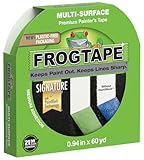
Then you have the higher-performance tapes, like FrogTape. This stuff is seriously good. It uses a special polymer technology that seals the edge when it comes into contact with paint.
It’s designed to prevent paint bleed-through, which is another reason people might hesitate to remove it quickly. But even with FrogTape, there’s a limit. They often recommend removal within 24 hours for best results, though it’s more forgiving than standard tapes. The trick with these premium tapes is understanding their specific application.
Some are better for exterior use, some for high-gloss finishes, and some are specifically designed for multi-color paint jobs where you need razor-sharp lines. The cost difference is noticeable, too. A roll of basic blue tape might be $5, while a roll of specialized tape can be $15 or more.
It feels like a lot, but when you factor in the cost of fixing mistakes – buying more paint, more supplies, and your time – the cheaper stuff often ends up costing you more.
Here’s a quick rundown:
| Tape Type | Adhesive Tack | Best For | My Verdict |
|---|---|---|---|
| Standard Blue | Medium | General interior walls, trim, short-term use | Okay for quick jobs, but risky if left too long. |
| Delicate Surface (Green/Purple) | Low | Delicate walls, freshly painted surfaces, extended use (up to 2 weeks) | My go-to for anything I’m nervous about. Worth the extra cost. |
| Specialty (e.g., FrogTape) | Medium-High (with seal) | Sharp lines, multi-color designs, longer hold times (within limits) | Excellent for detailed work, but follow their removal guidelines. |
So, when you’re asking ‘can you leave painters tape on too long?’, the answer depends heavily on which tape you’re using. Don’t be a tape snob, but also don’t be a tape cheapskate. Pick the right tool for the job. (See Also: Does Painters Tape Rip Paint Off Walls )
The Sweet Spot: When to Pull the Trigger (on the Tape)
This is the million-dollar question, isn’t it? How long is too long? The general rule of thumb, the one I learned the painful way, is to remove the tape while the paint is still slightly tacky, or at least not fully hardened. Ideally, you want to pull it off within 24 hours of the last coat. Why this timing? Because the paint is still flexible enough that it won’t shatter or chip when the tape is removed. It can bend slightly with the tape, allowing for a clean separation. If you wait too long, the paint hardens, becomes brittle, and any movement from pulling the tape results in cracks and tears.
However, there are nuances. If you’re painting a high-gloss finish, you might need to wait a little longer for the paint to firm up to avoid smudging. Conversely, if you’re painting a very porous surface, the paint might soak in and dry faster, allowing you to pull the tape sooner.
Temperature and humidity also play a significant role. In a hot, dry environment, paint dries much faster, and you might be able to remove tape sooner.
In a cool, humid environment, it can take much longer for paint to cure, and leaving tape on for extended periods becomes riskier. I once painted a humid basement workshop, and the paint took nearly 48 hours to feel truly dry to the touch, but it was still soft enough underneath to lift with the tape if I waited much longer.
The actual “dry to touch” time you see on paint cans is often just that – when it’s dry enough not to leave a fingerprint. It doesn’t mean the paint is fully cured or hardened. Full cure can take days or even weeks, depending on the paint formulation. This is where a lot of confusion happens. People see ‘dry in 1 hour’ and think it’s ready for anything. It’s not. For tape removal, you’re looking for a stage where the paint has enough body not to smear, but not so much that it’s brittle.
My personal method, when I have the time and the project allows, is to pull the tape immediately after painting the last section or wall. This means the paint is still wet. You have to be incredibly careful to avoid touching the wet paint, but if you pull slowly and at a 45-degree angle, you can get incredibly crisp lines. If I can’t do that, then 24 hours is my absolute hard limit for standard blue tape on most interior walls. For anything I’m worried about, I stick to delicate surface tapes and aim for the 24-hour mark.
Common Mistakes That Lead to Tape Trauma
Beyond just leaving the tape on too long, there are a few other classic blunders that make tape removal a nightmare. One of the biggest is not pressing the tape down properly in the first place. If there are gaps or loose edges, paint will seep underneath, creating those dreaded fuzzy lines. You need to run your finger or a putty knife along the edge of the tape to make sure it’s creating a good seal against the surface. Think of it like sealing a letter – you want it shut tight!
Another mistake is using the wrong tape for the job. As I mentioned, using standard blue tape on delicate wallpaper or freshly painted surfaces is a recipe for disaster. You’ll pull off the wallpaper, or gouge the paint. Always consider the surface and how long the tape will be on. Applying tape over a surface that isn’t clean or dry is also problematic. Dust, grease, or moisture will prevent the adhesive from sticking properly, leading to bleed-through and a poor seal. I learned this when trying to tape off around a kitchen backsplash that had some grease residue. The tape wouldn’t stick in places, and the paint bled under like crazy.
Pulling the tape too quickly or at the wrong angle is another huge contributor to ripped paint. If you yank it straight up or too fast, you’re more likely to tear the paint. The best technique is to pull it slowly, at a consistent 45-degree angle, away from the painted surface. If you encounter resistance, stop. Try to gently score the edge with a utility knife (very carefully, so you don’t damage the wall) where the tape meets the painted area. This breaks the bond and makes removal much easier. I’ve had to do this on trim that was painted with an oil-based enamel – that stuff really likes to stick. (See Also: Does Masking Tape Work The Same As Painters Tape )
Finally, there’s the issue of paint thickness. If you apply paint too heavily, especially with a roller, you can create a thick bead of paint along the edge of the tape. When this dries, it creates a lip that the tape adheres to. When you pull, it’s like peeling a sticker off a thick layer of dried glue. Always aim for thinner, even coats. It might take an extra coat, but it makes the tape removal process infinitely smoother and the final finish cleaner.
How Long After Painting Can I Remove Painters Tape?
The ideal time is while the paint is still slightly tacky, usually within 24 hours of the last coat. This allows the paint to be flexible enough to release cleanly without chipping. If the paint is fully hardened, it becomes brittle, and you risk tearing or lifting it when you remove the tape.
What Happens If Painters Tape Is Left on Too Long?
If painters tape is left on too long, the adhesive can cure and bond strongly to the paint and the underlying surface. This can result in ripped paint, jagged lines, and an uneven finish when you try to remove it. The longer it’s left, the higher the risk of damage.
Can Painters Tape Ruin a Paint Job?
Yes, it absolutely can. If applied or removed improperly, or if left on for too long, painters tape can cause paint to lift, tear, or bleed, ruining the crisp lines you were trying to achieve and potentially damaging the surface underneath.
Is It Better to Remove Tape Wet or Dry?
It’s generally best to remove tape when the paint is slightly tacky but not fully wet. Removing it while still wet carries a high risk of smudging. Removing it when fully dry carries a high risk of paint chipping or tearing. The sweet spot is when it’s set enough not to smudge but still pliable enough to release cleanly.
Should I Use a Specific Tape for Delicate Surfaces?
Yes, if you are painting over delicate surfaces like wallpaper, old paint, or freshly painted walls that haven’t fully cured, it’s highly recommended to use tape specifically designed for delicate surfaces. These tapes have a lower tack adhesive, making them much less likely to damage the surface upon removal.
Practical Tips for Stress-Free Tape Removal
Alright, let’s get down to brass tacks. You’ve painted, and now it’s time for the moment of truth. Here are a few things that have saved my bacon more times than I can count:
- Score the Edge: If you’re nervous about the paint lifting, or if the tape has been on for a while, use a sharp utility knife to very lightly score the line where the paint meets the tape. You’re not cutting into the wall, just breaking the bond between the dried paint and the tape’s adhesive. This is a lifesaver, especially on tougher finishes.
- The 45-Degree Pull: Always pull the tape slowly and at a 45-degree angle, pulling away from the freshly painted surface. This angle helps the paint release more cleanly.
- Heat It Up (Carefully): For stubborn adhesive or if you’re worried about lifting, a hairdryer on a low setting, held a few inches away and moved constantly, can soften the adhesive. This makes it more pliable and easier to pull off. Do this with caution and don’t overheat the paint itself.
- Know Your Paint: Understand the drying and curing times of your specific paint. Latex paints dry faster than oils, and different brands have different formulations. Check the can!
- Clean Your Trim First: Before you even start taping, make sure the trim or surface you’re taping onto is clean and dry. Dust and grime will prevent a good seal and can cause paint to lift.
- Don’t Rush the First Coat: If you’re painting over a dark color with a lighter one, or vice versa, you might need multiple coats. Make sure each coat is sufficiently dry before applying the next, and before you even think about taping. This prevents trapping moisture and adhesion issues.
- Consider a Second Coat of Paint First: Sometimes, applying a second coat of paint over the tape edge (a very thin coat, just on the tape line) can help seal the edge even better. Let that dry for a few minutes, then pull the tape. This is advanced, and you have to be careful not to create a thick ridge, but it can work wonders for super sharp lines.
Ultimately, the best way to avoid the pain of ripped paint is to be proactive. Choose the right tape, apply it correctly, and remove it at the opportune moment. When you get it right, it’s incredibly satisfying. When you get it wrong, well, you learn a lesson.
Conclusion
So, can you leave painters tape on too long? The short, blunt answer is: yes, and you’ll probably regret it. The adhesive isn’t designed for indefinite bonding. Over time, it becomes a stubborn enemy rather than a helpful ally, leading to paint damage, frustration, and extra work. It’s a lesson I’ve learned through scraped knuckles and a few botched paint jobs. The key is understanding the type of tape you’re using, the paint’s drying properties, and the environmental conditions.
My advice? Don’t gamble. If you have the time, remove the tape while the paint is still slightly tacky, or within 24 hours for most standard tapes. Invest in a good quality, delicate surface tape if you anticipate needing it on longer. And when in doubt, always err on the side of caution. A little extra patience during removal can save you a lot of headaches and make sure that crisp, professional finish you were aiming for.
Next time you’re prepping for a paint job, remember this. Your future self will thank you for not leaving that tape on too long.